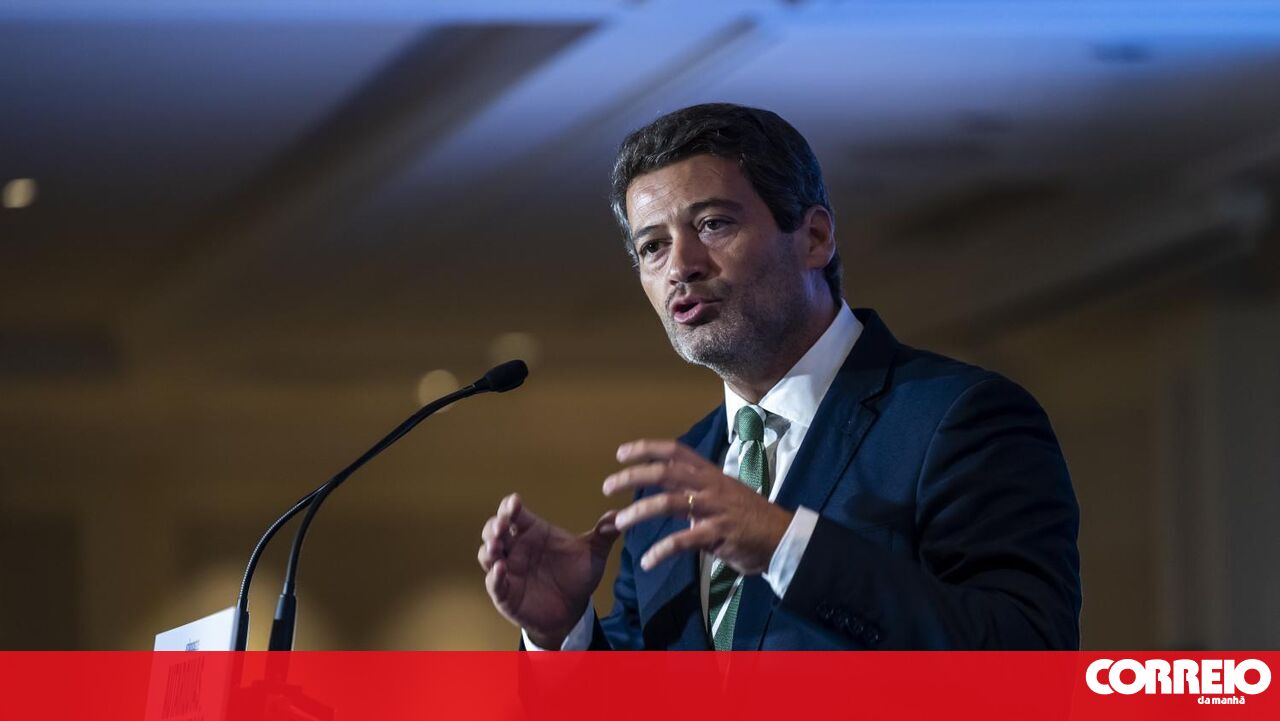
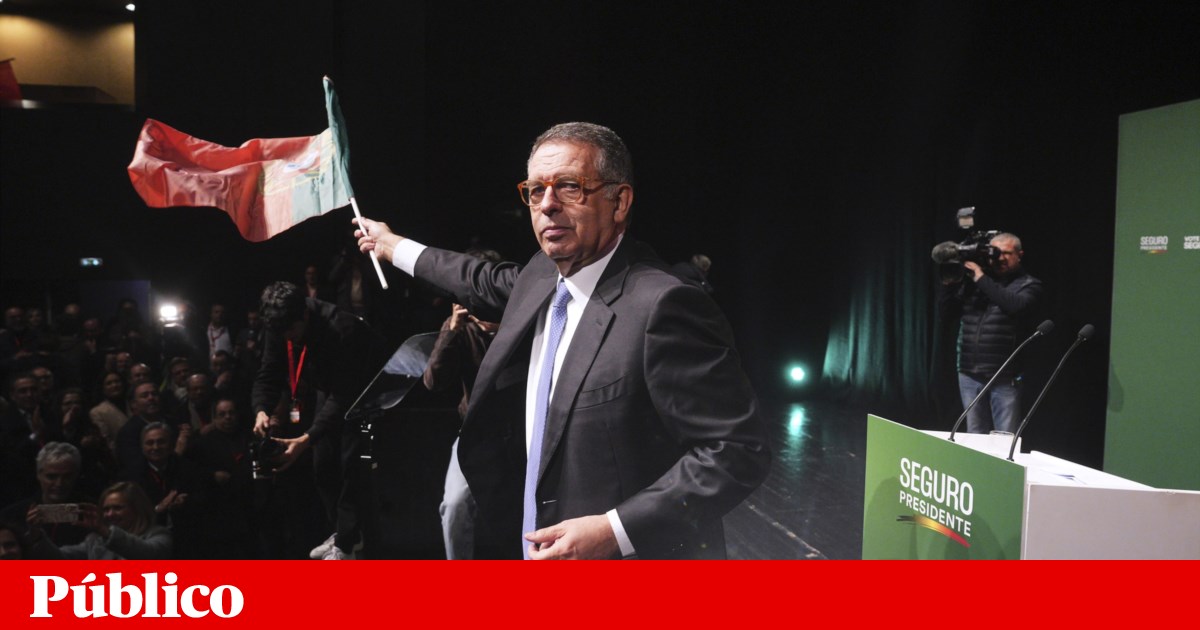
António José Seguro won the first round and will face André Ventura in the second round (segunda volta), taking roughly 31.1% of the vote to Ventura’s about 23.5% across multiple outlets. Media coverage frames Seguro as the surprise centre‑left favourite while international press highlights Ventura’s strong showing as proof of Chega’s growth on the right. The result sets up a polarised run‑off where parties and smaller candidates’ stances will matter; voters should check how polling locations and consular arrangements will be handled for the next round. Those preparing to vote in the run‑off should follow campaign developments and confirm where and when they can cast ballots.
Seguro and Ventura advance to presidential run‑off
Monday, 19 January 2026AI summary
Context & Explainers

- 2026 Presidential Candidate (running as an independent)
- Party: Former leader of Socialist Party (PS) Partido Socialista
- Center left
Background:
António José Martins Seguro (born March 11, 1962, in Penamacor) is a lawyer, political scientist, and Socialist Party politician running for president in Portugal's January 18, 2026 election. He led Socialist Youth (1990-1994), served as MEP (1999-2001), was Minister Adjunct to PM António Guterres (2001-2002), and led the PS parliamentary group (2004-2005). Elected PS Secretary-General in 2011 with 68%, he led the opposition during Portugal's bailout era. In 2014, António Costa defeated him in party primaries by a landslide, prompting Seguro's resignation and decade-long retreat from politics. He returned in 2025, launching the movement UPortugal and announcing his presidential candidacy in June. He received official PS backing in October 2025. Political Philosophy:
Seguro positions himself as representing a "modern and moderate" left, offering a progressive alternative to conservative candidates. He advocates for "financial responsibility but critical of austerity," attempting to reposition the PS at center-left. His campaign emphasizes institutional trust, efficient governance, and hope for a better future.

André Ventura, born January 15, 1983, is a lawyer, academic, and Portugal's most prominent far-right leader. He founded Chega ("Enough") in 2019 after his PSD mayoral campaign attacked the Romani community. Chega surged from 1.3% in 2019 to 22.8% in May 2025, becoming parliament's second-largest party and making Ventura Leader of the Opposition.
His platform emphasizes immigration restrictions, law-and-order policies, constitutional reform, and contains inflammatory anti-Romani rhetoric that has triggered multiple discrimination convictions and investigations. Politically classified as far-right by international media, Ventura cultivates alliances with European far-right figures including Marine Le Pen and Santiago Abascal.
He announced his 2026 presidential candidacy, polling at 18% alongside independent Admiral Gouveia e Melo. His rise ended Portugal's 50-year resistance to far-right parties.

Chega ("Enough") is a Portuguese far-right populist party founded in 2019 by André Ventura. It positions itself as an anti-establishment movement against what it calls a "rotten and corrupt system" of PS-PSD dominance. The party surged from 1.3% in 2019 to 22.8% in May 2025, becoming parliament's second-largest force with 60 seats. Chega's core platform emphasizes strict immigration control—ending automatic CPLP residency, deporting non-independent immigrants, implementing job-market quotas, and requiring five-year social security contributions before benefit access. It advocates radical constitutional reform, including reducing parliament to 100 members, abolishing the prime minister position for a presidential system, and dismantling public healthcare. Law-and-order policies include life imprisonment and chemical castration proposals.
The party is defined by inflammatory anti-Romani rhetoric, with Ventura convicted multiple times for discrimination. Chega maintains international alignments with European far-right figures including Marine Le Pen, Santiago Abascal, and Matteo Salvini. Mainstream Portuguese parties, including Prime Minister Luís Montenegro's government, have imposed a cordon sanitaire, refusing coalition with Chega despite its parliamentary strength.
Sources (7)
- Seguro beats Ventura but cannot rely on the mainstream right in the run-offPúblico · 1:46am, 19 Jan 2026
- The left's biggest victory since Costa started reluctantly with the man who 'made life difficult for the PS'CNN Portugal · 2:52am, 19 Jan 2026
- Seguro achieves the Socialist Party's best result in 24 yearsObservador · 2:37am, 19 Jan 2026
- Seguro wins presidential first round and fights Ventura for Belém in the run-offCorreio da Manhã · 1:30am, 19 Jan 2026
- International media highlight the rise of 'radical' Ventura and the 'surprise' SeguroExpresso · 2:06am, 19 Jan 2026
- Seguro and Ventura advance to the second round in the most closely contested presidential election in decadesDinheiro Vivo · 1:12am, 19 Jan 2026
- Presidential Election 2026 — election night minute by minuteRTP Notícias · 11:48pm, 18 Jan 2026