The Lisboeta

Cotrim asks PSD for backing after poll results

Monday, 12 January 2026AI summary
Cotrim asks PSD for backing after poll results

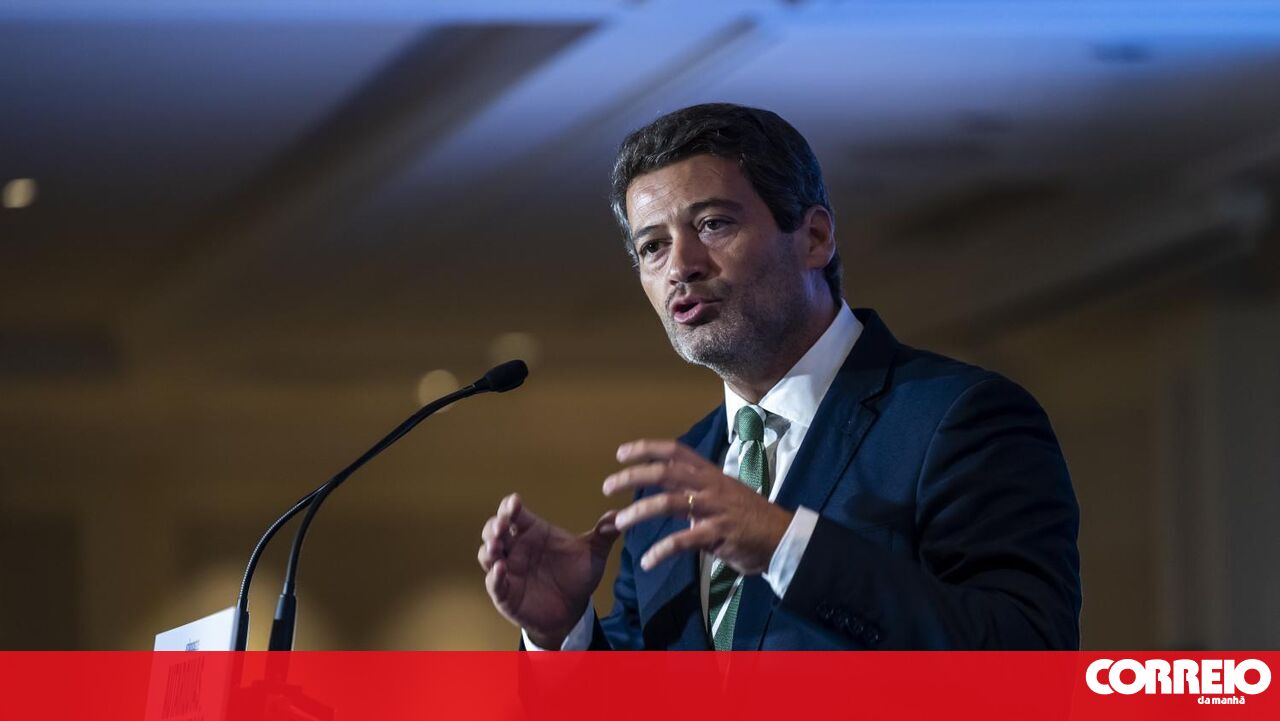
Campaign reporting shows André Ventura (Chega) saying João Cotrim de Figueiredo's support in a possible second round is “natural” while also downplaying its importance; commentators note Cotrim has significantly influenced the campaign narrative and media coverage. Outlets add that other figures such as Gouveia e Melo have commented they are not surprised by possible tactical alignments. For expats: watch second‑round dynamics — endorsements and tactical voting talk can shift campaign messaging quickly and affect turnout and debate tone.

Update: Multiple outlets report João Cotrim de Figueiredo wrote to PSD leader Luís Montenegro after a Católica University poll, asking the PSD to back him or recommend a PSD vote for his candidacy in order to prevent either the PS or Chega candidate reaching the presidency; the letter quotes Sá Carneiro and comes as other campaign figures try to counter poll momentum. This formal appeal intensifies tactical-vote manoeuvring in the final days of the campaign.

Context & Explainers

Who is André Ventura?

André Ventura, born January 15, 1983, is a lawyer, academic, and Portugal's most prominent far-right leader. He founded Chega ("Enough") in 2019 after his PSD mayoral campaign attacked the Romani community. Chega surged from 1.3% in 2019 to 22.8% in May 2025, becoming parliament's second-largest party and making Ventura Leader of the Opposition.

His platform emphasizes immigration restrictions, law-and-order policies, constitutional reform, and contains inflammatory anti-Romani rhetoric that has triggered multiple discrimination convictions and investigations. Politically classified as far-right by international media, Ventura cultivates alliances with European far-right figures including Marine Le Pen and Santiago Abascal.

He announced his 2026 presidential candidacy, polling at 18% alongside independent Admiral Gouveia e Melo. His rise ended Portugal's 50-year resistance to far-right parties.

Who is João Cotrim de Figueiredo?
  • 2026 Presidential Candidate
  • Party: Liberal Initiative (IL) Iniciativa Liberal
  • Businessman from Lisbon
  • Economic Liberalism, reduced state intervention, pro-Europe

João Fernando Cotrim de Figueiredo (born June 24, 1961, in Lisbon) is a businessman and liberal politician running for Portugal's presidency in the January 18, 2026 election. He grew up in Lisbon, studied Economics at the London School of Economics and earned an MBA from NOVA University Lisbon. He held executive positions at Compal, Nutricafés, Privado Holding, and TVI, and served as president of Turismo de Portugal (2013-2016), overseeing tourism industry growth during his tenure. He was elected as the Liberal Initiative's first parliamentary deputy in October 2019, led the party (2019-2023) while it grew from 1 to 8 seats with 5% of votes in 2022, and was elected European Parliament member in 2024. He announced his presidential candidacy in August 2025, backed by the Liberal Initiative. ​

Political Philosophy:

Cotrim de Figueiredo champions liberal economics—tax reduction, labour market liberalization, and welfare reform—alongside cultural and secular liberalism. His campaign emphasizes "Culture, Knowledge and Growth," positioning himself as representing younger voters alienated by traditional candidates, and explicitly states he expects a "second-round" runoff result. He advocates for a future-prepared Portugal distinct from current political offerings.

What is Chega?

Chega ("Enough") is a Portuguese far-right populist party founded in 2019 by André Ventura. It positions itself as an anti-establishment movement against what it calls a "rotten and corrupt system" of PS-PSD dominance. The party surged from 1.3% in 2019 to 22.8% in May 2025, becoming parliament's second-largest force with 60 seats. ​ Chega's core platform emphasizes strict immigration control—ending automatic CPLP residency, deporting non-independent immigrants, implementing job-market quotas, and requiring five-year social security contributions before benefit access. It advocates radical constitutional reform, including reducing parliament to 100 members, abolishing the prime minister position for a presidential system, and dismantling public healthcare. Law-and-order policies include life imprisonment and chemical castration proposals.

The party is defined by inflammatory anti-Romani rhetoric, with Ventura convicted multiple times for discrimination. Chega maintains international alignments with European far-right figures including Marine Le Pen, Santiago Abascal, and Matteo Salvini. Mainstream Portuguese parties, including Prime Minister Luís Montenegro's government, have imposed a cordon sanitaire, refusing coalition with Chega despite its parliamentary strength.

Tactical voting means choosing a less-preferred candidate to achieve a strategic outcome—for example concentrating support to ensure a preferred candidate reaches the second round (segunda volta) or to block a rival. Party leaders urge it when they want to avoid splitting votes among similar candidates and increase the chance of a favourable runoff result.

The second round (segunda volta) is a runoff held if no candidate obtains more than 50% of votes in the first round; the top two candidates then compete head‑to‑head. For expats following elections, the second round is usually decisive because broader coalitions form and turnout and endorsements can change the outcome.

Luís Montenegro
  • Prime Minister, Portugal: 2024 - Present
  • Party: Social Democratic Party (PSD)

Luís Filipe Montenegro Cardoso de Morais Esteves (born February 16, 1973, in Porto) is a Portuguese lawyer and center‑right politician who has served as Prime Minister of Portugal since April 2, 2024. A long‑time member of the Social Democratic Party (PSD), he is the leading figure of the post‑Troika generation of Portuguese conservatives. ​ Montenegro was elected to the Assembly of the Republic in 2002 for the Aveiro district and remained an MP for 16 years, becoming PSD parliamentary leader from 2011 to 2017 during the bailout and austerity period under Prime Minister Pedro Passos Coelho. He was a prominent defender of strict austerity measures, arguing in 2014 that “the life of the people is no better, but the life of the country is a lot better,” a phrase that has followed his public image since. ​ After an unsuccessful leadership bid against Rui Rio in 2020, Montenegro won the PSD leadership in 2022. He then forged the centre‑right Democratic Alliance (PSD–CDS‑PP and allies), which won a plurality of seats in the 2024 legislative election. Refusing to partner with the far‑right Chega, which he has called “often xenophobic, racist, populist and excessively demagogic,” he formed a minority government as head of the XXIV Constitutional Government on April 2, 2024. ​ His first government fell in March 2025 after a no‑confidence vote linked to a conflict‑of‑interest affair, but fresh elections saw the Democratic Alliance increase its seat share, allowing Montenegro to return as prime minister leading the XXV Constitutional Government. His importance to Portugal lies in attempting to re‑center the traditional centre‑right after the crisis years, defending liberal‑conservative economics and EU alignment while drawing a sharp line against formal cooperation with the radical right, thus shaping how Portuguese democracy manages its new multi‑party era.

What is the PSD political party?

The Social Democratic Party ('Partido Social Democrata' or 'PSD') is a liberal-conservative political party in Portugal that is the leading partner of the The Democratic Alliance (AD) which is the country's ruling party, with Prime Minister Luís Montenegro.

The Social Democratic Party, despite its name, occupies the centre-right of Portugal's political spectrum. Luís Montenegro, who became Prime Minister in April 2024, leads Portugal's current minority government. The PSD has been one of Portugal's two dominant parties since 1974, having formed nine governments including four with absolute majorities. Montenegro, a former party leader from 1996-1999, was elected with the highest approval rating among party leaders at 10.7 points out of 20.

The Democratic Alliance is a centre-right coalition that includes the smaller CDS – People's Party, a Christian democratic party that has historically been the PSD's coalition partner. Together, they govern without a parliamentary majority, requiring case-by-case support from opposition parties to pass legislation.

The Socialist Party (Partido Socialista or PS) is Portugal's main centre‑left, social‑democratic party that has been one of the country’s largest parties and has led national governments since 2015 under António Costa. Its decisions shape taxation, housing, health and immigration policies that directly affect residents and expats living in Portugal.

What is the PS political party?

Socialist Party (PS)

  • Leader: José Luís Carneiro (since June 2025)
  • Ideology: Center-left, Social democracy, pro-Europeanism

Portugal's other traditional major party suffered a historic collapse in the 2025 election, dropping from 78 to 58 seats and falling to third place for the first time in democratic history. The party was led by Pedro Nuno Santos from January 2024 until his resignation following the May 2025 defeat. José Luís Carneiro, a 53-year-old former Minister of Internal Administration known for his moderate positioning within the party, was elected unopposed as the new Secretary-General with 95% of votes in June 2025. ​ The Socialist Party governed Portugal from 2015 to 2024, including an absolute majority from 2022 to 2024 under António Costa, who resigned in November 2023 amid a corruption investigation. The PS previously led the innovative "Geringonça" (contraption) coalition government from 2015-2019, a minority government supported by the Left Bloc and Portuguese Communist Party that reversed austerity measures and presided over economic recovery.

Sources (20)

Continue reading