Government considers suspending electronic border control to ease queues
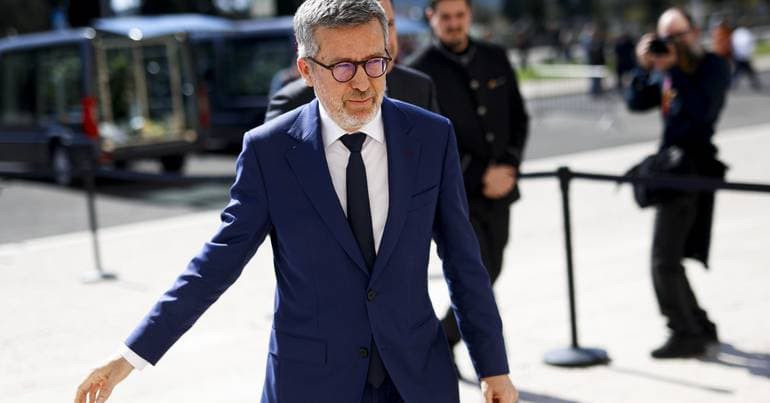
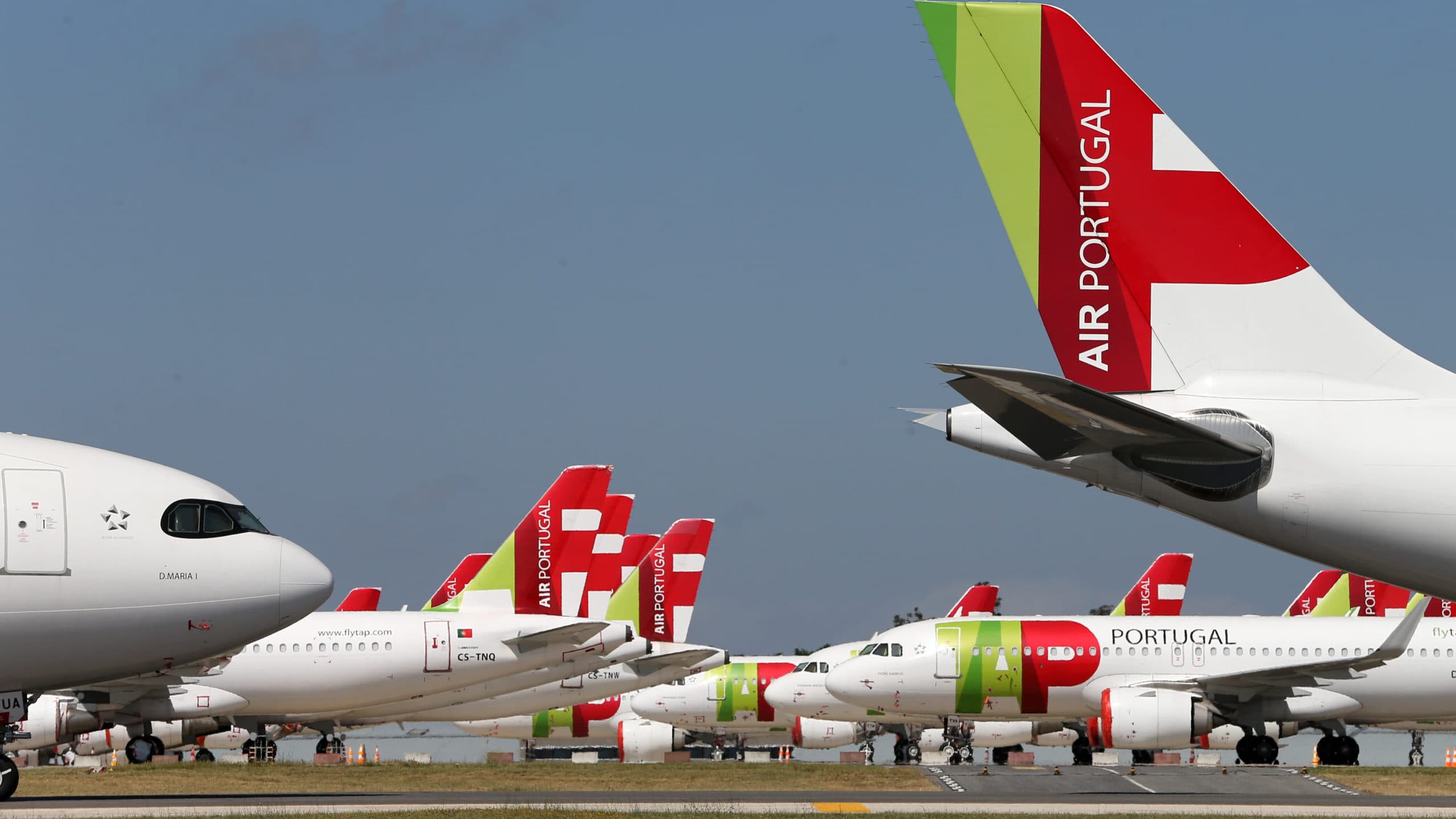
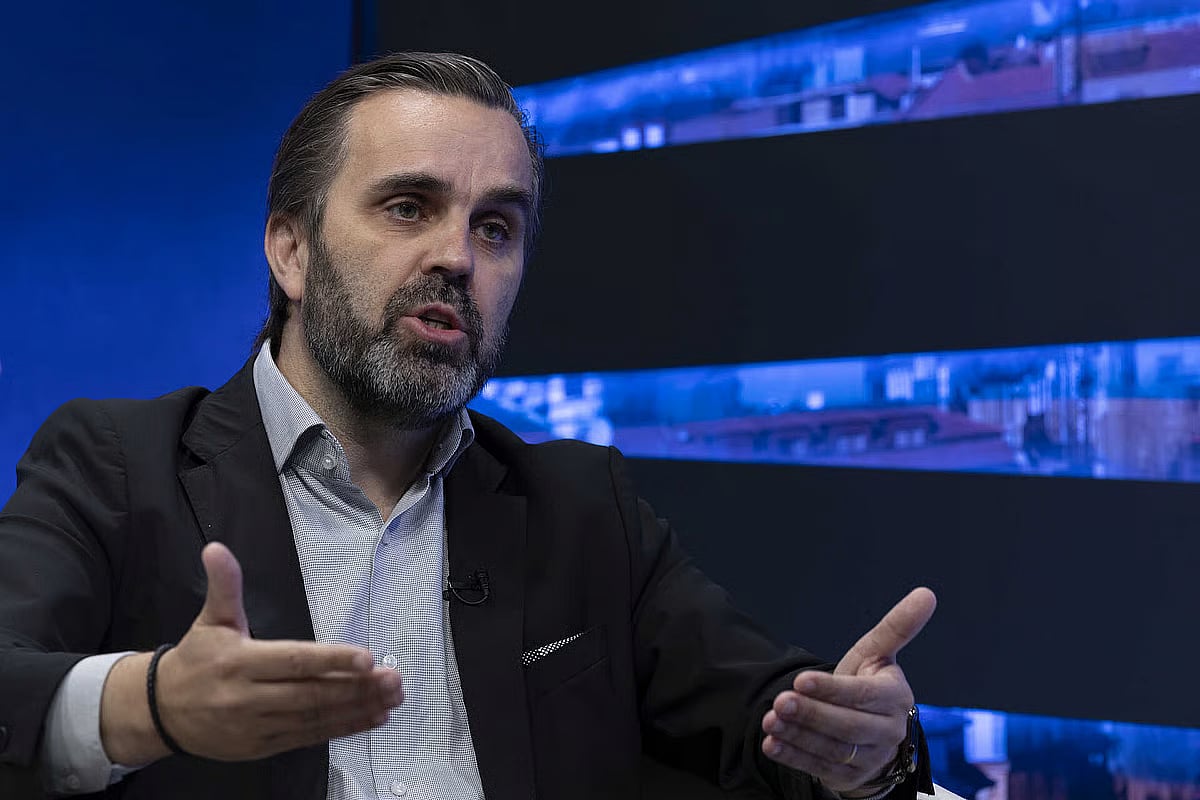
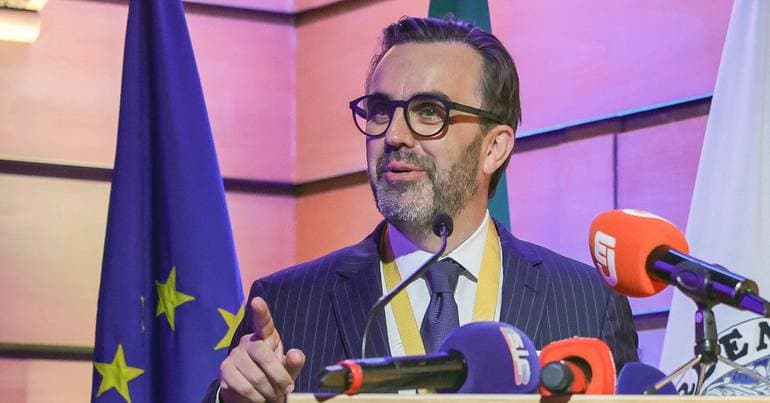
Minister of Infrastructure and Housing Miguel Pinto Luz confirmed the government may suspend the new Entry/Exit System (Entry/Exit System or EES) at airports this summer to protect Portugal's international image. Lisbon Mayor Carlos Moedas also advocated for the suspension, citing recent border control delays that have caused significant passenger queues and created a negative impression of the country.
The Entry/Exit System (Sistema de Entrada/Saída or EES) is an automated IT system for registering travelers from non-EU countries, both short-stay visa holders and visa-exempt travelers, each time they cross an EU external border. It replaces the manual stamping of passports and is designed to improve security and identify overstayers within the Schengen Area.

Carlos Manuel Félix Moedas (born August 10, 1970, in Beja) is a civil engineer, economist, and center-right politician who has served as Mayor of Lisbon since October 2021. He earned degrees in civil engineering from Instituto Superior Técnico and an MBA from Harvard, working at Goldman Sachs and founding his own investment firm before entering politics. During Portugal's 2011-14 bailout, he served as Secretary of State coordinating Troika-mandated structural reforms. From 2014-19, he was European Commissioner for Research, Science and Innovation, managing €77 billion in research funding and designing the €100 billion Horizon Europe program. Moedas narrowly won Lisbon's mayoralty in 2021 with 34.3%, defeating Socialist incumbent Fernando Medina. Governing initially with a minority coalition, he implemented free public transport for youth and elderly residents, launched the "Unicorn Factory Lisboa" innovation hub attracting 82 tech companies and 16,000 jobs, and won Lisbon the 2023 European Capital of Innovation award. He was re-elected in October 2025 with 41.7%, securing eight of nine council seats. His significance lies in shifting Lisbon's political trajectory rightward after decades of Socialist governance, positioning the capital as a European tech hub while prioritizing housing development, carbon neutrality by 2030, and innovation-driven economic growth.