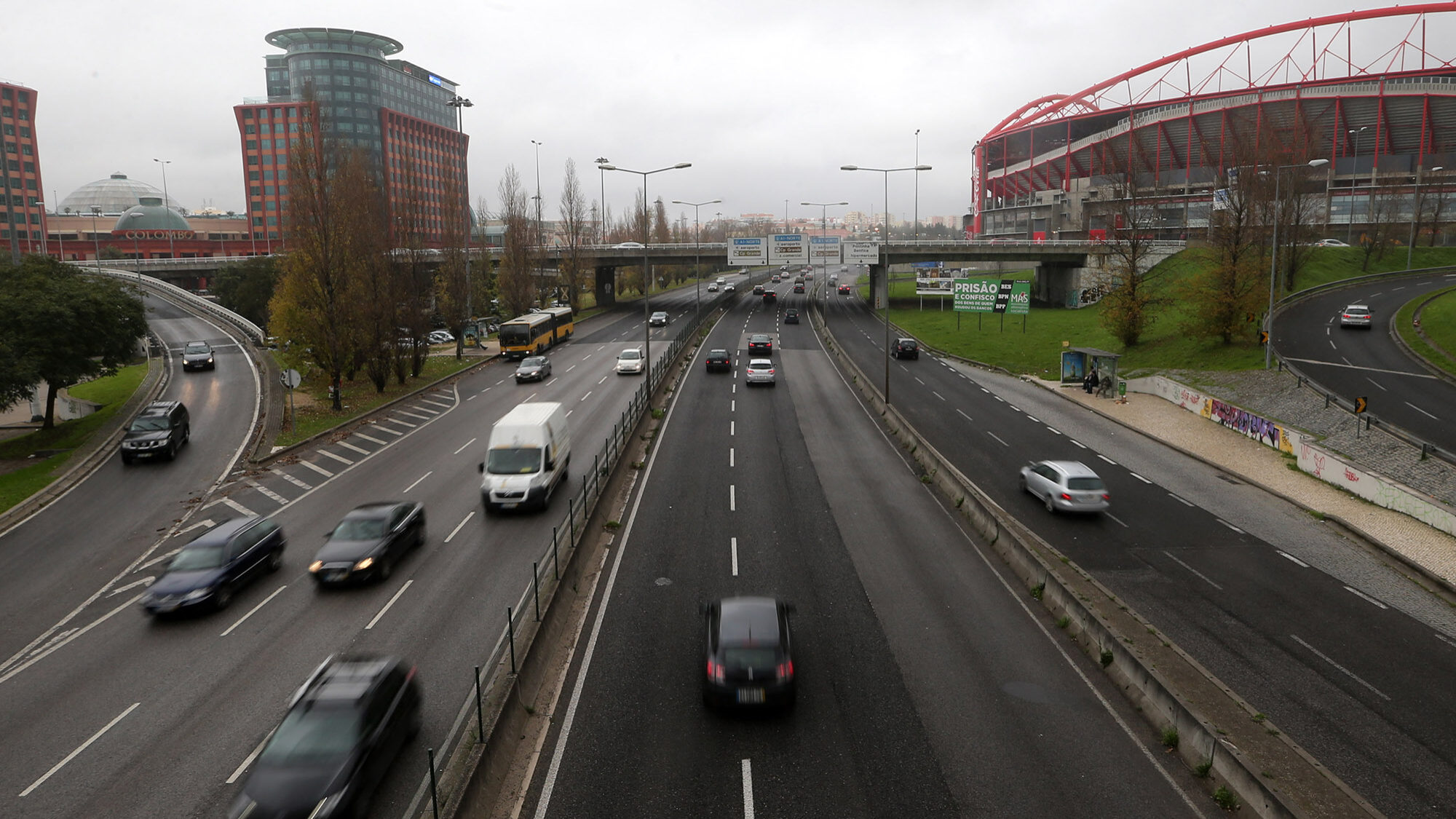
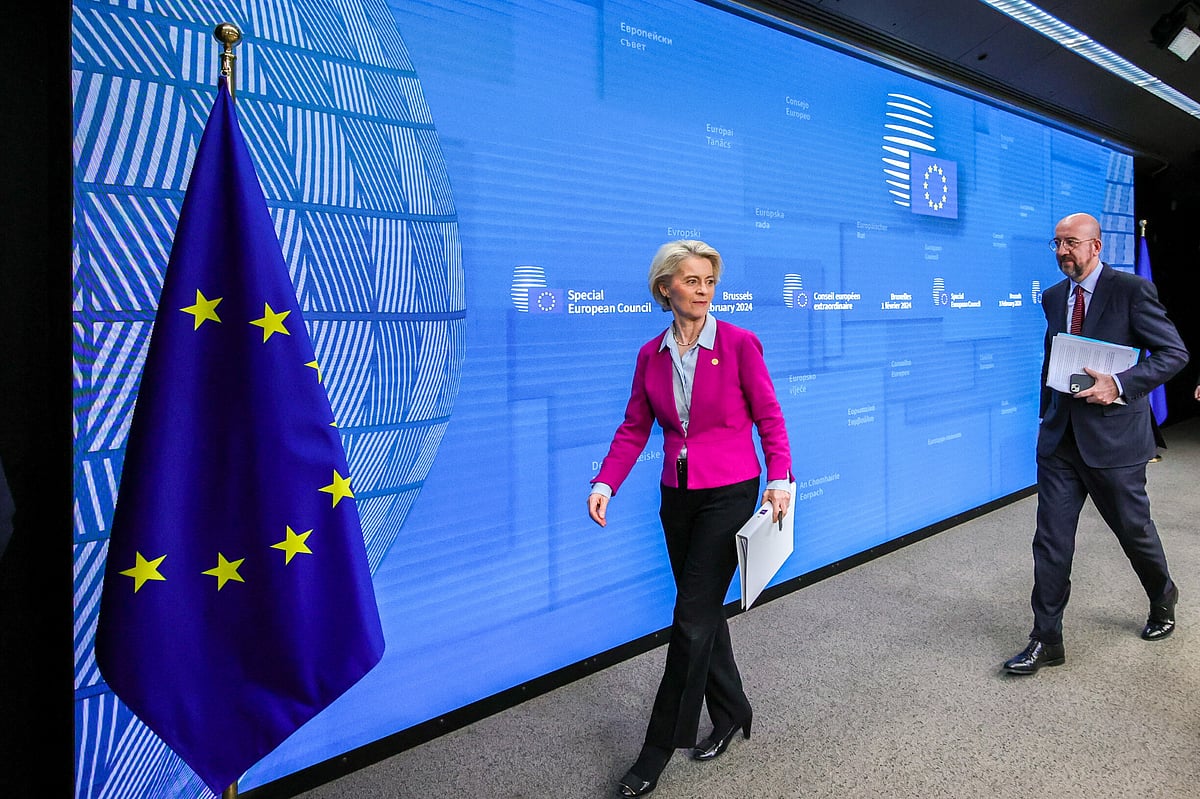
The European Commission warned on Tuesday, the 7th, that measures adopted within the European Union to respond to the energy crisis caused by the conflict in the Middle East must not lead to inflation or deficits, while admitting 'great concern' regarding oil and diesel prices. The Commission emphasized the need for coordination among member states, drawing lessons from the 2022 energy crisis, and is currently reviewing a proposal from several countries to tax the windfall profits of energy companies. Technical meetings are scheduled to assess potential fuel shortages, particularly concerning diesel and aviation fuel, as the EU monitors the impact of the crisis on public finances and energy security.
Iran: European Commission warns that support measures must not generate inflation or deficits
Tuesday, 7 April 2026RSS
Context & Explainers
Inflation measures how much general prices rise over time, usually reported year‑on‑year to compare a month with the same month a year earlier. Portugal’s National Institute of Statistics (INE) estimated January inflation at 1.9% year‑on‑year, down 0.3 percentage points from December, which affects rents, wages and everyday purchasing power for residents.