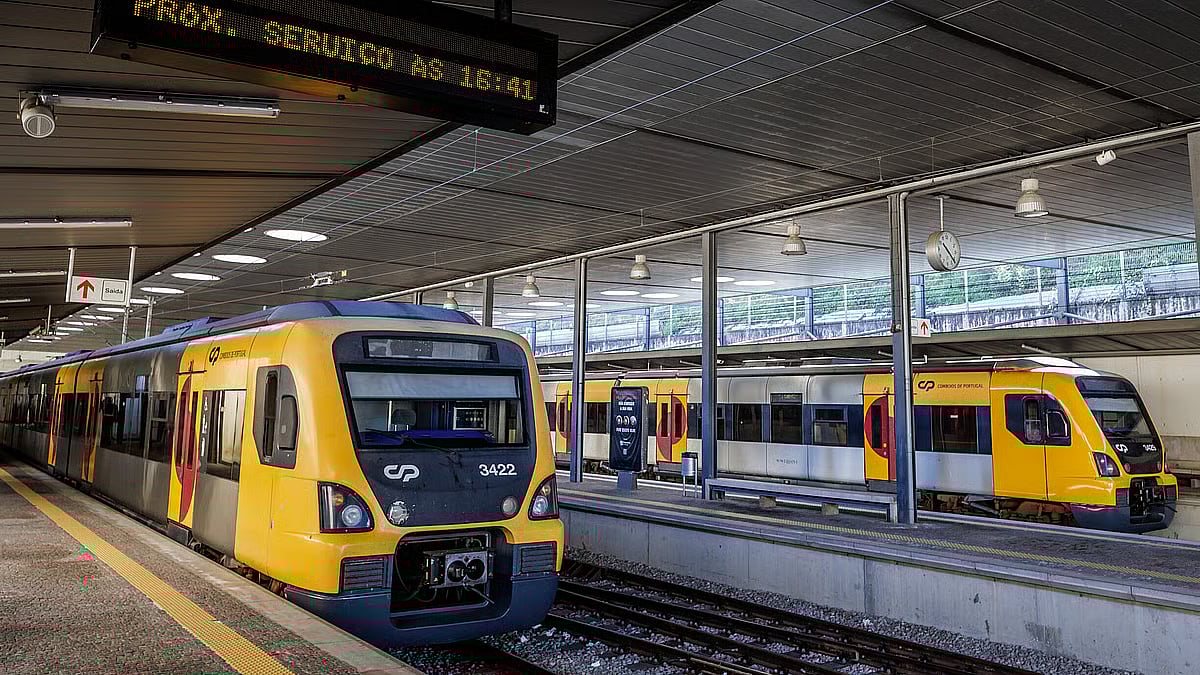
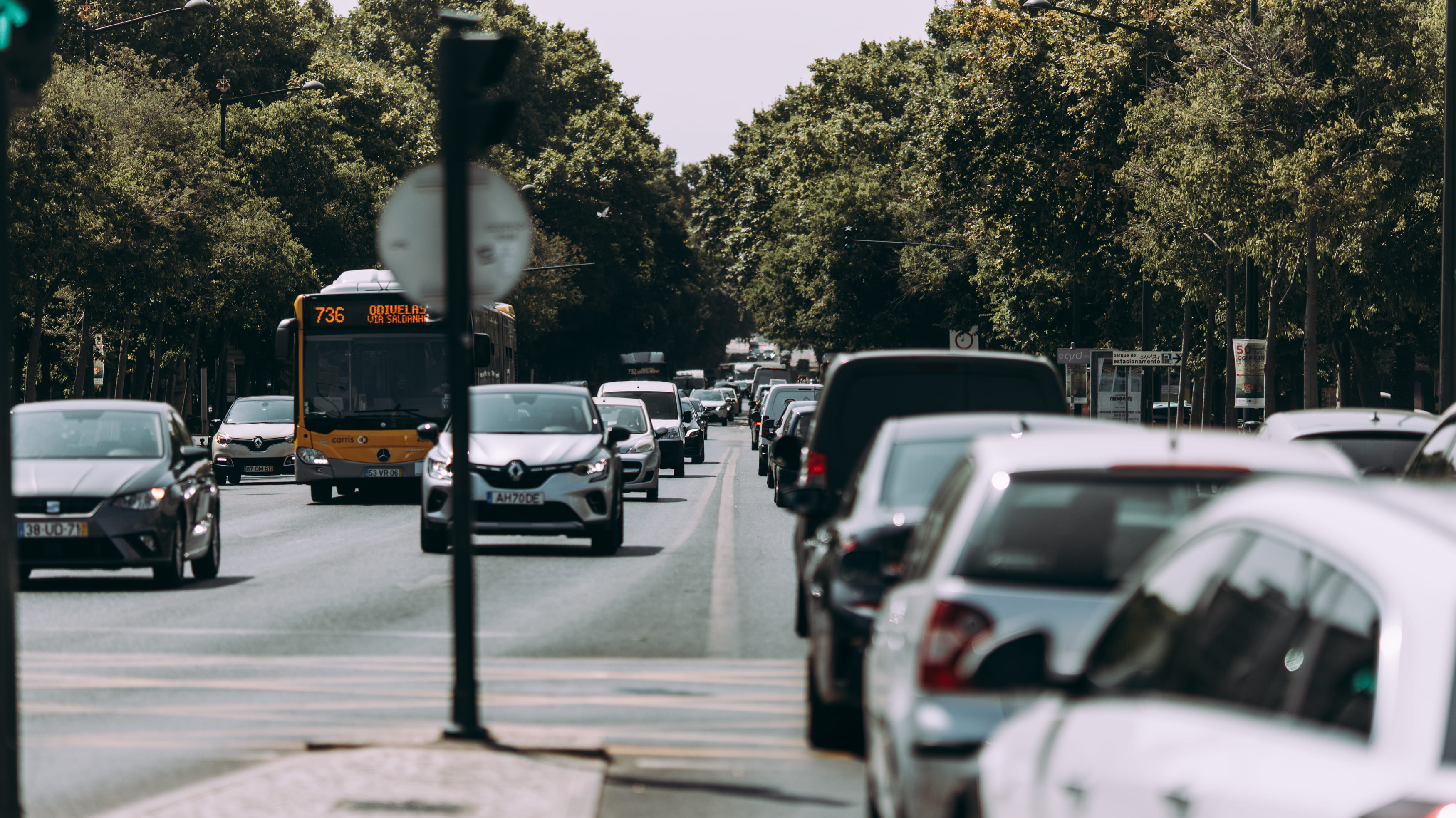
Portugal continues to have several urban areas with high concentrations of air pollutants, warns the environmental association Zero, advocating for a significant reduction in vehicles on the road and the electrification of freight transport, buses, and collective light vehicles. To reduce air pollution in urban areas, it is necessary to replace older fleets with electric vehicles, especially for intensive use, the association explains in a statement released for International Day of Clean Air, marked on Sunday, April 12. The proposed measures not only improve air quality but also reduce dependence on fossil fuels, serving as an effective way to address rising fuel prices resulting from the current geopolitical context. However, the association laments that the Portuguese trend has been an increase in traffic in urban areas, such as the Lisbon Metropolitan Area, and that Portugal lags behind in the European Union in the electrification of logistics and public passenger transport. Recalling that air pollution is a leading cause of premature death globally, surpassing tobacco, Zero highlights how air pollution is associated with diseases such as stroke, respiratory illnesses, and lung cancer, with its impact on children being particularly concerning. In Portugal, air pollution is responsible for the premature death of about 4,200 people per year, equivalent to 12 deaths per day—deaths that Zero considers largely preventable if the values recommended by the World Health Organization were met. Road transport is one of the main sources of air pollution, especially in urban environments, contributing to high levels of nitrogen dioxide (NO2), fine particles, and ozone (as a precursor), making it essential to act in this sector, Zero reinforces. Zero wants the Lisbon Metro to open at 05:30 due to the increase in fuel prices.
Zero wants fewer vehicles circulating in urban areas with the most polluted air
Saturday, 11 April 2026RSS
Context & Explainers
Sustainability (sustentabilidade) means meeting present needs without reducing the ability of future generations to meet theirs, covering environmental, economic and social dimensions. For residents it affects local planning, jobs and services—look for municipal or company targets, timelines and measurable actions when assessing how sustainable a place or employer is.