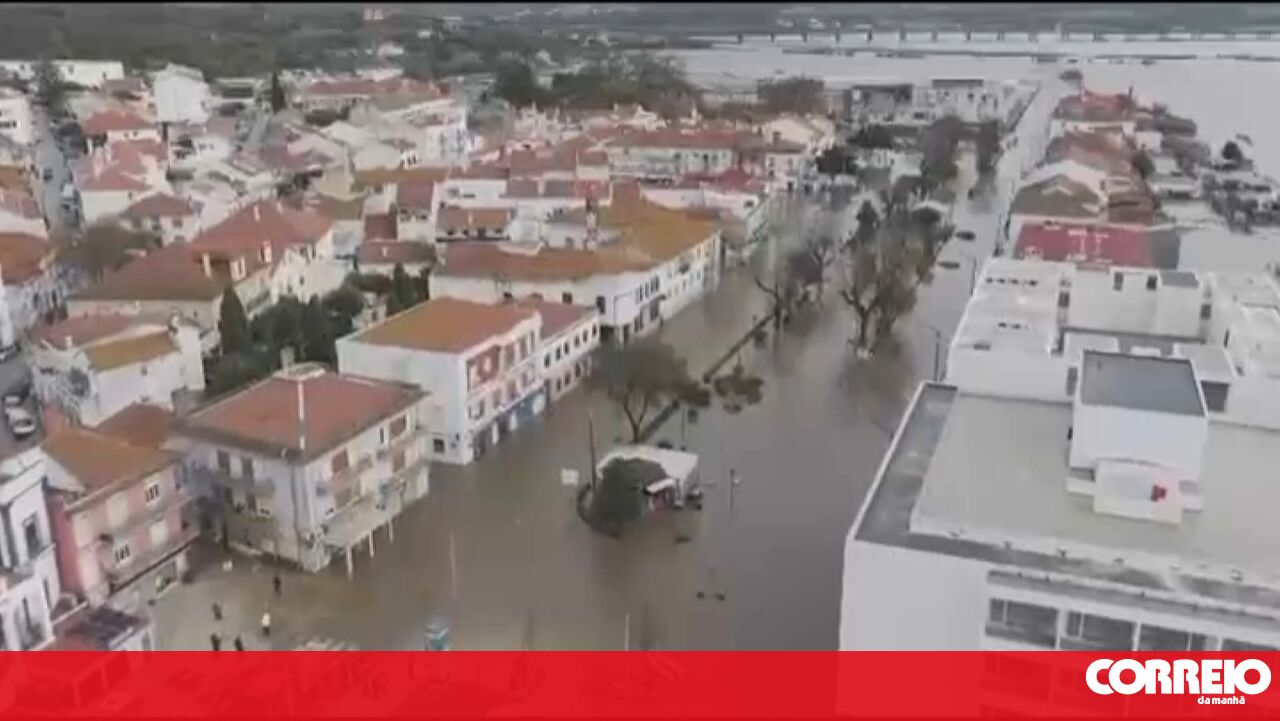
The town in the Setúbal district was among those that asked the Government to declare a state of calamity after flooding caused by the rise of the River Sado. The low-lying town centre was the worst affected and even the bullring was submerged.
Striking drone footage captures the impact of severe weather in Alcácer do Sal
Thursday, 29 January 2026RSS
Context & Explainers
A state of calamity (situação de calamidade) is the highest level of civil emergency Portugal can declare under its Civil Protection framework, short of a constitutional state of emergency. It is typically declared by the government in response to severe natural disasters such as major wildfires, floods, or storms.
A calamity declaration activates the National Civil Protection Emergency Plan, mobilizes additional resources, and grants authorities expanded powers to restrict movement, requisition private property, and deploy military assets. It also unlocks emergency financial support for affected populations and municipalities.
Portugal uses a three-tier alert system: alerta (alert), contingência (contingency), and calamidade (calamity), each with escalating levels of coordination and authority. The state of calamity requires coordination between the national government, ANEPC, local authorities, and emergency services.