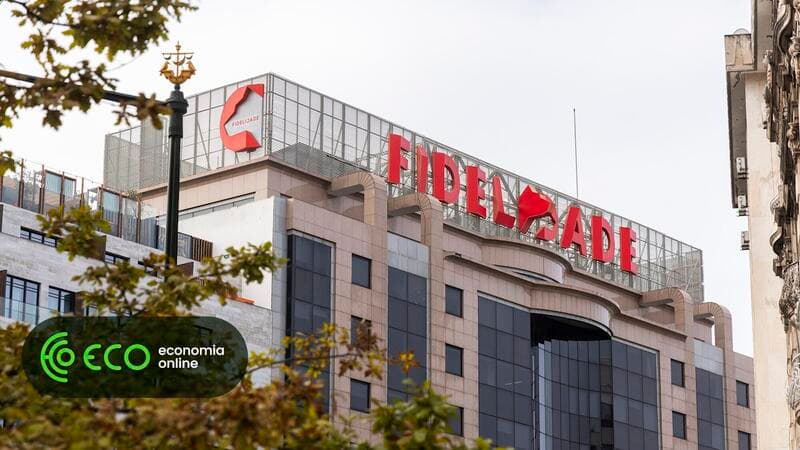
The Fidelidade group, present in 14 countries, reached 201 million euros in net results globally, a 16% growth compared to 2024, with a positive contribution from the Portuguese operation, which multiplied its individual net result by 12 to 144 million euros. The main data extracted from the Report and Accounts are: ...
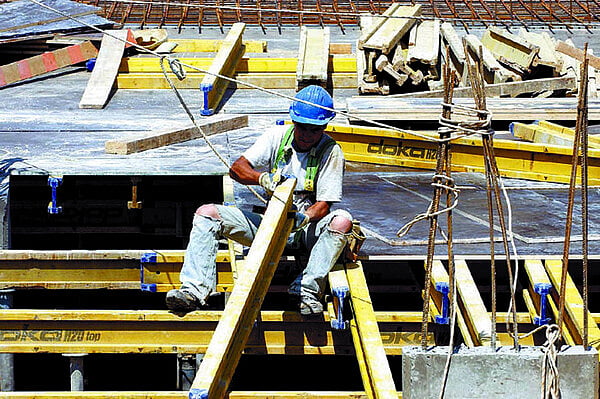
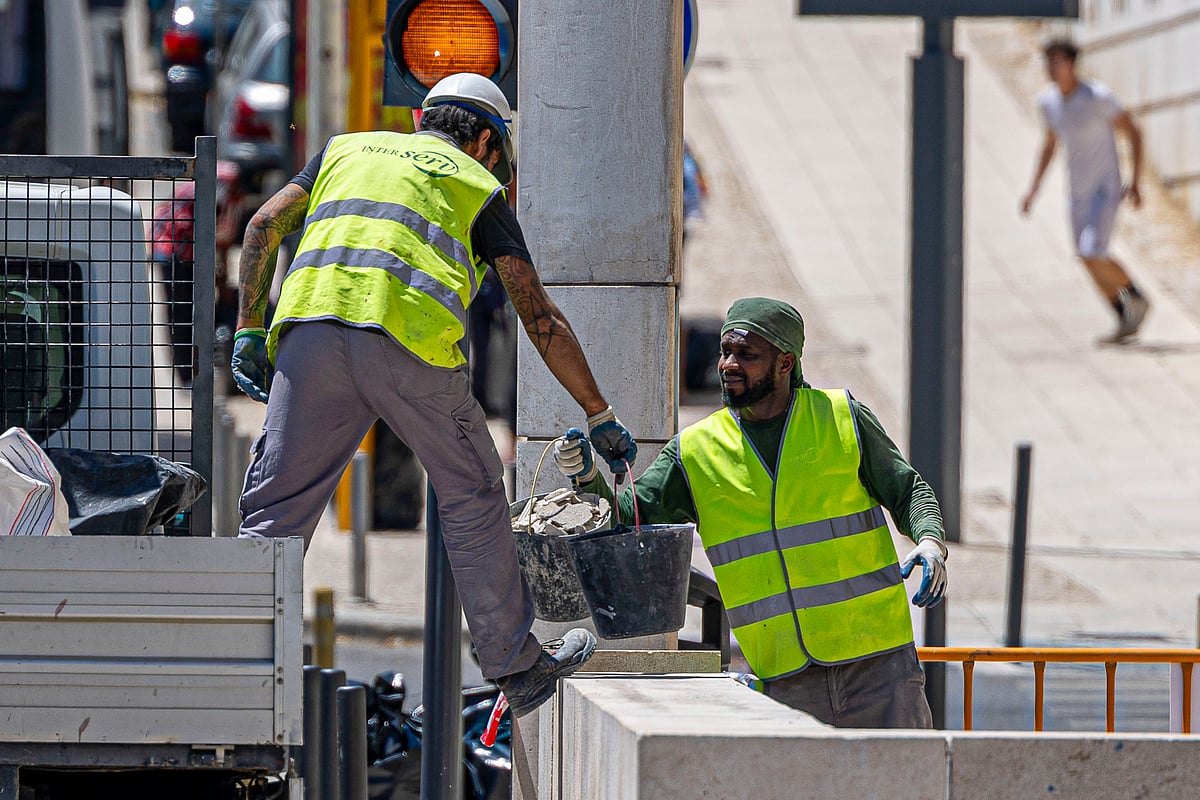
Investment in the construction sector grew by 5.5% in 2025, reaching 28 billion euros, while gross value added (GVA) rose by 1.7% to 9.9 billion, according to the Association of Civil Construction and Public Works Industrialists (AICCOPN). The association highlights that this positive performance was accompanied by an improvement in building and rehabilitation permits, which saw a 1.8% increase in overall volume. This result reflects a 3.3% rise in family housing permits, contrasting with a 2.7% decline in non-residential building authorisations. The licensing of units in new buildings saw a notable year-on-year growth of 20.1% in 2025, totalling 41,592 dwellings. Despite these favourable signs, AICCOPN warns of persistent pressures on production costs. The New Housing Construction Cost Index ended the year with a 4% increase, driven primarily by labour costs, which rose by 7.7%, while materials saw a more moderate variation of 0.9%. Cement consumption increased by 0.7% year-on-year, which the association considers a moderate trend consistent with the maintenance of ongoing projects. In the public works segment, 2025 was considered an exceptional year, as public tenders reached 10 billion euros, up 21% compared to 2024, and the total value of contracts reported on the Base Portal was 7.6 billion euros, a year-on-year growth of 48%. However, AICCOPN notes that January indicators show more contained figures—450 million euros in tenders (-41%) and 190 million in contracts signed (-46%). The association views this as a typical seasonal and administrative fluctuation for the month, which does not jeopardise the continuity of the investment cycle observed at the end of 2025. Construction production increased by 1.3% in January.
Banco Santander increased the number of senior executives receiving over one million euros in gross salary to 458 in 2025, a 10% rise compared to 2024. According to the Prudential Relevance Report, consulted by Europa Press, this figure compares to the 318 executives who received this remuneration in 2024.
Banco Santander increased the number of senior executives receiving over one million euros in 2025 to 458, a 10% rise compared to 2024. According to the Prudential Relevance Report, this figure compares to 318 executives in 2024. The bank attributes the increase to higher bonuses following record profits, with the majority of these high earners based in the US and UK due to more competitive labour markets. The figures include deferred variable remuneration and severance payments. Santander also noted that the 'identified group' of staff, which includes those in risk-taking or control functions, totalled 1,336 people, receiving a combined remuneration of 1.27 billion euros.
Portugal's 10 largest markets for the export of goods and services will experience a year of mild growth, according to macroeconomic forecasts from the team of economists at Coface, a French credit insurer present in 200 countries, including Portugal. It has 100,000 clients and an exposure of 715 billion euros.
In an increasingly demanding international context, Portugal faces the imperative of strengthening its business base as an essential condition for economic and social progress. National Accounts data show GDP growth of 1.9% in 2025, following 2.2% in 2024. This is a sign of resilience, but clearly insufficient to ensure rapid and sustained convergence with more developed European economies. Growth was based exclusively on domestic demand, with the contribution of net external demand being negative for the second consecutive year—a reality that deserves deep reflection, as the Portuguese economy cannot structurally depend on domestic dynamics to sustain output expansion; it is a model that proves vulnerable and limits the potential for competitive assertion in the European and global space. Furthermore, investment is showing signs of slowing down. Excluding changes in inventories, Gross Fixed Capital Formation has been decelerating, with a decline even observed in investment in machinery and equipment. When companies invest less in technology, productive modernisation, and innovation, future productivity gains are compromised, and the ability to compete in increasingly sophisticated external markets is reduced. This is an especially worrying situation during a period of implementation of crucial European funds, such as PT 2030. Export intensity has also regressed, standing at 43.6% of GDP in 2025, a value lower than that recorded in previous years and far from the levels we aim to reach. The escalation of the conflict involving the United States of America, Israel, and Iran, with disruptions already visible in one of the main arteries of global energy trade (the Strait of Hormuz), accentuates high international uncertainty, with repercussions on rising production costs (energy prices and maritime freight). For an economy heavily dependent on energy imports, such as the European one, this risk cannot be underestimated. Persistent inflationary pressure could lead to a tightening of monetary policy, with rising interest rates, which would have consequences for business investment, making financing more expensive and conditioning strategic decisions, precisely at a time when we need more innovation and international expansion to grow solidly. It is up to us to create the conditions for companies to invest, innovate with ambition, and strengthen their international presence. For all these reasons, the motto of the Action Programme for the current AEP board's mandate continues to make perfect sense: 'Valuing Companies to Serve Portugal', so that we may be capable of bringing our country closer to the core of Europe's most developed economies.
The National Statistics Institute (INE) reported this Friday, the 13th, that service sector turnover grew by 1.8% in January, marking a two-percentage-point slowdown compared to December. Year-on-year employment and wage indices stood at 2.0% and 7.3%, respectively (down from 2.7% and 8.1% the previous month). Month-on-month, employment fell by 1.8% (compared to 1.1% in December) and wages dropped by 14.9%, a slightly larger decrease than that observed in January 2025 (14.2%). The nominal aggregate index, without seasonal or calendar adjustments, rose 1.3% year-on-year, slowing by 1.7 percentage points compared to December. The deflated index recorded a year-on-year decline of 1.5% (having decreased by 0.5% in December). In monthly terms, the nominal aggregate index grew by 2.2% in January (0.4% in December). By sector, transport and storage provided the largest contribution to the year-on-year change in the total index, with an impact of one percentage point resulting from a 4% increase (0.1 percentage points below the December contribution). Service sector turnover rose 3.7% in 2025, below the 4.8% recorded in 2024.
The webpage provides a snapshot of Portugal's economic and business landscape as of March 13, 2026. It features updates on financial markets, including stock indices like PSI-20, currency exchange rates, and commodities. Key topics include Portugal's economic policies, fiscal measures, and sector-specific developments such as energy, banking, construction, and technology. The site also covers broader European and global economic contexts affecting Portugal, along with insights into public finance, employment, and real estate. Overall, it offers comprehensive coverage of Portugal's current economic situation, market trends, and business environment.
Construction output grew by 1.3% in January, with employment and wages in the sector accelerating at the start of the year, the National Statistics Institute (INE) announced this Thursday, the 12th. In the first month of the year, the construction production index grew by 1.3%, a variation 0.1 percentage points (p.p.) lower than that observed in the previous month, while employment and wages showed year-on-year variations of 3% and 9.2%, respectively. Building construction decreased by 0.4%, 0.5 p.p. less than in December 2025, while civil engineering went from a growth of 2.2% in the previous month to 2.8% in the month under analysis, according to the INE. Construction output stabilised in the eurozone and EU in 2025.
A total of 375 companies declared insolvency in February, while new business incorporations fell by 26%. The month was marked by storms that hit the central region, particularly the Leiria area. According to Iberinform data, this represents a 39% increase (106 more cases) compared to the same month last year. The cumulative number of insolvency proceedings for January and February rose by 38% (220 more) compared to the same period in 2025, totalling 805 cases. The rise is primarily linked to an 85% growth in insolvency declarations requested by third parties, while self-declared insolvencies by companies grew by 15%. By sector, the largest increases in insolvencies were recorded in Telecommunications (200%), Hospitality and Catering (105%), Construction and Public Works (66%), and Transport (55%), while the manufacturing sector saw a 50% decline. New business incorporations fell by 27% in February, with 3,881 new registrations compared to 5,284 in the same month of 2025. The only sector to see an increase in incorporations was Electricity, Gas, and Water, which grew by 41% year-on-year.
There was a sharp slowdown in business activity during the month the country was battered by bad weather, with insolvencies rising 39% in February compared to the same period last year, according to data released this Thursday by Iberinform. The consultancy Iberinform recorded 375 insolvency proceedings in February, an increase of 196 compared to the same period.
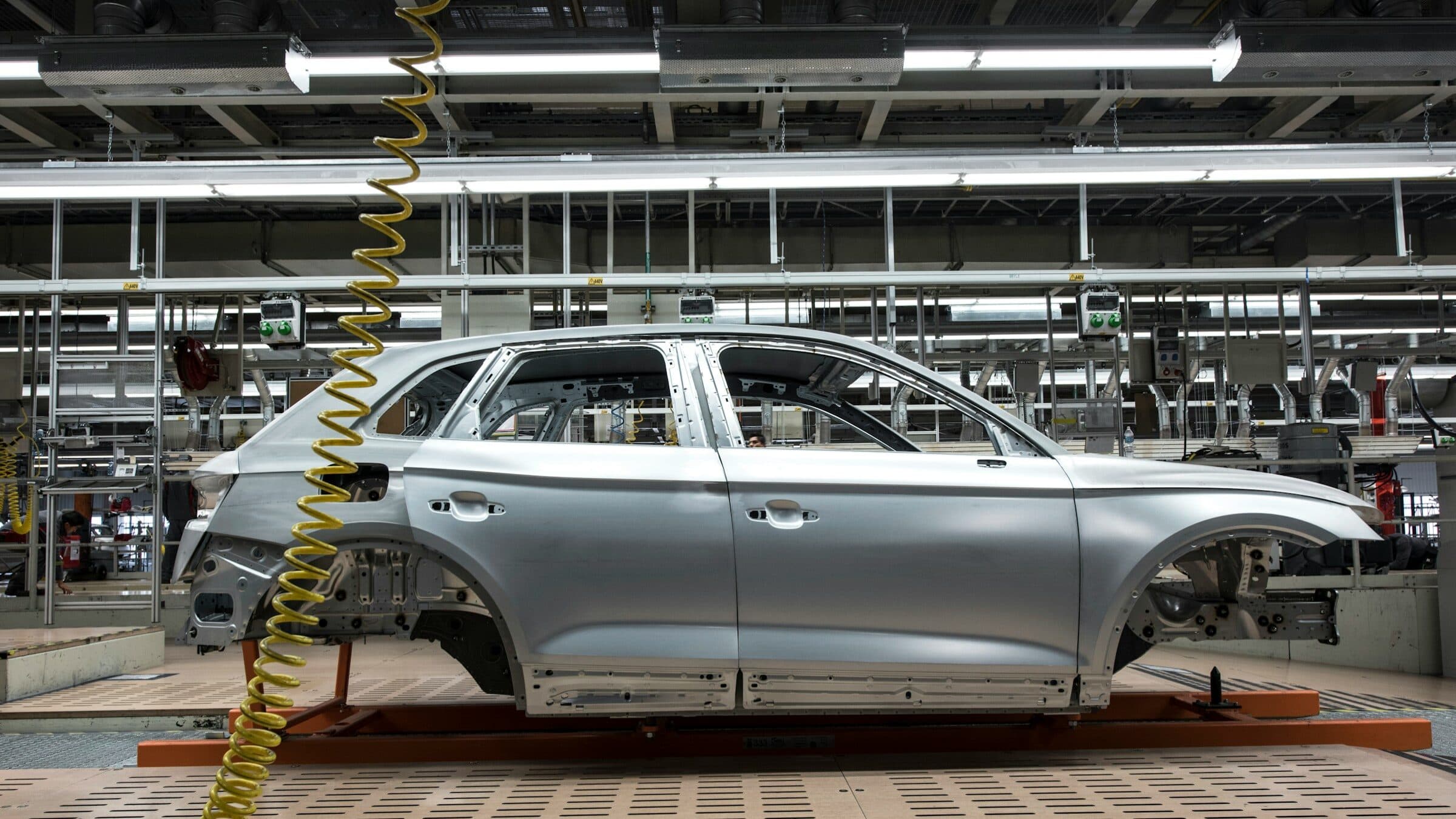
The production of motor vehicles in Portuguese factories fell by 13% in February, year-on-year, to 24,670 units, according to data from the Portuguese Automobile Association (ACAP) released this Wednesday. The second month of the year was marked by storms that caused “very significant damage” to companies in the sector. In cumulative terms, for the first two months of the year...
Luís Miguel Ribeiro, president of the AEP, admits that global economic instability is leading companies to play it safe. He also states that this lack of confidence leads them to prefer short-term credit.
In a scenario where the conflict in Iran continues, car manufacturers could suffer a new blow, warns the Canadian credit rating agency DBRS. The shortage of materials and equipment was identified as the most recurring problem in the automotive industry during the last three quarters of 2025. Discover the featured news in...
Portuguese exports of wood and furniture reached 2.956 billion euros in 2025, representing a 2% decrease compared to the previous year. Despite this overall decline, sales to the US grew by 4.4%. It is fair to say that the trade war did not bring down the sector. In 2025, the industry...
Home News Immigrants in Portugal increase social security contributions Immigrants in Portugal increase social security contributions Immigrants in Portugal accounted for 14% of total social security contributions, amounting to more than €4.
The article reports a 13% decline in vehicle production in Portugal during a month marked by adverse weather conditions, specifically storms. This decrease reflects the impact of external factors on the automotive industry in the country.
Between 2015 and 2025, the number of foreigners in the system increased by 447%, but contributions rose by 763%. The increase occurred mainly in recent years.
Foreign workers now make up 17.6% of Social Security contributors, a significant rise from 4.5% a decade ago. In December 2025, over 840,000 immigrant professionals contributed, reflecting a 5.4-fold increase since December 2015. Total contributions reached over 4.1 billion euros last year, an 8.5-fold increase from 491 million euros a decade earlier. This data, released by the Ministry of Labour, aims to dispel myths about immigrants and their contributions, with Secretary of State Filipa Lima emphasizing the need for transparency in statistics. The dashboard will provide detailed monthly updates on contributions by nationality and age, highlighting a notable increase in contributions from foreign workers, particularly in agriculture, hospitality, administrative services, and construction.
DGERT data show notified collective redundancies rose by about 11% in 2025 to 552 — the highest annual total since 2020 (698). The January–December 2025 figure and monthly patterns indicate a rising trend in collective layoffs, with numbers approaching levels seen during the Covid‑19 pandemic, signalling renewed pressure on the labour market and potential legal and social implications for affected sectors.
Portugal’s unemployment rate has edged down only slowly since 2019, prompting debate over whether it is approaching a near‑floor. The rate’s stabilisation reflects a mix of cyclical recovery and structural constraints — tight labour markets in some sectors, demographic shifts, labour‑market mismatches and cost‑of‑living pressures that can limit further job creation. Further falls are possible but will likely depend on stronger demand, targeted upskilling and reforms that reduce structural unemployment rather than relying on cyclical factors alone.
The Government and UGT-affiliated unions Fesap and STE will sign an agreement raising the State minimum wage (Public Administration Remuneration Base, BRAP) to €1,116.55 in 2029 — effectively €1,117. The deal, due to be signed on Wednesday, formalises a planned uplift for public-sector pay that will interact with cost-of-living pressures and broader labour-market indicators, signalling the state’s approach to wage policy ahead of 2029.
Official data show exports from Portuguese-speaking (Lusophone) countries to China fell 4% in the first 11 months of 2025 compared with the same period in 2024. The decline signals cooling Chinese demand and possible shifts in commodity prices or trade composition that weigh on economies exposed to Chinese markets. Policymakers and exporters will be watching full-year figures and country-level performance for signs of a sustained trend and potential policy or market responses.