Government will not override Civil Protection's 'technical judgement' in response to adverse weather
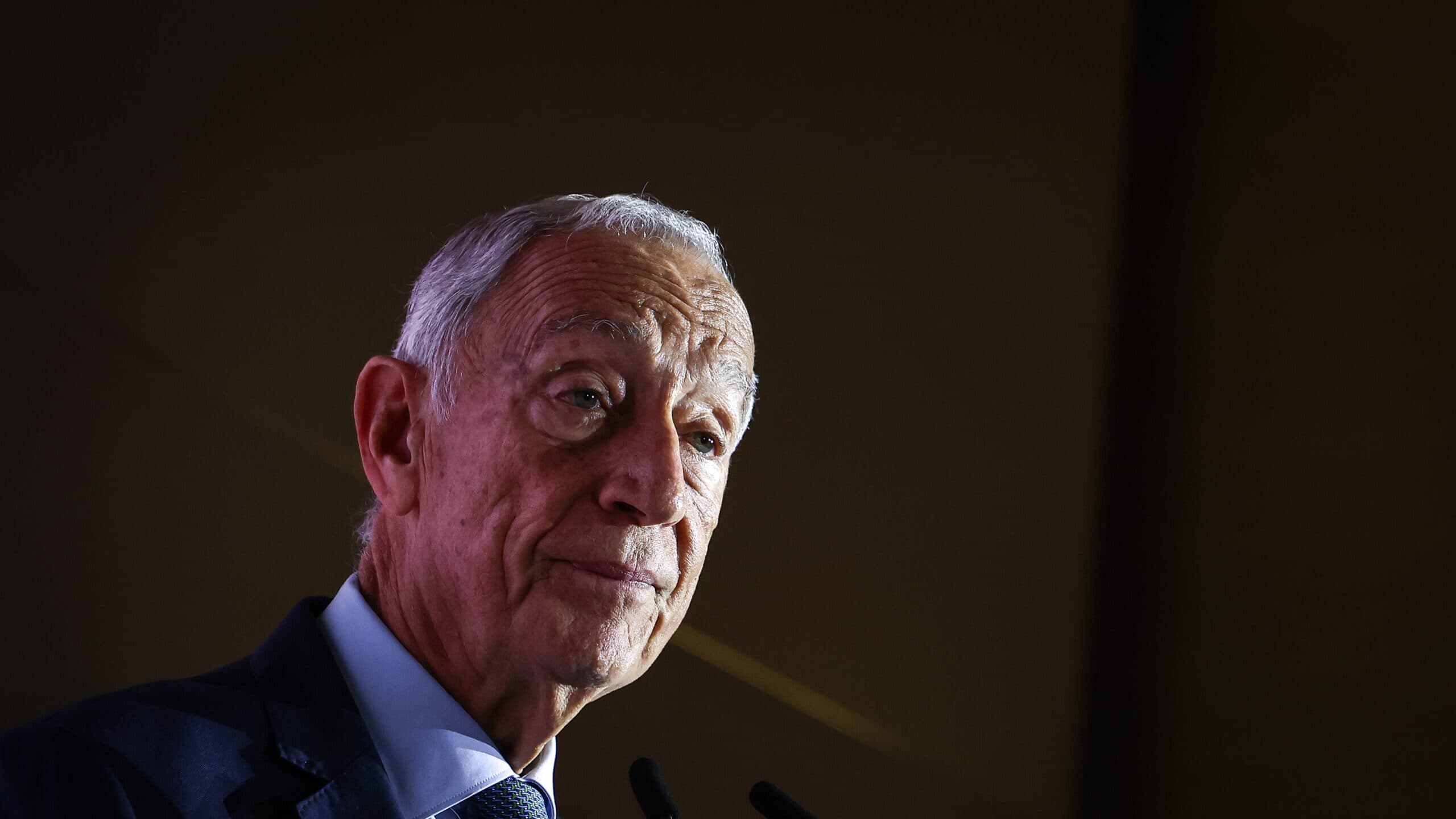
Minister Paulo Rangel said that activation of the European emergency mechanism 'depends on technical rules and on a technical assessment'.

Latest news and stories about civil protection in travel in Portugal for expats and residents.
This page has only 2 stories and is not indexed by search engines.
Minister Paulo Rangel said that activation of the European emergency mechanism 'depends on technical rules and on a technical assessment'.

The Government has extended the state of calamity until 8 February and activated the National Civil Protection Emergency Plan nationwide in anticipation of Storm Kristin and other adverse weather expected in the coming days. The measures are intended to pre-emptively mobilise emergency services, coordinate national and local authorities, protect critical infrastructure and streamline relief efforts. The decision reflects elevated forecast risk and highlights priorities for rapid response: targeted resource deployment, clear public guidance, and post-event assessment of vulnerabilities and policy effectiveness.
The National Civil Protection Emergency Plan was activated today across the country, due to forecasts of a “worsening risk scenario for people and property” in the coming days, following the destruction caused by depression Kristin. Follow updates here.

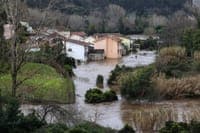
In Amarante, the Tâmega River remains stable, with the level at 2.5 metres, despite the forecasted worsening of rain during the early hours. In statements to CNN Portugal, Civil Protection says that riverside residents and traders have been warned and have already removed belongings from cellars, with constant monitoring continuing.

José Manuel Moura, president of the National Authority for Civil Protection, appeared on Telejornal.

Maria Lúcia Amaral underlined that the bad weather will continue and that there are heightened risks next week across territory already hard-hit. 'The ordeal we have been through is not over.'
The Minister of Internal Administration, Maria Lúcia Amaral, assesses the operations after the passage of Storm Kristin.

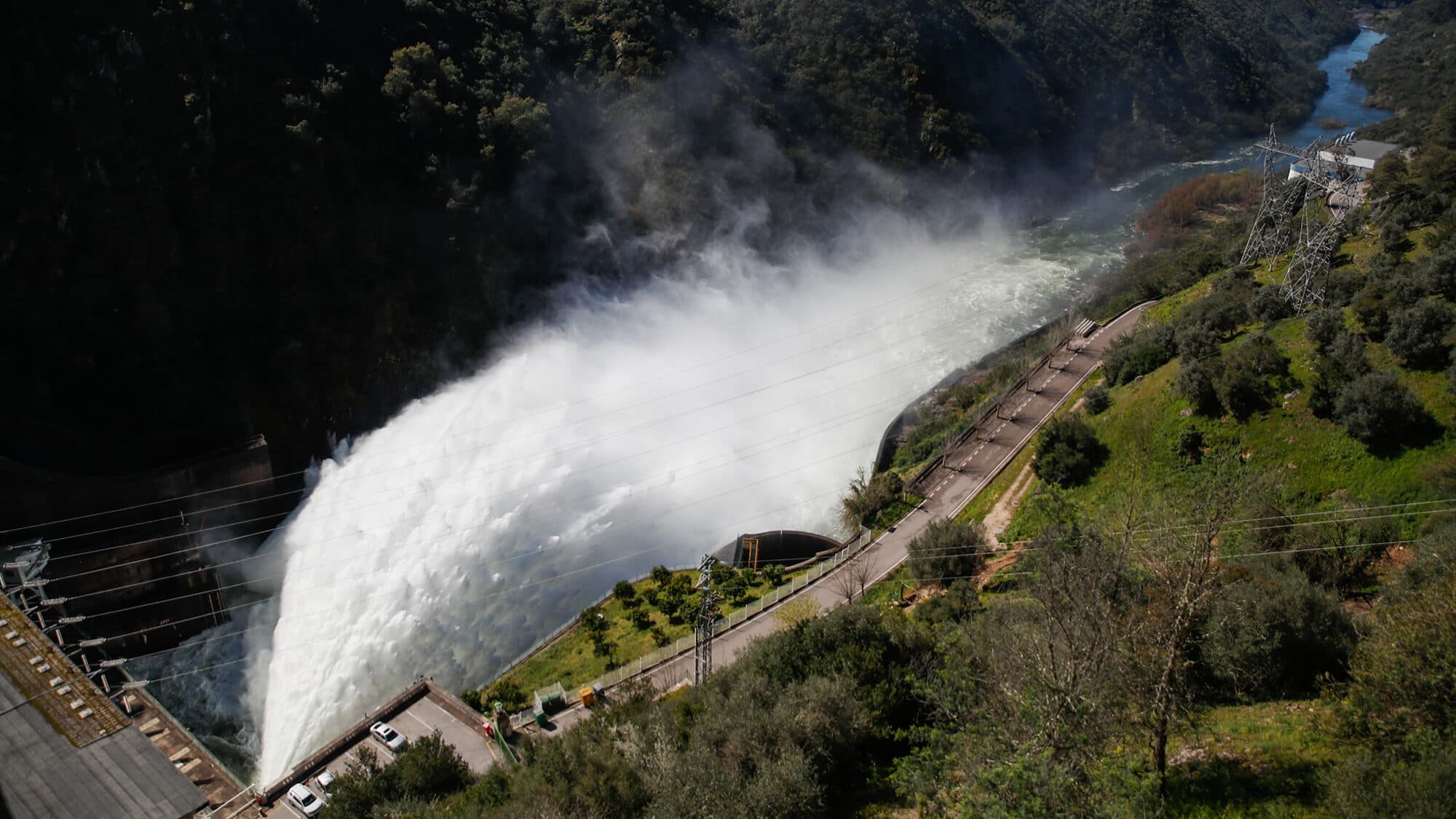
IPMA forecasts heavy rainfall from north to south. Civil Protection warns of rising river flows, particularly in the Mondego, the Tagus and the Sado. Also, Zelensky refuses to meet with Putin.

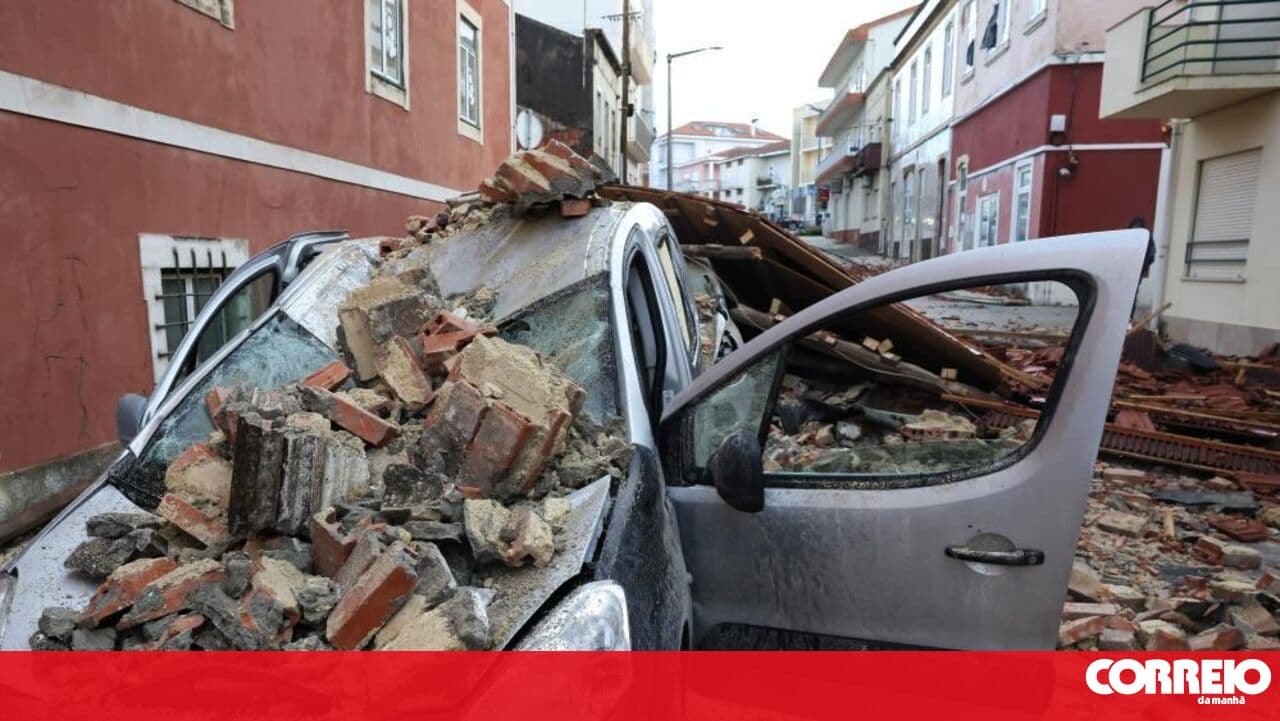
Storm Kristin swept across Portugal, entering near Leiria and causing widespread destruction particularly in the Centre and West. By 22:00 on Wednesday the National Authority for Emergency and Civil Protection had logged around 5,400 incidents; high winds uprooted trees, ripped roofs from buildings and disrupted services. Local authorities and Civil Protection have been responding minute-by-minute to damage and casualties, although casualty figures were reported inconsistently during the day. The situation remains dynamic as emergency teams continue operations and meteorological services monitor the depression’s evolution over the coming hours.
ANEPC also reports one fatality in Vila Franca de Xira, in the Lisbon district, and another in Silves, in the Faro district.

The passage of several meteorological depressions across Portugal has left a wide trail of destruction throughout the country, with particular impact in the central region. To help deal with disaster situations, any EU country can request activation of the European Civil Protection Mechanism.
The President of the Republic visited the headquarters of the National Authority for Emergency and Civil Protection (ANEPC) on Wednesday, accompanied by the Minister of Internal Administration, to be briefed on the situation caused by Storm Kristin. The visit, which had not been previously announced to the media, was disclosed in a note on the official website.

In the statement, the council adds that “all municipal services and civil protection agents are on the ground, ensuring the response to the emergency and the safeguarding of people and property”

The strong winds that blew in the Algarve during the early hours mainly caused trees to fall; so far there are no reports of serious incidents, and an easing of the bad weather is now expected, a Civil Protection source told Lusa.

Fallen trees and collapsed structures are the incidents most frequently recorded by Civil Protection. See on the map the locations of all active incidents.

Civil Protection raised the special state of readiness to the maximum level in response to an 'explosive cyclogenesis'. PÚBLICO compiled some questions (and answers) about this phenomenon.

As of 13:00, Civil Protection has registered over 3,300 occurrences.

Civil Protection is in a special state of readiness at level 4, the highest, along the entire coastline between Viana do Castelo and Setúbal.

The Minister also urged “the public to follow the requests and guidance of the authorities, Civil Protection and the Security Forces, especially with regard to refraining from travelling in affected areas”.

Civil Protection is on special readiness at level 4, the highest, along the entire coastline between Viana do Castelo and Setúbal.

Forecasts indicate worsening weather conditions over the coming hours, particularly overnight. The Torres Vedras region is on alert and some roads have already been closed due to rising water levels.

António José Seguro leads the first tracking poll of the second round, conducted by Pitagórica. Civil Protection is at maximum state of readiness for the coastal area between Viana do Castelo and Setúbal.

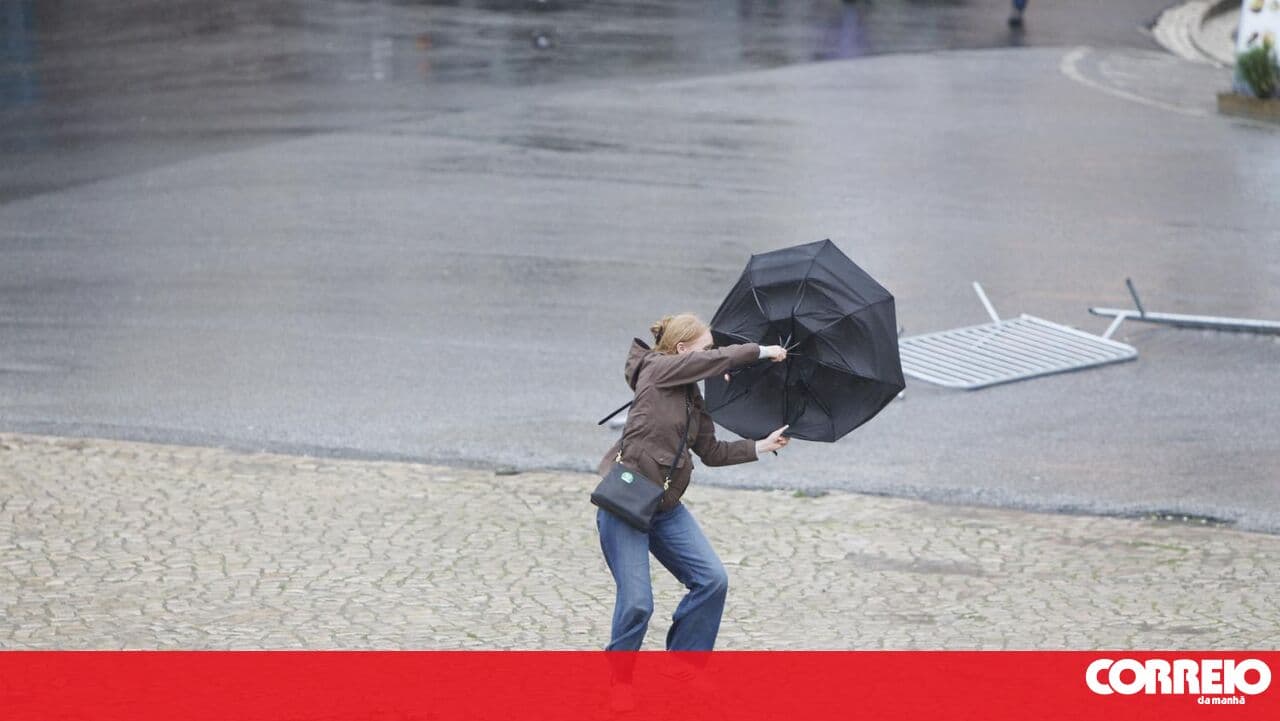
Strong winds, rain, snow and rough seas are expected.

Civil Protection warns of possible urban flooding, flash floods, slope instability and landslides, as well as slippery road surfaces and the formation of sheets of standing water.