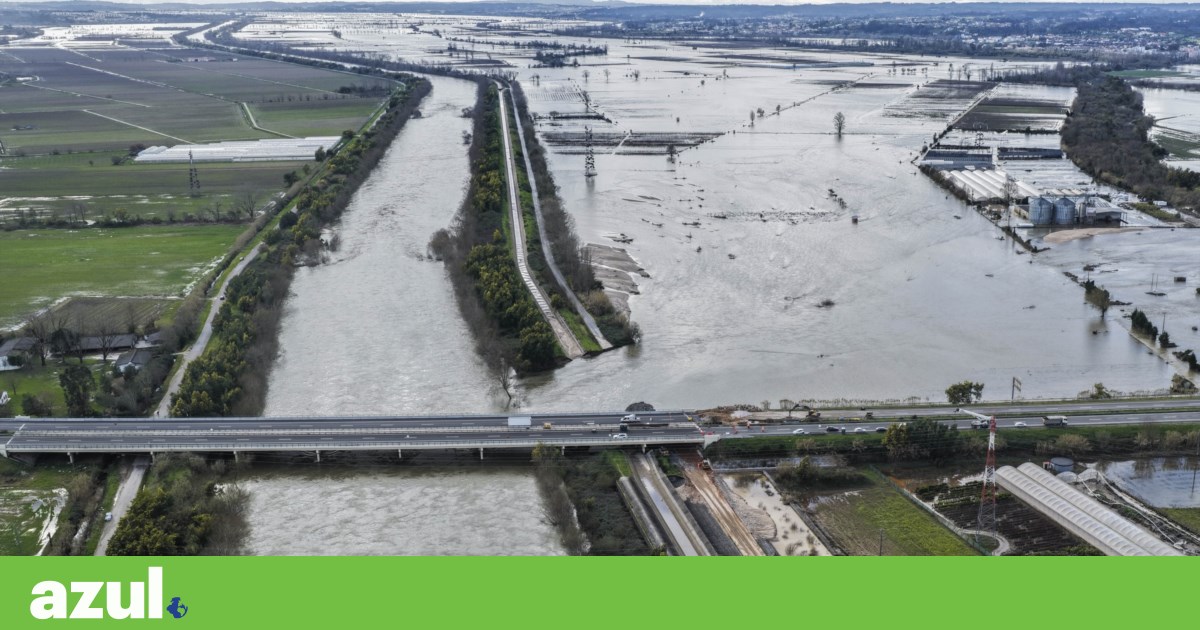
The Government has extended the state of calamity until 8 February and activated the National Civil Protection Emergency Plan nationwide in anticipation of Storm Kristin and other adverse weather expected in the coming days. The measures are intended to pre-emptively mobilise emergency services, coordinate national and local authorities, protect critical infrastructure and streamline relief efforts. The decision reflects elevated forecast risk and highlights priorities for rapid response: targeted resource deployment, clear public guidance, and post-event assessment of vulnerabilities and policy effectiveness.
Response to damage from Storm Kristin and the evolving weather situation
Tuesday, 3 February 2026RSS

Context & Explainers
Civil Protection (Proteção Civil) is Portugal's national system for preventing, preparing for, and responding to disasters and emergencies — from wildfires and floods to earthquakes and storms.
The system is coordinated by the ANEPC (Autoridade Nacional de Emergência e Proteção Civil), which issues warnings, activates response plans, and coordinates firefighters, police, military, and municipal services. During major events, the ANEPC can activate the SIOPS (Sistema Integrado de Operações de Proteção e Socorro), a unified command structure for managing multi-agency responses.
Portugal's Civil Protection framework operates at three levels — national, district, and municipal — each maintaining its own emergency plans. The system has been under ongoing reform, with emergency associations pushing for clearer single-command structures to reduce confusion between responders during major incidents.
During weather emergencies, Proteção Civil issues safety advisories, may close roads and access routes, and coordinates rescue operations. Residents should follow official ANEPC guidance and call 112 for emergencies.
A state of calamity (situação de calamidade) is the highest level of civil emergency Portugal can declare under its Civil Protection framework, short of a constitutional state of emergency. It is typically declared by the government in response to severe natural disasters such as major wildfires, floods, or storms.
A calamity declaration activates the National Civil Protection Emergency Plan, mobilizes additional resources, and grants authorities expanded powers to restrict movement, requisition private property, and deploy military assets. It also unlocks emergency financial support for affected populations and municipalities.
Portugal uses a three-tier alert system: alerta (alert), contingência (contingency), and calamidade (calamity), each with escalating levels of coordination and authority. The state of calamity requires coordination between the national government, ANEPC, local authorities, and emergency services.