AI, an invisible but ever-present desk mate
The integration of AI chatbots in classrooms presents significant uncertainties and a lack of national data, yet the trend appears unstoppable, prompting a critical look at the future of education.
Público

Latest news and stories about higher education in technology in Portugal for expats and residents.
The integration of AI chatbots in classrooms presents significant uncertainties and a lack of national data, yet the trend appears unstoppable, prompting a critical look at the future of education.
Rogério Casanova argues that not all functional academic writing—such as recommendation letters or election manifestos—needs to be crafted by highly skilled humans. He advocates for more explicit manifestos and institutional policies governing the use of AI in universities, allowing routine and low-value writing to be delegated to tools while preserving human oversight where it matters. The column frames such manifestos as pragmatic, ethical guides to protect quality, fairness and accountability in higher education’s adoption of AI.

Ivo Vieira, CEO of Lusospace — Portugal’s first homegrown space company — explains on the podcast 'O Futuro do Futuro' how the country’s Aerospace Engineering courses continue to post record-breaking averages and how that strong educational pipeline is producing talent the national space sector can recruit across roles, not only engineers. He stresses that the quality of graduates makes recruitment easier for emerging Portuguese space firms, signalling a maturing ecosystem linking higher education and industry needs.

NOVA IMS (NOVA School of Information Management) is the information management and data science faculty of NOVA University Lisbon. It specialises in data science, information management and business analytics through taught programmes, applied research and industry partnerships. The school emphasises quantitative methods, practical analytics skills and interdisciplinary approaches to prepare graduates for roles in data-driven organisations and to support research and consulting activity across public and private sectors.

The first partnerships between Portuguese and American universities mark two decades of existence between this year and next. Pedro Oliveira, Dean of Nova SBE, which organises The Lisbon MBA with Católica, and José Manuel Mendonça, who coordinates the mission structure overseeing Portugal's strategic partnerships with MIT...

Technological transformation, the fragility of foundational learning, the changing economic value of certain qualifications, and demographic pressure threaten the role of universities.

It is necessary to ask: for what purpose and whom does Generative Artificial Intelligence serve in the current framework and context of its development? The answer to this question impacts the University. Opinion piece by Mariana Pinto dos Santos

Portuguese and Ukrainian higher education institutions have established a partnership to develop shared academic programmes and a new research facility.


Nova University Lisbon (UNL) and the Macau University of Science and Technology (MUST) intend to launch joint programmes in nanotechnology, scientist Elvira Fortunato told Lusa.

The Chinese university intends to send master's and doctoral students to NOVA University Lisbon starting in the 2027/2028 academic year for 'joint supervision,' according to scientist Elvira Fortunato.
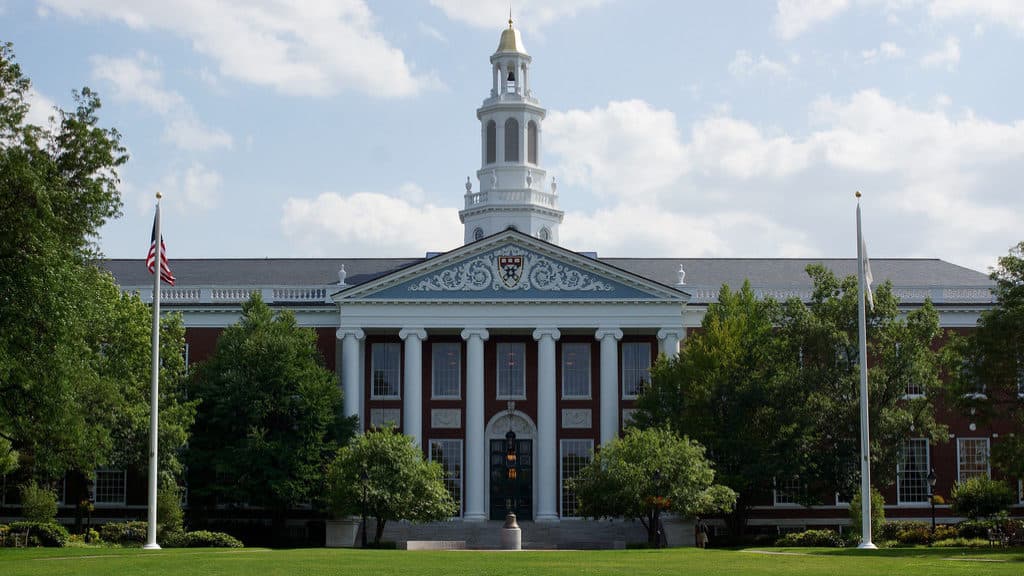
At a time when the Donald Trump administration threatened to halt the issuance of visas to international students, Harvard Business School considered bringing its MBA to Europe and Canada, having held talks with 'potential partners'. According to the Financial Times this Thursday, Portugal's Nova SBE was one of the schools considered.
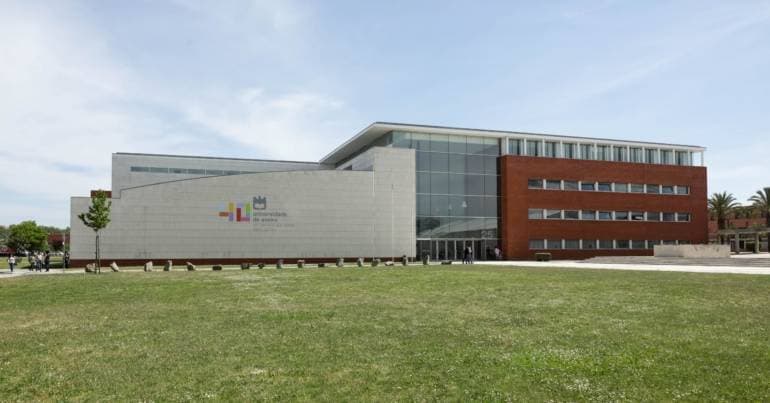
For generations, Coimbra trained engineers who left the city the day they received their diplomas. In September, a bachelor's degree in Aerospace Engineering opens at the University of Coimbra

The institution is investigating the possibility that thousands of candidates used artificial intelligence to complete the test, which was held online for the first time

There is a certain irony in wanting to replace the university with hyper-technical schools precisely when artificial intelligence is making pure technical competence increasingly commoditised.

An uncomfortable question. Are we using artificial intelligence to develop humanity? And another: Are we training humans to stop being human?

The consortium brings together schools from the North, Centre, South, and the islands. It will initially operate in Braga at the University of Minho. They aim to encourage the sharing of best practices and scientific and pedagogical cooperation between schools.

The document guides teachers on when and how to use AI, focusing on real-world skills. More than 120 professors are already part of the community of practice created around the topic.
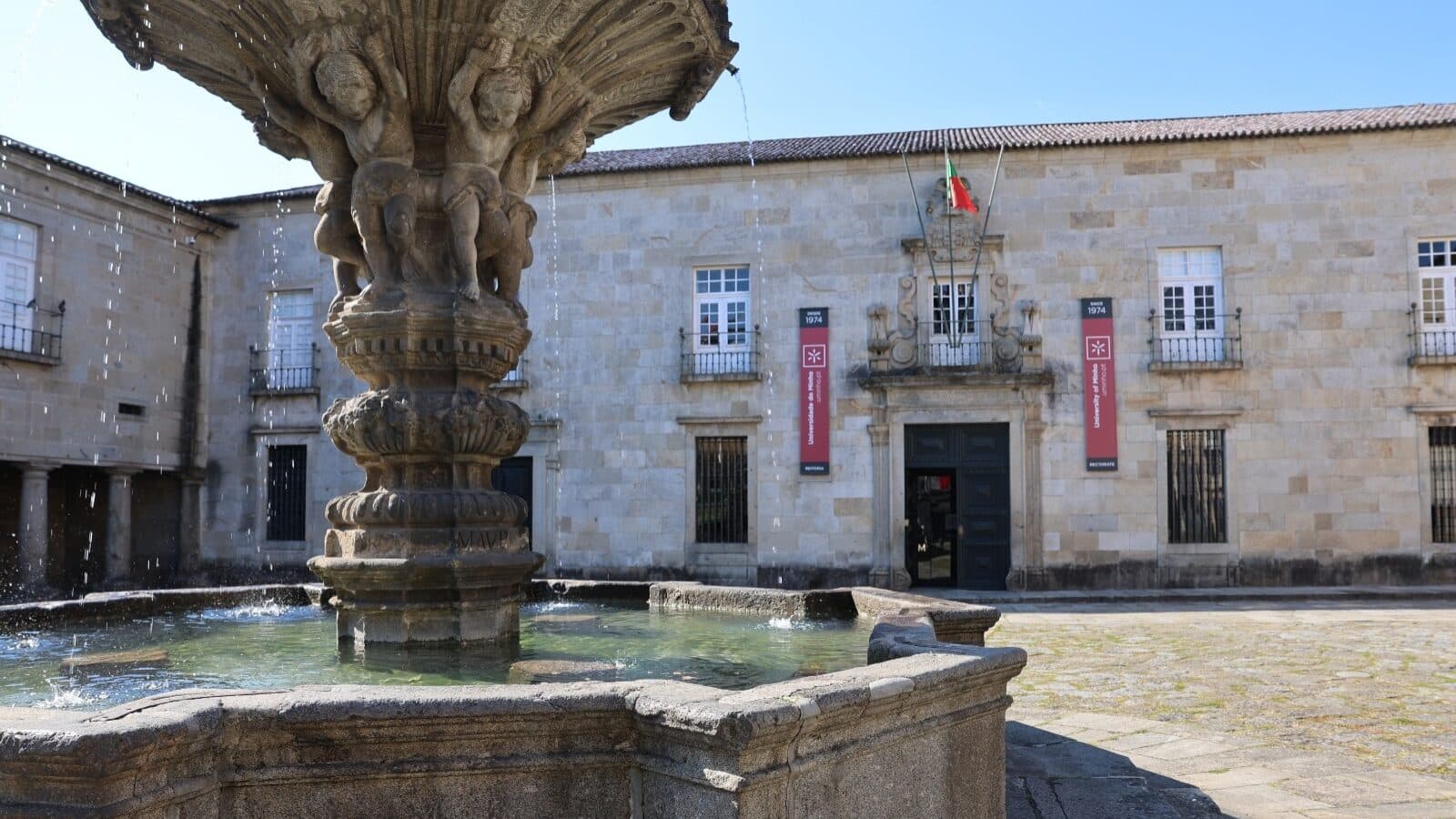
From Minho to the Algarve, passing through the autonomous regions of Madeira and the Azores, 10 Portuguese public universities are taking the first step this Friday in Braga towards the creation of the Consortium of Schools of Science (CEC). This new national network of higher education institutions aims to strengthen cooperation in areas as diverse as training...
New data centres, located at Taguspark and Cidade Universitária, will be part of a project that will create one of the largest digital infrastructures in Portuguese higher education, with a deadline of 2028.

The University of Lisbon (ULisboa) will invest more than 20 million euros in one of the largest digital infrastructures for science and innovation in higher education, through the construction of two new data centres: one at the Instituto Superior Técnico campus in Oeiras, at Taguspark, and another at the Faculty of Sciences campus, in the Cidade Universitária.
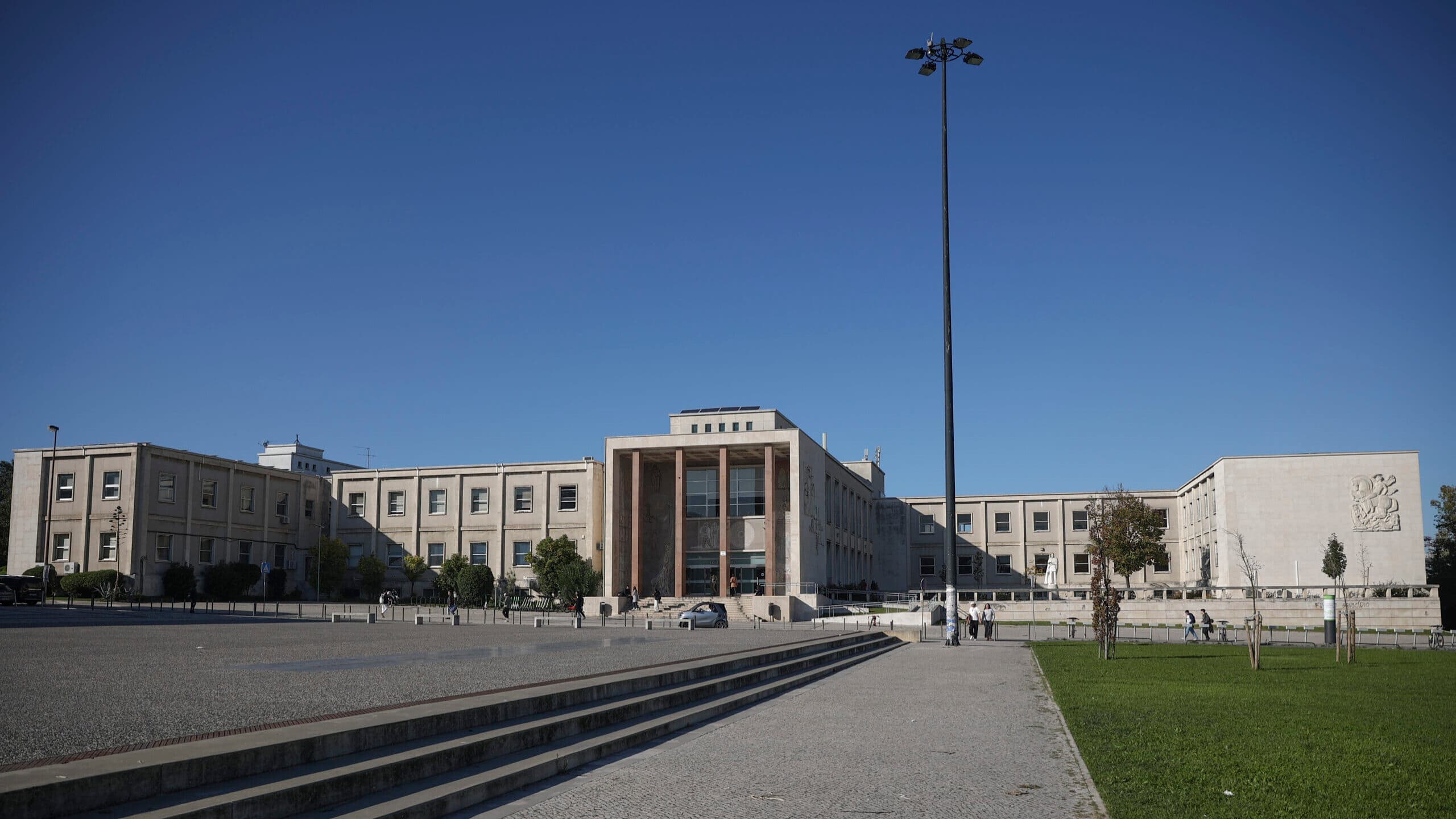
The University of Coimbra (UC) holds the top position for patent filings within the country.
The University of Coimbra is the institution with the highest number of patent filings in Portugal.
Portugal becomes the first nation to implement the Apps for Good initiative within university-level education.

The agreements provide for the mobility of students and researchers, professional training in science and health, research, development, and innovation. The foundation already has an office in Lisbon.
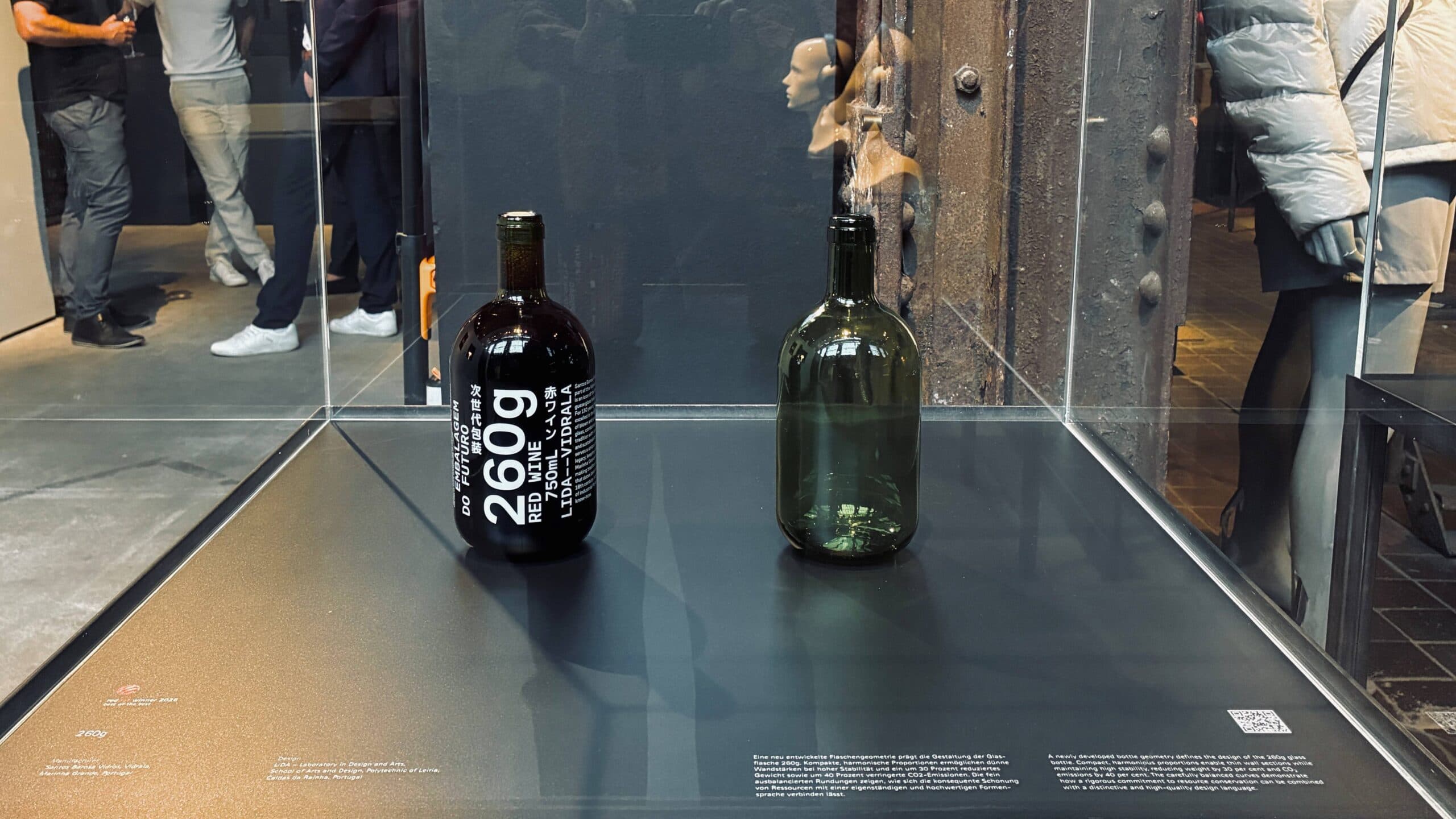
With a 750-millilitre capacity, a weight of 260 grams, 40% lower emissions, and a composition of 80% recycled glass, this is the 'identity card' of Project 260g, a glass bottle distinguished with the sustainable design award at the Red Dot awards. Known to the general public since the Expo Osaka 2025 exhibition...
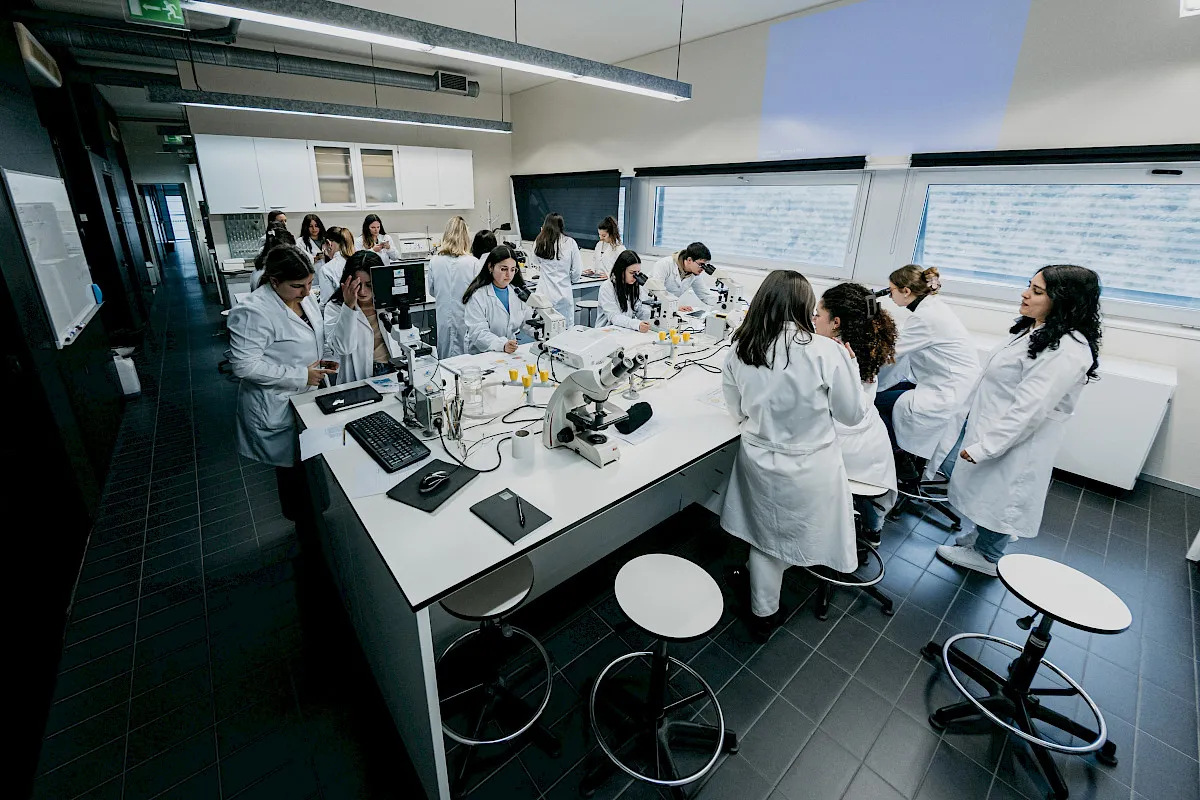
How to teach in an innovative way at universities and polytechnics? This Tuesday, projects developed over the last year and a half by six educational institutions are being presented.
AI is already writing code, fixing errors, and solving parts of projects that previously required trial and error. Computer Engineering students say that autonomy in problem-solving is being lost and that assessment now depends, to some extent, on how much each student can pay for a “chat” to help them with their assignments.