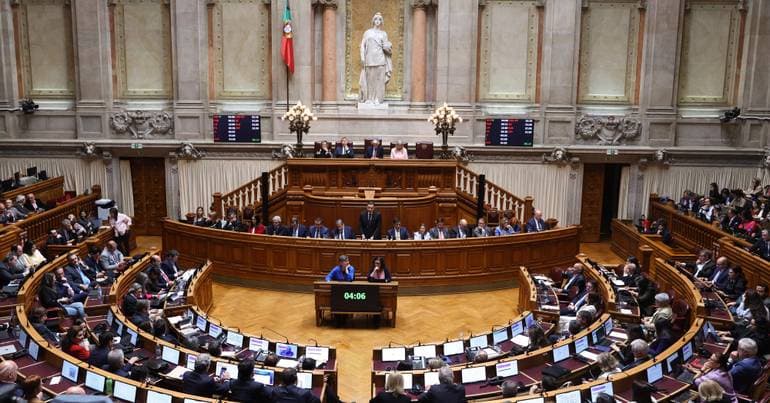
The Socialist Party (Partido Socialista or PS) and the Left Bloc (Bloco de Esquerda or BE) have introduced separate bills to ensure political party donors are publicly identified. This move follows a decision by the Entity for Political Accounts and Financing (Entidade das Contas e Financiamentos Políticos or ECFP) to restrict access to donor identities citing data protection laws. The proposed legislation seeks to classify this information as a matter of public interest.
The Entity for Political Accounts and Financing (Entidade das Contas e Financiamentos Políticos or ECFP) is the regulatory body responsible for overseeing the financial activities of political parties and election campaigns in Portugal. It ensures compliance with transparency laws and monitors the sources of funding for political entities.
The PS, Livre, and the Left Bloc have announced plans to introduce legislation requiring the disclosure of political donors. This move follows a decision by the Entity for Accounts and Political Financing (Entidade das Contas e Financiamentos Políticos or ECFP) to block public access to donor lists, citing data protection concerns. The proposed bills aim to ensure that party and campaign financing remains subject to public and media scrutiny.
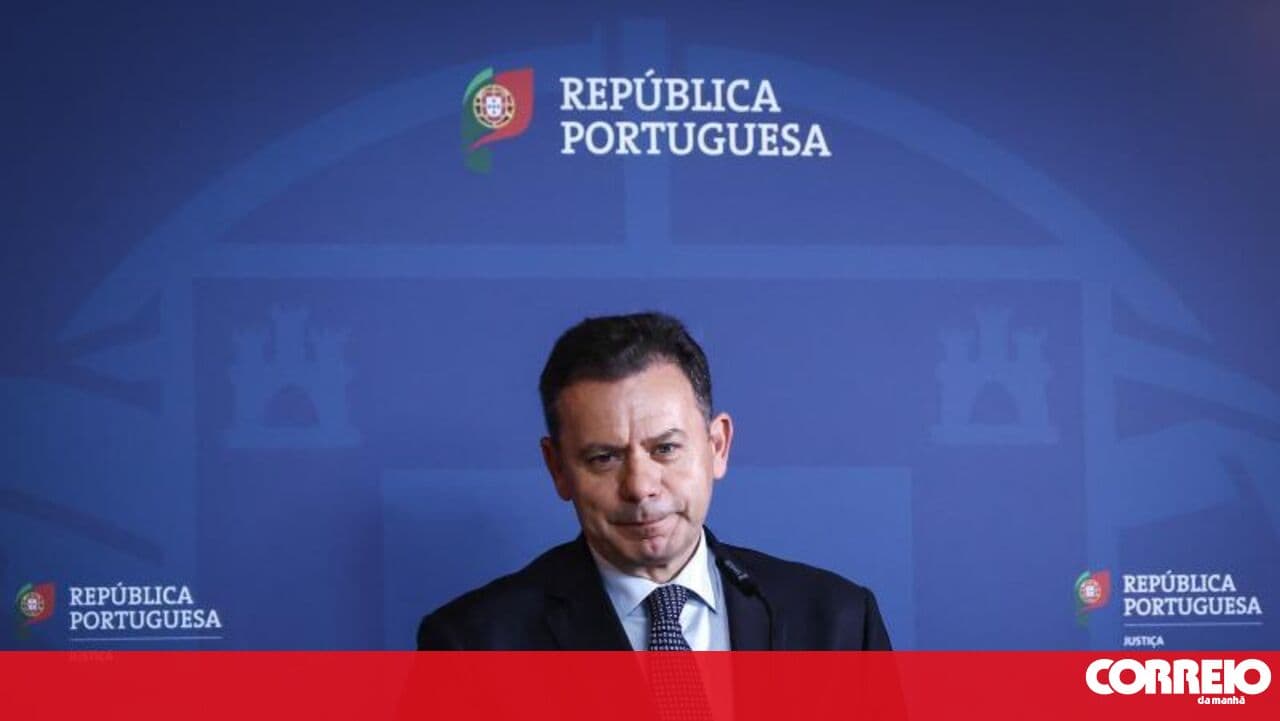
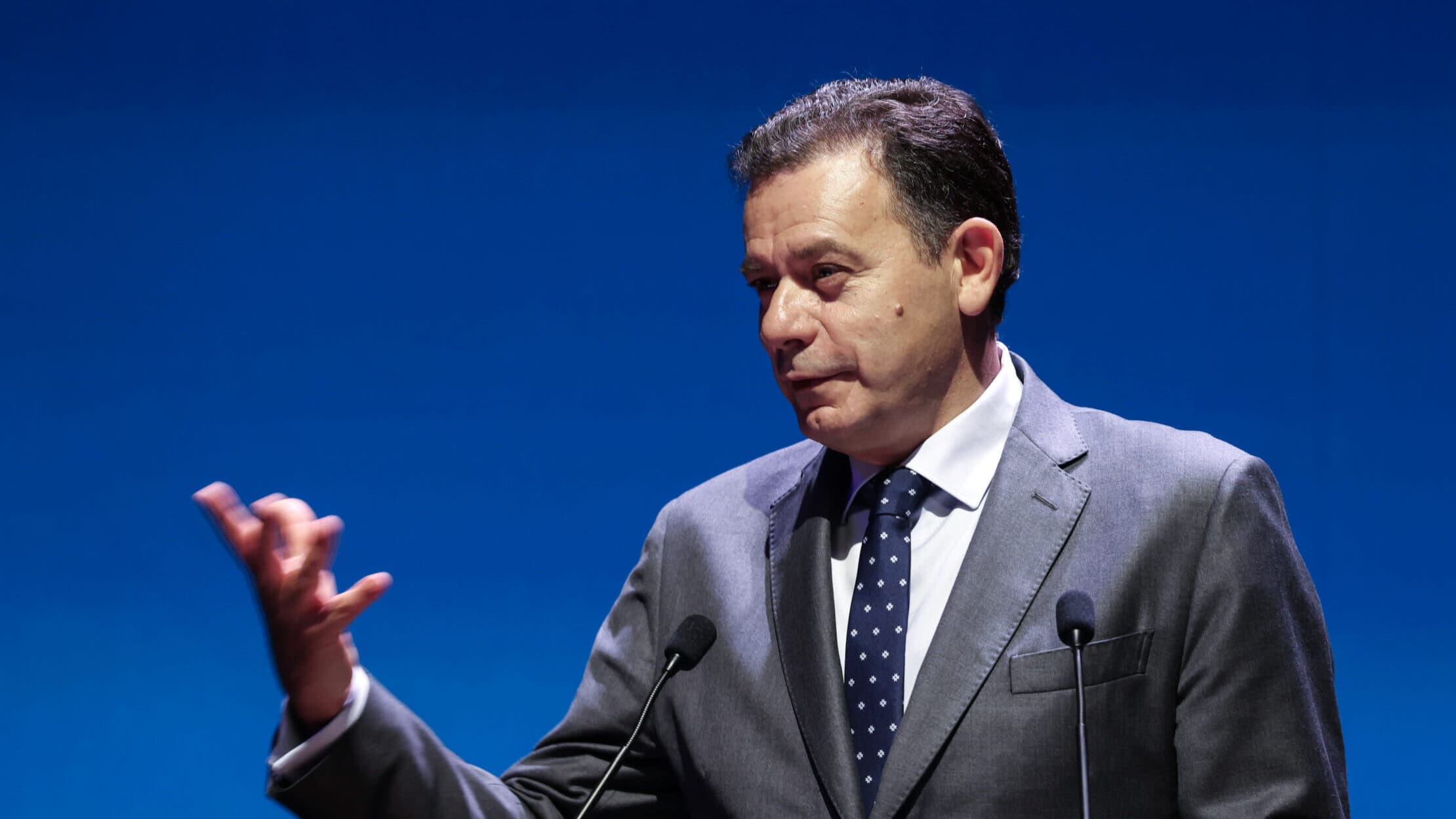
Socialist Party (PS)
Leader: José Luís Carneiro (since June 2025)
Ideology: Center-left, Social democracy, pro-Europeanism
Portugal's other traditional major party suffered a historic collapse in the 2025 election, dropping from 78 to 58 seats and falling to third place for the first time in democratic history. The party was led by Pedro Nuno Santos from January 2024 until his resignation following the May 2025 defeat. José Luís Carneiro, a 53-year-old former Minister of Internal Administration known for his moderate positioning within the party, was elected unopposed as the new Secretary-General with 95% of votes in June 2025. The Socialist Party governed Portugal from 2015 to 2024, including an absolute majority from 2022 to 2024 under António Costa, who resigned in November 2023 amid a corruption investigation. The PS previously led the innovative "Geringonça" (contraption) coalition government from 2015-2019, a minority government supported by the Left Bloc and Portuguese Communist Party that reversed austerity measures and presided over economic recovery.
It was in this way, armed with the clairvoyance that all these high-profile figures have gifted me, that I examined the most recent conflict between the Transparency Entity and the Prime Minister. Opinion piece by Francisco Teixeira da Mota.
Some decisions do not make immediate noise but leave a long-lasting echo on the quality of democracy. Refusing to share information about party funding is one of them. While not a mobilizing topic on the surface, it touches the central nerve of political trust. For parties, the advantages of opacity are clear: less scrutiny allows for greater room to maneuver and reduces the risk of media backlash. However, what protects in the short term weakens in the long term, as democracy relies on trust, and trust requires transparency. When citizens cannot see who funds whom, it creates space for suspicion and the perception of hidden interests, which fuels populism. International best practices suggest active transparency, independent audits, strict donation limits, and a culture of accountability as essential conditions for political legitimacy.
The request from the Left Bloc (BE) was supported by all parties present. At issue is the decision by the Entity for Accounts and Political Financing to stop disclosing the identities of donors.
The Constitutional Affairs Committee unanimously approved today the Left Bloc's (BE) request for urgent parliamentary hearings with the Commission for Access to Administrative Documents (CADA) and the Accounts Entity concerning the identification of political party donors.
It is Portuguese domestic law itself that prohibits the anonymisation of donations to political parties, for reasons fundamentally linked to matters of significant public interest. Opinion by Ana Sirage Coimbra
The proposal provides for the nominative disclosure of donations, but without a tax identification number, address, or any element that allows verifying whether the name corresponds to a real person or a combination of syllables with a bank account.
André Ventura announced a bill that mandates the disclosure of donors to political parties and media outlets, strengthens oversight, and provides for harsher sanctions.
André Ventura announced that the party will present an initiative in Parliament and argues that donors should be identified, while keeping data such as addresses or professional information private.
Chega is set to submit a bill to parliament to clarify rules regarding the disclosure of party donors, proposing a greater balance between transparency and privacy, as well as more resources for oversight. The initiative was announced by the party leader, André Ventura, during a press conference at the party's headquarters in...
“Join the Conversation” is an initiative by Expresso, as part of the Expresso Club, where newspaper subscribers can talk to us about current affairs. The next conversation is this Wednesday, April 29th, at 2:00 PM. See you there.
The PSD admits, however, to reviewing access to politicians' income declarations. Furthermore, a former TAP administrator does not take for granted the impact of the war on the company's purchase value.
In his first speech as head of state on the date marking the Carnation Revolution, António José Seguro left direct messages for the Government and warned of the danger of the disappearance of freedom.
The President of the Assembly of the Republic delivered a highly critical speech regarding the barriers imposed on politics by politicians themselves and the measures taken to increase the transparency of political life, specifically the regime of incompatibilities.
In his first 25th of April solemn session as President of the Republic, António José Seguro dedicated his speech to the younger generation whose “future has been mortgaged”. Marking a difference from his two predecessors, Seguro wore a red carnation on his lapel.
António José Seguro requests that the origin of donations to political parties be made known. Additionally, the President of the Assembly of the Republic also gave a speech during the 25th of April solemn session.
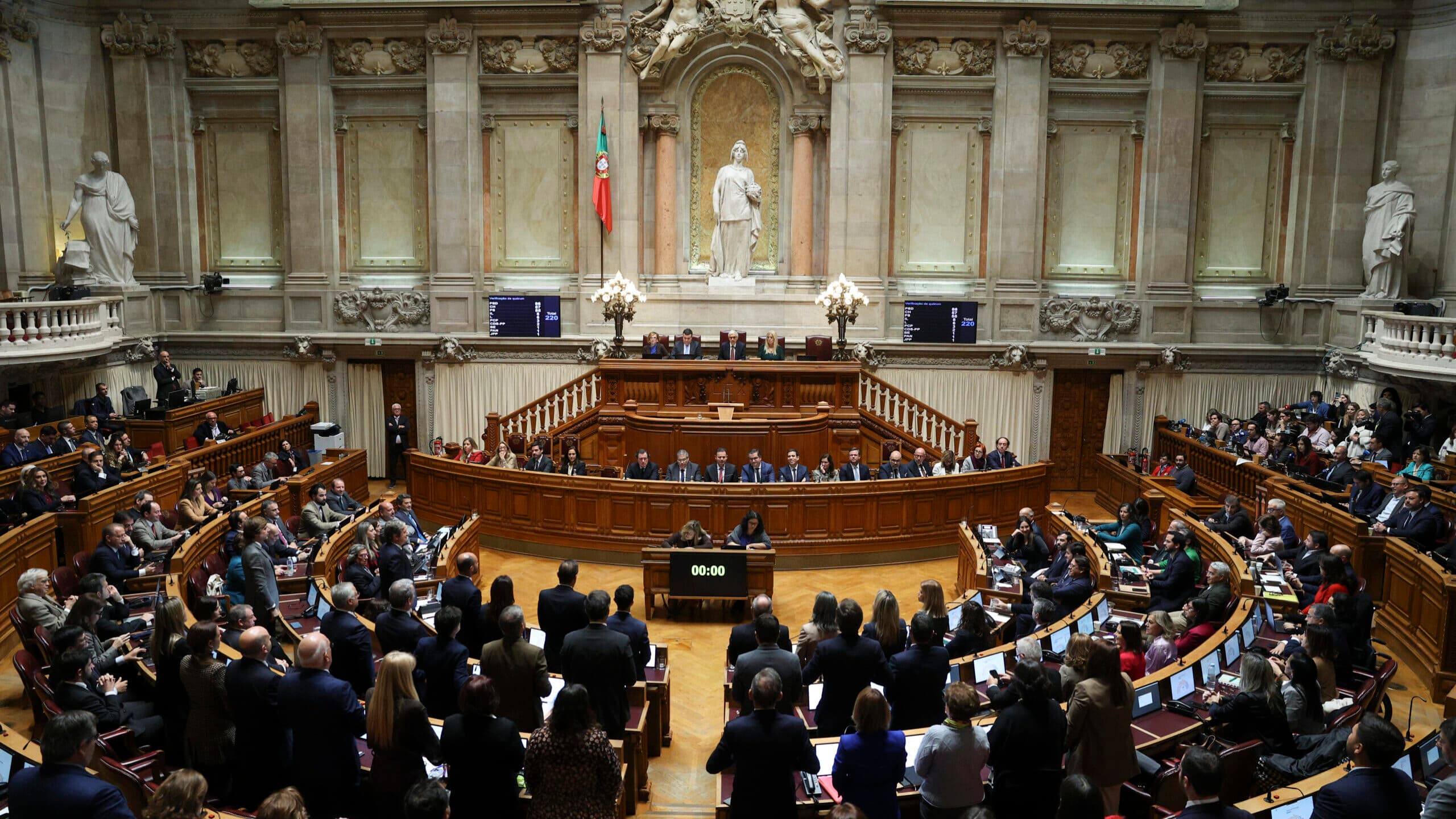
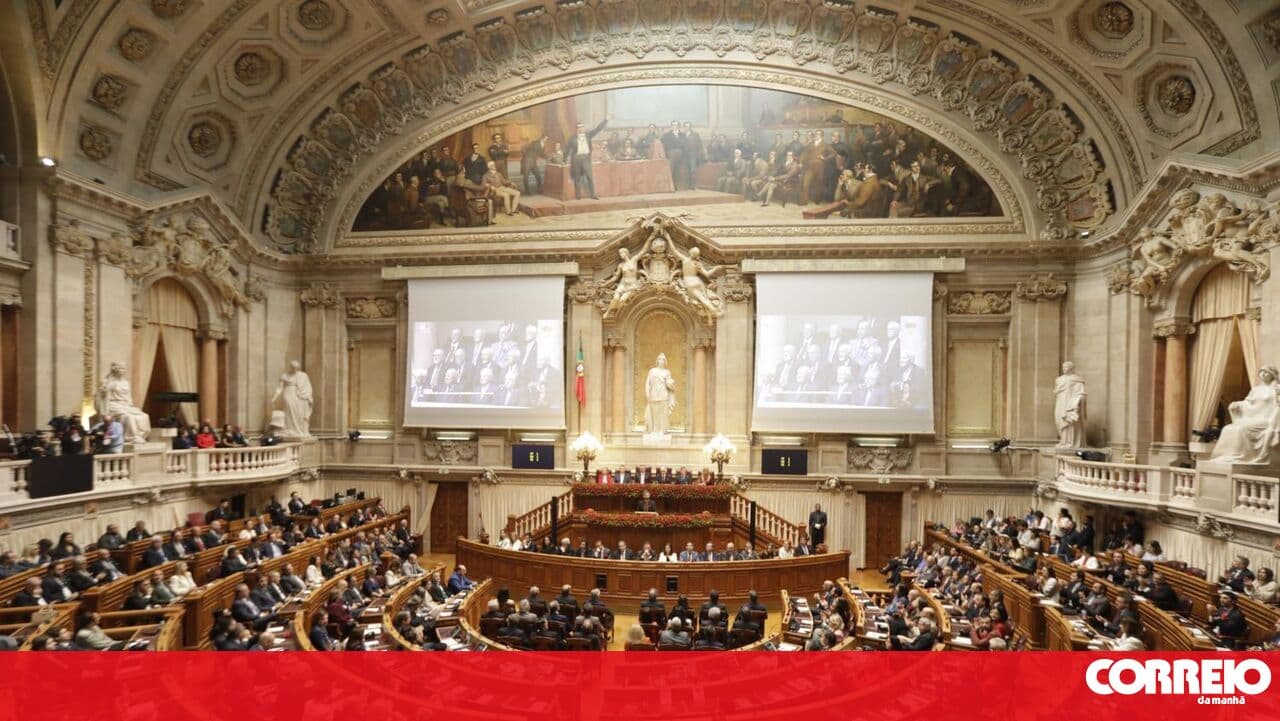
The defense of transparency in political party donations made by the President of the Republic, António José Seguro, which even earned praise from his second-round opponent, André Ventura, was one of the highlights of a solemn session commemorating the 25th of April, which was much more peaceful than the 50th anniversary of the Portuguese Constitution. Seguro's speech was praised by Ventura, while the Left took the opportunity to criticise the labour package. In his first 25th of April solemn session as President, Seguro also addressed young people born long after the fall of the dictatorship, admitting that they cannot be asked to 'love by decree' the historical date, and instead enumerated the practical consequences of the end of the dictatorship on their lives. He also warned against the risk of 'losing democracy in silence'. The President of the Assembly of the Republic, José Pedro Aguiar-Branco, stated that 'populist remedies close politics off even further', lamenting that the presumption of guilt and widespread distrust of politicians have made it harder to attract the best people. 'We have often turned politics into a reality show,' he lamented, remarks that displeased Socialist MP Pedro Delgado Alves, who stood up and left the chamber during his speech. Another speech that marked the session, though it did not cause turmoil or walkouts, was that of André Ventura. The leader of Chega, who took the podium wearing a green carnation to symbolise Portuguese people forced to emigrate, railed against praise for guerrilla fighters from liberation movements 'who killed Portuguese soldiers', and argued that the 25th of April 'is not the day of the captains of April', but rather 'the day of the captains of January, February, and March'. Mariana Leitão (Liberal Initiative) and João Almeida (CDS-PP) also spoke against the 'owners of April', while the PSD parliamentary leader praised the 'full democrat' who 'fights radicalism but accepts the people's verdict', identifying with the moderation previously outlined by the 'centre bloc' presented by the Prime Minister. In a session with fewer direct references to the Labour Package than expected, PS Secretary-General José Luís Carneiro denounced the 'persisting inequalities', Livre spokesperson Rui Tavares launched a petition for the Government to advance the 25th of April Interpretive Centre at Terreiro do Paço, Communist Alfredo Maia mentioned the 'path of regression' of 'right-wing policies', and Fabian Figueiredo (Left Bloc) attacked those who try to 'hijack freedom'. Among the single-member parties, Inês de Sousa Real (PAN) called for a future 25th of April 'with fewer insults and more dialogue', and Filipe Sousa (Juntos pelo Povo) defended the 'construction of a Portugal from Madeira to the Azores, from Minho to the Algarve, and not just of the big cities'. From the 'fear of questioning official truths' to 'nostalgics of the dictatorship' - small parties expose their differences. Chega brought green carnations. April 'is not for green carnations or red carnations', but for Portugal, says PSD.
Socialists propose amending the party financing law to classify donor identities as being of public interest, countering an opinion that had previously concealed this data.
The Socialist Party (PS) has proposed that the origin of donations to political parties and election campaigns be legally classified as a matter of public interest to ensure public access to donor identities. This initiative follows a decision by the Entity for Political Accounts and Financing (ECFP) to stop disclosing donor identities, citing a legal opinion from the Commission for Access to Administrative Documents (CADA) regarding data protection. The PS argues that transparency in political funding is essential to prevent capture by economic interests and that the General Data Protection Regulation (GDPR) allows for the disclosure of personal information when a significant public interest is at stake. The proposal aims to amend the law to ensure that donor identities are public, while still protecting sensitive personal data such as tax identification numbers and bank details. Other political parties, including the PSD and Chega, have expressed openness to legislative changes to ensure transparency.
The president of the IL supports the proposals from the PS and Livre to disclose party donors, but stresses that the law already mandates such scrutiny — and accuses the Government of negligence regarding structural reforms.
The president of the IL stated today that the party will be available to support all proposals that seek to ensure transparency in party financing, but considered that this is an issue already provided for by law.
The president of the Liberal Initiative (IL) stated this Tuesday, April 21, that the party is open to supporting proposals aimed at ensuring transparency in political party funding, while noting that this is already covered by existing law. Mariana Leitão, speaking to journalists during a visit to the Lisbon Region Supply Market (MARL), addressed the decision by the Entity for Political Accounts and Financing (ECFP) to withhold the identities of party donors, emphasizing that the party supports what is already mandated by law. Regarding new proposals from the PS and Livre parties, Leitão stated that while the details are not yet known, the Liberals will support any measures that ensure the transparency already required by law for many years. The ECFP recently stopped disclosing donor identities following an opinion from the Commission for Access to Administrative Documents (CADA), citing a conflict between personal data protection and the principle of transparency, and suggesting that the current legal framework requires legislative intervention.