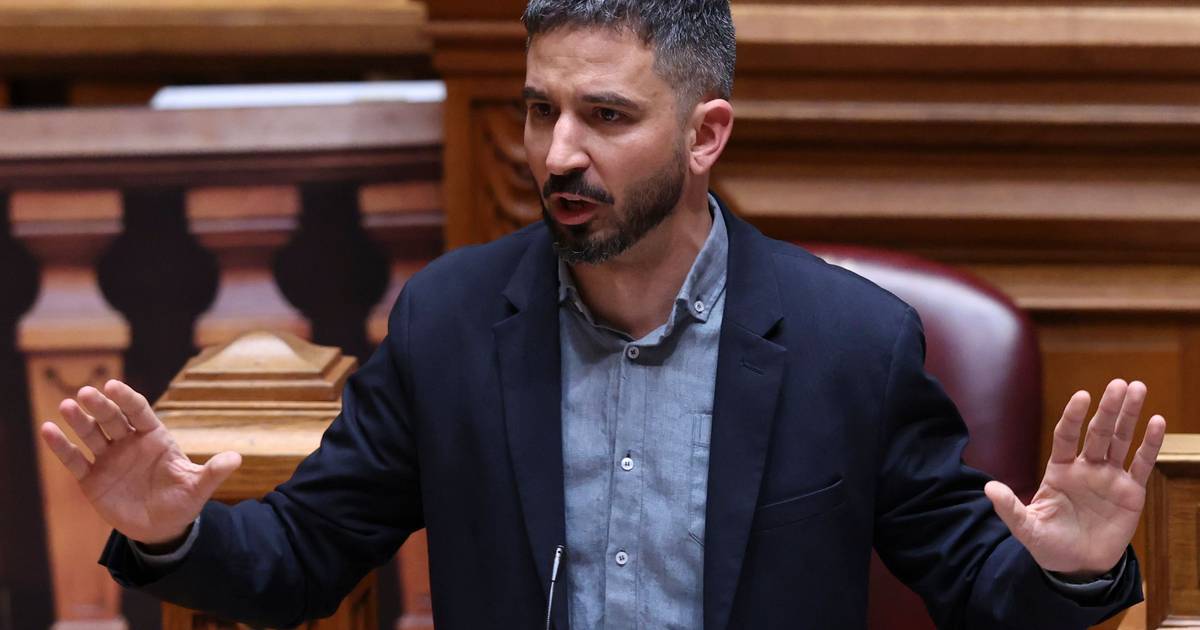
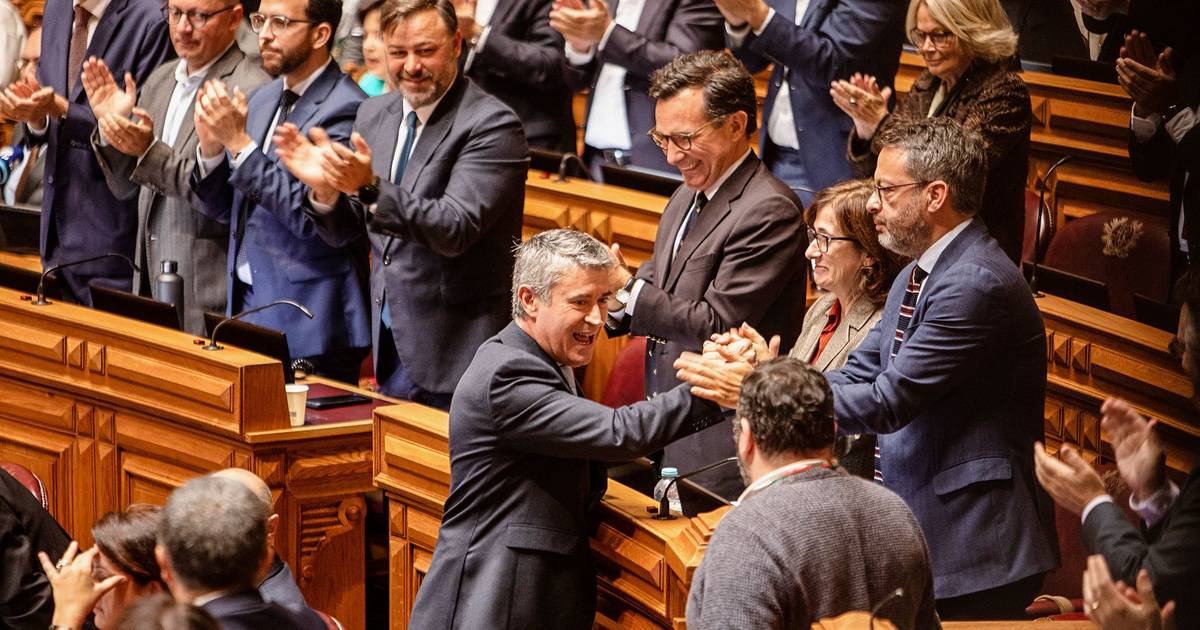
Some decisions do not make immediate noise but leave a long-lasting echo on the quality of democracy. Refusing to share information about party funding is one of them. While not a mobilizing topic on the surface, it touches the central nerve of political trust. For parties, the advantages of opacity are clear: less scrutiny allows for greater room to maneuver and reduces the risk of media backlash. However, what protects in the short term weakens in the long term, as democracy relies on trust, and trust requires transparency. When citizens cannot see who funds whom, it creates space for suspicion and the perception of hidden interests, which fuels populism. International best practices suggest active transparency, independent audits, strict donation limits, and a culture of accountability as essential conditions for political legitimacy.
I want to know who funds politics, and you?
Thursday, 30 April 2026RSS