

Sebastião Bugalho, Carlos Moedas and Pedro Duarte are the new vice-presidents
Hugo Soares will continue as secretary-general of the PSD and Bugalho will also be the party's spokesperson

Latest news and stories about political appointments in Portugal for expats and residents.
Hugo Soares will continue as secretary-general of the PSD and Bugalho will also be the party's spokesperson
The Social Democratic Party (Partido Social Democrata or PSD), the Socialist Party (Partido Socialista or PS), and Chega have submitted a joint list of four candidates to fill vacancies at the Constitutional Court (Tribunal Constitucional or TC). The election is scheduled for June 12 and requires a two-thirds majority in Parliament to pass.

The Democratic Alliance (Aliança Democrática, AD) is a center-right coalition primarily composed of the Social Democratic Party (PSD) with 89 seats and the CDS–People's Party (CDS-PP) with 2 seats. Together, they form the current minority government under Prime Minister Luís Montenegro.
The PSD, despite its name, occupies the center-right of Portugal's political spectrum and has been one of Portugal's two dominant parties since 1974, having formed nine governments including four with absolute majorities. The CDS-PP is a smaller Christian democratic party that has historically been the PSD's coalition partner.
The AD coalition governs without a parliamentary majority, requiring case-by-case support from opposition parties to pass legislation. The coalition has imposed a cordon sanitaire against Chega, refusing formal cooperation with the far-right despite its parliamentary strength, which means it must negotiate with the PS or smaller parties to advance its legislative agenda.
Health cards are private membership or discount schemes sold by companies that offer access to consultations, tests or reduced fees at private clinics; they are not the public health service. The Socialist Party (Partido Socialista or PS) has proposed regulation to increase transparency and protect consumers from misleading marketing or unexpected charges.

André Ventura, born January 15, 1983, is a lawyer, academic, and Portugal's most prominent far-right leader. He founded Chega ("Enough") in 2019 after his PSD mayoral campaign attacked the Romani community. Chega surged from 1.3% in 2019 to 22.8% in May 2025, becoming parliament's second-largest party and making Ventura Leader of the Opposition.
His platform emphasizes immigration restrictions, law-and-order policies, constitutional reform, and contains inflammatory anti-Romani rhetoric that has triggered multiple discrimination convictions and investigations. Politically classified as far-right by international media, Ventura cultivates alliances with European far-right figures including Marine Le Pen and Santiago Abascal.
The Constitutional Court (Tribunal Constitucional) is Portugal's highest court for constitutional review. Its primary role is to assess whether laws, decrees, and government actions comply with the Portuguese Constitution, and it has the power to strike down or suspend unconstitutional measures.
The court consists of 13 judges — 10 appointed by the Assembly of the Republic and 3 co-opted by the other judges. It also oversees the legality of political parties and their finances, verifies election results, and rules on the constitutionality of referendums.
The Constitutional Court is frequently in the news when opposition parties, the President, or the Ombudsman refer controversial legislation for review — such as labor reforms, housing laws, or immigration policy changes. Its rulings are final and binding.
The Social Democratic Party (Partido Social Democrata or PSD), the Socialist Party (Partido Socialista or PS), and the Chega party have reached a three-way understanding to elect four new judges to the Constitutional Court (Tribunal Constitucional). While the agreement aims to resolve a long-standing impasse, the move has drawn criticism from the Left Bloc (Bloco de Esquerda or BE), which opposes the inclusion of Chega in the selection process.
Update: Parties agree to delay Constitutional Court election until May
The major political parties have officially postponed the election of new judges until May. This delay allows the parties to address four vacancies simultaneously, with the PSD set to nominate two candidates, while the PS and Chega will each select one.

The Social Democratic Party ('Partido Social Democrata' or 'PSD') is a liberal-conservative political party in Portugal that is the leading partner of the The Democratic Alliance (AD) which is the country's ruling party, with Prime Minister Luís Montenegro.
The Social Democratic Party, despite its name, occupies the centre-right of Portugal's political spectrum. Luís Montenegro, who became Prime Minister in April 2024, leads Portugal's current minority government. The PSD has been one of Portugal's two dominant parties since 1974, having formed nine governments including four with absolute majorities. Montenegro, a former party leader from 1996-1999, was elected with the highest approval rating among party leaders at 10.7 points out of 20.
The Democratic Alliance is a centre-right coalition that includes the smaller CDS – People's Party, a Christian democratic party that has historically been the PSD's coalition partner. Together, they govern without a parliamentary majority, requiring case-by-case support from opposition parties to pass legislation.

Socialist Party (PS)
Portugal's other traditional major party suffered a historic collapse in the 2025 election, dropping from 78 to 58 seats and falling to third place for the first time in democratic history. The party was led by Pedro Nuno Santos from January 2024 until his resignation following the May 2025 defeat. José Luís Carneiro, a 53-year-old former Minister of Internal Administration known for his moderate positioning within the party, was elected unopposed as the new Secretary-General with 95% of votes in June 2025. The Socialist Party governed Portugal from 2015 to 2024, including an absolute majority from 2022 to 2024 under António Costa, who resigned in November 2023 amid a corruption investigation. The PS previously led the innovative "Geringonça" (contraption) coalition government from 2015-2019, a minority government supported by the Left Bloc and Portuguese Communist Party that reversed austerity measures and presided over economic recovery.

Chega ("Enough") is a Portuguese far-right populist party founded in 2019 by André Ventura. It positions itself as an anti-establishment movement against what it calls a "rotten and corrupt system" of PS-PSD dominance. The party surged from 1.3% in 2019 to 22.8% in May 2025, becoming parliament's second-largest force with 60 seats. Chega's core platform emphasizes strict immigration control—ending automatic CPLP residency, deporting non-independent immigrants, implementing job-market quotas, and requiring five-year social security contributions before benefit access. It advocates radical constitutional reform, including reducing parliament to 100 members, abolishing the prime minister position for a presidential system, and dismantling public healthcare. Law-and-order policies include life imprisonment and chemical castration proposals.
The party is defined by inflammatory anti-Romani rhetoric, with Ventura convicted multiple times for discrimination. Chega maintains international alignments with European far-right figures including Marine Le Pen, Santiago Abascal, and Matteo Salvini. Mainstream Portuguese parties, including Prime Minister Luís Montenegro's government, have imposed a cordon sanitaire, refusing coalition with Chega despite its parliamentary strength.
Rui Fernando da Silva Rio (born 1957) is a Portuguese politician and tax consultant known for his moderate, fiscally disciplined approach to center-right politics. As mayor of Porto for over a decade, he was credited with stabilizing the city's finances and overseeing urban regeneration.
He led the PSD from 2018 to 2022, adopting a conciliatory tone that contrasted with the more combative style of other PSD leaders. He lost the 2022 legislative election to the PS's António Costa (who won an absolute majority) and was succeeded as PSD leader by Luís Montenegro. He remains an influential voice in PSD internal debates and is occasionally cited in commentary on the party's direction.
The Socialist Party has re-nominated deputies Filipe Neto Brandão and Francisco César for positions on the Superior Intelligence Council and the Superior Council of National Defence.
A very important decision that the Prime Minister already has on his desk. The choice he makes will decisively mark the course of Portugal's internal security.
The Civil House team of the Presidency of the Republic is predominantly composed of university professors. There are centre-right figures, some even linked to Pedro Passos Coelho.

The President of the United States issues new threats to the authorities in Tehran. Also in this news bulletin, the communist leader's statements regarding the defeat of the labour package.

MEP Sebastião Bugalho and the mayors of Lisbon and Porto, Carlos Moedas and Pedro Duarte, will be vice-presidents of the PSD, announced Luís Montenegro at the 43rd PSD Congress, which is meeting until Sunday at the Sangalhos Velodrome in Anadia (Aveiro). Hugo Soares will continue as secretary-general of the PSD and Sebastião Bugalho will be...
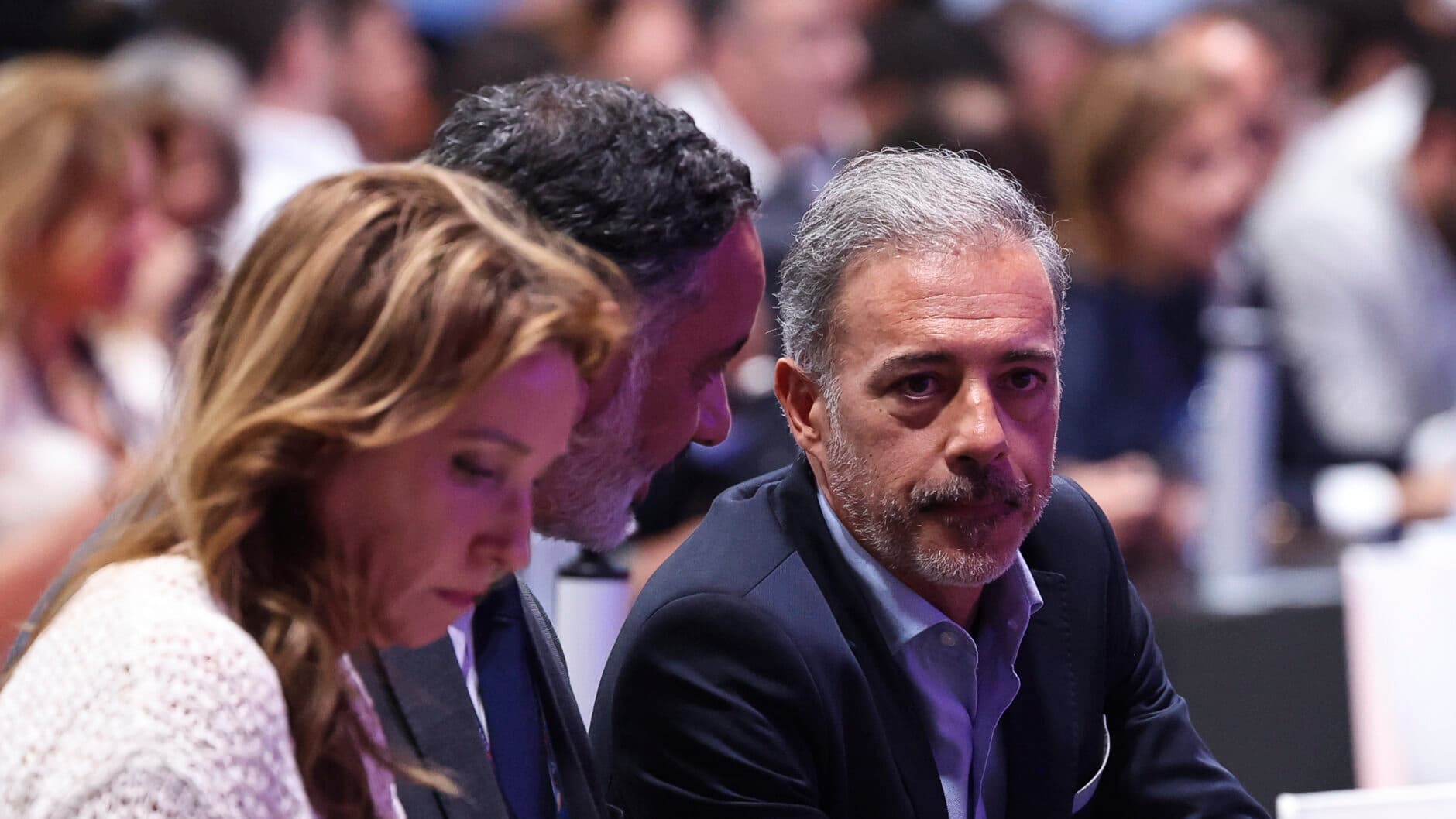
Montenegro announced the name of Sebastião Bugalho as a potential vice-president and spokesperson for the party. Also in this news bulletin, statements from the Minister of Health at the Congress.
The PSD parliamentary leader stated today that if the PS repeats the nomination of Luísa Neto for Ombudsman, they will support the choice and “will put all their effort into her election”.

The president of the National Institute of Administration was the name presented by the PS and accepted by the PSD to be put to a vote in Parliament.

The Chega leader said he will request a meeting on this matter with the President of the Assembly of the Republic, José Pedro Aguiar-Branco, and indicated that he would also speak this afternoon with the PSD parliamentary leader, Hugo Soares.
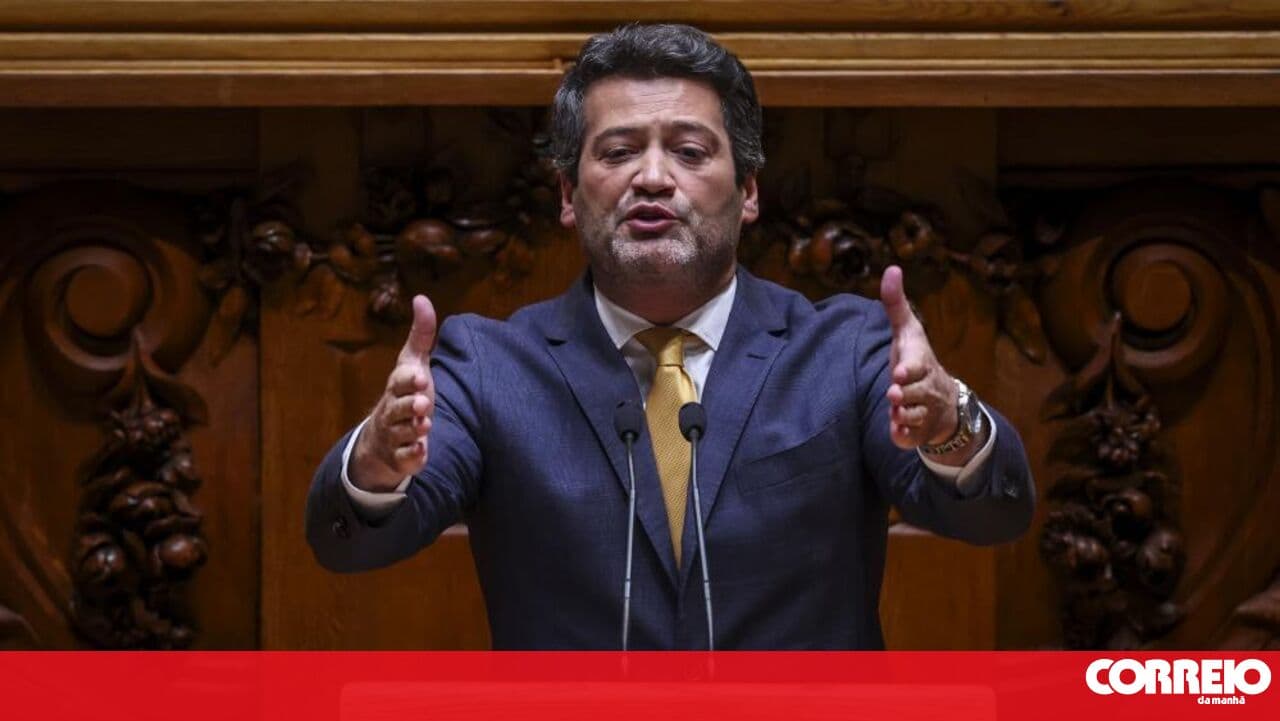
Catarina Araújo and Ana Miguel Pedro are promoted to party vice-presidents. Nuno Melo creates thematic sections within the political commission.
The future former president of the Constitutional Court (who is finally leaving), the PCP (which got everything wrong), and the Bar Association (which is not punishing quickly enough) are the Good, the Bad, and the Ugly.
Cláudia Ribeiro had been appointed secretary of the Council of State and was serving as Chief of the Civil House on an “interim” basis. Now, she moves to a permanent role. The Belém team is now practically complete.
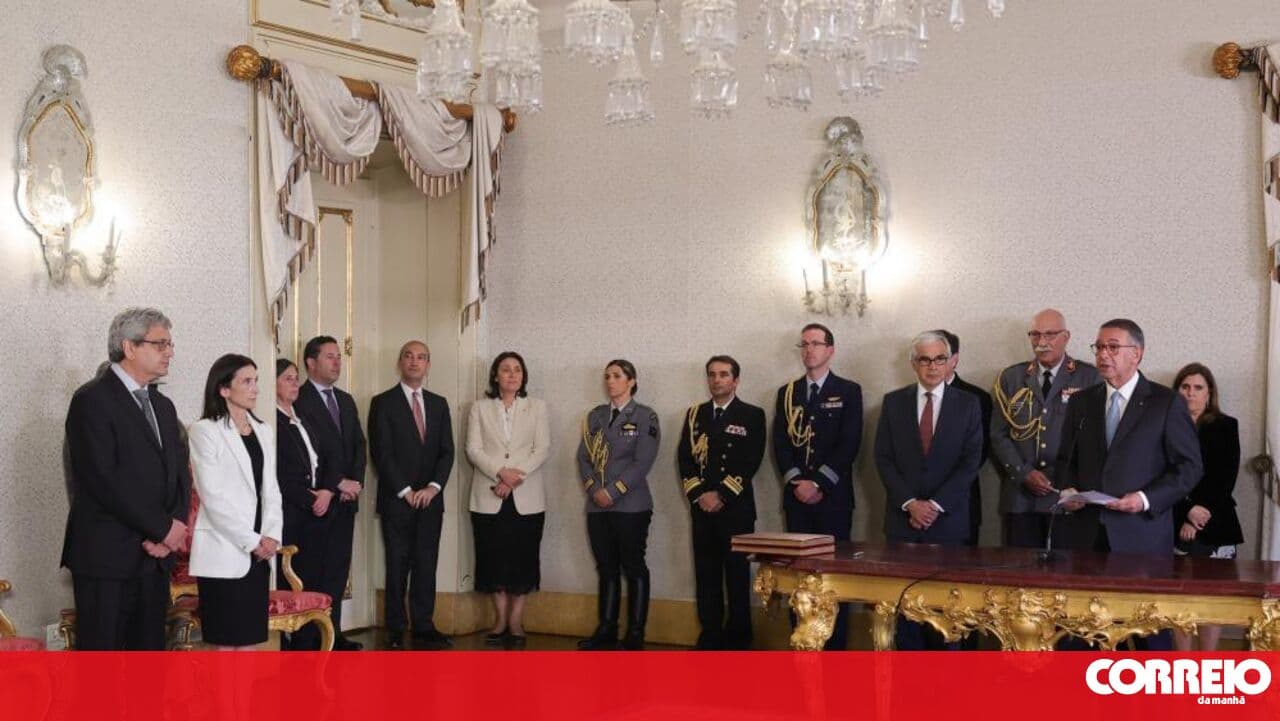
The inauguration took place this afternoon in a short ceremony at the Belém Palace in Lisbon, where only the President of the Republic made a statement.
The Socialist parliamentary leader said he understood Tiago Antunes' decision to withdraw from the race for the position following his rejection in parliament and lamented the “campaign by the more radical right” against the former Secretary of State.

Tiago Antunes needed the favourable votes of two-thirds of the deputies to be confirmed in the position. He obtained 104, which means he was 50 long votes short. Opinion by João Miguel Tavares

Former minister Ana Mendes Godinho and the mayor of Matosinhos, Luísa Salgueiro, are two of the new members of the PS National Secretariat to be elected today, a body from which MEPs Ana Catarina Mendes and Francisco Assis are departing.
Joining the Council of State is something that honours me and values the role of local mayors in the country, admits Pedro Duarte, who now joins Leonor Beleza, Moedas, Carlos César, and Ventura.
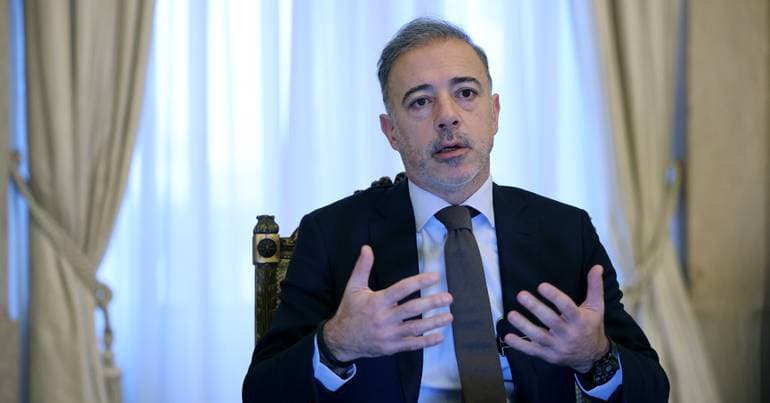
The President's advisory body will welcome Marcelo Rebelo de Sousa, Pedro Duarte, and five members appointed by António José Seguro for the first time. The Ombudsman remains an unknown.

CNN Portugal commentator Anselmo Crespo analysed the lack of consensus in the election of Tiago Antunes for the position of Ombudsman.
The election for the five representatives of the Assembly of the Republic to the Council of State followed expected results based on party seat counts. The joint PSD and Chega list elected four representatives (Leonor Beleza, André Ventura, Carlos Moedas, and Pedro Duarte), while the PS list only secured its lead candidate, Carlos César. The vote, part of the election for external bodies, saw the failure of Tiago Antunes' election for Ombudsman. Using the D'Hondt method, the PSD, Chega, Liberal Initiative, and CDS-PP benches successfully blocked the election of the second PS candidate, former Justice Minister Francisca Van Dunem. The results confirm the retention of Leonor Beleza, André Ventura, and Carlos Moedas in the advisory body to the President of the Republic, with Porto Mayor Pedro Duarte as a new addition and Carlos César remaining. The Council of State will meet this Friday for the first time since the inauguration of António José Seguro, who has appointed former socialist ministers Alberto Martins and Nuno Severiano Teixeira, scientist Maria do Carmo Fonseca, former rector Isabel Capeloa Gil, and professor Miguel Bastos Araújo.
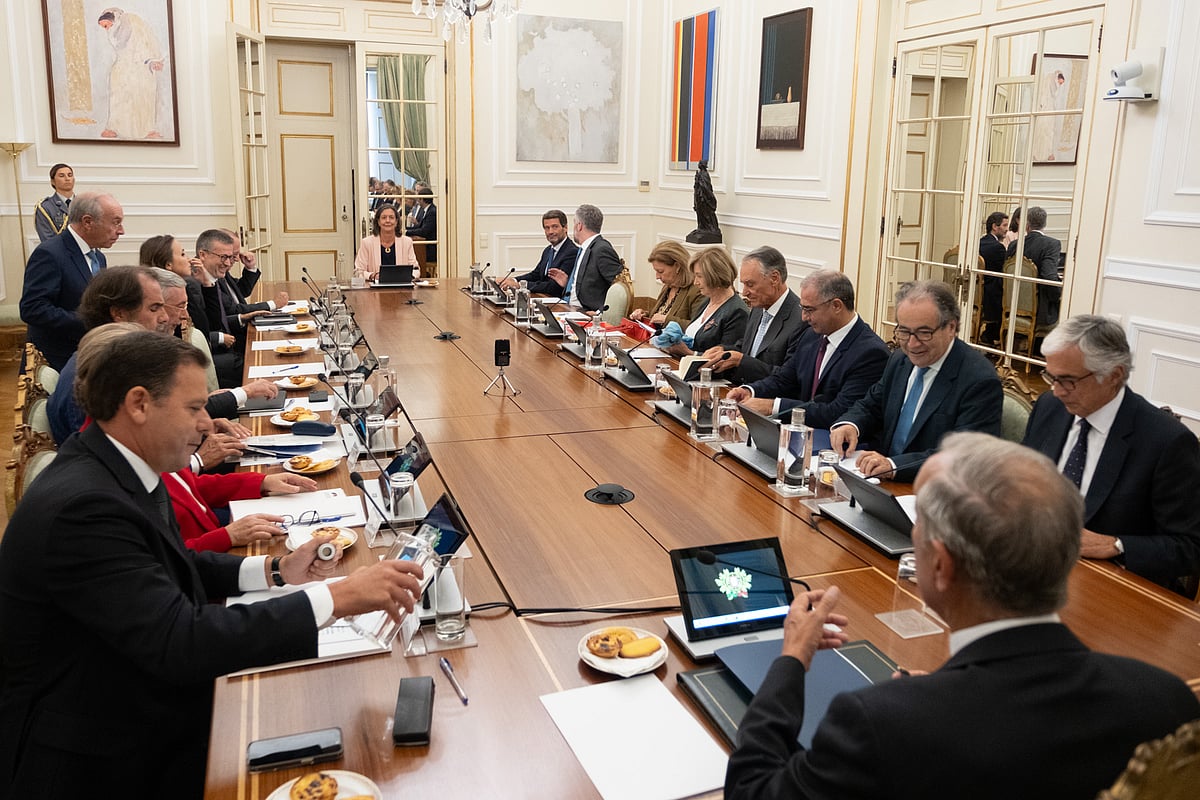
There are five names designated by António José Seguro: Alberto Martins, Isabel Capeloa Gil, Maria do Carmo Fonseca, Miguel Bastos Araújo, and Nuno Severiano Teixeira.
The President of the Republic, António José Seguro, has appointed university professor Susana Goulart Costa and appellate judge Paulo Duarte Barreto Ferreira as representatives of the Republic in the autonomous regions of the Azores and Madeira, respectively. Susana Goulart Costa, an Azorean native of Angra do Heroísmo, will be the first woman to hold this position. Paulo Duarte Barreto Ferreira...

Susana Goulart Costa is the first woman to take on the role in the Azores. For Madeira, António José Seguro chose judge Paulo Barreto Ferreira.

Seguro's choices are, in the Azores, Susana Goulart Costa, who will be the first woman to hold this position, and in Madeira, Paulo Barreto Ferreira, who is a judge at the Lisbon Court of Appeal.
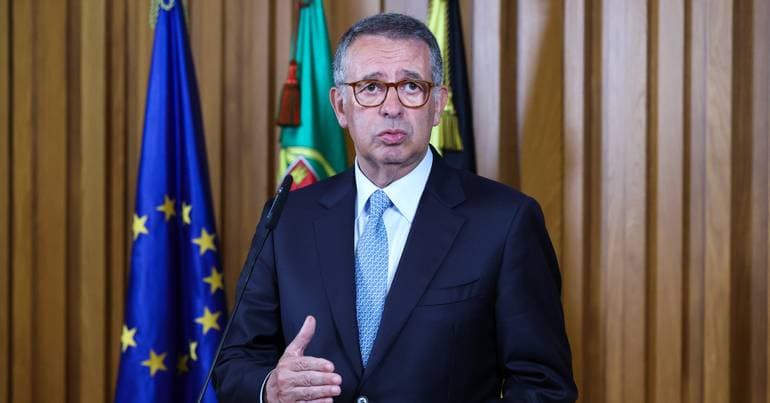
The latest sign of the ongoing tripartite power-sharing is the dozen figures nominated by Chega for external parliamentary bodies. André Ventura has secured his re-election to the Council of State and increased the party's influence in key areas like Justice and Security. Despite criticism from the left regarding the appointment of shadow ministers and party staff to oversight councils, the nominations—including Rui Gomes da Silva and Fernando Silva—are moving forward with the support of the PSD, ensuring Chega's representation in critical state institutions.
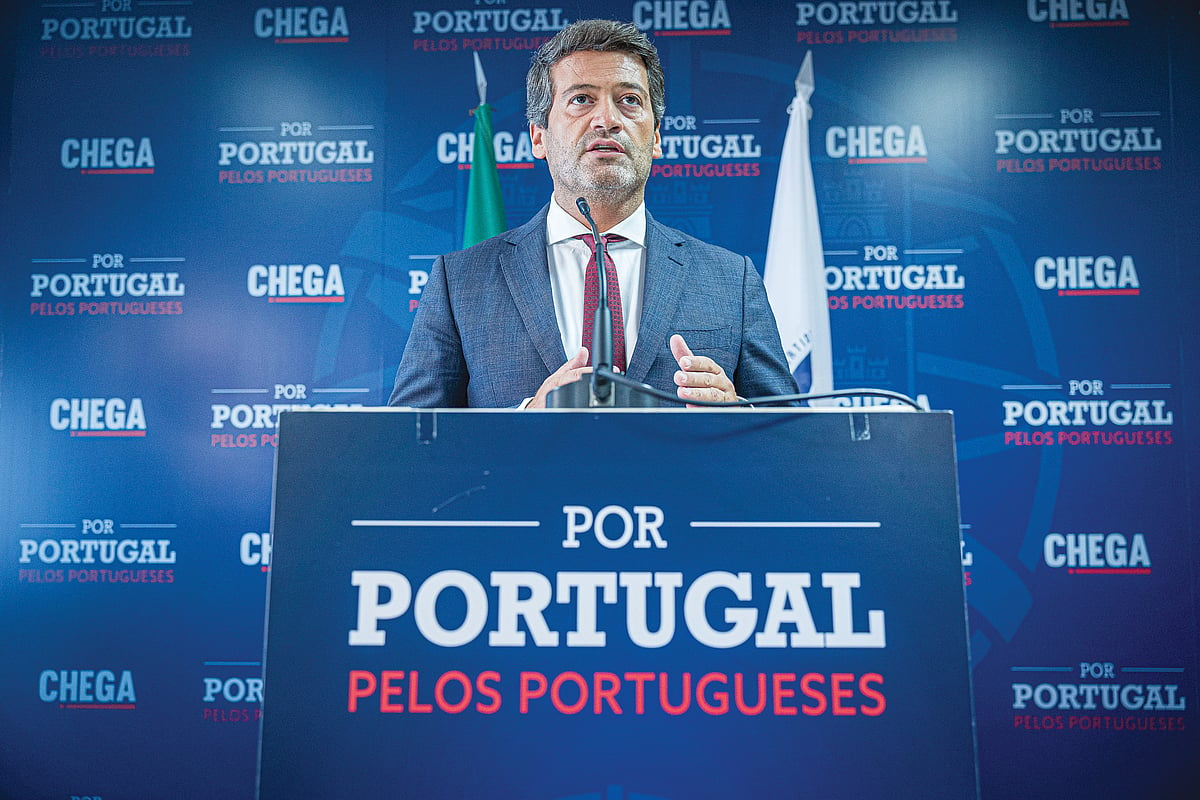
The former Secretary of State under António Costa was the name put forward by the PS for a position that has been vacant for a year and is being heard this Friday in Parliament.
