Tents spring up in Lisbon as Portugal housing protests spread
Tents spring up in Lisbon as Portugal housing protests spread

Latest news and stories about cost of living in Lisbon, Lisboa, Portugal for expats and residents.
Tents spring up in Lisbon as Portugal housing protests spread
Thousands of people demonstrated in Lisbon, Porto, Braga, and Aveiro to protest rising living expenses and unaffordable housing. Organized by the civic platform “Não dá mais para viver assim” (We can no longer live like this), demonstrators marched through central avenues demanding rent caps, price controls, and an expansion of public housing. The demonstrations coincided with data from the National Statistics Institute (Instituto Nacional de Estatística or INE) showing residential construction costs rose 7.5% year-on-year in August.
The INE housing price index (Índice de Preços da Habitação) tracks changes in residential property transaction prices across Portugal, published quarterly by the National Statistics Institute (INE). It covers both new and existing dwellings and breaks data down by region, property type, and buyer nationality.
The index is a key reference for policymakers debating housing affordability measures, for lenders assessing mortgage risk, and for buyers and investors tracking market trends. It has shown sustained price growth since 2015, with particularly sharp increases in Lisbon, Porto, and the Algarve driven by international demand, tourism, and housing shortages.
Related INE publications include monthly housing transaction data, rental indices, and construction statistics. Together, they provide the most comprehensive picture of Portugal's property market.
Portugal’s house prices have risen faster than the EU average since 2020, and recent reports list Portugal among the countries with the largest price increases over that period. That stronger price growth has worsened affordability in Lisbon and Porto in particular, so prospective buyers and renters should check local indices and mortgage costs before deciding.
Prime Minister Luís Montenegro faced questions in parliament during a fortnightly debate (debate quinzenal) following the presentation of the 2027 State Budget (Orçamento do Estado). The Socialist Party (Partido Socialista or PS) signaled it will abstain during the vote, which should secure the proposal's approval. Opposition parties, led by Communist Party (Partido Comunista Português or PCP) leader Paulo Raimundo, criticized the spending plan over public sector wages and social investment.
Update: Unions and Employers Push Back on 2027 Budget
Trade unions and business associations criticized the government's proposal, with employer groups citing insufficient investment and the General Confederation of the Portuguese Workers (Confederação Geral dos Trabalhadores Portugueses or CGTP) arguing the measures deepen inequality. The Judicial Staff Union (Sindicato dos Funcionários Judiciais) threatened strike action after warning that planned career upgrades were omitted from the budget.

Luís Filipe Montenegro Cardoso de Morais Esteves (born February 16, 1973, in Porto) is a Portuguese lawyer and center‑right politician who has served as Prime Minister of Portugal since April 2, 2024. A long‑time member of the Social Democratic Party (PSD), he is the leading figure of the post‑Troika generation of Portuguese conservatives. Montenegro was elected to the Assembly of the Republic in 2002 for the Aveiro district and remained an MP for 16 years, becoming PSD parliamentary leader from 2011 to 2017 during the bailout and austerity period under Prime Minister Pedro Passos Coelho. He was a prominent defender of strict austerity measures, arguing in 2014 that “the life of the people is no better, but the life of the country is a lot better,” a phrase that has followed his public image since. After an unsuccessful leadership bid against Rui Rio in 2020, Montenegro won the PSD leadership in 2022. He then forged the centre‑right Democratic Alliance (PSD–CDS‑PP and allies), which won a plurality of seats in the 2024 legislative election. Refusing to partner with the far‑right Chega, which he has called “often xenophobic, racist, populist and excessively demagogic,” he formed a minority government as head of the XXIV Constitutional Government on April 2, 2024. His first government fell in March 2025 after a no‑confidence vote linked to a conflict‑of‑interest affair, but fresh elections saw the Democratic Alliance increase its seat share, allowing Montenegro to return as prime minister leading the XXV Constitutional Government. His importance to Portugal lies in attempting to re‑center the traditional centre‑right after the crisis years, defending liberal‑conservative economics and EU alignment while drawing a sharp line against formal cooperation with the radical right, thus shaping how Portuguese democracy manages its new multi‑party era.
Paulo Raimundo is the Secretary-General of the Portuguese Communist Party (Partido Comunista Português or PCP), a position he has held since November 2022. He is a career politician and former trade unionist who succeeded Jerónimo de Sousa as the leader of the party.
António Filipe is a long-serving member of parliament for the PCP (Partido Comunista Português) and a specialist in constitutional law, who has served as a vice-president of the Assembly of the Republic. He was the PCP-backed candidate in the 2026 presidential election.

The General Confederation of the Portuguese Workers (CGTP – Confederação Geral dos Trabalhadores Portugueses) is Portugal’s largest trade-union confederation, grouping most unions in manufacturing, public services and many other sectors.
Founded clandestinely in 1970 as “Intersindical” under the dictatorship, it emerged publicly after the 1974 Carnation Revolution and was legalised in 1975. It has been central to virtually all major labour struggles since then, from defending collective bargaining and the 40‑hour week to leading general strikes against austerity and labour‑law rollbacks.
CGTP is historically close to the Portuguese Communist Party and has a class‑struggle, anti‑neoliberal profile, strongly critical of EU and government policies seen as undermining workers’ rights. It favours grassroots mobilisation and strikes over compromise, often refusing national social‑pact deals that the more centrist UGT is willing to sign.
In today’s Portugal, CGTP remains a key actor in wage bargaining, labour‑law debates and national protests; together with UGT it called the first joint general strike in years in December 2025, signalling its continuing capacity to organise mass action.
Social institutions including the Comunidade Vida e Paz and Refood warn that surging fuel prices are forcing them to consider cutting staff and services. Both organizations report that current government support is insufficient to cover the increased operational costs of their logistics and vehicle fleets, potentially compromising food distribution to vulnerable families.

The Portuguese Communist Party (Partido Comunista Português or PCP) has proposed fixing the price of intermodal transport passes at 20 euros for the Lisbon and Porto metropolitan areas, as well as other intermunicipal communities. The party argues that the state must provide the necessary funding to ensure this price point, particularly as the government introduces new rail-only passes.
António Filipe is a long-serving member of parliament for the PCP (Partido Comunista Português) and a specialist in constitutional law, who has served as a vice-president of the Assembly of the Republic. He was the PCP-backed candidate in the 2026 presidential election.
The Portuguese Communist Party (Partido Comunista Português or PCP) has expressed zero expectations for the government's 2027 State Budget proposal. Secretary-General Paulo Raimundo called for a 'fire and brimstone' policy to combat the rising cost of living, warning that the party will not support the budget if it continues the government's current economic path.
António Filipe is a long-serving member of parliament for the PCP (Partido Comunista Português) and a specialist in constitutional law, who has served as a vice-president of the Assembly of the Republic. He was the PCP-backed candidate in the 2026 presidential election.
Paulo Raimundo is the Secretary-General of the Portuguese Communist Party (Partido Comunista Português or PCP), a position he has held since November 2022. He is a career politician and former trade unionist who succeeded Jerónimo de Sousa as the leader of the party.

Parliament has rejected 14 legislative initiatives aimed at mitigating the rising cost of living, including proposals from the Chega party to reduce VAT on fuel and food. The debate, which took place without government presence, saw cross-party disagreements that prevented any of the measures from passing.

André Ventura, born January 15, 1983, is a lawyer, academic, and Portugal's most prominent far-right leader. He founded Chega ("Enough") in 2019 after his PSD mayoral campaign attacked the Romani community. Chega surged from 1.3% in 2019 to 22.8% in May 2025, becoming parliament's second-largest party and making Ventura Leader of the Opposition.
His platform emphasizes immigration restrictions, law-and-order policies, constitutional reform, and contains inflammatory anti-Romani rhetoric that has triggered multiple discrimination convictions and investigations. Politically classified as far-right by international media, Ventura cultivates alliances with European far-right figures including Marine Le Pen and Santiago Abascal.
VAT is Value Added Tax (Imposto sobre o Valor Acrescentado), a consumption tax charged at each stage of production and sale; the standard mainland rate in Portugal is 23%. Parliamentary proposals to cut VAT on bottled gas from 23% to 6% would directly reduce consumer prices if approved.
A study from the Technical University of Vienna reveals that the Portuguese housing market is systematically inaccessible for middle-income buyers. Researchers analyzed millions of property listings and found that many residents cannot afford even a 50-square-metre apartment, placing Portugal among the countries with the most severe housing affordability crises in Europe.

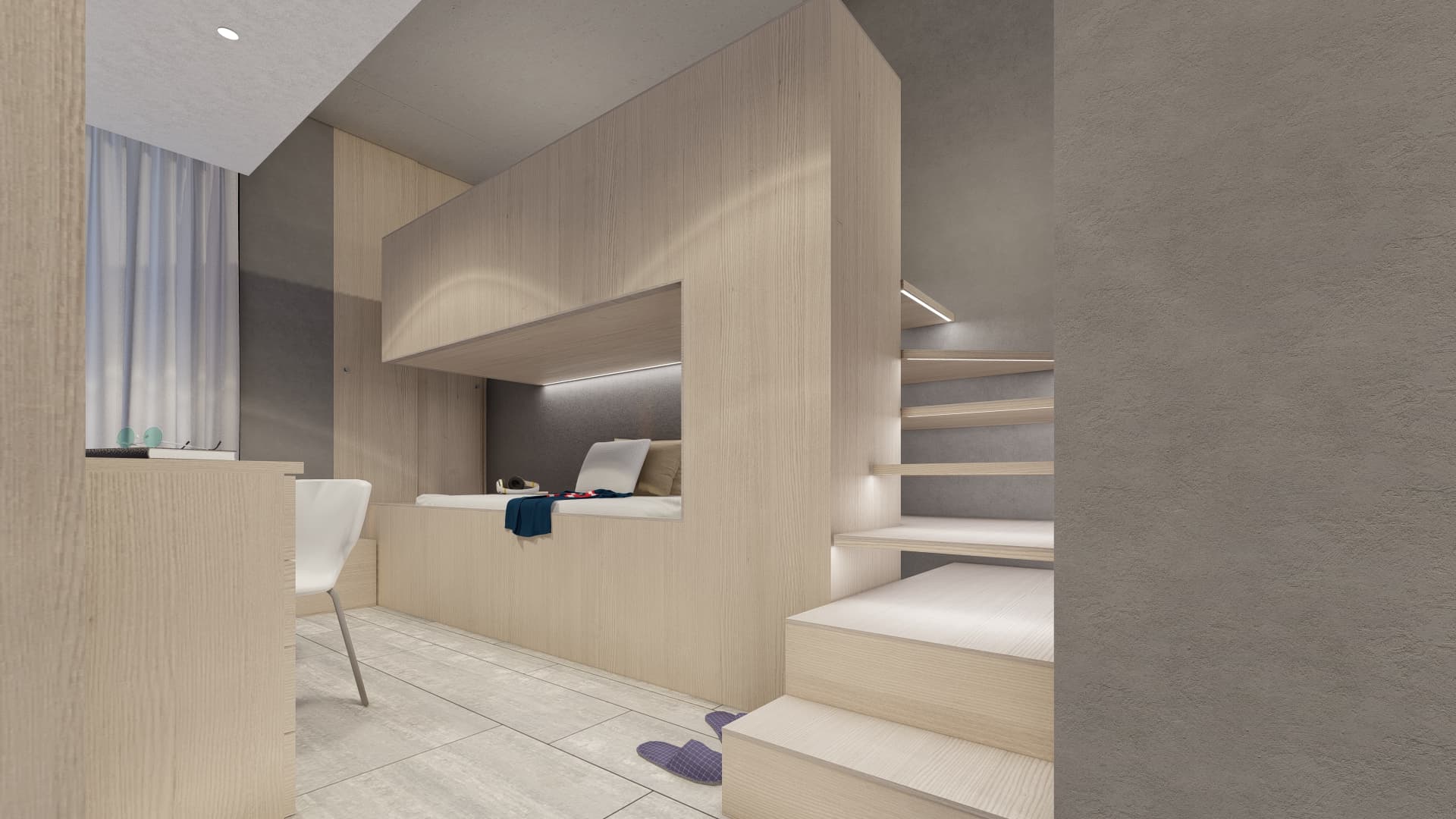
A survey by the Coimbra Academic Association (Associação Académica de Coimbra or AAC) reveals that one in four students has considered dropping out due to high living costs. With average room prices reaching 312 euros and studio rents in Lisbon hitting 1,500 euros, students report that accommodation is the primary obstacle to continuing their education.
The AAC (Associação Académica de Coimbra) is the student union of the University of Coimbra, which is one of the oldest and most influential student organizations in Portugal. It represents student interests and manages various cultural and social services, often playing a role in national debates regarding student housing and education policy.
Data from the National Statistics Institute (Instituto Nacional de Estatística or INE) shows that the median house price in Portugal reached 2,337 euros per square meter in the first quarter of 2026. This represents an increase of nearly 20 percent compared to the same period last year. Market analysts note that foreign investment continues to drive prices upward, particularly in the Lisbon region.
The INE housing price index (Índice de Preços da Habitação) tracks changes in residential property transaction prices across Portugal, published quarterly by the National Statistics Institute (INE). It covers both new and existing dwellings and breaks data down by region, property type, and buyer nationality.
The index is a key reference for policymakers debating housing affordability measures, for lenders assessing mortgage risk, and for buyers and investors tracking market trends. It has shown sustained price growth since 2015, with particularly sharp increases in Lisbon, Porto, and the Algarve driven by international demand, tourism, and housing shortages.
Related INE publications include monthly housing transaction data, rental indices, and construction statistics. Together, they provide the most comprehensive picture of Portugal's property market.
Portugal’s house prices have risen faster than the EU average since 2020, and recent reports list Portugal among the countries with the largest price increases over that period. That stronger price growth has worsened affordability in Lisbon and Porto in particular, so prospective buyers and renters should check local indices and mortgage costs before deciding.

The government is resisting calls to halt a public guarantee program that allows young people up to 35 years old to finance up to 100% of their first home. While the Bank of Portugal and the International Monetary Fund have warned that such incentives may further inflate house prices, officials maintain the measure is necessary to address the ongoing housing crisis.
Banco de Portugal is Portugal's central bank, founded in 1846. It is a member of the European System of Central Banks (ESCB) and the Eurosystem, working alongside the European Central Bank (ECB) to implement monetary policy in the euro area.
Its main functions include supervising banks and financial institutions, ensuring financial stability, managing Portugal's gold and foreign currency reserves, and producing economic research and statistics. It also operates the payment systems infrastructure and issues banknotes.
Banco de Portugal is led by a Governor — currently Mário Centeno (since 2020) — who also sits on the ECB's Governing Council. For residents, the central bank matters because it regulates the banks they use, sets macroprudential rules (such as mortgage lending limits), and provides a complaints mechanism for banking disputes.
Lisbon is now one of the least affordable housing markets in Europe, with homes costing approximately 18.7 times the average annual household income. Data from the platform Numbeo indicates that only the Croatian city of Split matches this high price-to-income ratio, making home ownership increasingly difficult for local residents.

Lisbon City Council is considering a proposal to eliminate the 50% discount on school meals for students not covered by the Social School Action (Ação Social Escolar or ASE) program. Education Councillor Rodrigo Mello Gonçalves stated the change aims to focus support on lower-income families, though the opposition, including the Socialist Party and Left Bloc, has criticized the move as harmful to the middle class.

Socialist Party (PS)
Portugal's other traditional major party suffered a historic collapse in the 2025 election, dropping from 78 to 58 seats and falling to third place for the first time in democratic history. The party was led by Pedro Nuno Santos from January 2024 until his resignation following the May 2025 defeat. José Luís Carneiro, a 53-year-old former Minister of Internal Administration known for his moderate positioning within the party, was elected unopposed as the new Secretary-General with 95% of votes in June 2025. The Socialist Party governed Portugal from 2015 to 2024, including an absolute majority from 2022 to 2024 under António Costa, who resigned in November 2023 amid a corruption investigation. The PS previously led the innovative "Geringonça" (contraption) coalition government from 2015-2019, a minority government supported by the Left Bloc and Portuguese Communist Party that reversed austerity measures and presided over economic recovery.
The Social School Action (Ação Social Escolar or ASE) is a state-funded support program that provides financial aid to students from low-income families. It covers essential costs such as meals, school supplies, and textbooks to ensure equal access to education across the public school system.
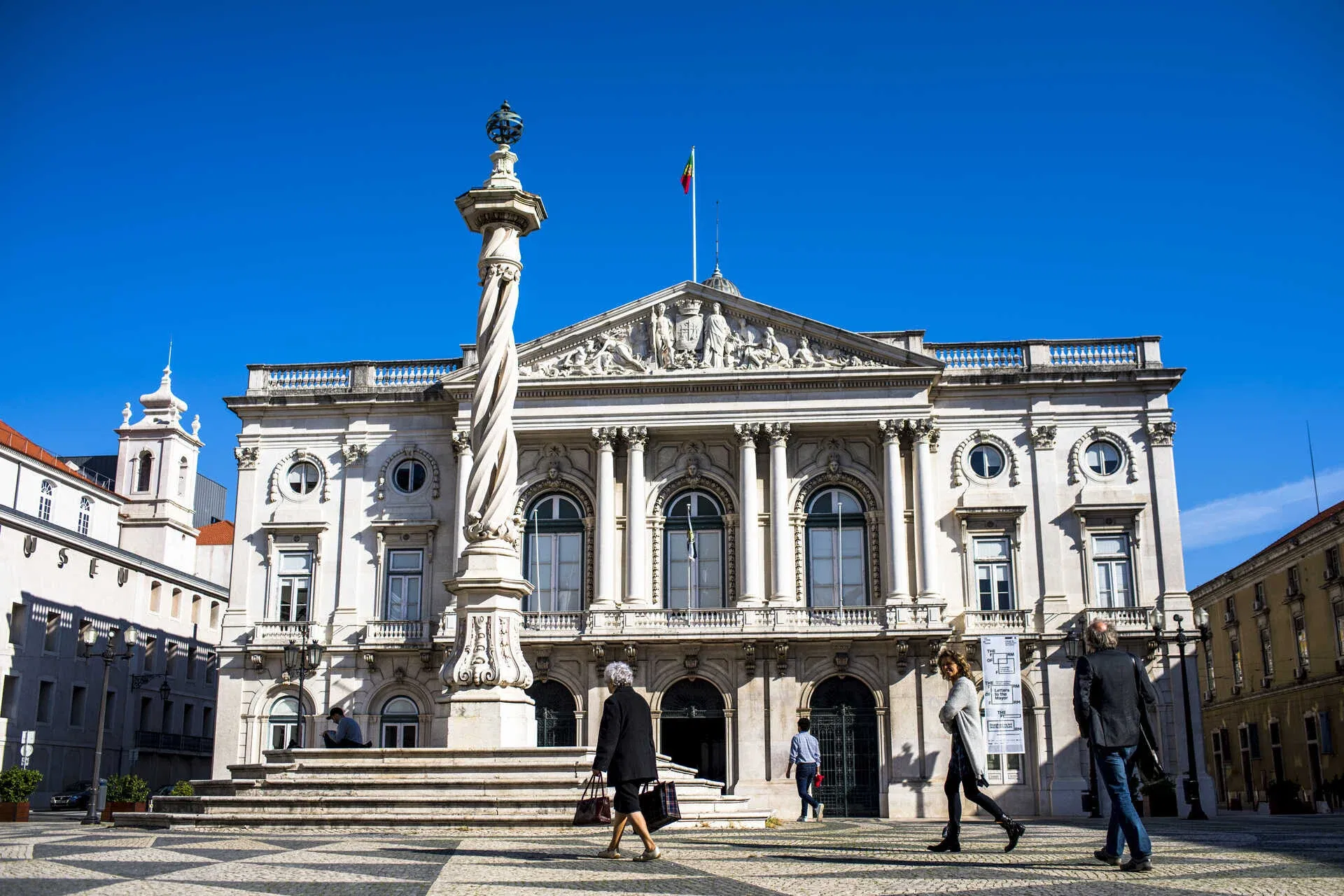
Lisbon is currently the most expensive city in Europe for renters, with the cost of a one-bedroom apartment consuming approximately 99% of the average local salary. This housing crisis is compounded by a significant rise in the cost of living since 2022, with essential food and energy prices frequently outpacing general inflation.
A delegation from the European Parliament's housing committee described Portugal’s housing situation as severe following a two-day visit to Lisbon. Committee president Irene Tinagli highlighted an alarming percentage of properties used for tourism and a growing gap between market prices and local wages. The group called for a better balance between the tourism industry and the need for affordable housing for residents.
Irene Tinagli is an Italian economist and Member of the European Parliament who chairs the Committee on Economic and Monetary Affairs. She represents the Democratic Party (Partito Democratico) and belongs to the Progressive Alliance of Socialists and Democrats group. In Portugal, she has led delegations to monitor how the Recovery and Resilience Plan (Plano de Recuperação e Resiliência) is being used to address the housing crisis.
Students from Portuguese-speaking African countries (Países Africanos de Língua Oficial Portuguesa or PALOP) are reporting significant hardships due to visa delays and high living costs in Portugal. Many students arrive months after the academic year begins, which severely impacts their mental health and academic performance. The delays are described as a systemic barrier for international students entering through special quotas.

Thousands of students marched in Lisbon on National Student Day (Dia Nacional do Estudante) to demand free higher education and more student housing. The protest coincided with comments from Education Minister Fernando Alexandre, who suggested that tuition fees (propinas) should be adjusted for inflation after being frozen for several years. The government has promised 14,000 new beds in student residences by the next academic year to address the housing crisis. Families with university students should be aware of potential cost increases in future state budgets.
Fernando Alexandre is the Minister of Education, Science, and Innovation in Portugal's current government, which took office in April 2024. An economist by training, he previously served as a Secretary of State and is now responsible for managing the national school system and university funding. He recently sparked debate by suggesting that university tuition fees should be adjusted to account for inflation.
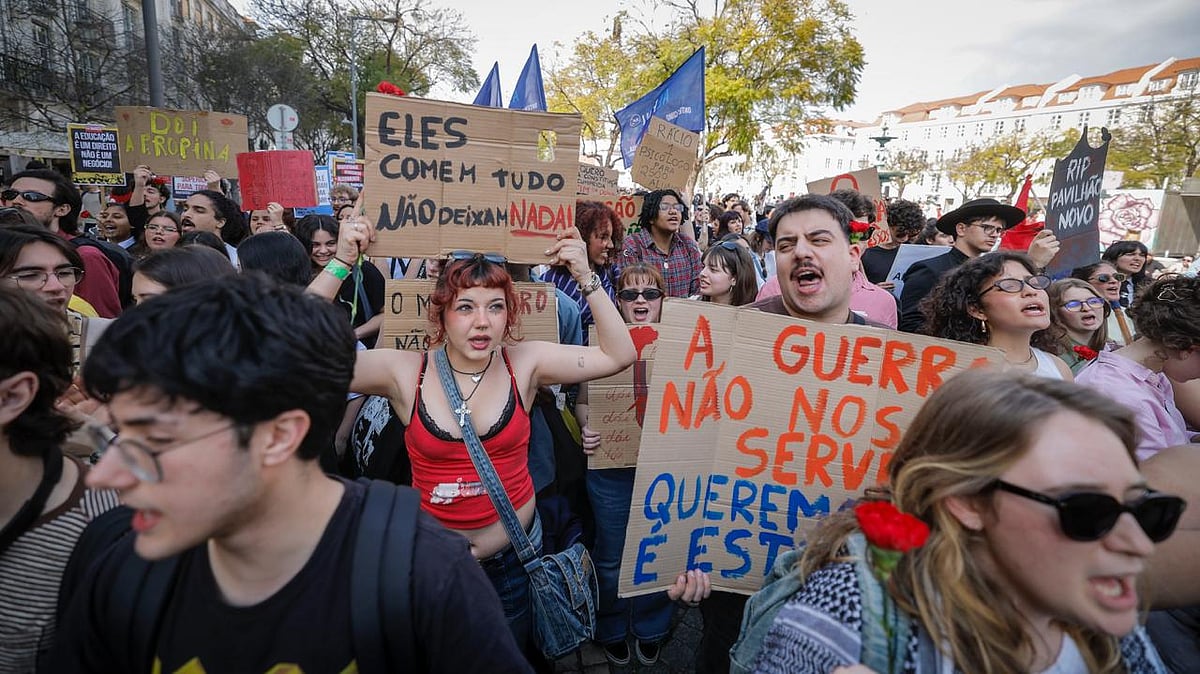
Protesters gathered in 16 cities, including Lisbon and Porto, to demonstrate against rising property prices and recent government measures. The platform Home to Live In (Casa para Viver) organized the marches, calling for rent caps and an end to fast-track evictions. Residents should note that further actions are planned as the housing crisis continues to affect both locals and foreign residents.
Casa Para Viver is a Portuguese housing campaign platform that organises protests and actions about housing affordability; it announced a national protest for March 21 in Lisbon against current government housing policies. Residents and renters should note its events because they highlight public pressure on rent and price controls and can influence local policy debate.
Portugal’s house prices have risen faster than the EU average since 2020, and recent reports list Portugal among the countries with the largest price increases over that period. That stronger price growth has worsened affordability in Lisbon and Porto in particular, so prospective buyers and renters should check local indices and mortgage costs before deciding.

More than 100 collectives have organized a series of protests under the slogan “It's not enough” (Já não dá) to demand better access to affordable housing. The demonstrations, scheduled for the coming weekend in several cities, show the growing gap between wages and rental prices. Organizers argue that recent government measures have failed to protect tenants from irregular rent increases and precarious living conditions. Tenants and those seeking housing should be aware of the protests in major urban centers.

The Casa para Viver platform delivered an open letter to the President of the Republic at the Belém Palace (Palácio de Belém) calling for the housing crisis to be treated as a national emergency. The movement is demanding rent regulation, mortgage relief, and a veto on legislation that would accelerate evictions. Residents should note that nationwide protests are scheduled for March 21 in 14 different cities.
Belém is the presidential palace (Palácio de Belém), the official residence and workplace of Portugal's president; it has served as the presidential seat since 1911 and sits in the Belém district of Lisbon near the Tagus River. The incoming president will be sworn in there on 9 March, and those in Lisbon may see public events or media coverage around the palace during the inauguration.