Minister of Education promises to review funding for school meals to municipalities
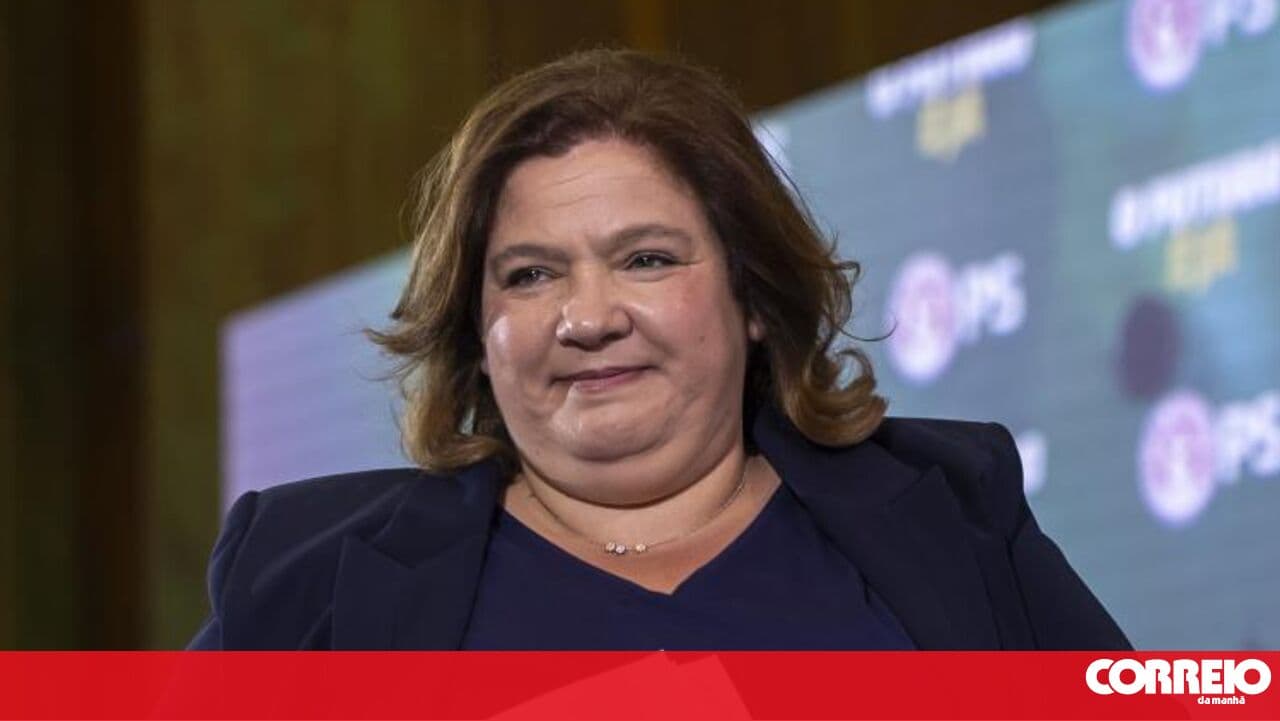
The Minister of Education, Fernando Alexandre, promises to review the funding provided to municipalities for school meals.
Latest news and stories about school meals in Portugal for expats and residents.
The Minister of Education, Fernando Alexandre, promises to review the funding provided to municipalities for school meals.
Fernando Alexandre promised that this will be an aspect to review “if possible as early as the next school year”.

In a circular sent on Wednesday, the school explains that the canteen will now provide “three daily meal options also for students under the association contract,” without changing the price paid.

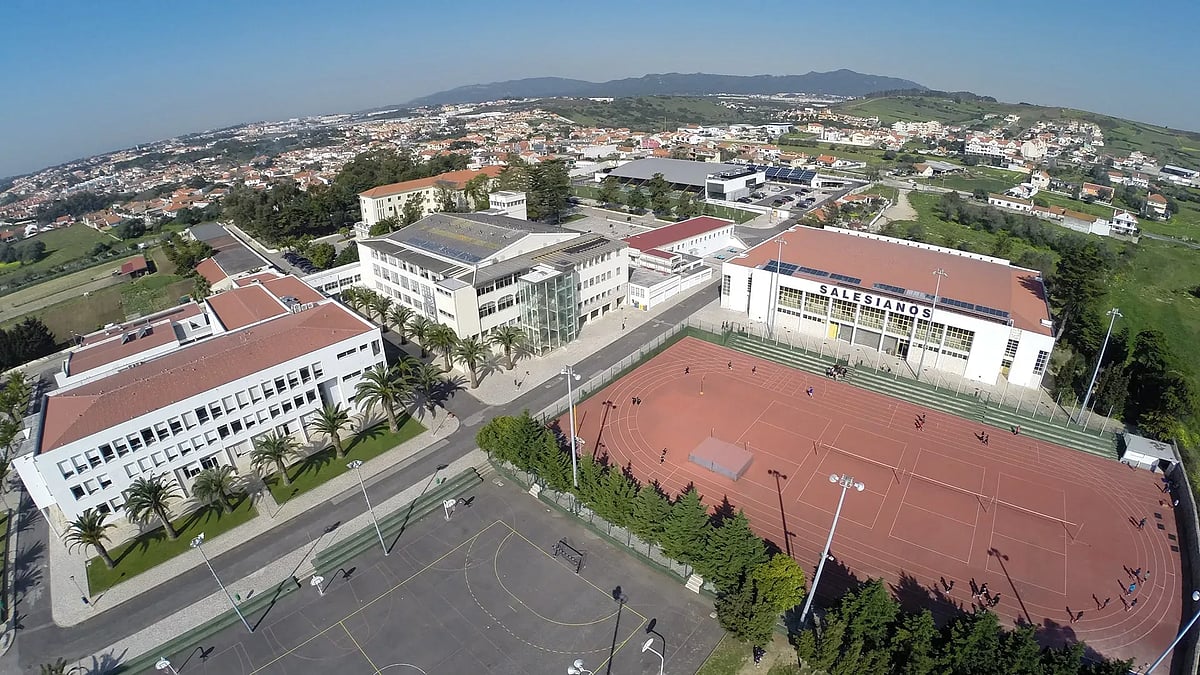
The Salesianos school in Manique has changed its meal policy, offering the same options to both private-paying students and those under the association contract, who continue to pay 1.46 euros per meal. Following reports that students paying tuition received better meals than those on state-funded contracts, the school, with support from the Cascais City Council, will now provide three daily meal options to all students. Parents have welcomed the change, noting a significant improvement in the quality and variety of the food compared to the previous system, which had been criticised for its disparity.

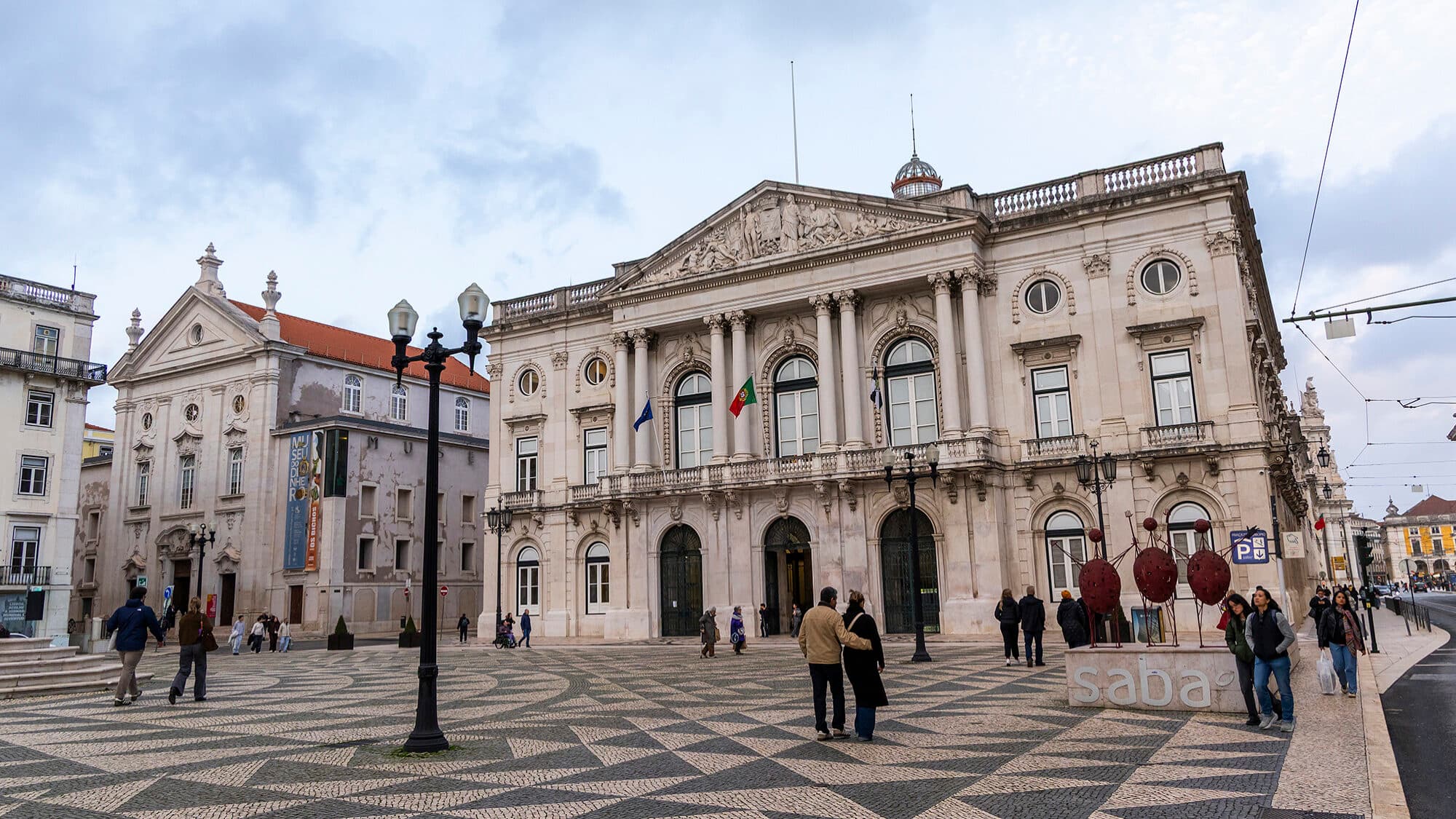
Cascais City Council will provide funding of 87 cents per meal, as reported by CM, which allows for the end of discrimination against students in the public system.

Discrimination does not only happen at lunchtime, due to the exclusive imposition of the Ministry of Education, which merely applies what is in the law.

The recent controversy surrounding food discrimination at a state-subsidised private school has raised some alarms. However, the alarms should be ringing for a larger problem. Opinion piece by Isabel Flores.

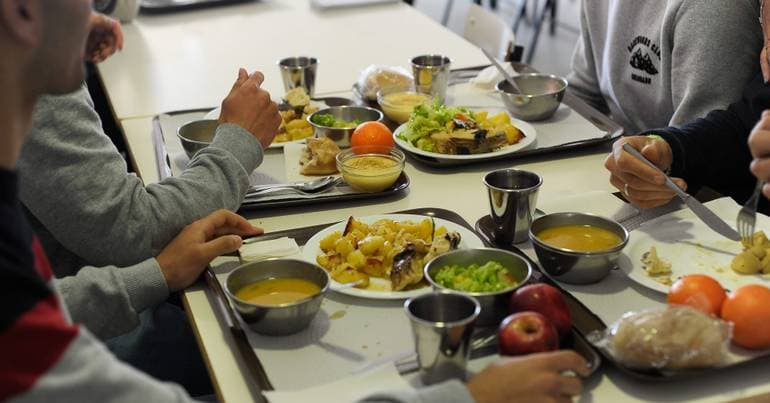
With less than €3 per meal, companies are resorting to ultra-processed foods and changing menus. For some students, the school lunch is the only hot meal of the day.

The Order of Nutritionists warns about the poor quality of school meals and requests more funding, arguing that current amounts do not allow for the provision of quality lunches in schools.

Ignored menus or portions that are too small are some of the problems found in school canteens.

The differentiation that exists at the Salesianos de Manique, in Cascais, is not repeated in other schools that also have a mixed-gender system, such as the Colégio de Albergaria and the Colégio de Nossa Senhora do Rosário de Fátima.

Parents of students at Salesianos de Manique, in Cascais, are complaining about the meals in the canteen, claiming there is food for the poor and food for the rich.

Citing public complaints regarding differentiated meals at the Salesianos school in Manique, Cascais, and the “stigma” reported by students under the public scheme, the Livre party has submitted a resolution to Parliament. They are calling for the Inspectorate-General of Education and Science to inspect all schools with association contracts to ensure all students receive nutritionally adequate meals, and are proposing the hiring of nutritionists for school clusters. Livre notes that the state pays 1.46 euros per meal, a rate unchanged for a decade, which party leader Paulo Muacho calls “incomprehensible.” The proposal seeks to update public funding to prevent discriminatory treatment based on a student's enrollment status. Education Minister Fernando Alexandre suggested that the core issue may be the coexistence of private and state-funded regimes within the same school.

The meals served to fee-paying students at the Salesianos de Manique school in Cascais are of better quality than those provided to students studying there for free, leading some to swap the canteen for the snack bar to avoid the “poor people's food”. The minister admits that this scenario may be repeated in other private schools.

After the Salesianos de Manique school held the Ministry of Education responsible for unequal treatment among students receiving social support—specifically regarding lunch differences between those on a free meal plan and those paying monthly fees, with the latter having access to a more varied menu—the Minister of Education, Science and Innovation...

The executive director of the Association of Private and Cooperative Education Establishments rejects the idea that there is “rich people's food” and “poor people's food” in school canteens. He also warns that private institutions are bearing costs that should be the responsibility of the State.

School claims to have been penalised by the Ministry of Education

The school guarantees that there is no distinction between students in pedagogical activities, but admits differences in the provision of lunches. The separation in meals, the institution states, results from rules imposed by the Ministry of Education.

The school's management attributes responsibility to the Ministry of Education for the difference in quality of meals served to fee-paying students and those covered by an association contract.

According to a report released by Lusa, the meals served to students who pay tuition fees are better than those of the others. The school's management says this is due to the ministry's imposition.

Parents report discrimination at the table in a Cascais school: children in the public system eat worse, feel humiliated, and avoid the canteen. The Ministry of Education did not respond.

BE reports complaints from parents regarding the deadlines for accessing school meals and believes that requiring reservations so far in advance is a “covert way to reduce participation”.

In one of the three polling stations run by the Union of Parishes of Oliveira, children vote on the transport they use to get to school, on school meals and on sport — or even on superheroes.