
Lisbon least affordable capital in Europe
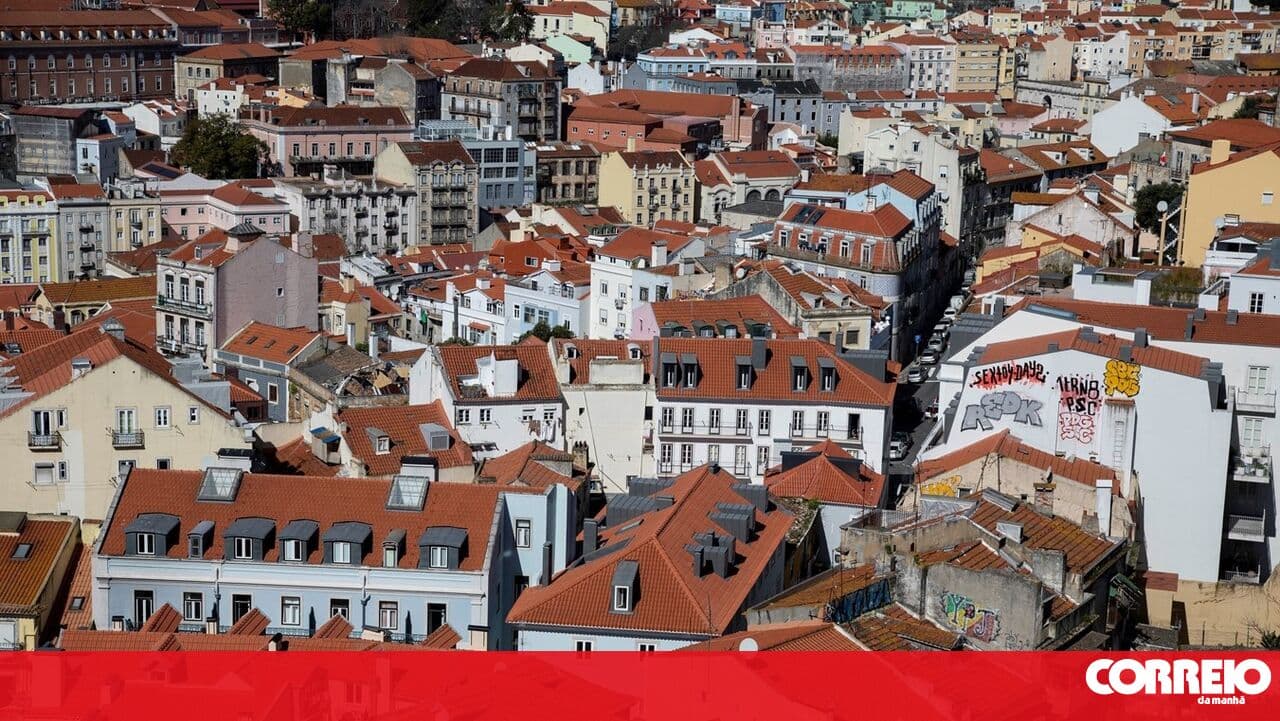
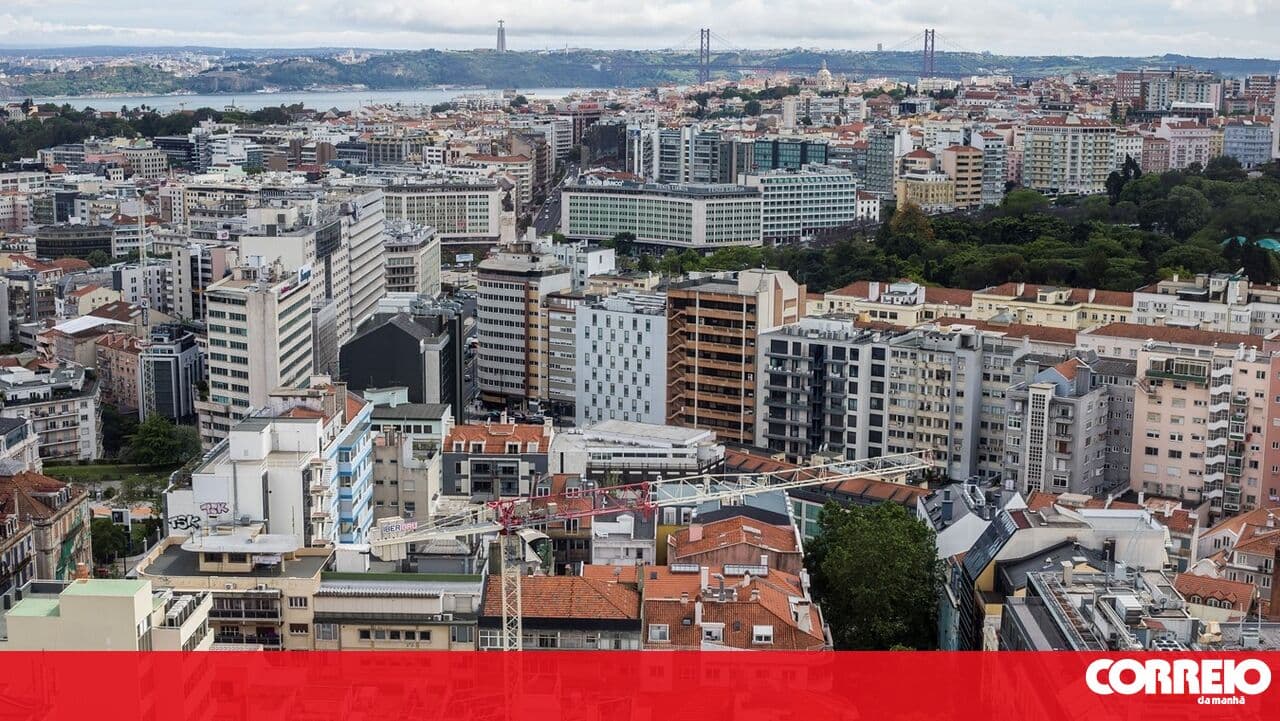
An analytical look at the property market reveals that Lisbon has become the least affordable capital city in Europe, driven by rising costs of living and housing.

Latest news and stories about cost of living in Lisboa, Portugal for expats and residents.
An analytical look at the property market reveals that Lisbon has become the least affordable capital city in Europe, driven by rising costs of living and housing.

A report highlights the significant price gap in the housing market, noting that foreign buyers are willing and able to pay 43% more for properties compared to local Portuguese residents.

A BPI Vida e Pensões study reveals that while 63.3% of Portuguese citizens save for short-term emergencies, only 22.1% prioritize retirement planning, highlighting a significant gap in long-term financial security amid rising life expectancy.

An analytical look at the financial pressures of childcare costs in the UK, prompting a family to weigh the trade-offs of a significant salary reduction in exchange for a better work-life balance in Portugal.

This Wednesday features key economic data releases from the INE, a parliamentary hearing for Joaquim Miranda Sarmento, the election of the Nova University of Lisbon rector, and significant institutional inaugurations alongside political debates.

Portugal has launched the 'Volta' deposit return scheme, adding a 10-cent surcharge to plastic bottles and cans to boost recycling rates to 90% by 2029, though early public feedback highlights concerns over system efficiency and accessibility.

A section of a newspaper or publication where readers' letters are published.

The Casa para Viver platform is petitioning the President of Portugal to declare the housing crisis a national emergency, advocating for rent controls and eviction protections ahead of nationwide protests.
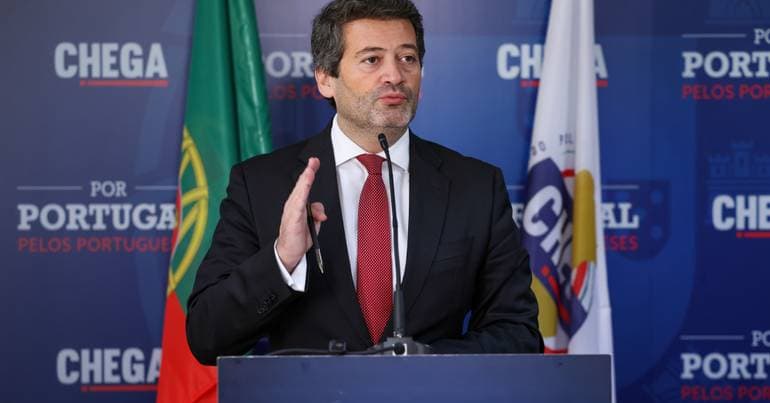
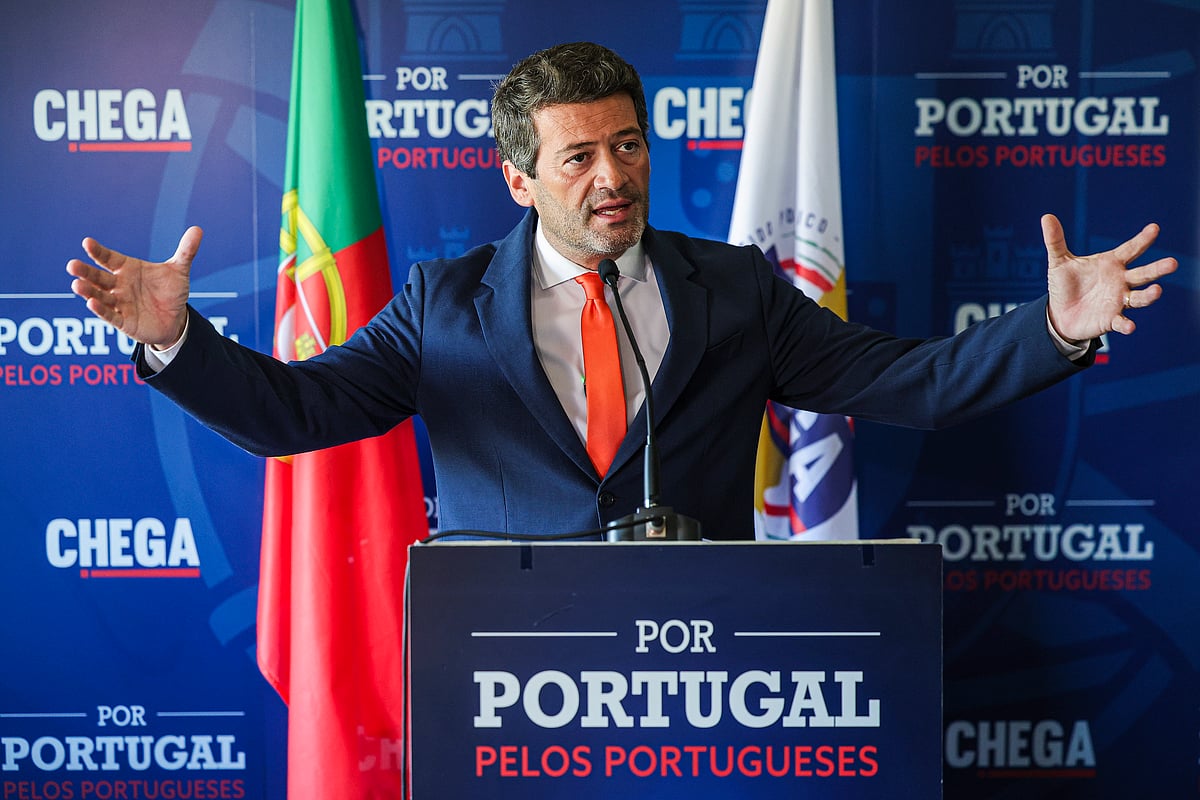
Leader of Chega, Ventura, has called on the Government to return the additional VAT revenue generated from the recent rise in fuel prices, emphasizing the need to differentiate between individuals and businesses. He criticized the Government's response to the fuel price crisis, particularly the insufficient discount on road diesel, and plans to push for an urgent debate in the Assembly of the Republic.

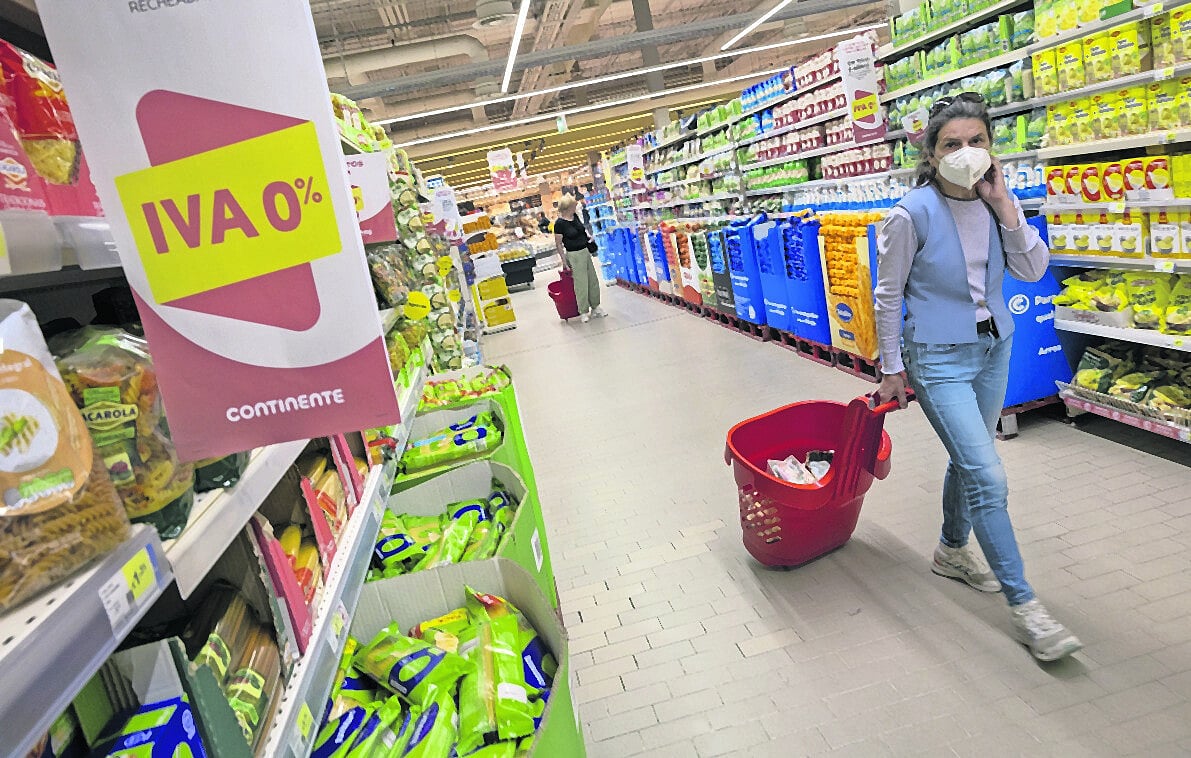
Chega plans to propose the reinstatement of zero VAT on essential goods, a measure they aim to limit until the end of the year. Additionally, the party is advocating for further government action to reduce fuel taxes.

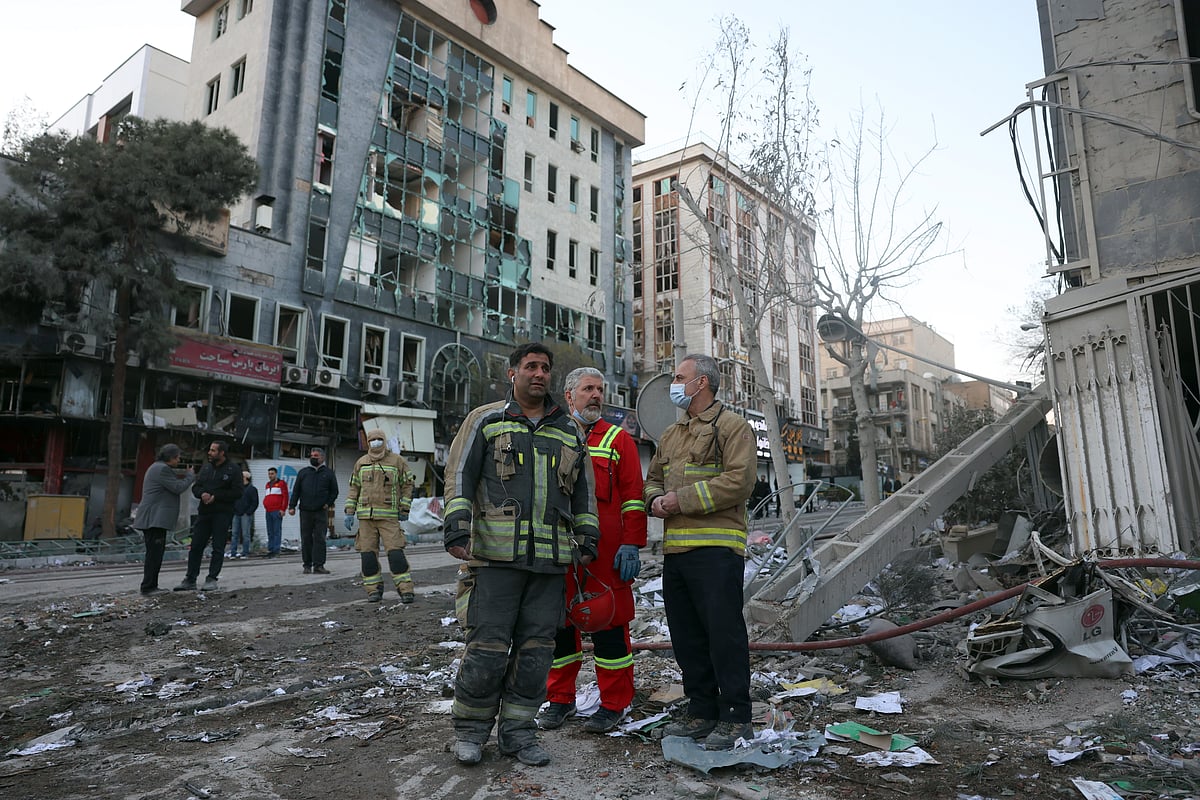
European stock markets and the euro are experiencing declines as oil prices surge due to escalating conflict in the Middle East, particularly in Iran. US oil prices rose by 8% to $72.40 per barrel, while Brent crude increased by 8.8% to $79.30 per barrel. Natural gas futures in Europe saw a significant rise of over 40% following a production halt by Qatar. Gold prices also increased by 1.2% as investors sought safer assets amid uncertainty. Wall Street opened lower, with the Dow Jones down 0.70%, the Nasdaq down 0.58%, and the S&P 500 down 1.09%. In Europe, while the Lisbon stock exchange remained relatively stable, major markets like Madrid, Frankfurt, Paris, and London faced notable declines. The euro fell to $1.1703, down from $1.1817, and also weakened against the pound and yen.

Reported house prices rose 16% year‑on‑year, but the data provided appears inconsistent: the body states prices reached €2,111 per square metre in Q3 last year, while the headline claims €5,000 per square metre in Lisbon. This likely reflects different measures or geographies (national average vs Lisbon city centre, asking vs transaction prices). Verify source breakdowns and timing; implications include tighter affordability, stronger expat/investor demand in Lisbon, and amplified regional divergence in the housing market.

After Lisbon and Porto urban lines were opened to the possibility of sub‑concession, the mayor of Cascais has proposed that Cascais — together with Oeiras and Lisbon — take over management of the Cascais suburban line and make train journeys within the municipality free for residents, workers and students. The proposal reframes the sub‑concession debate as an opportunity for local control but raises practical questions about funding the revenue shortfall, coordinating services across municipalities, the legal and contractual steps required, and the potential impacts on ridership, local traffic and equity.


The comparison might seem stupid, but sometimes, here inside my tent, trying to survive, I feel like part of a human experience that I am not truly a part of. Chronicle by Cláudia Lucas Chéu

Lisbon City Council's proposal for the next school year aims to support families based on income, rather than subsidising high-earners, according to Education Councillor Rodrigo Mello Gonçalves. The plan removes a 50% discount for students not covered by the Social School Action (ASE) programme, while maintaining full support for lower-income brackets. The Socialist Party (PS) and Left Bloc (BE) have criticised the move, claiming it will affect over 30,000 students and harm the middle class. Gonçalves defended the decision, noting that Lisbon remains the only municipality to provide support beyond state-mandated levels.

The invoices listed household expenses, including petrol, electricity, gas, groceries, and transport, concluding that all of them exceeded the value of a salary.

The most dynamic societies are those that promote competition, encourage initiative, and accept change.

A new study has singled out Lisbon as Europe’s least affordable rental market, with average rent consuming over 99% of net salary. The finding comes from financial consultancy Tradingpedia, which examined The post Lisbon named least affordable European city for renting appeared first on Portugal Resident.

In a study comparing 37 European capitals based on daily expenses and average net salaries, Lisbon emerges as the least affordable capital. For those living alone, expenses exceed 127% of the average salary in 2026.

Davide Amado, president of the Lisbon PS branch, criticizes the PCP for allegedly rejecting a PS recommendation on the cost of living. However, the PCP abstained, while the right-wing parties (PSD, IL, and CH) voted against it. The article argues that the PS is hypocritical, as it has historically supported policies that perpetuate precarious work, high living costs, and the degradation of public services, while often aligning with the right-wing on economic issues. The author concludes that the PCP's refusal to participate in this political theatre is what the PS labels as 'irrelevance'.


Lisbon leads the list of the most expensive rents in 127 European cities.

More than the lack of diagnoses or intervention plans, the problem that Lisbon residents in particular, and the Portuguese in general, feel on their skin is energy poverty. Editorial by Sónia Sapage

PS leads while AD struggles with the cost of living. In Lisbon, people wait hours to travel while Chega stalls reforms. Between polls and blockages, governance feels like an endless queue.

The sector has mobilised. Families have mobilised. Students have mobilised. The country is now awaiting a clear signal from the Government and the Ministry of Education. Opinion by Pedro Patacho

At a time when the war in Iran keeps fuel prices high, the consumption of diesel and liquefied petroleum gas in April fell compared to the same month last year and also in relation to March, according to data provided by the energy regulator. CP and the Lisbon Metro report no changes.

The fiscal package is a good measure, but it does not resolve the crisis.

The Green Family Support Fund in Cascais has been increased by 1.5 million euros. The initial budget had been exhausted, and there were approximately 750 applications under review.

Despite economic uncertainty, Portugal's tourism sector recorded its best first quarter ever in 2026. Driven by a rise in visitor numbers and higher prices, total accommodation revenue reached one billion euros. While international demand remains strong—led by growth in the Canadian, German, and US markets—domestic growth has slowed. Madeira and Lisbon remain the most expensive regions for overnight stays, with the National Statistics Institute (INE) noting that the Easter holiday may have contributed to the positive performance.