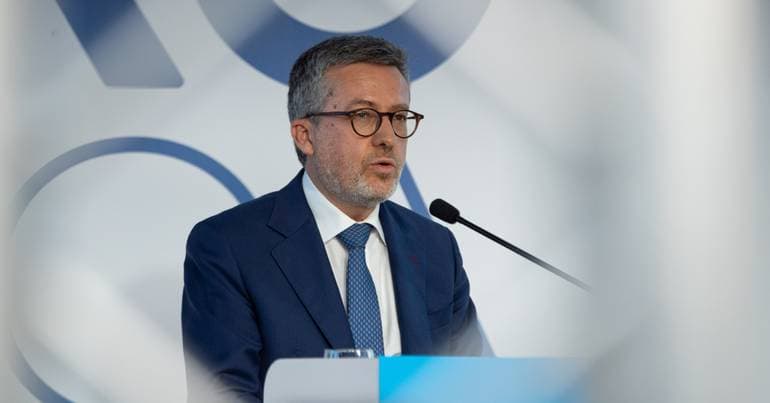
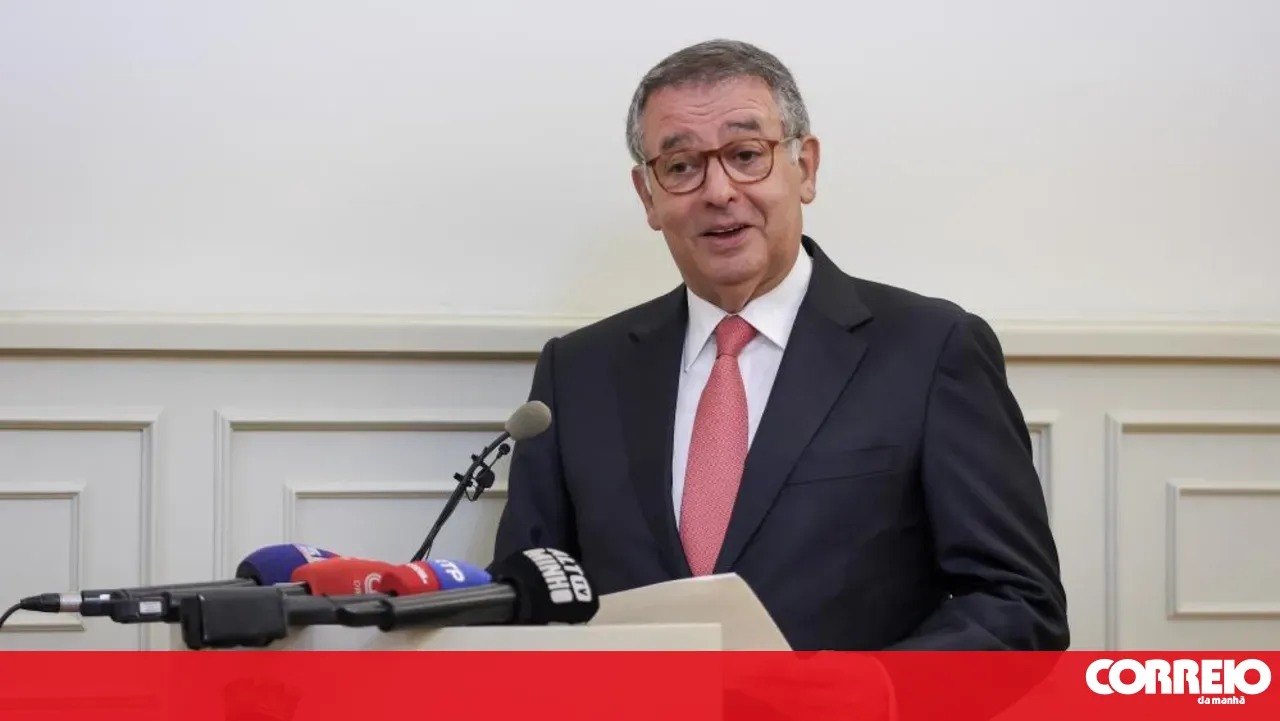
Adolfo Mesquita Nunes, a former Secretary of State for Tourism, discussed the impact of artificial intelligence on democracy at the Future Atlantic Forum. He argued that algorithms and digital platforms are creating information bubbles, fragmenting reality, and fostering political polarisation. Mesquita Nunes warned that the rise of generative AI and deepfakes threatens our shared perception of truth, potentially leading to a society where citizens only trust information that confirms their existing biases. He called for regulatory mechanisms to balance these digital systems without resorting to censorship, framing the challenge as a fundamental civilisational and ethical issue for modern democracies.
PSD deputy Paulo Lopes Marcelo defends the government's law, which aims to prevent the dragging out of the Marquês Case. Lawyer Miguel Matias says the law that will be introduced in parliament is “counterproductive”.
The implementation of Mário Draghi's recommendations remains slow, limiting investment, productivity, growth, and employment in Europe, according to the Reform Barometer by BusinessEurope, the largest European business confederation, of which the CIP–Confederation of Portuguese Business is a member. 'Only about 11% of the recommendations presented by Draghi in September 2024 have been implemented to date,' says Rafael Alves Rocha, Director-General of the CIP, in a statement. This situation leads the organization to assert that 'political messages in defence of competitiveness are not enough; urgent measures are needed to clearly and immediately alleviate the burden on companies.' The topic will be debated at the conference 'European Competitiveness 18 months after the Draghi Report,' taking place tomorrow (March 17) at the Bank of Portugal's Money Museum in Lisbon. The event, organized with the support of the CIP, will feature the participation of the Assistant Secretary of State and Budget, João Maria Brandão de Brito. The debate will focus on the most urgent challenges for European growth, with contributions from officials from the Bank of Portugal, BusinessEurope, academia, financial institutions, and the CIP. Economists and representatives from the business sector are also expected to attend. The 2026 edition of the Reform Barometer, one of the main European publications dedicated to analyzing economic reforms and EU competitiveness, will be on the table, the statement says. This study is published annually and analyzes the performance of European economies in areas such as public finance, business environment, innovation and skills, access to finance, taxation, financial stability, and the labor market. In this edition, the barometer reveals that nearly 60% of national confederations, members of BusinessEurope, have a more favorable opinion of the European Commission's competitiveness and growth agenda than a year ago. However, only 19% of respondents point to an improvement in the EU's investment environment, while more than half see no change. About a third state that conditions have worsened. The conference program includes debates on the state of EU competitiveness in a context of increasing global competition, the next Multiannual Financial Framework and the role of cohesion policy in supporting investment, and the development of the Savings and Investments Union. Navigator heads towards the future with bets on tissue paper and coffee capsules; footwear sector invests 50 million to position itself as a supplier to the European military sector.
The Casa para Viver platform is petitioning the President of Portugal to declare the housing crisis a national emergency, advocating for rent controls and eviction protections ahead of nationwide protests.
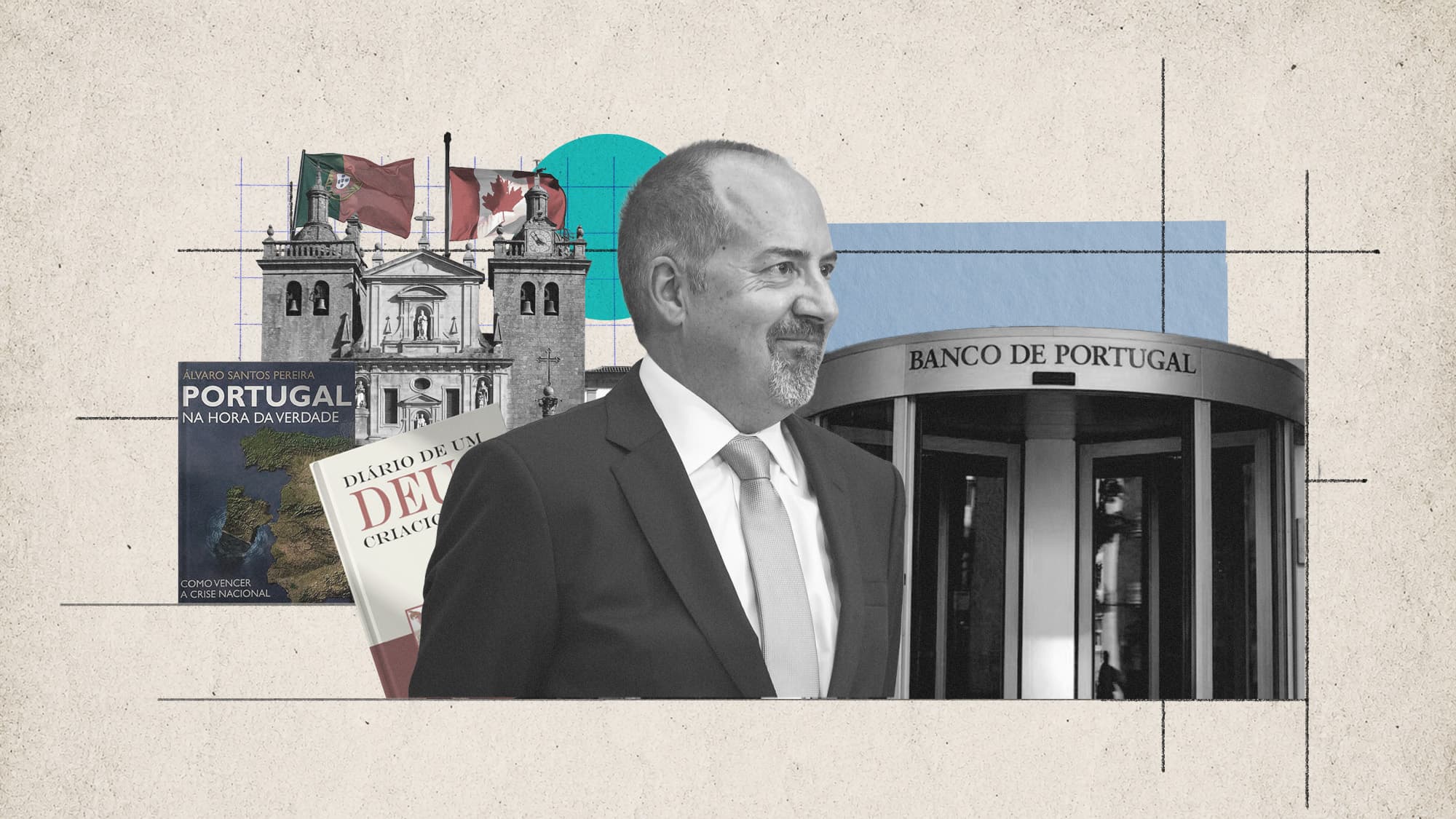
The Chega party is calling the Governor of the Bank of Portugal to Parliament to explain Mário Centeno's retirement, which party leader André Ventura described as having “scandalous benefits” and being the result of a “hidden agreement.” Ventura criticised the arrangement, which allows the former governor to retire at 59 with a pension nearly equal to his previous monthly salary of 17,000 to 20,000 euros, calling it an “absolute immorality” while the general public is expected to work until 67. Additionally, Ventura addressed recent criticism regarding the party's presence at the Futurália education fair, denouncing what he termed an “attempt at censorship” by academic institutions that opposed the party's participation.
While participating in a demonstration against US attacks on Iran, the communist and Bloco leaders converged on what the reaction to the price hike crisis, resulting from the conflict in the Middle East, should be.
Paulo Raimundo (PCP) and José Manuel Pureza (Bloco de Esquerda) called for the government to regulate and cap prices on essential goods, fuel, and banking fees during a demonstration in Lisbon. The protest, organized by the Portuguese Council for Peace and Cooperation, also condemned the actions of the US and Israel against Iran, with both political leaders criticizing the Portuguese government's alignment with these international policies and its failure to tax the 'obscene profits' of large corporations during the current inflationary crisis.
With the war between road transport operators intensifying after the court ruled in favour of FlixBus and ordered Rede Expressos to grant access to the Sete Rios terminal in Lisbon, the president of the Mobility and Transport Authority (AMT) stated that the fact that 'a relevant part of these infrastructures is managed by entities' is a concern.
The President of the Republic receives the Prime Minister for their first weekly audience in Belém. Parliament discusses bills from the PSD, CDS-PP, PAN, and Chega parties regarding amendments to the legal framework for ride-hailing services (TVDE).
The article reports on protests by Lusa news agency workers in Lisbon and Porto, demanding that the Portuguese Regulatory Authority for Communication (ERC) address the recent revision of Lusa's statutes, which was carried out by the government. Union representatives argue that the restructuring and statutory changes conflict with European press freedom regulations and threaten the agency's independence. The protests included slogans and banners emphasizing the importance of autonomy and criticizing government influence. Workers plan to formally request ERC intervention and continue engaging with European institutions. The controversy centers on the company's reorganization, governance model, potential relocation to RTP facilities, and negotiations over working conditions, raising concerns about the future of Lusa and press freedom in Portugal.
The party has submitted a bill to parliament to prevent “conflicts of interest,” in the context of the dispute between FlixBus and Rede Nacional de Expressos regarding the Sete Rios concession.
The Liberal Initiative (IL) will bring a new law to a vote in Parliament to regulate bus terminals, in order to avoid the repetition of situations like the one seen in Sete Rios, Lisbon, where the Rede Nacional de Expressos (RNE) is simultaneously the manager and a user, allowing it to deny entry to competing operators in this space.
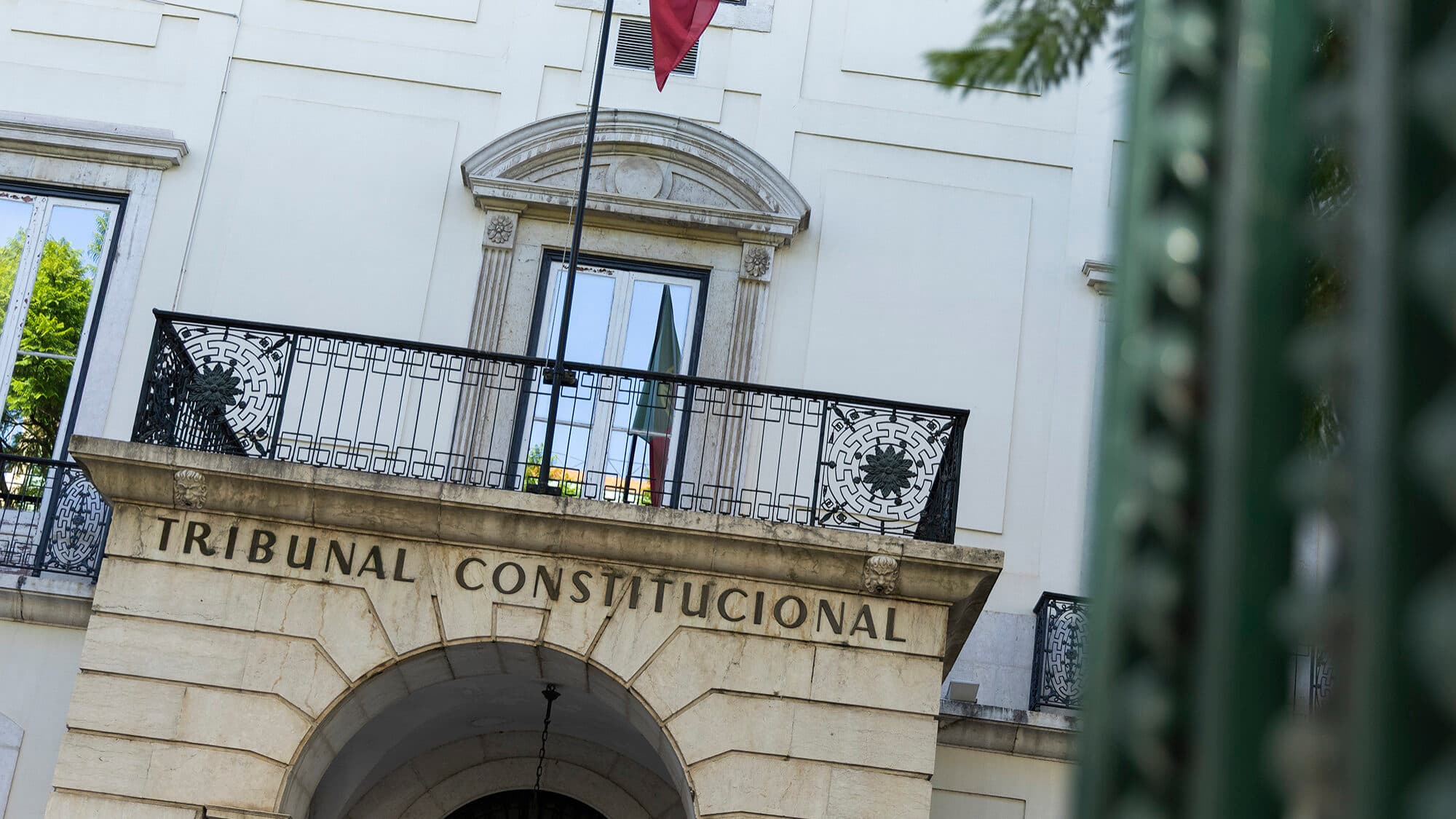
The appeal against the public disclosure of the consultancy's clients was signed by the Prime Minister himself, who does not accept its rejection by the judges of the Ratton Palace.
The Food and Economic Safety Authority (ASAE) seized approximately 6,834 litres of wine, 9,112 bottles labelled as organic product and 8,432 certifier seals in clear non-compliance with applicable legislation. In a statement, ASAE says the seizures were carried out last week during an inspection operation and that it was ...
Cascais municipality has taken out a €30 million loan to stymie property speculation on 32-plots close to ‘millionaire paradise’ Quinta da Marinha. Correio da Manhã reports today that the council The post Cascais municipality takes out €30 million loan to stymie property speculation appeared first on Portugal Resident.
Some elderly residents may have died because of a lack of nursing care in an illegal care home in Sintra. RTP obtained images showing the condition of some wounds. It's a report to watch tonight, immediately after the Telejornal (the evening news).
Lisbon's municipal authority has proposed banning alcohol consumption in public streets from 11pm, with proposed fines of up to €3,000 that could also be applied to establishments. Framed as a measure to reduce nuisance and improve public safety, the proposal raises questions about enforceability, proportionality and the potential economic impact on nightlife and hospitality. Separately, Le Monde reports Emmanuel Macron accusing Donald Trump of 'breaking with international rules', underscoring a parallel debate about norms and accountability on the international stage.