3.9 million to monitor control at airports
A 3.9 million euro contract has been awarded to provide technical assistance, training, and maintenance for biometric control systems at airports under the European Entry/Exit System.
cmjornal.pt

Latest news and stories about entry exit system in immigration in Portugal for expats and residents.
A 3.9 million euro contract has been awarded to provide technical assistance, training, and maintenance for biometric control systems at airports under the European Entry/Exit System.
The EU's new Entry-Exit System (EES) — which now obliges over a third of non‑EU nationals entering the Schengen area to submit extra personal and biometric data — has provoked a standoff between airports and Brussels. Airports warn of operational strain, higher costs and longer processing times amid limited staff and technical readiness; EU institutions argue the measure is necessary to improve border security, migration management and traveller rights. The dispute highlights tensions between security aims, data‑protection concerns and practical implementation challenges that could affect expats, short‑term visitors and airlines alike.
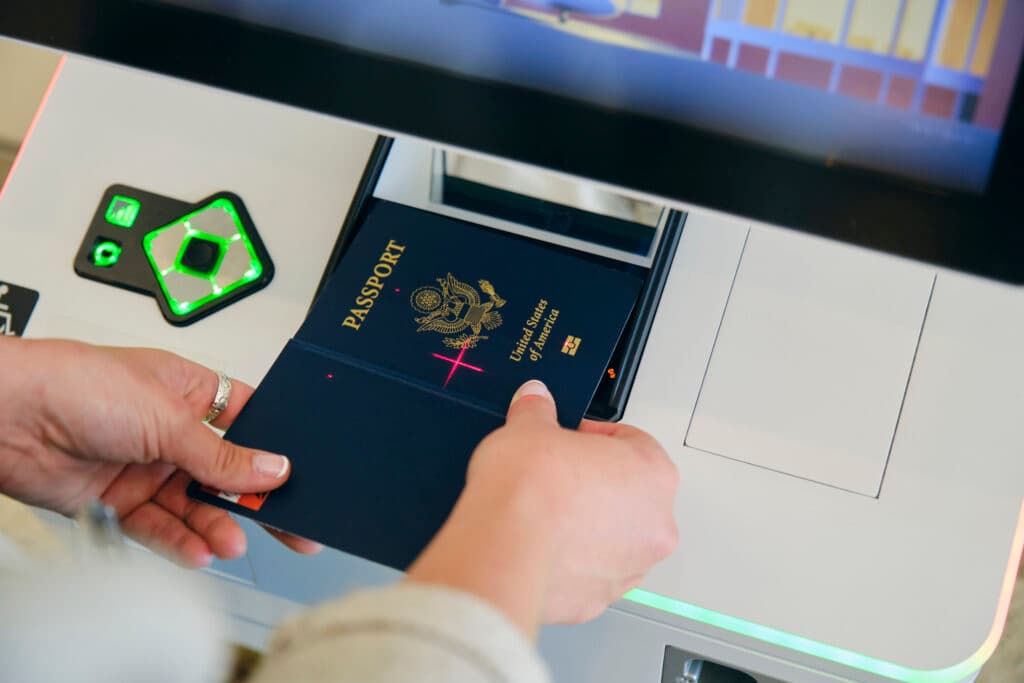

The collection of biometric data from foreign passengers will reach 100% coverage starting September 6, Prime Minister Luís Montenegro announced during a visit to Lisbon Airport. The Entry/Exit System (EES) replaces passport stamps with digital biometric registration for non-EU citizens. Montenegro acknowledged the increased pressure on airport operations and promised ongoing monitoring, technological investment, and procedural adjustments to improve efficiency and reduce wait times, while emphasizing the necessity of maintaining security standards.
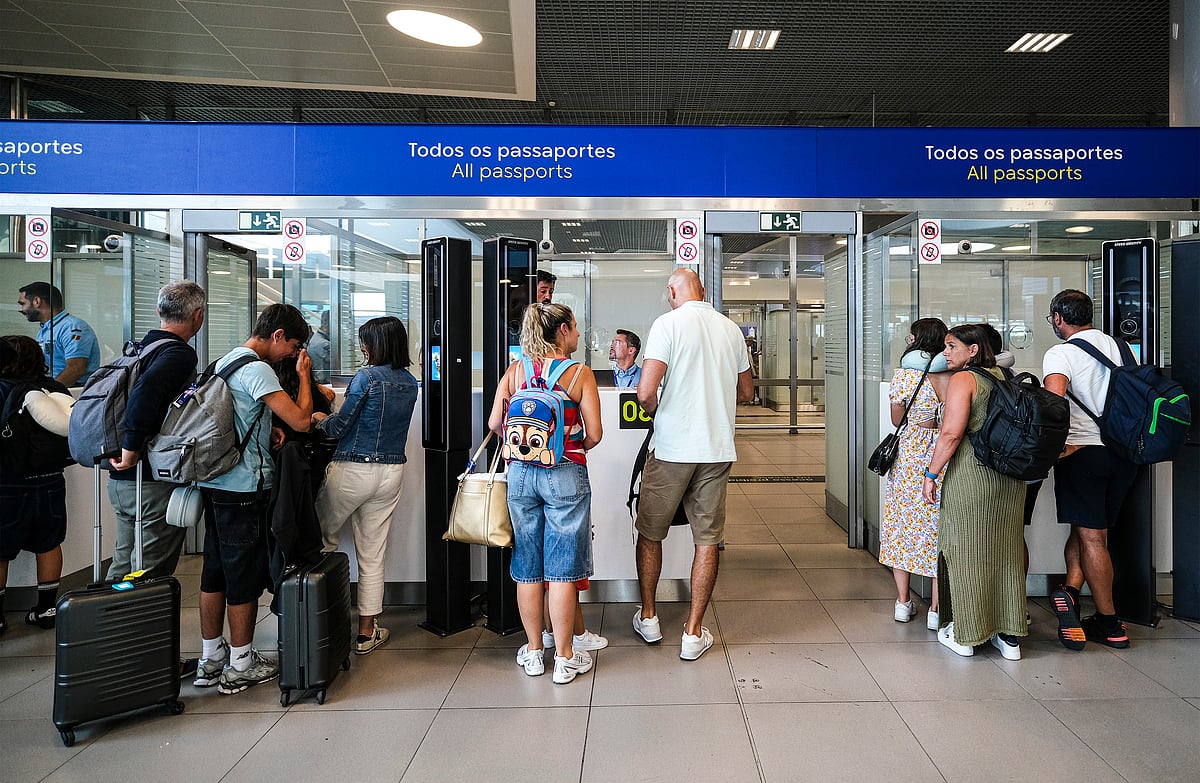
The measure comes after problems identified with the European Union's new Entry/Exit System

The European Commission is currently refraining from calling it a European problem, but acknowledges that some member states are having difficulties implementing the new entry and exit system in the Schengen Area for non-Europeans.
The new European Entry/Exit System requires digital registration for non-EU citizens in the Schengen area. Airlines and airports warn that the final phase arrives on April 9th, during the peak of Easter travel.
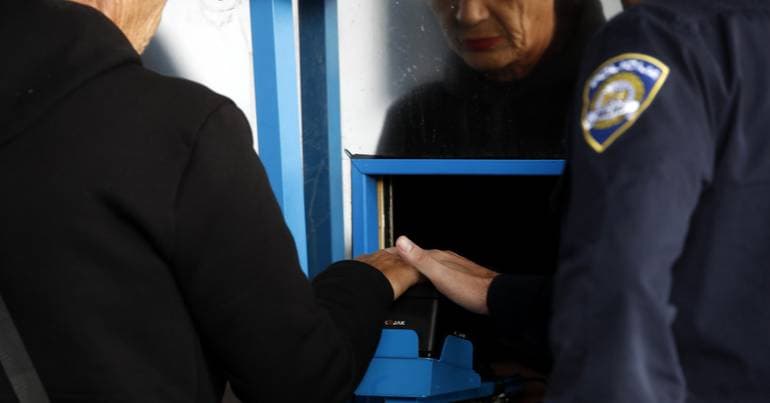
The Ministry of Internal Administration states that the European border control system for non-EU citizens, known as the Entry/Exit System, has been resumed and is now active.
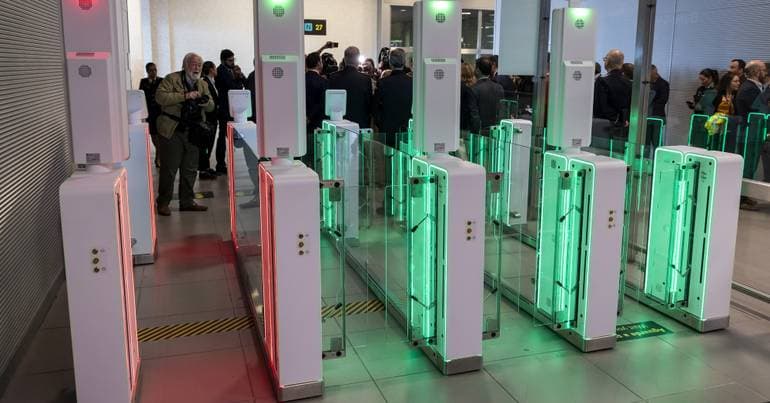
The article from Liverpool Echo discusses the Entry/Exit System (EES), which is set to replace physical passport stamps for non-EU visitors traveling to Schengen Area countries, including Portugal. The EES will electronically register entries and exits of non-EU nationals and is being phased in, with full implementation expected by April 2026. Travelers may need to register biometric details, such as fingerprints and photos, upon their first entry into a Schengen country. Children under 12 will not have their fingerprints taken but may have their photos captured. The EES aims to enhance border security and track travelers to prevent overstaying and misuse of visa-free travel. The article also outlines exemptions from the EES, including certain train travelers, crew members, and nationals from specific countries like Andorra and Monaco.

After all the affirmations that hideous queues at border control gates at Lisbon airport had ‘nothing to do with the new European Entry/ Exit System (EES), the system is to The post EU border control system to be ‘reactivated on Monday’ at Lisbon airport – and then suspended again appeared first on Portugal Resident.

The Minister of Infrastructure explained that only the deployment of the new European system was suspended because it did not ensure effective waiting times.