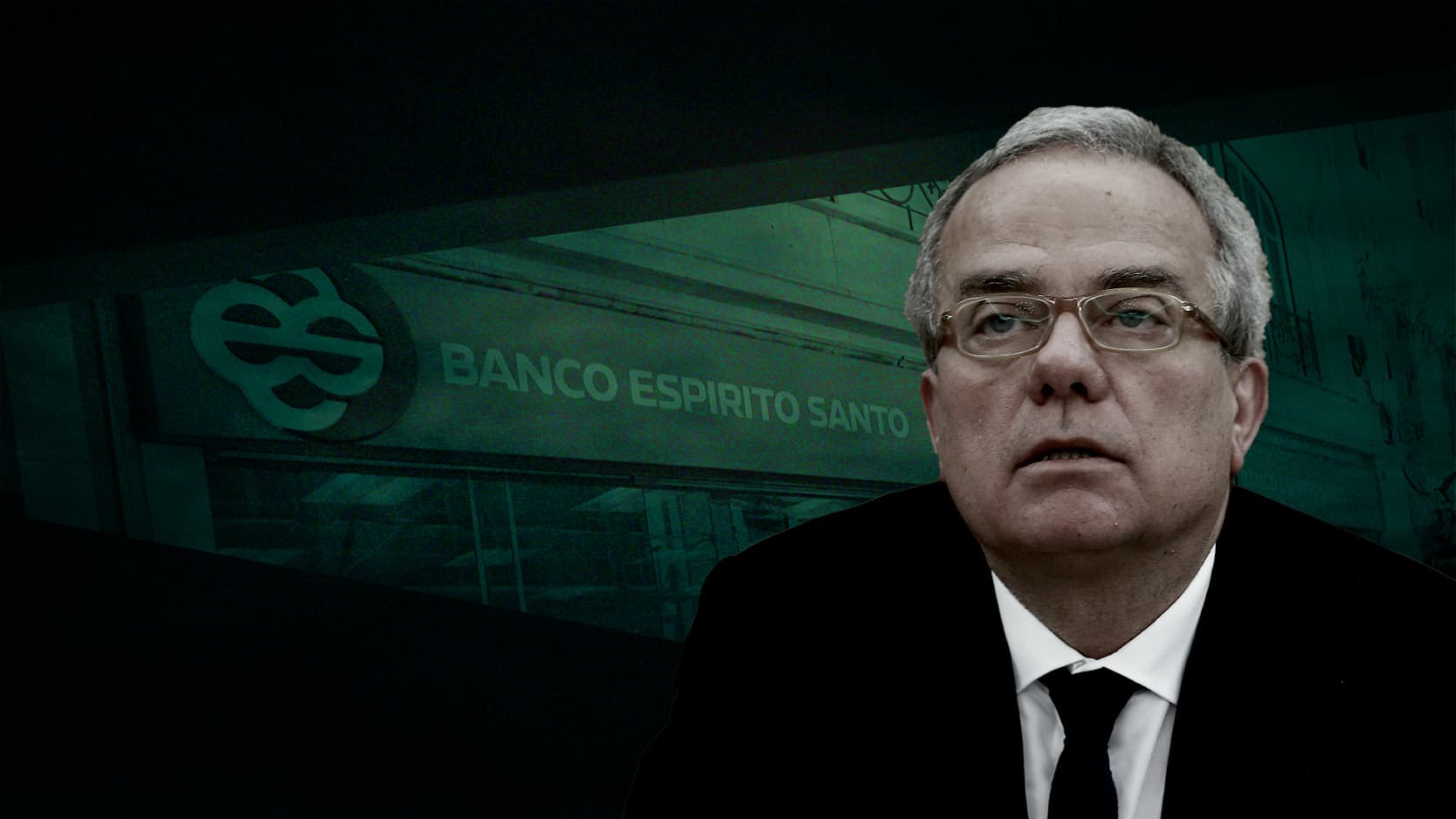
Montenegro, Sócrates and corporate interventionism
An analytical look at the interventionist economic policies of the Sócrates administration in 2008, specifically focusing on the energy sector and the influence of Manuel Pinho.
eco.sapo.pt

Latest news and stories about investment in history in Portugal for expats and residents.
An analytical look at the interventionist economic policies of the Sócrates administration in 2008, specifically focusing on the energy sector and the influence of Manuel Pinho.
Finance Minister Joaquim Miranda Sarmento's proposal for a new windfall tax faces skepticism due to the historical failure of similar measures and the government's tendency to make 'temporary' taxes permanent, as seen with the CESE and Stamp Duty.
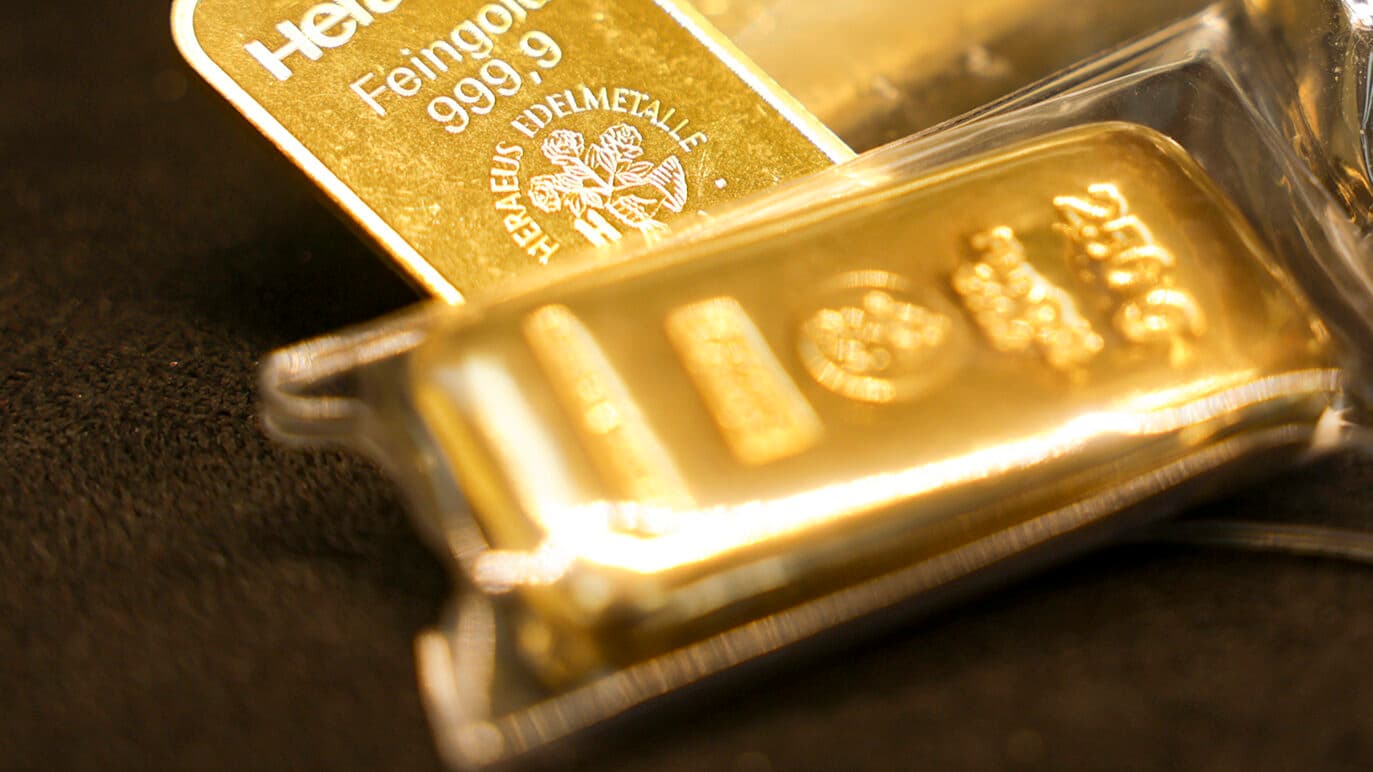
Gold climbed above the historic US$5,000-per-ounce threshold for the first time, trading at US$5,029.39 (€4,238.50) around 23:40 on Sunday. The rally, which has persisted for about two years, is being driven primarily by safe‑haven demand amid geopolitical, trade and monetary-policy uncertainty tied to Donald Trump’s presidency and by a weakening US dollar. The move underscores gold’s role as an inflation and risk hedge and has implications for asset allocation, currency-sensitive investors and central‑bank policy expectations.
António Costa says this is a historic agreement between the European Union and Mercosur and rejected criticism that it favours Europe. According to the President of the European Council, it is a trade agreement but also one on investment.
In 2006, the company carried out the fifth-largest Euronext admission of that year. More than 100,000 investors participated in the operation, and demand exceeded the offer by more than 20 times.
In 2006, Galp did not have the oil production it has today. Amid the transformation of the energy sector in Portugal, the company went public 20 years ago, attracting over 100,000 investors. The operation brought 'increased responsibility towards shareholders,' says Paula Amorim to Expresso. And it 'allowed the State a tremendous financial windfall,' recalls Manuel Pinho.

In the early decades of the 20th century, the Western world was witnessing a profound transformation in its economic and social structures. Industrialisation, urbanisation, and the consolidation of the bourgeois mentality brought new risks, but also new ways to mitigate them. It is precisely in this transition scenario that life insurance advertising leaflets...

From Mr. Manuel and 19 other ‘fireflies’ working at the Lisbon Gas Lighting Company in 1848 to the 20% stake held by Galp in the “enormities” that are the ships serving as oil platforms, co-CEO Maria João Carioca traced the company’s history and growth while addressing the topic currently defining...

The Porter Project, launched in 1994 by the Minister of Industry and Energy, Mira Amaral, to apply the professor's model to the Portuguese economy, proved significant for the development of existing clusters and the economy as a whole. Supported by Finance Minister Eduardo Catroga, the project gained widespread backing from public and private entities. While traditional sectors like textiles, footwear, and tourism were considered exhausted, Porter's team demonstrated their competitive potential. Mira Amaral subsequently established working groups to implement the project's recommendations. A new book, 'The 1994 Michael Porter Report Revisited - Portugal: 1994-2025-2030', provides a positive assessment of the project. Authors André Paula Santos, Alcino Lavrador, and Bruno Damásio combine historical analysis with future projections, bridging traditional industries with modern specialisations like artificial intelligence, sports technology, and aeronautics.

An investigation into the background and current state of a multi-million euro village project that remains deserted.

In 1996, EDP launched its “internationalisation crusade”. Brazil was the first destination, followed by Spain and the United States. Today, the company is present in around 20 countries across Europe, North America, South America, and Asia. This expansion allowed the group to achieve a global presence and the strength to avoid being swallowed by other companies. This is the third article in the series that Expresso is publishing on the 50-year history of EDP.

The application will ensure the continuity of what was started in the first phase of the project in 2022 and allow for progress towards structural investments.
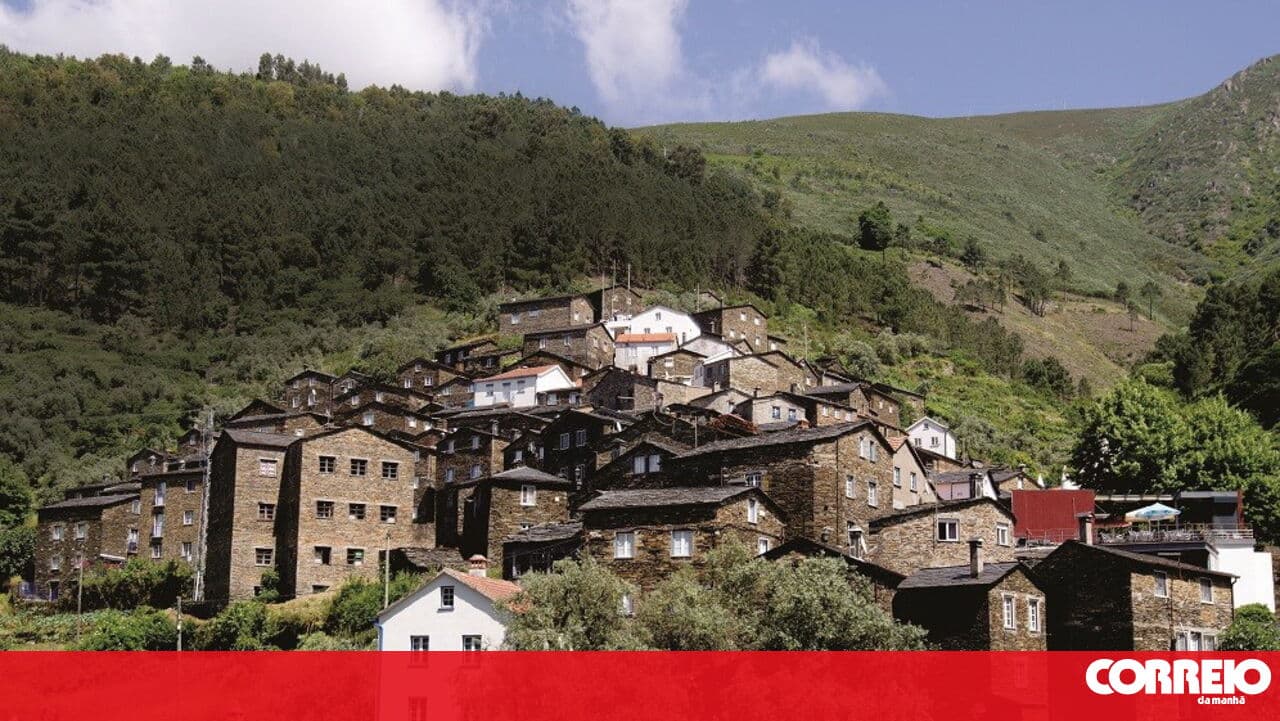
The 2017 wildfires led to a drop of almost half in hotel revenue.

Statements from the key figures at the conference celebrating the 150th anniversary of Caixa Geral de Depósitos, for which Expresso served as a media partner.

José Maria Ricciardi, who died this week at the age of 71, left an important mark on Portuguese banking. Not only because he was part of the tragic history of BES, a process in which he challenged and disputed the leadership of his cousin Ricardo Salgado, but also for the boost he gave to investment banking in Portugal through BESI.