José Veloso de Castro was a multifaceted figure — soldier, cartographer, colonial administrator, postcard publisher and magazine owner — who consistently used photography as a personal and professional tool. An analysis of his life shows how his visual output intersects with colonial administration, publishing and cultural production, while archival traces beyond images reveal a complex, troubled biography that raises questions about power, memory and historical representation. His work is significant for historians of photography, colonialism and cultural history because it documents and shapes narratives of empire even as it reflects the ambivalences of its creator.
This analytical piece examines Maria Amália Vaz de Carvalho as a pioneering educator of women whose public achievements were shadowed by private difficulties: her father’s harsh criticism of her poetry and her husband’s betrayal. Drawing on the narratives of Margarida Vila-Nova, Maria João Lopo de Carvalho and Alexandre Borges, the article reassesses how a woman operating within a patriarchal literary culture came to be framed as 'a man of genius', and what that framing reveals about gender, authority and literary history.
One of the most important Black intellectuals of the 20th century, he developed the concept of 'négritude' alongside Aimé Césaire. Despite having been the Senegalese President for 20 years, he only wanted to be remembered as a poet.
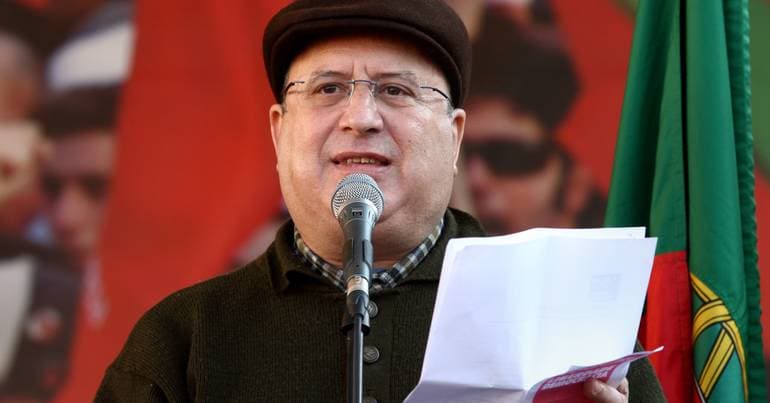
Henrique Araújo, former president of the Supreme Court of Justice, had a rock band, refused to change an article rejected by the Censorship, and was a founder of the PS in Arcos de Valdevez.
Starting this Tuesday, a street in Cascais will bear his name. He was a journalist, a politician, and a hard worker. And he practiced, with pleasure, the art of living. Maria João Avillez asks: how many can boast of this?
He had to support himself from a very young age, fought against Salazarism, transported diamonds to Paris without knowing it, was targeted for recruitment by Cuban intelligence, and refused to be José Eduardo dos Santos's lawyer.
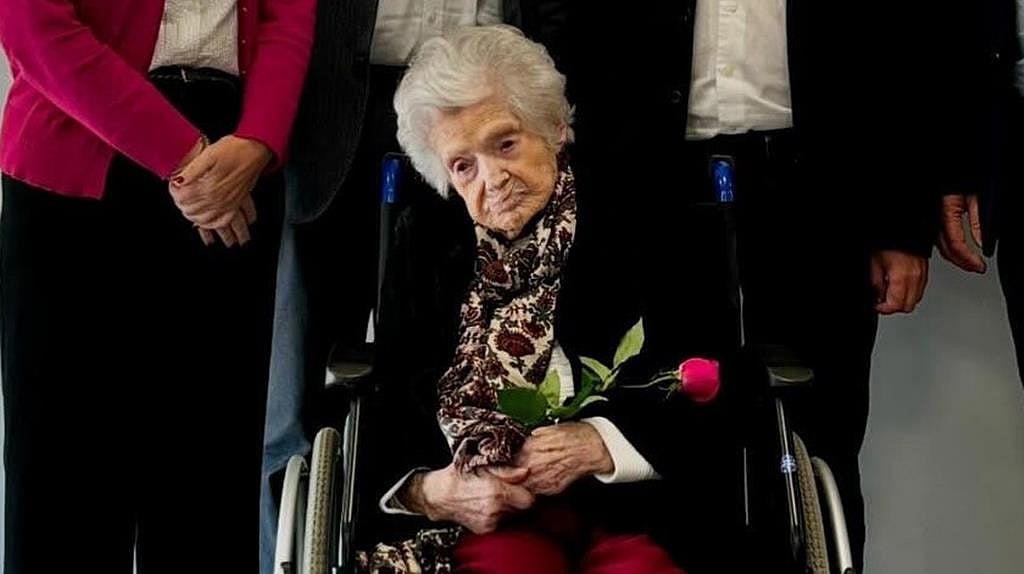
Maria da Conceição, the oldest living Portuguese woman, has passed away at the age of 113 years and eight months. Known in São Brás de Alportel as the 'Queen', she lived her entire life in the Algarve region, witnessing over a century of history. She passed away peacefully in her sleep at the local nursing home, leaving behind a legacy of a simple life spent in the Barrocal and Serra do Caldeirão.
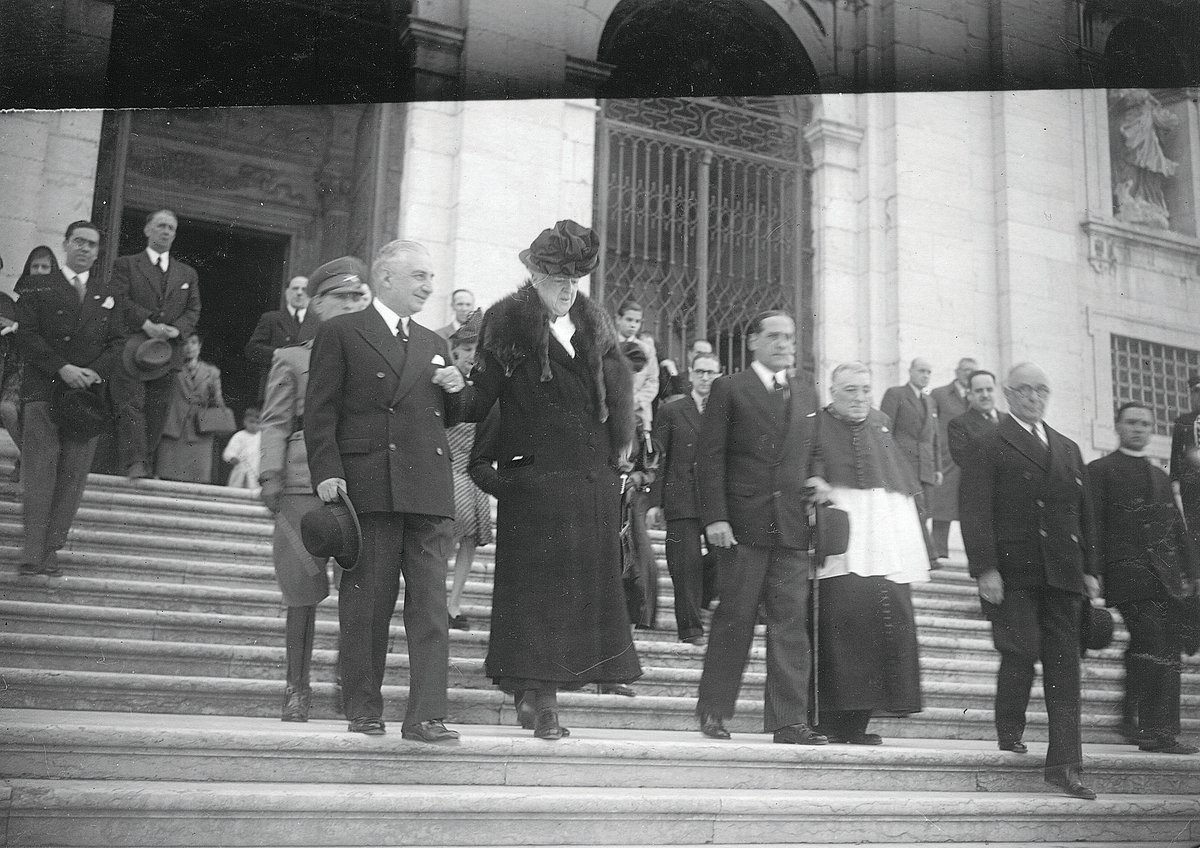
Queen Amélia, the last queen of Portugal, is the subject of a new biography by José Alberto Ribeiro. The book explores her life, from her arrival in Portugal and the tragic Regicide that claimed her husband and eldest son, to her exile in England and her eventual return to Portugal in 1945. Drawing on her personal diaries, the biography offers an intimate look at a woman who remained a pillar for her son, King Manuel II, during the final, turbulent years of the Portuguese monarchy, and examines her complex relationship with the Estado Novo regime and her enduring legacy, including her role in founding the National Coach Museum.
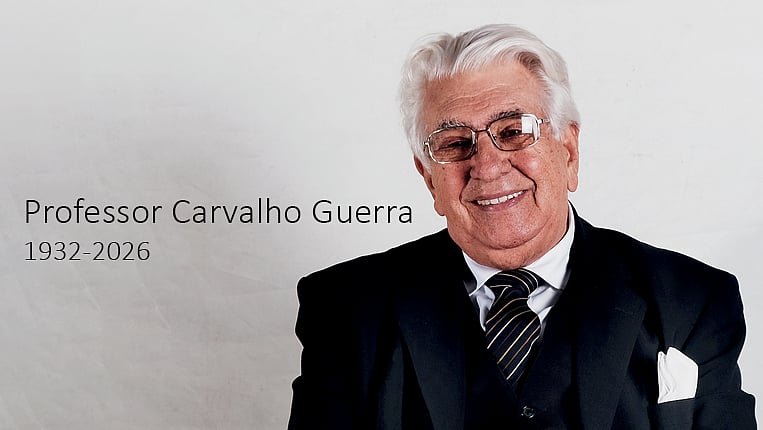
To speak of Porto over the last 60 years, to speak of the Porto of science and culture, to speak of the Porto of faith and reason is impossible without speaking of Francisco Carvalho Guerra. Opinion by Paulo Rangel
Professor Francisco Carvalho Guerra, a key figure in Portuguese science and education and founder of the Catholic University of Porto's regional centre, has passed away at 93. A distinguished biochemist and former head of the Order of Pharmacists, he was remembered by Prime Minister Luís Montenegro and university officials as a visionary leader, dedicated educator, and influential academic who left a lasting legacy in Porto and beyond.
Can a retired ambassador publicly criticise the country's foreign policy positions? Luís de Almeida Sampaio takes stock of a 40-year diplomatic career, in a life fulfilled after service.
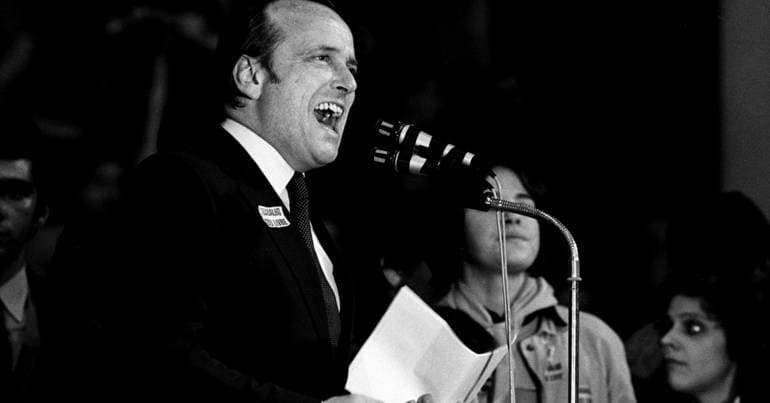
Sérvulo Correia talks about his childhood in the Azores, his classes with Marcelo Caetano, the war in Guinea-Bissau, and his entry into Sá Carneiro's PSD. First part of a long conversation with Luís Rosa.
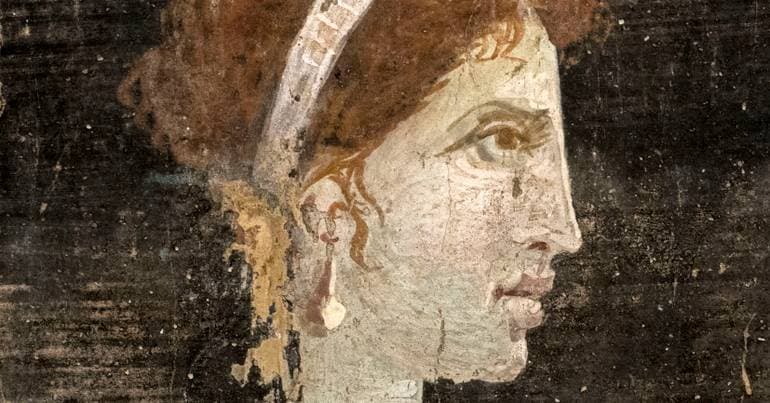
In a book now published in Portugal, historian Christian-Georges Schwentzel shows that there is much more to the history of the Queen of Egypt than romances with powerful men. We spoke with the author.
During the massacre at the Santa Cruz Cemetery in Dili, the image of people kneeling in prayer that remains forever etched in our memory is, to a large extent, owed to him.
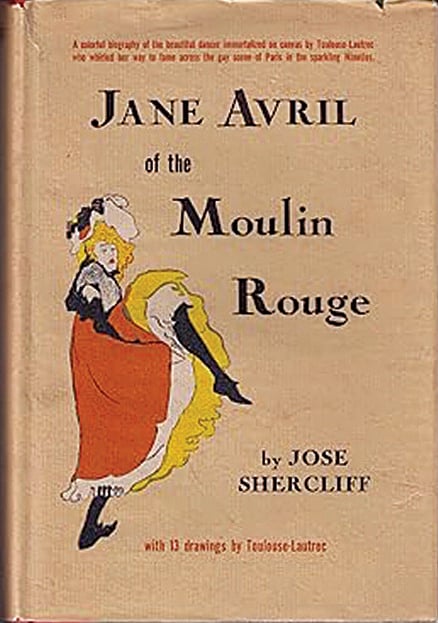
Wherever I travel, Portugal always seems to follow me. It happened again, this time in Aix-en-Provence, in the south of France. There are three protagonists in this story: Henri de Toulouse-Lautrec, whose paintings and posters immortalised the Parisian cabaret Moulin Rouge; the legendary dancer Jane Avril; and her biographer, the British correspondent José Shercliff, who lived more than half her life in Lisbon before dying in Cascais in 1985 at the age of 83. A temporary exhibition at the Caumont Museum presents Toulouse-Lautrec's iconic posters, reflecting his passion for the Moulin Rouge and its dancers. Among them all, Jane Avril held a special fascination for the artist. Born Jeanne Beaudon into poverty, Avril became the lead dancer at the Moulin Rouge. Her unique style distinguished her from the famous can-can performers. The museum chose the poster 'Jane Avril aux Serpents' to advertise the exhibition. The work depicts the dancer in a black dress adorned with a snake motif, her body contorted like a serpent. Like Toulouse-Lautrec, Shercliff, then Paris correspondent for the British newspaper Daily Herald, was fascinated by the artist after interviewing her. In 1952, she published the biography 'Jane Avril of the Moulin Rouge', illustrated with drawings by Lautrec. Shercliff would also become part of Lisbon's history during the Salazar regime. She worked for The Times of London, the BBC, and the Associated Press, and her home became a meeting point for figures such as Mário Soares and Paula Rego. Born Josephine, she signed her articles as 'José', perhaps believing a masculine name made life easier as a foreign correspondent. She was witty and had a technique that would make Mata Hari spin in her grave. A former colleague recalled her 'pin method'. Whenever she learned that a Portuguese soldier had been wounded or killed in Angola, Mozambique, or Guinea, she would stick a pin in the map corresponding to the location. Over time, this map allowed her to produce extraordinarily accurate casualty estimates, which the Associated Press published, much to the frustration of the Portuguese military leadership. For years, rumours circulated that José was a British agent. She was even detained in Barcelona on suspicion of espionage during the Spanish Civil War. She arrived in Lisbon in 1940 intending to catch a ship to New York to continue her career at the Daily Herald. Instead, she remained in a city teeming with Allied and Axis spies. The young woman, who moved from the elegant salons of the Moulin Rouge to the shadowy corridors of government offices, remained an enigmatic figure, revealing very little about herself, despite having written Jane Avril's biography. Perhaps we will learn more when the book about her life, authored by Wilton Fonseca and Gonçalo Pereira Rosa, is published in the autumn.
The jury praised the “exciting narrative” about the life of the most prominent urban planner in recent Lisbon history, who designed the capital's main avenues and changed the city's urban landscape.
Whether with more faith or more disbelief, it is difficult not to admire a man's deep devotion and his desire for knowledge as a will for self-affirmation. The biography written by Alessandro Barbero recalls him.
Microhistory was the great undertaking of this giant figure of historical research, who utilised tools from the humanities and literary studies. He was 87 years old.
From Proença-a-Nova to Angola, at 16 years old, alone on a passenger ship, and returning in 1975 with nothing. What was the life and career of António Ribeiro Cristóvão, the iconic Portuguese radio narrator, like?
With a unique style, and like no one else could, he translated the transition from dictatorship to democracy into drawing. He was a multidisciplinary artist with a career spanning over five decades. He died at the age of 98.
One of the voices synonymous with radio in Portugal. Beyond the voice, the format. Cândido Mota was a pioneer of open-line radio programmes. He died at 82, leaving a legacy in communication in Portugal.
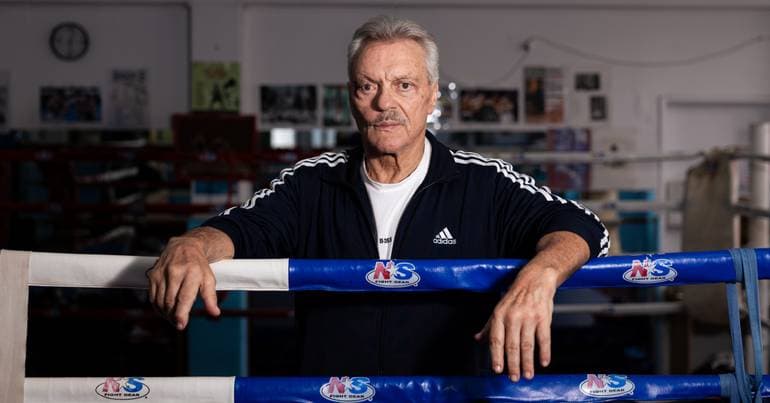
From Ajuda to Parque Mayer, from titles to ruin in casinos, from the shots he took at night to the glory days in the ring. The struggle is portrayed in “Punch by Punch”, a documentary by Diogo Varela Silva.
António Ferro was an essayist and novelist. As a journalist, he interviewed Hitler and Mussolini, and reported from Hollywood, proving his cinephile streak. In 1933, Salazar entrusted him with promoting the image of the State. Once a cursed figure, he is now the subject of master's and doctoral theses. The fourth of six episodes of the narrative podcast 'António Ferro: genius or propagandist?' is now available. It is dedicated to the relationship between the journalist and Salazar. The text and interviews are by Leonídio Paulo Ferreira, with narration and sound design by Nuno Braga.
Those who bought records at Torpedo did not know. Behind the counter was a punk vocalist who had participated in one of the biggest heists in French history. Gilles Bertin told everything in 'Thirty Years on the Run'.
In March 1970, the poet Natália Correia was given a suspended prison sentence for publishing the book “Anthology of Portuguese Satirical and Erotic Poetry”. She even considered defending herself in verse, as she did years later in the Assembly of the Republic with the famous poem she dedicated to CDS deputy João Morgado, when he argued that “the sexual act is for making children”. Natália Correia was like that: original, unsubmissive, provocative, and free, above all free. Discover her biography in this special podcast “Portraits of April”, originally released for the 50th anniversary of the Revolution in Portugal in 2024.
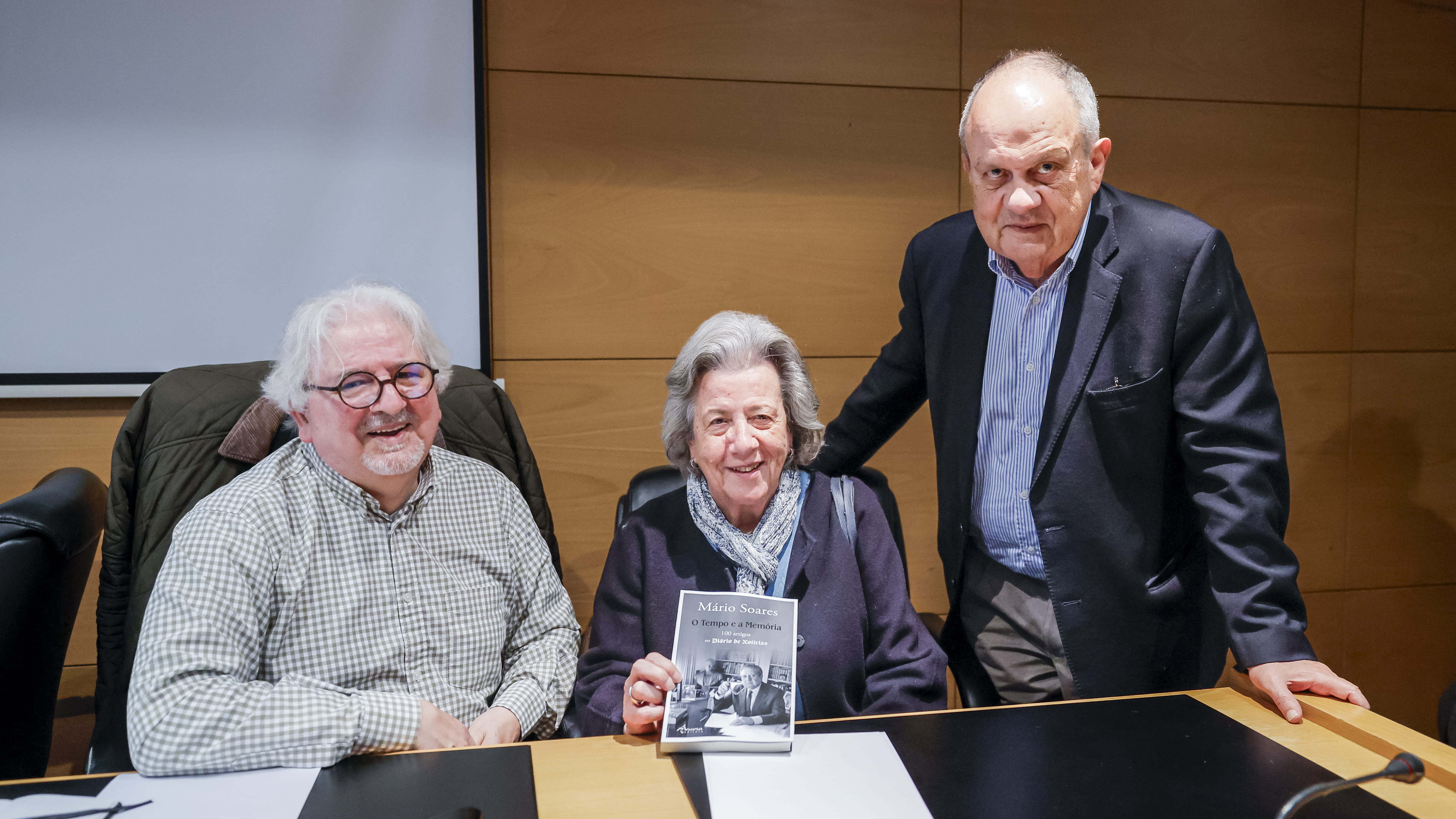
After reading over 400 chronicles written by Mário Soares for the Diário de Notícias between 2008 and 2015, former archive director Jorge Morais has compiled 100 of these texts into a new book titled 'O Tempo e a Memória'. The collection highlights a mature Soares at 90, reflecting his wisdom and serene observation. The book, which avoids chronological order in favour of thematic grouping, serves as a testament to his experience and intellectual depth. During the launch, Isabel Soares emphasised the importance of preserving these memories against modern attempts to rewrite history.