'We need public healthcare and public schools to reach the second round': Seguro appeals to 'progressives' to secure a 'good harvest'
On a day packed with campaign events, the presidential candidate renewed his appeal for votes from both the left and the right, positioning himself as the solution against 'extremisms'. 'The campaign ends today, but our work does not,' he told supporters.
Seguro asks for votes to send health and state schools into a second round
Seguro asks voters to support sending the health sector and state schools to a second round (run-off).

Seguro visited the Bolhão and had the backing of the former SNS CEO
António José Seguro says that if he is elected president he will not simply pass on messages and that when he speaks with the prime minister there will be consequences. The candidate spent the final morning of his campaign at Porto's Bolhão market and was joined by Fernando Araújo, the former chief executive of the National Health Service (SNS).

13:00: Marques Mendes says he was the target of an unfair attack
Marques Mendes argues that his candidacy is the only one that can defeat populism and experimentalism. Meanwhile, Seguro raises the issue of healthcare on the final day of the campaign.

Five-way race for the presidential run-off amid right-wing fragmentation
Three people died while awaiting assistance from INEM (National Institute of Medical Emergency); the Council of State weighs in on the war in Ukraine and the crisis in Venezuela; sexual harassment and Cotrim de Figueiredo's gaffe; many street rallies and campaign meetings; the appearance of Luís Montenegro attempting to save Marques Mendes; and an opinion piece by Cavaco Silva on the contest...
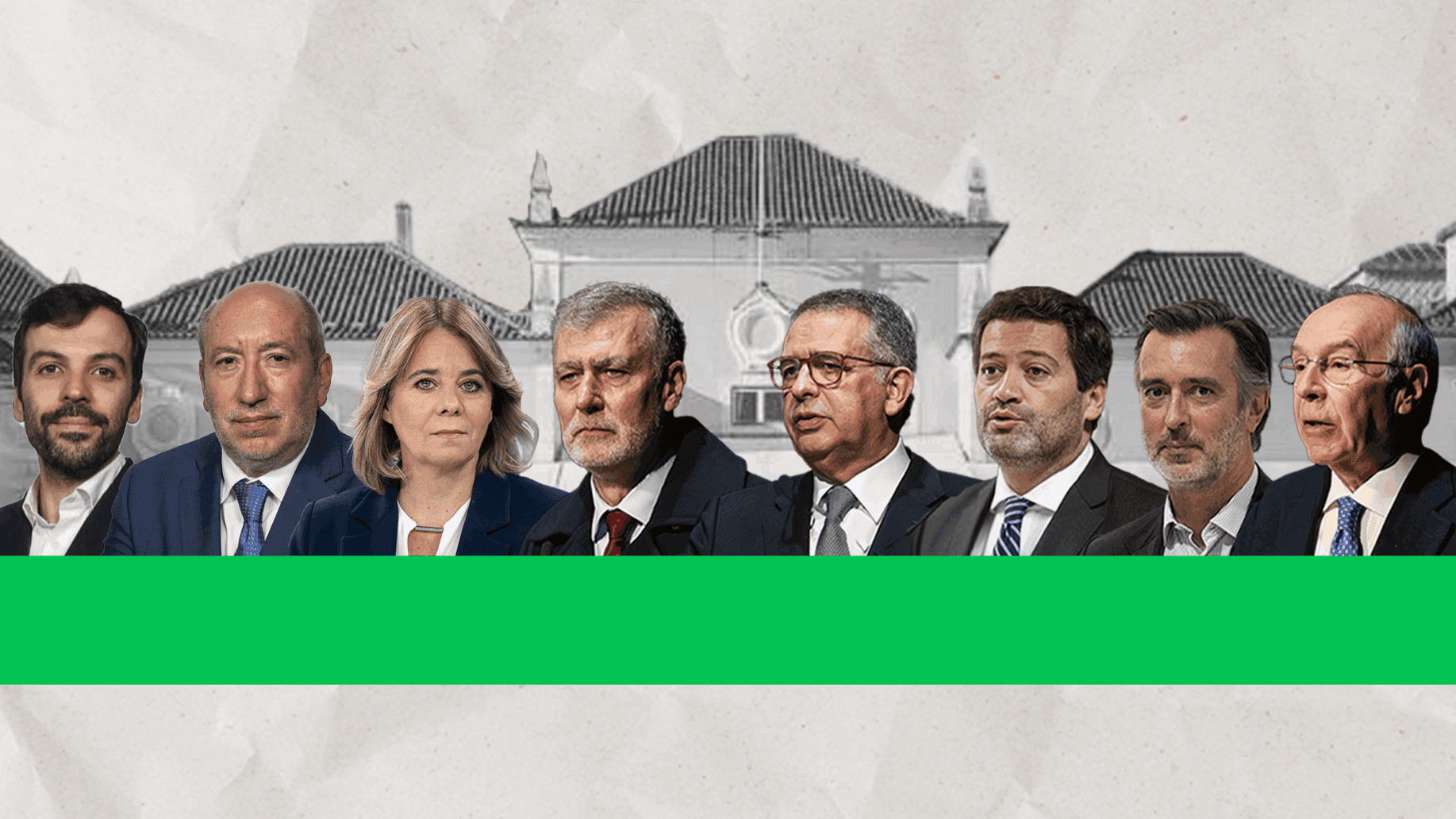
Henrique Gouveia e Melo, "the inexperienced"
He was the face of the “war against the virus” and has been regarded, since 2022, as one of the favourites for the Presidency. What story does the trajectory of the most “inexperienced” candidate in this presidential race tell?

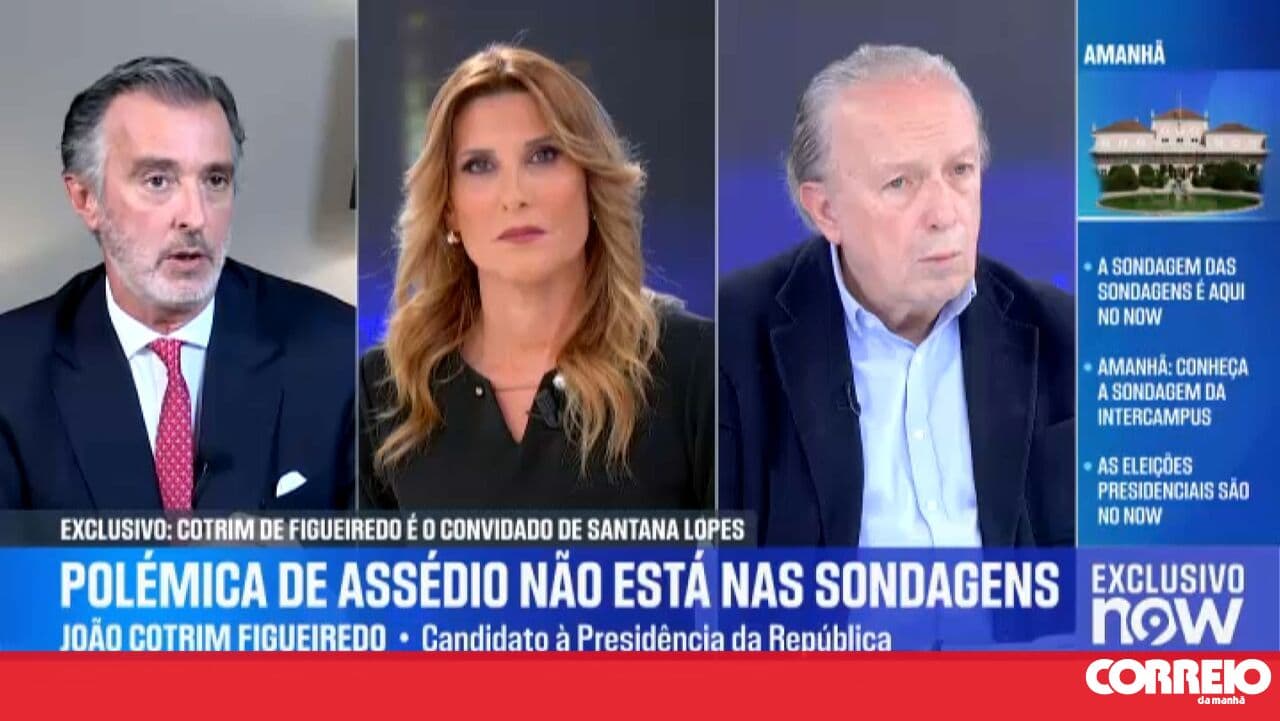
Cotrim de Figueiredo and abortion legislation: 'It seems unreasonable to me that a decision can be taken without the father's knowledge'
The presidential candidate, a guest of Santana Lopes, said on Tuesday in an interview on Now that he would like the father's opinion to be incorporated 'with greater legal force' in cases of voluntary termination of pregnancy (IVG, abortion). 'It seems unreasonable to me in a democratic society that a decision can be taken without the father's knowledge of the being whose life is to be terminated,' he said.
Morning briefing: Ventura and Seguro tied. Dermatology department at Egas Moniz has no scheduled relocation date
Summary: Ventura and Seguro are reported as tied; the dermatology department at Egas Moniz hospital currently has no confirmed date for its relocation.

Health again dominated the campaign on the day Cotrim said he had 'redoubled strength'
Several candidates criticised Montenegro for saying the 'perception of chaos' in Health does not reflect reality. Cotrim was called 'unfortunate' for saying he would not rule out backing no candidate in the second round.

9pm — Presidential election: Ventura first in latest poll
A poll says that André Ventura, António José Seguro or Cotrim de Figueiredo could reach the second round. Also, in 2025 people waited less time in the country’s emergency departments. Head.
Lunch with veterans and the criticisms of Cotrim de Figueiredo: Gouveia e Melo's campaign day in Setúbal
On a visit to the district of Setúbal, Admiral Gouveia e Melo voiced harsh criticism of the Government's handling of the National Health Service crisis and pointed to the controversy surrounding Cotrim de Figueiredo as yet another sign of the candidate's instability.
ECO of the Campaign. Health and labour 'break' the waiting rhythm for a new poll
On the 10th day of the official presidential campaign, attention turned to the poll that will be released this Wednesday. Typically, the campaign caravans slow as voting day approaches, but the new snapshot of voting intentions will dictate the penultimate and final days of the campaign en route to Belém. This ...
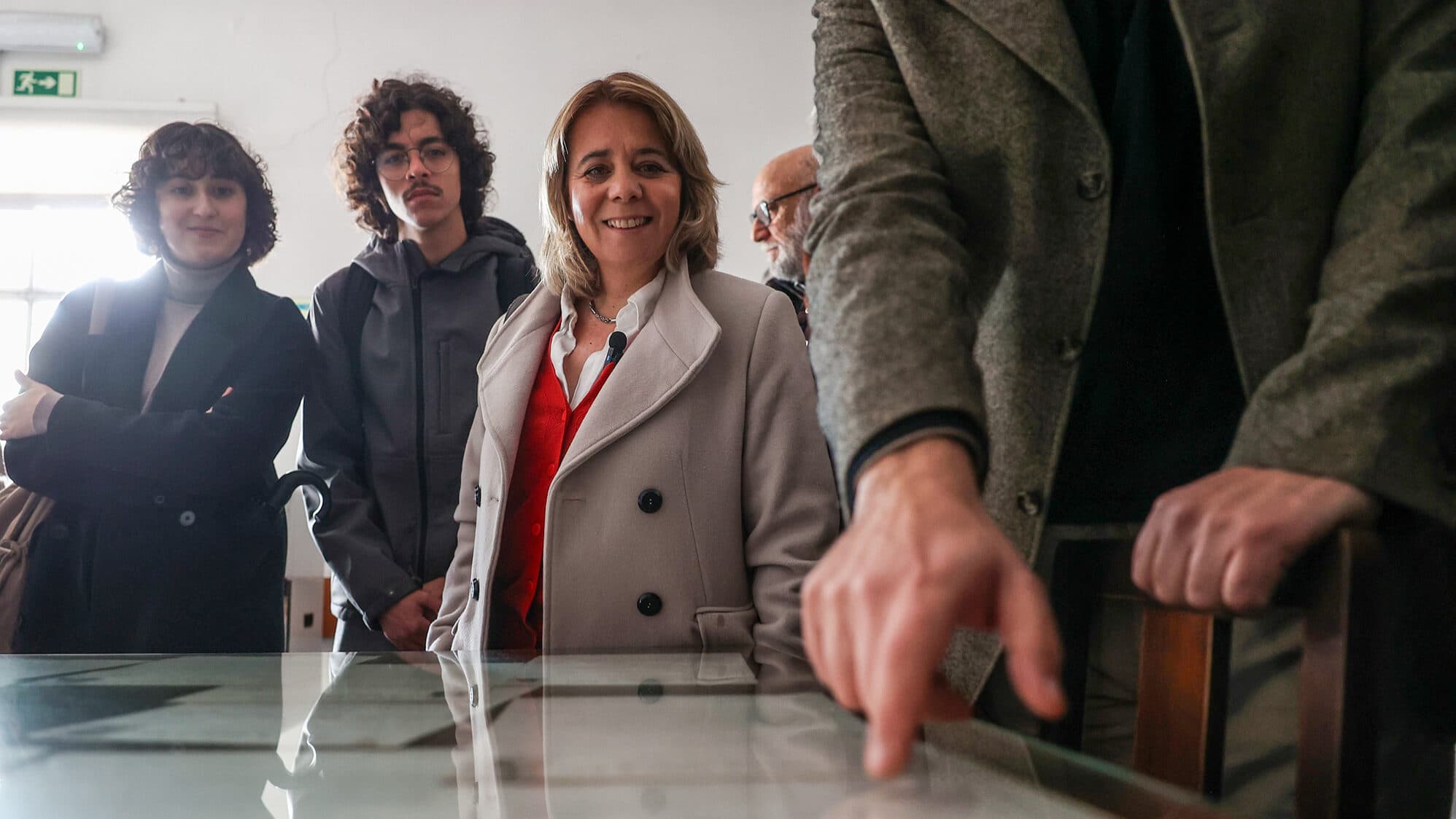
Catarina Martins says Montenegro knows the reality in the SNS and 'chooses to lie'
Presidential candidate Catarina Martins said today that the Prime Minister, Luís Montenegro, knows the reality of the problems in the National Health Service (SNS) but 'chooses to lie', insisting that the sector's deterioration is intentional.
Gouveia e Melo criticises Government for not yet drawing conclusions on the health sector
Presidential candidate Gouveia e Melo said today that the Government has already missed deadlines to resolve problems in healthcare, criticising the executive for, after nearly two years, still not having drawn conclusions about the sector's failings.
Ventura says Montenegro is 'the most clueless person in the country'
Presidential candidate André Ventura said today that the prime minister is 'the most clueless person in the country', after Luís Montenegro on Monday rejected the idea of chaos in healthcare.
Seguro says healthcare problems are not just perceptions but a real situation
Presidential candidate António José Seguro today contradicted the prime minister's suggestion that healthcare problems are merely perceptions, saying “the situation is real”, and argued that only through direct contact do politicians understand the difficulties.
Marques Mendes asks Ministry of Health for 'greater sensitivity'
Presidential candidate Luís Marques Mendes today asked the Ministry of Health for 'greater sensitivity' regarding 'the less favourable issues that have occurred', saying it is no longer a matter of politics but a 'human and social' issue.
Ventura: 'I think we have a prime minister who is hugely out of touch with the real country'
Presidential candidate André Ventura says this campaign also serves to discuss the Government and the country and therefore criticises the Government's handling of healthcare: 'Sometimes being a presidential candidate is being the voice of conscience of a government that is governing poorly'
Today in the news: Health, polls and cars
Appointments in the SNS (Portugal's National Health Service) continue to be delayed: over four years the percentage of first appointments carried out on time has fallen by more than 30%. In the presidential polls, António José Seguro, backed by the Socialist Party (PS), remains in the lead just days before the election. In the automotive sector, sales of passenger cars in Portugal have already surpassed pre-pandemic levels.

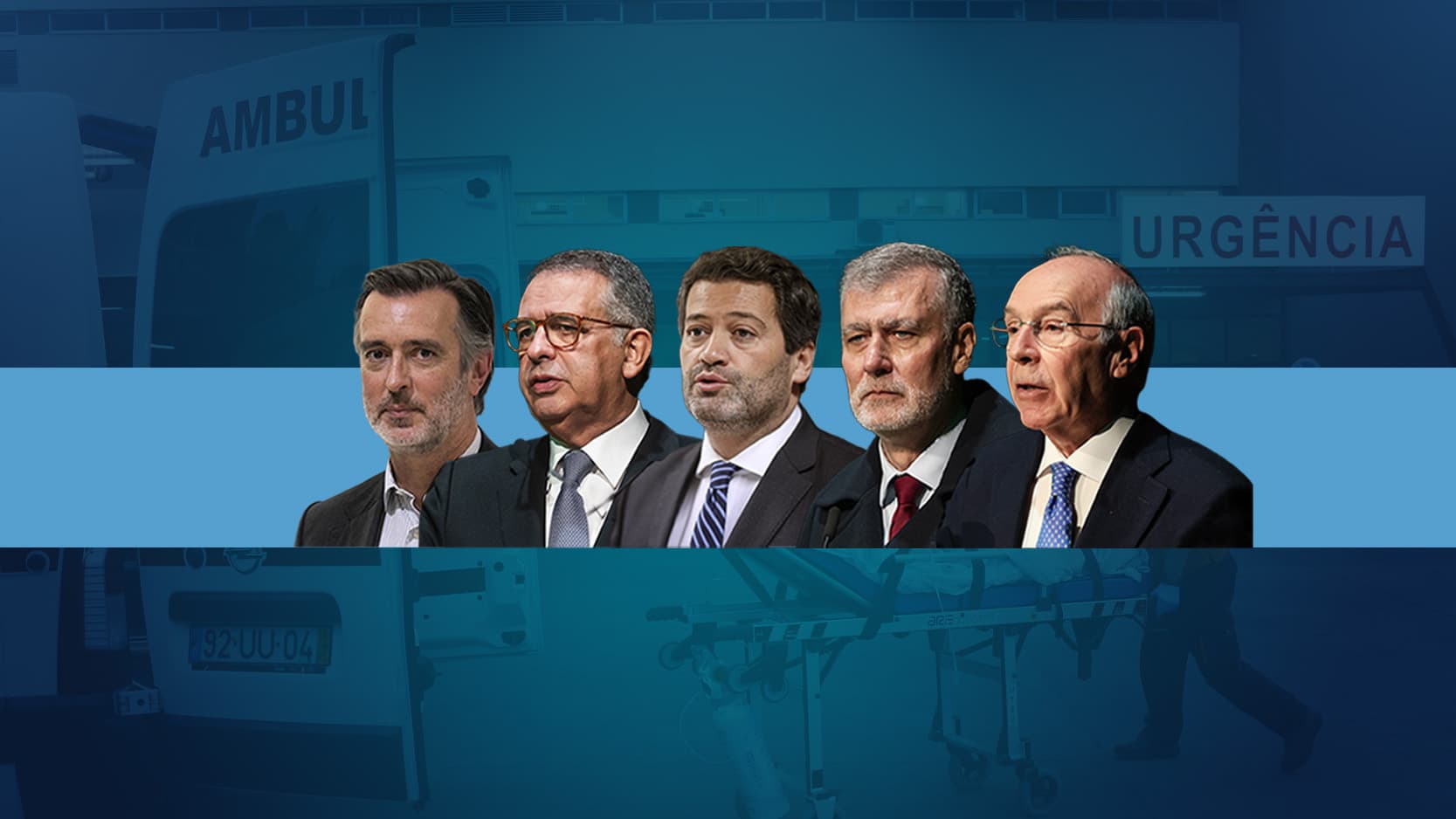
What is the presidential candidates' diagnosis of healthcare?
If there is unanimity among the five presidential candidates leading in the polls, it is in the diagnosis that there are problems in healthcare and that they must be resolved. The prescriptions for doing so, however, differ, and concrete proposals are scarce. After all, what do António José Seguro, André Ventura, Henrique Gouveia e Melo, João Cotrim Figueiredo ... think?
Ventura ‘sobreviveu’ à chuva de cavacas em Aveiro e agradeceu apoio no “Cavaquistão” de Viseu
During a tense election campaign swing through Ovar, São João da Madeira and Lamego, AD-backed candidate Marques Mendes publicly challenged Health Minister Ana Paula Martins to “show up and explain” mounting problems in the National Health Service, notably failings in emergency departments. Mendes, accompanied by two ministers and supported at events by Porto mayor Rui Moreira, pressed for direct public explanations as the health portfolio becomes a campaign battleground; the minister already has a public engagement scheduled. Elsewhere on the campaign trail, André Ventura “survived” an incident in Aveiro—famously described as a "chuva de cavacas"—and later thanked supporters in Viseu's so-called “Cavaquistão,” underscoring how confrontational moments and popular gestures are shaping voter perceptions. The episodes highlight healthcare policy and political accountability as central issues in the race and illustrate how personalised campaign incidents are influencing public debate.

André Pestana doesn't want a single euro more for NATO
Presidential candidate André Pestana said Portugal should prioritise domestic social and environmental needs rather than increased defence spending, declaring he does not want “a single euro more for NATO”. He argues the fight should be against low wages and pensions, environmental degradation and the deterioration of public services, and proposes that funds currently transferred to private health providers be redirected into the National Health Service (SNS), claiming a large share of the state health budget is going to private companies.

André Pestana says money transferred to private providers should be invested in the NHS
Presidential candidate André Pestana argues that funds currently routed to private healthcare providers should instead be invested in the NHS. He says greater NHS investment would strengthen health professionals' careers and deliver practical improvements — for example, better ambulances available sooner — reducing reliance on private sector services.
2h. António José Seguro expects a 'peaceful change' in 2026
Presidential candidate António José Seguro says Portugal urgently needs to restore a sense of community and expects a “peaceful change” in 2026. His remarks frame the election as a moment for social cohesion rather than confrontation. At the same time, opposition figure Luís Montenegro is pitching a concrete programme of reforms focused on health, education and housing — signalling a policy-driven contest in which property and public services will be central issues.