Social network X is the main channel for disinformation against the EU
According to the report, election periods are the contexts most used for disinformation campaigns. In 2025, Russia was the main source of disinformation against the EU.

Latest news and stories about social media in government in Portugal for expats and residents.
This page has only 2 stories and is not indexed by search engines.
According to the report, election periods are the contexts most used for disinformation campaigns. In 2025, Russia was the main source of disinformation against the EU.

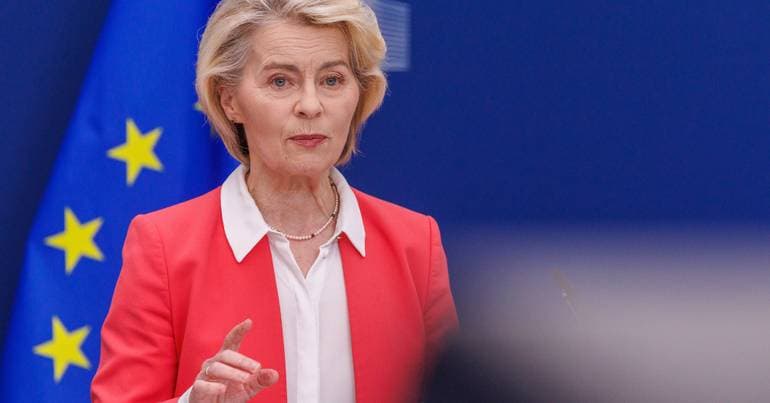
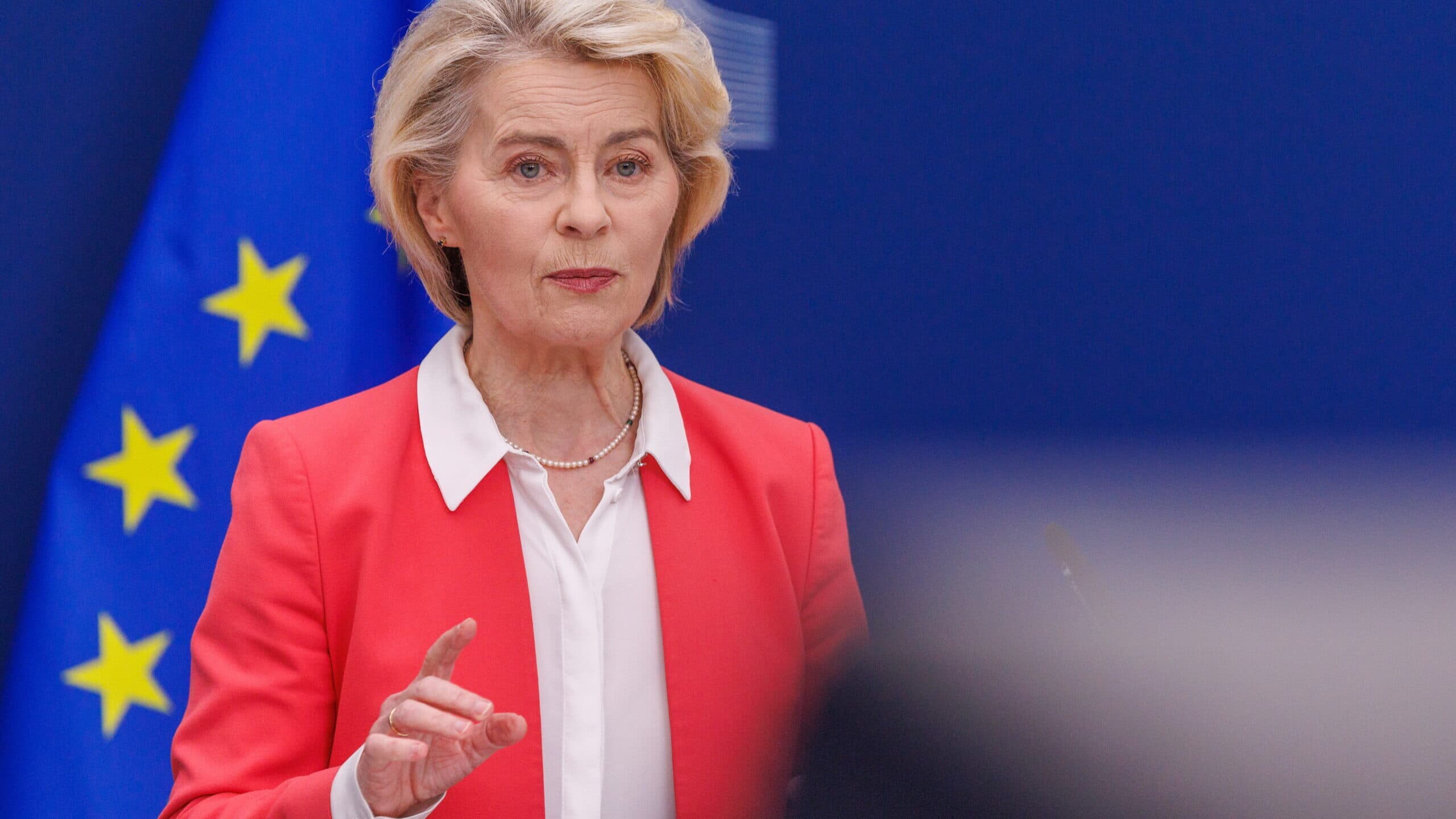
The social network X is the primary channel used for disinformation activities against the European Union, with politicians being the main target, according to a report released this Tuesday by the European diplomatic service. In a report titled 'Foreign interference and information manipulation threats', the European External Action Service (EEAS) indicates that, of the approximately...

A report indicates that, of the approximately 43,000 pieces of content related to disinformation analyzed in 2025, 88% passed through the social network X.

The social network X is the main channel used for disinformation activities against the European Union and politicians are the primary target, according to a report released today by the European diplomatic service.
Dr. Seguro belongs to the vast school of politicians who, in the scarcity of substance, trade the ideas they do not possess for loose words and shameless clichés.

The cheapest and most effective way to convey a political or social idea, or even the highly popular conspiracy theories, is through social media. A new political philosophy is emerging: TikTokism.

Unlike his predecessor in the Presidency of the Republic, António José Seguro has been using social media to communicate as head of state.

Parliament became a stage, the mobile phone became a podium, and social media turned into communication channels on the fringes.

The Assembly of the Republic cannot be reduced to an arena of permanent confrontation, nor to a stage used to produce viral videos and feed the logic of social media.

The PSP launches a prevention operation in schools against substance addiction and excessive use of video games and social media. Portugal may follow other countries and ban access.

António José Seguro has updated the social media platforms where he already had a presence, namely Instagram, TikTok, and Facebook, now presenting himself as 'President of the Portuguese Republic'. The accounts that the new head of state will use are the same ones he used during the election campaign. Photographs of this Monday's inauguration have already been published on these networks.

Madrid’s proposal follows efforts in France, Denmark and Portugal to protect kids online.
The reaction to Storm Kristin revealed more than solidarity. Between Seguro's institutional restraint and Ventura's media prominence, two opposing conceptions of leadership stand out. Analysis by Liliana Borges

Founder of the MiudosSegurosNa.Net project says that banning this access 'infringes on the right to freedom of assembly and expression'.


Today the PSD submitted to Parliament a bill to curb unrestricted access by children up to the age of 16 to social media and other platforms, requiring the consent of their parents or legal guardians.
A decision by the Australian government has sparked a debate that has already reached Portugal, pitting supporters of regulation against those favouring a total ban.

At 08:00, the PSD says it wants to restrict access to social media.

The proposal to restrict access to social media for people under 16, which is expected to be easily approved, is a common-sense and, in many respects, inevitable measure. Editorial by Helena Pereira

The PSD will submit a bill proposing age verification at social media account creation to enforce a ban on under-13s and restrict access for under-16s. The measure, described as sensible and largely inevitable in an editorial, aims to protect children and reduce pressures such as the pursuit of likes, though it raises practical enforcement and privacy concerns about verification methods.

From posts with a humorous tone to instructions on early voting, the parties that did not support either of the current candidates in the first round use different styles when discussing the elections on social media. Analysis by Fernando Costa

The complaint refers to the page 'Recriar.Portugal' and to a post showing photographs of several celebrities with the caption 'Votamos André Ventura'. The post has since been removed.

After a chorus of criticism, António Leitão Amaro removed a video from social media in which he appeared to be managing the response to the storm, saying it was not understood “in the intended way”.

João Cotrim de Figueiredo’s campaign, which had been gaining momentum, suffered a serious setback after a strategic misstep on second-round strategy and the resurfacing of a harassment allegation on social media. By not ruling out support for Ventura, Cotrim exposed himself to attacks and fractured the narrative of steady progress; the harassment allegation — reportedly known within Iniciativa Liberal for two years — compounded the damage and prompted him to decry ‘low‑level’ and ‘dirty’ politics. The episode shifted the campaign’s focus onto Cotrim personally, energised opponents and risked undoing recent gains as rivals consolidated backing ahead of a possible second round.