A President against his own majority?
David Pontes examines the political paradox of a President potentially aligning with opposition forces to support a reform rejected by his own majority.
Público

Latest news and stories about political reform in government in Portugal for expats and residents.
David Pontes examines the political paradox of a President potentially aligning with opposition forces to support a reform rejected by his own majority.
André Ventura, leader of Chega, faced defeat in the presidential elections against António José Seguro, who garnered over 33% of the votes. This result positions Ventura as a significant figure on the right, raising questions about his next steps and the potential for reform within the political landscape.
The piece argues that Carlos (Carneiro) can only realistically vie for the premiership if he makes combating moral and economic corruption the centrepiece of his campaign and party renewal. Influence peddling, cronyism and nepotism are identified as the deepest maladies afflicting the Socialist Party (PS) and will largely determine its electoral prospects and internal legitimacy. The analysis outlines how a credible anti-corruption platform and concrete policy reforms could reshape voter perceptions and decide whether Carneiro’s bid succeeds.

The President of the Assembly of the Republic criticised legislative changes regarding the holding of public office, which he says drive “new talent” away from politics.
The bill amends the law on the financing of political parties and election campaigns, as well as the law regulating the organisation and operation of the Entity for Political Accounts and Financing.
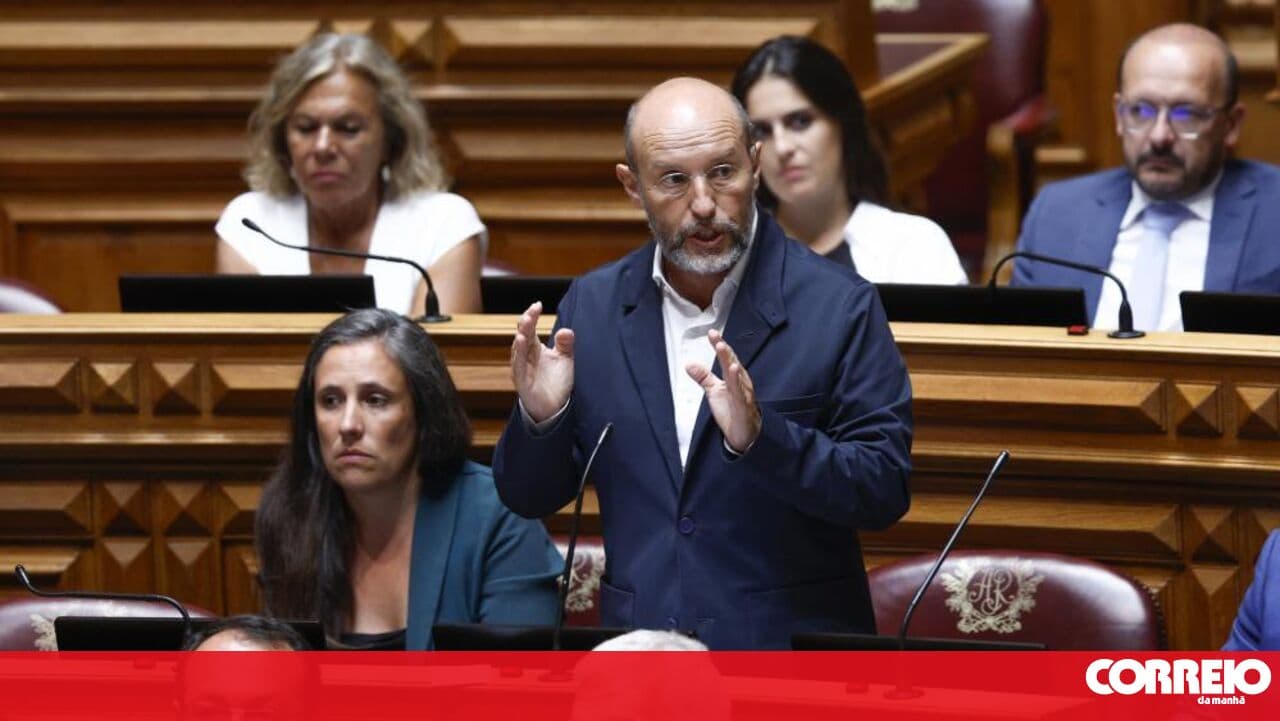
The party considers that “too many cases have become public that have undermined the credibility of the actions and duties of various political office holders and high-ranking public officials.”
A democracy implies transparency, not opacity. Only with the public identity of party donors is scrutiny possible. And with Europe at multiple speeds, what is coming next?
Under the current statutes, Miguel Albuquerque would cease to be leader of the PSD/Madeira in 2029, when his term as head of the Madeiran executive ends.

BE, Livre, and PAN are bringing regionalisation to the Assembly of the Republic on Friday, a topic that the Prime Minister has ruled out until 2029 and which remains without political consensus.

For the Minister of Foreign Affairs, the executive has already adopted measures that are structural, “which are changing the country”.

If parties are unable to reform their operating and governance models, they may be paving the way for their own historical irrelevance. Opinion by Paulo Sousa

The approval of the Nationality Law in Parliament and a possible constitutional revision are under debate. PS and Chega are in disagreement, while PSD issues warnings regarding a new 'parliamentary geometry'.

A morning briefing covering the 50th anniversary of the Portuguese Constitution and the latest developments in lunar exploration.

The architect and constituent deputy for the PSD calls for lucidity at a time when Chega is preparing a constitutional revision proposal to move forward later this month.
The IL must lead the abandonment of the model of high dependence on the State. Wasting time on identity issues and social experimentalism is a huge political mistake.

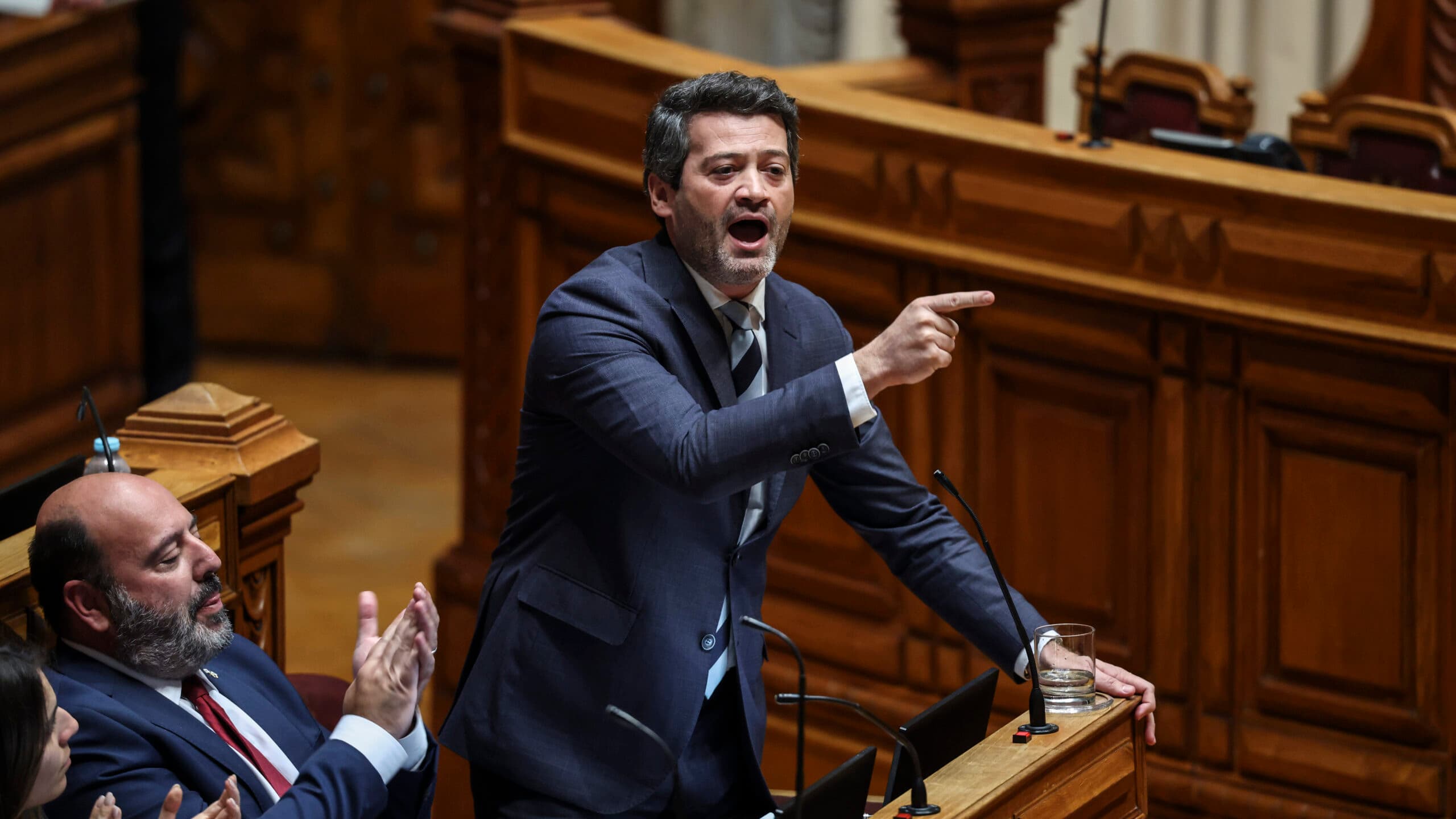
The leader of Chega guaranteed this Tuesday that he will initiate a constitutional review process. 'The country needs this review, it is urgent,' stated André Ventura, in statements broadcast by RTP. 'We have 90 days to begin a dialogue between parties with a view to drafting a text that leads to a constitutional review,' he states.
It is necessary to turn the page on unproductive trench warfare and discourse centered on an empty moral superiority.

The re-elected Socialist secretary-general, José Luís Carneiro, considers the PS to be the most reformist party in Portugal and has positioned it as 'the serious alternative for Government', promising 'stability without stagnation' and 'responsibility without resignation'. 'We clearly assume our role as a democratic and progressive alternative. The PS is and will continue to be the serious alternative to...'
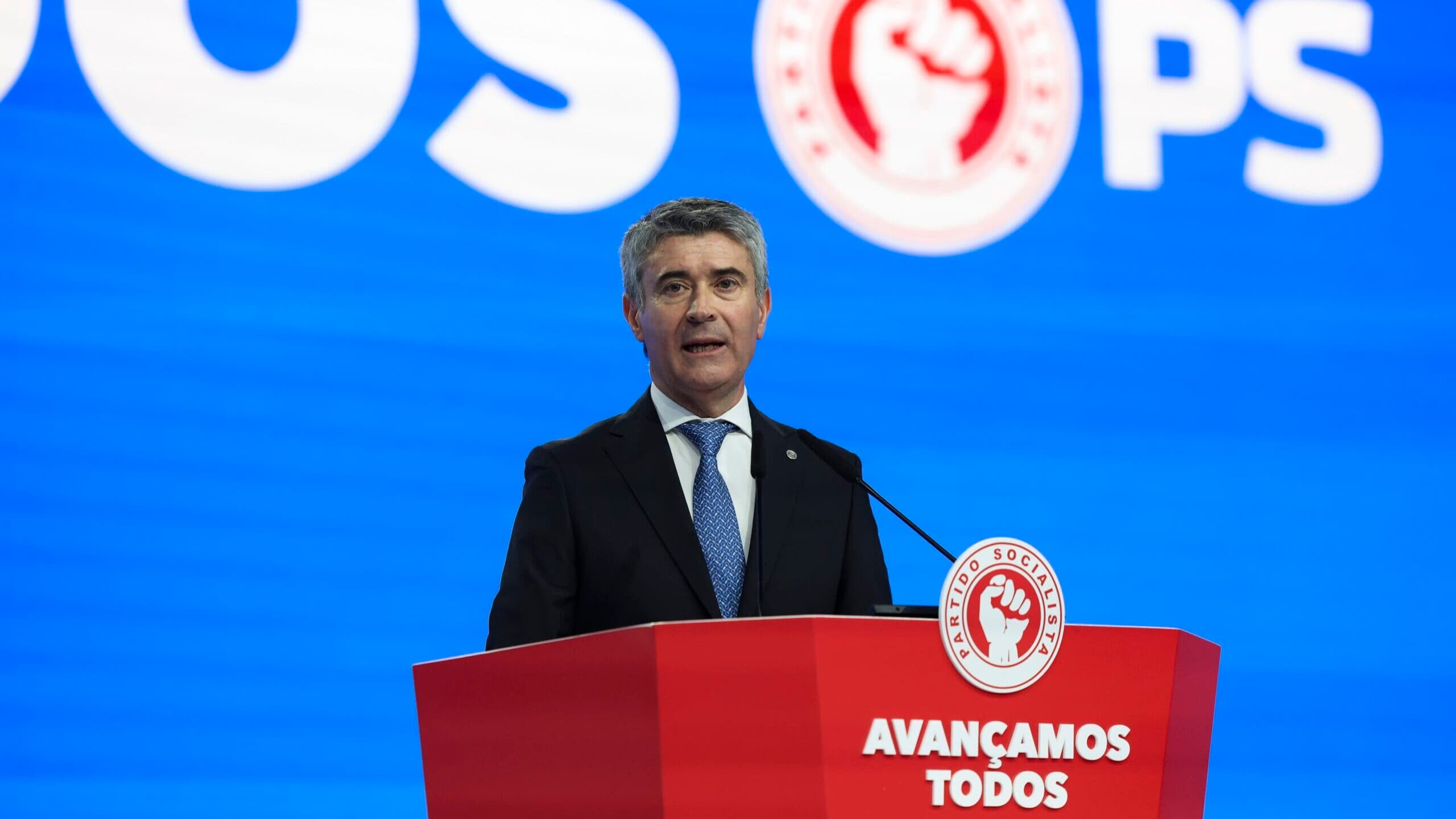
The re-elected Socialist secretary-general considered that people “want stability without stagnation, responsibility without resignation, and change with security and credibility.”
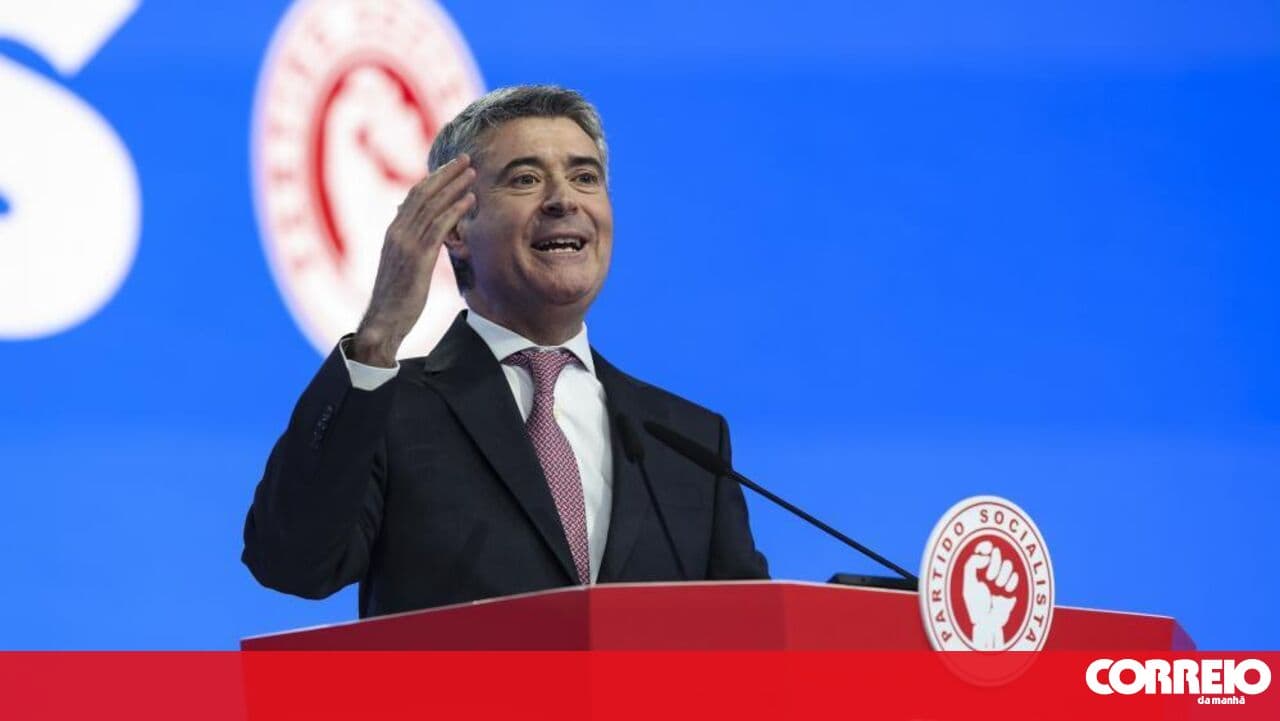
Nine months after taking leadership, Carneiro shapes the PS in his own image. More than 150 names are leaving the National Commission, such as Marta Temido or Alexandra Leitão. Eduardo Cabrita returns.
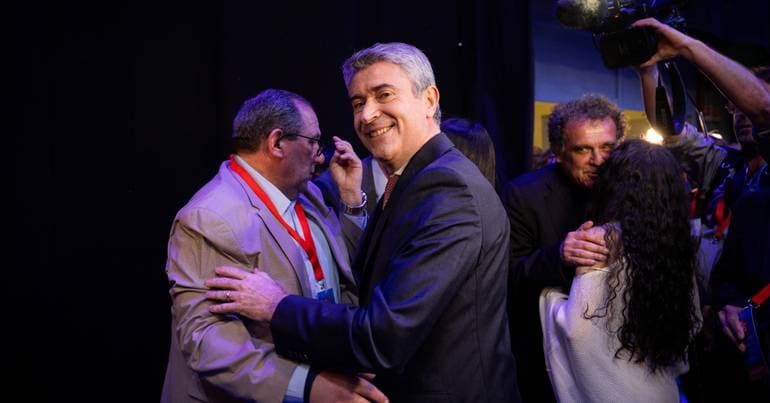
The president of Chega stated this Saturday that Portugal has a “historic opportunity” to revise the Constitution and break what he considers to be a “permanent blockade” exercised by the Constitutional Court, arguing that the process should move forward “still this year”. In a speech addressed to party mayors at the Chega municipal conference in Santarém, André Ventura claimed it “makes no sense” for institutions like the Constitutional Court to continue, as he put it, “blocking changes”. He insisted that the revision is not against any party but for the country, and appealed to the PSD to take on the “historic responsibility” of participating in the process, accusing the party of a “permanent vice” of aligning itself with the Socialist Party.
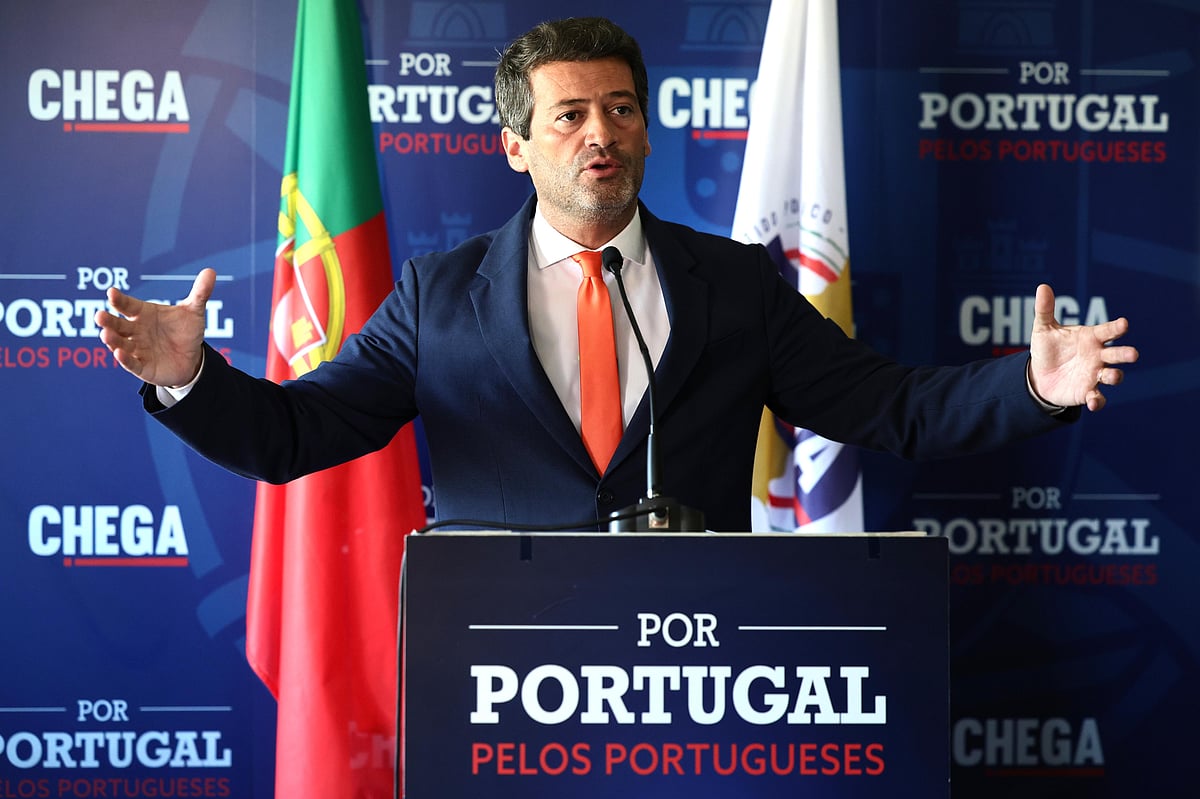
The Chega leader insisted that the constitutional revision “is not against any party, it is for the country,” and appealed to the PSD to assume “the historic responsibility” of participating in the process.
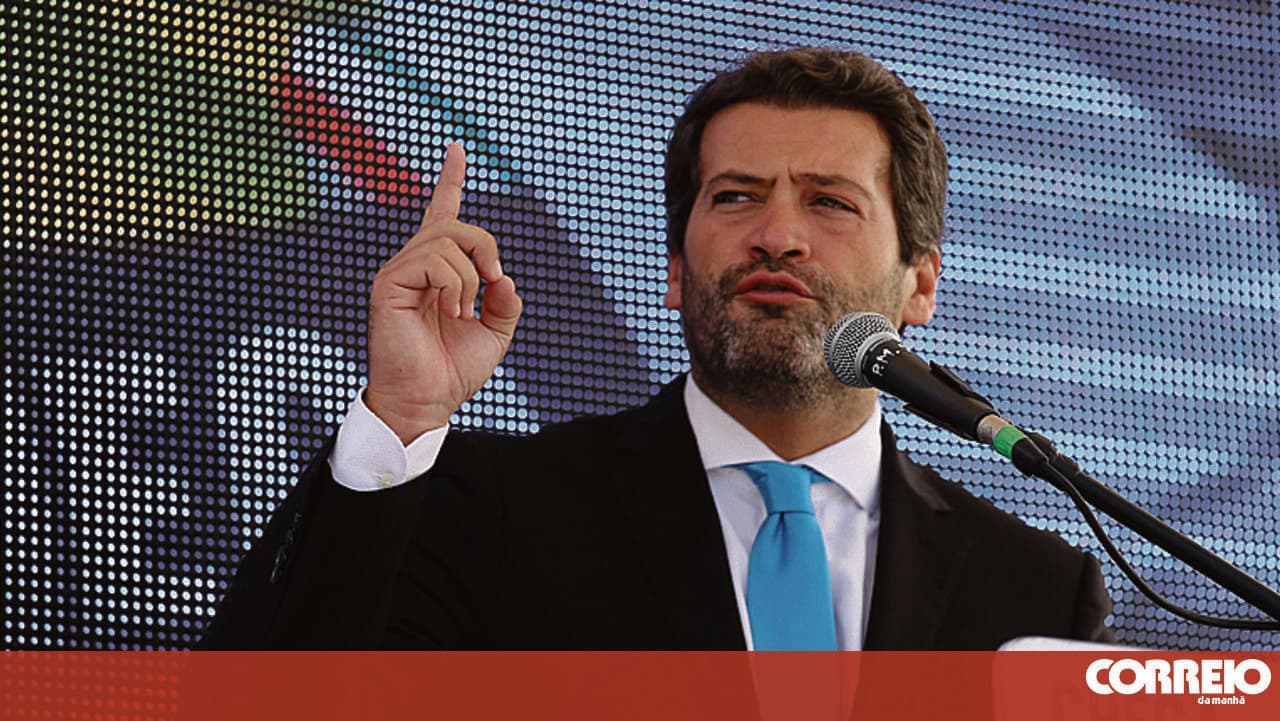
The leader of Chega calls on the PSD to move forward with a constitutional revision and criticises the alleged obstruction by the Constitutional Court.

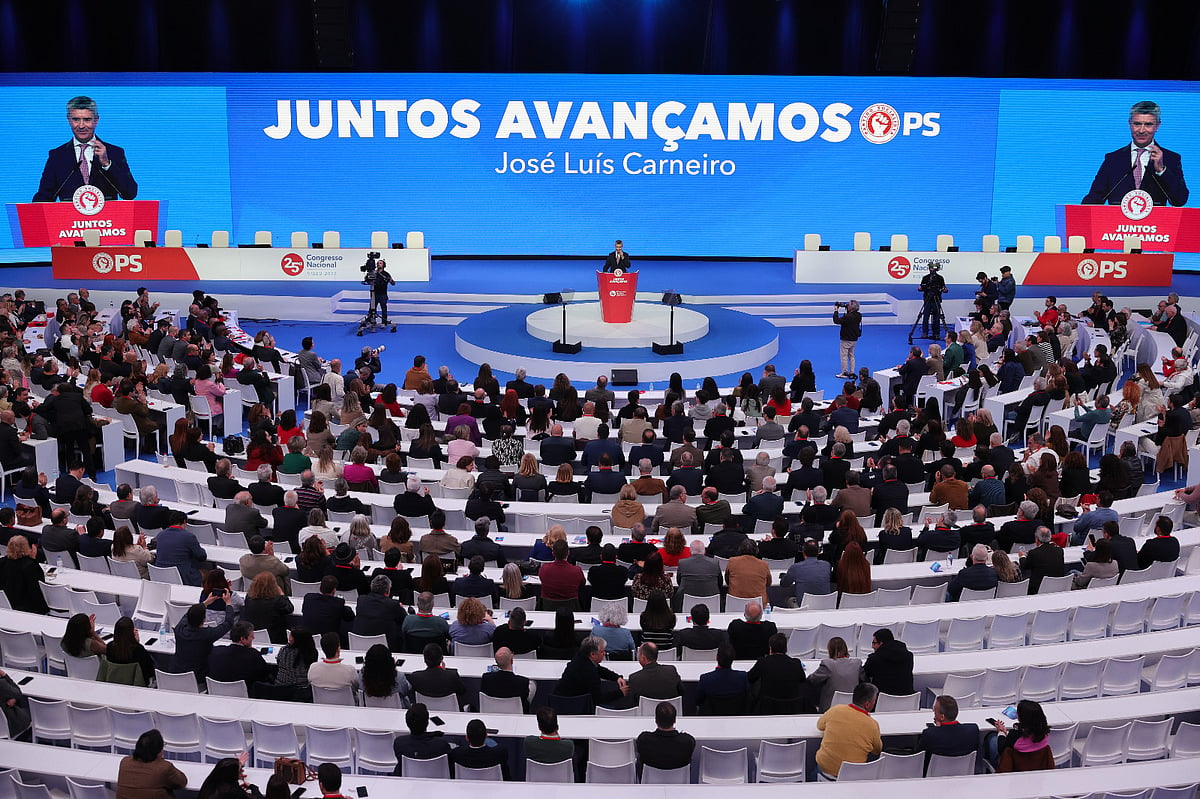
The 25th National Congress of the Socialist Party (PS) in Viseu is debating various sectoral motions alongside the party's global strategy. Proposals range from serious political reforms, such as regionalisation and European integration, to unusual claims, including one member's recurring demand for the party to take a stand against the alleged 'swapping of babies' in maternity wards. Other key motions focus on youth representation, territorial cohesion, and the need for the PS to move beyond waiting for the government's decline to establish itself as a viable alternative.
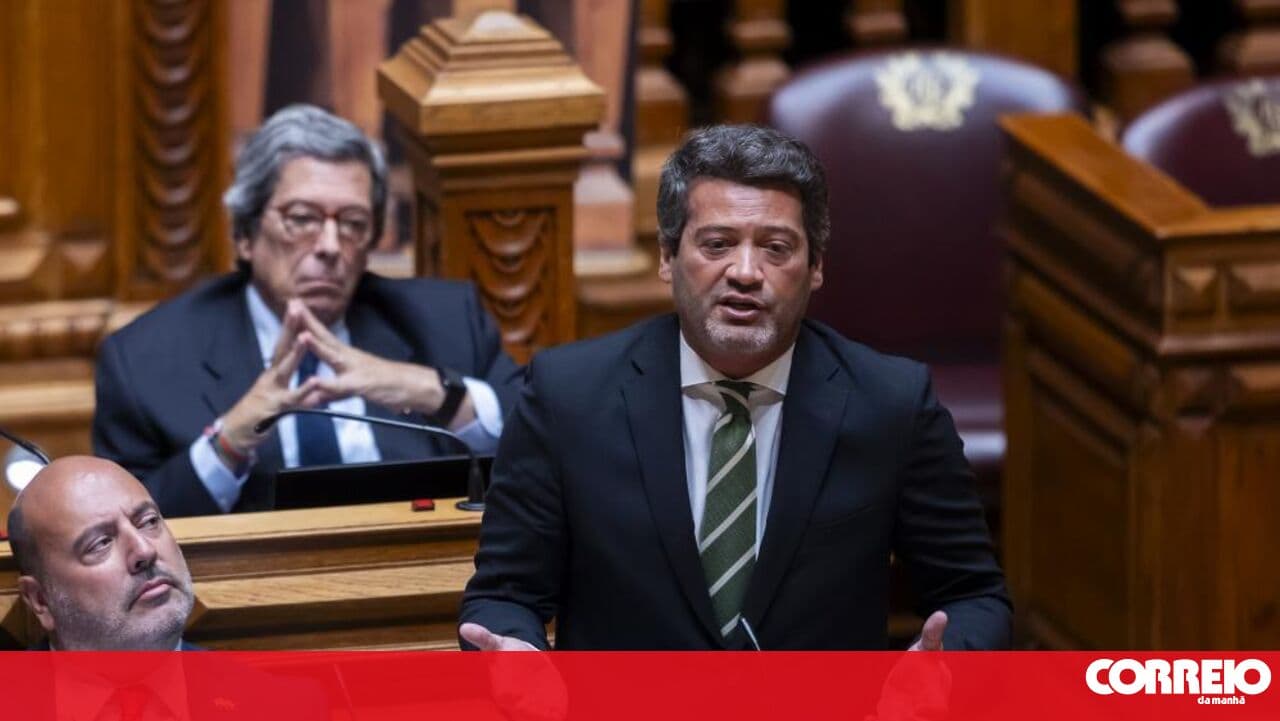
The Chega leader guaranteed that 'there were no secret negotiations' regarding the review of the Constitution of the Republic.
The PSD veteran appealed to the need for reforms aimed at economic growth.
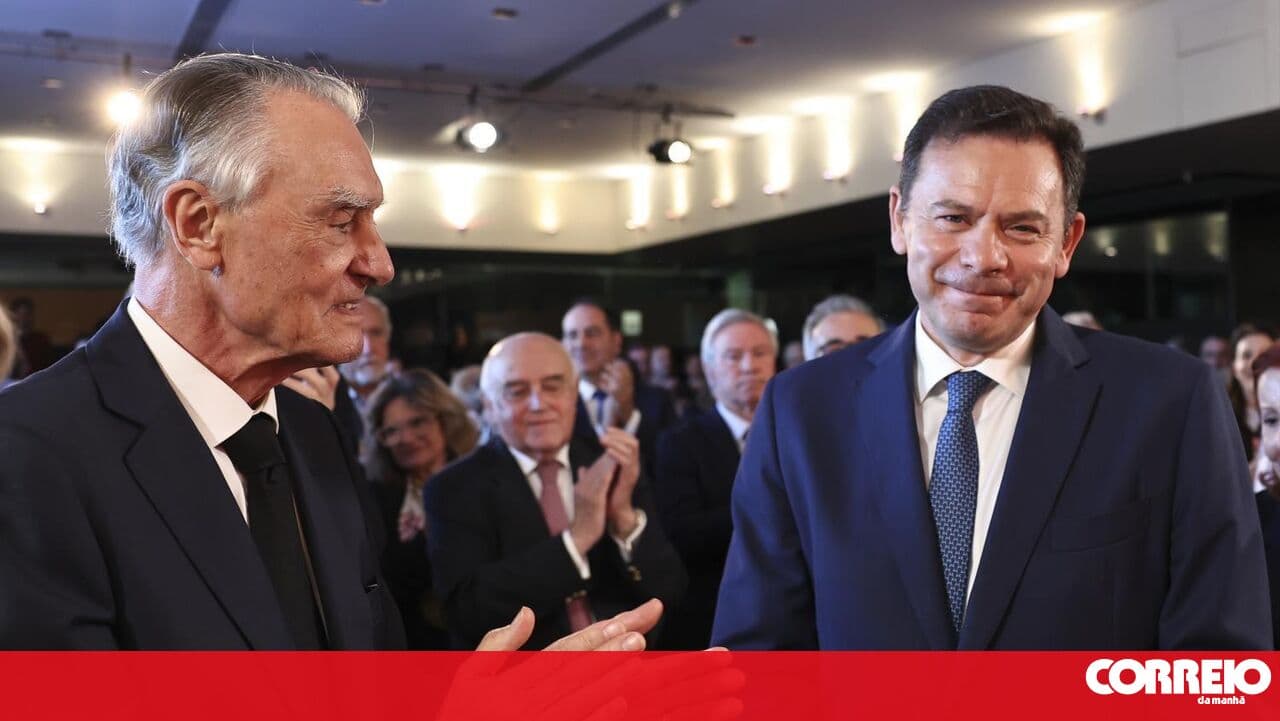
Aníbal Cavaco Silva asks the AD Government for courage and firmness to move forward with fundamental reforms and attacks what he describes as blocking forces: PS and Chega. The PS Congress begins today.

Without questioning the political mediation that seems necessary in the selection of judges, there are conceivable alternatives that could reduce the party monopoly over the process in question. Opinion by Luís Heleno Terrinha.

Bruno Gonçalves argues that the PS must renew itself both in its public policies and in the figures it presents to society. He states that time is needed to clearly decide 'what the PS is'.
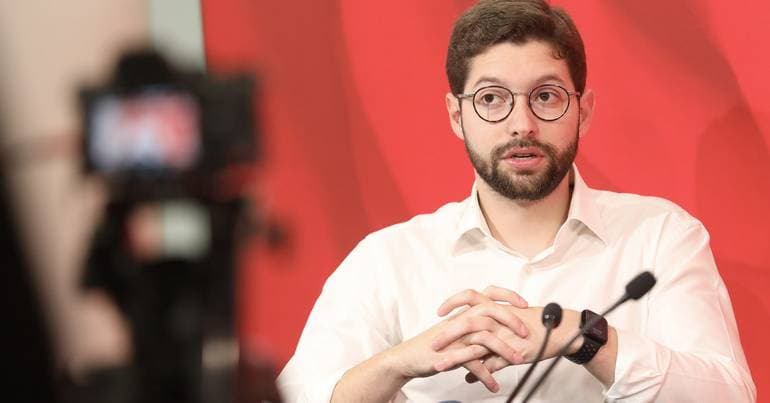
José Luís Carneiro is a thoughtful and prepared politician. He was a good Minister of Internal Administration in a Costa government that was falling apart. He is cultured, a good person, and likeable, but as Secretary-General, he has lacked the courage needed to assume true leadership. He kept people exhausted by power or compulsive readers of Machiavelli close to his circle—choosing Santos Silva as strategic coordinator or giving a platform to Carlos César is a sign of a fragility that will condemn him in the long run. This weekend, in Viseu, he will announce the names of independents at the Congress to help him draft the programme. The names already released are a disappointment. Several figures with unassailable backgrounds, but most of them are worn out or dependent on positions, honours, and sycophancy. 'Dear José António, there are so many people whispering in your corridors, making calculations about the right moment, talking about your fragility... I assume you know.' There is no turmoil, fresh blood, people with imagination, or those capable of making the country believe in a vision for the future. Betting on rectors, professors, former public company administrators, or retired politicians is not enough. Do not worry about the Constitutional Court appointments; worry instead about thinking of a new project. Differentiated. With ideas that have not been imagined before. Call on other people: scientists, innovators, people who communicate well, young people under 40 who have their lives to conquer. With grit and freedom. Without that, the desert will be painful for you.