11:00 AM: Around 30 roads remain closed following the storms
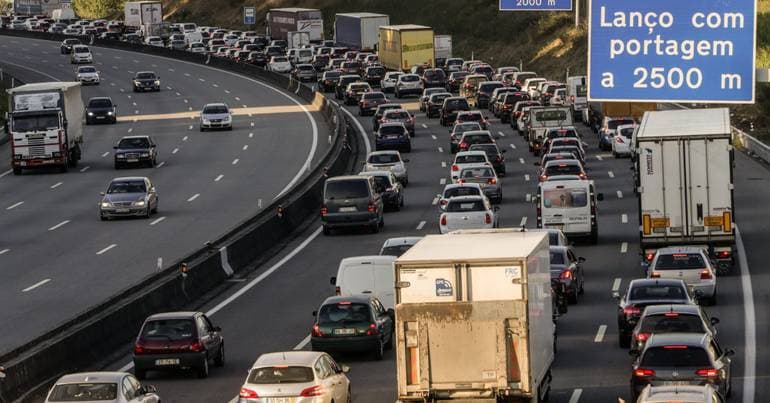
Approximately 30 roads are still blocked due to the impact of the recent storms.

Latest news and stories about road closures in daily life in Portugal for expats and residents.
Approximately 30 roads are still blocked due to the impact of the recent storms.

There are still about 30 interruptions remaining.

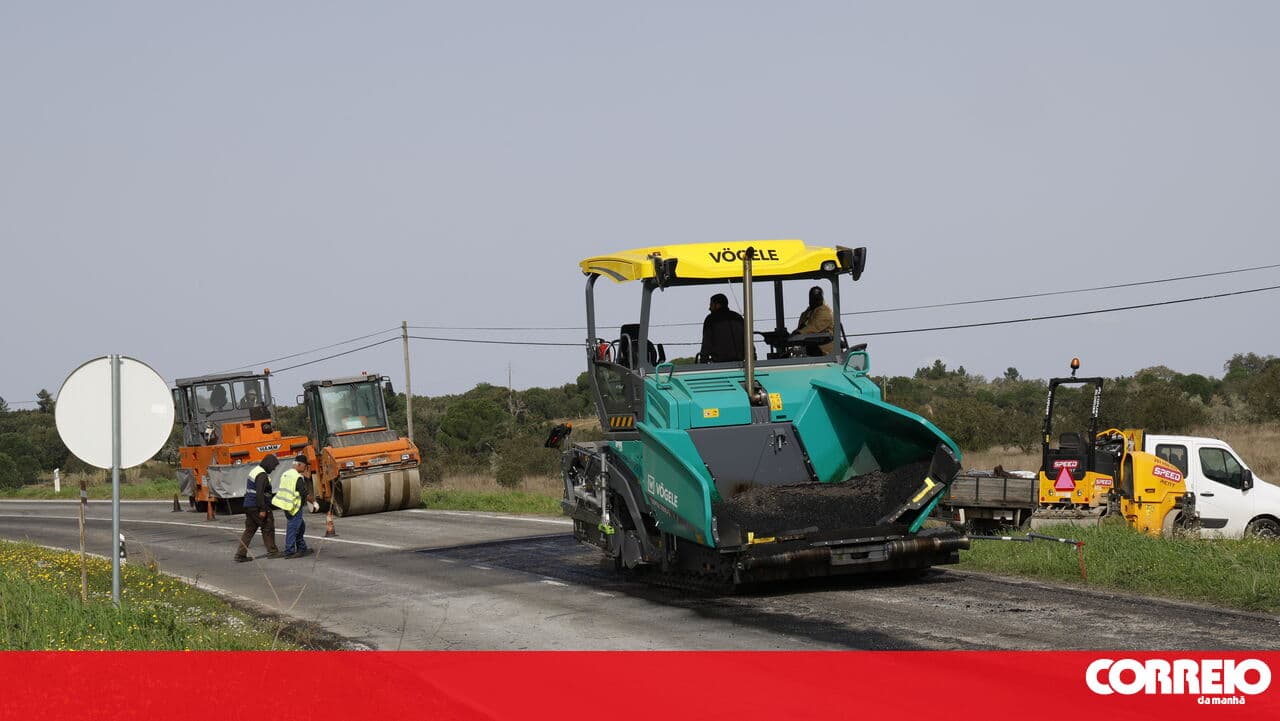
The Ministry of Infrastructure and Housing announced that Infraestruturas de Portugal (IP) has already resolved more than 90 percent of road closures caused by the storms, restoring 300 routes with only 30 interruptions remaining.
Of the 346 recorded closures, only 34 remain unresolved

In total, around 300 incidents have been resolved, with 34 road closures remaining to be addressed. Additionally, Trump refused a deal with Iran for a ceasefire in the Middle East.

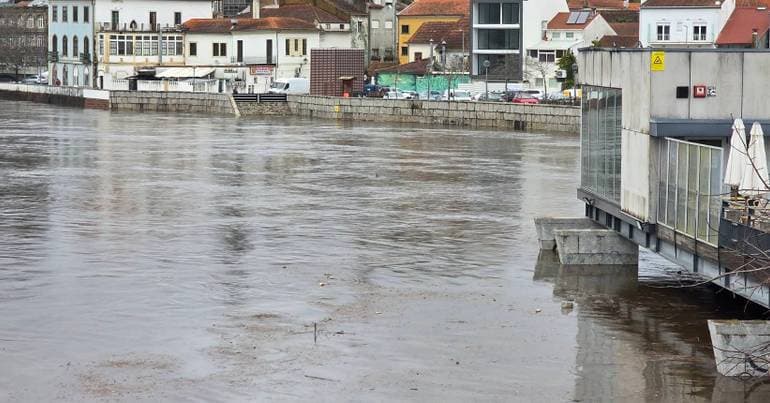
Depression Marta has caused significant disruptions, leading to the closure of many roads and raising concerns about rising rivers. The death toll has now reached 14, with over ten thousand incidents reported as authorities work to manage the emergency situation.

Civil Protection warns of a possible worsening of urban flooding, overtopping floods and slope instability.

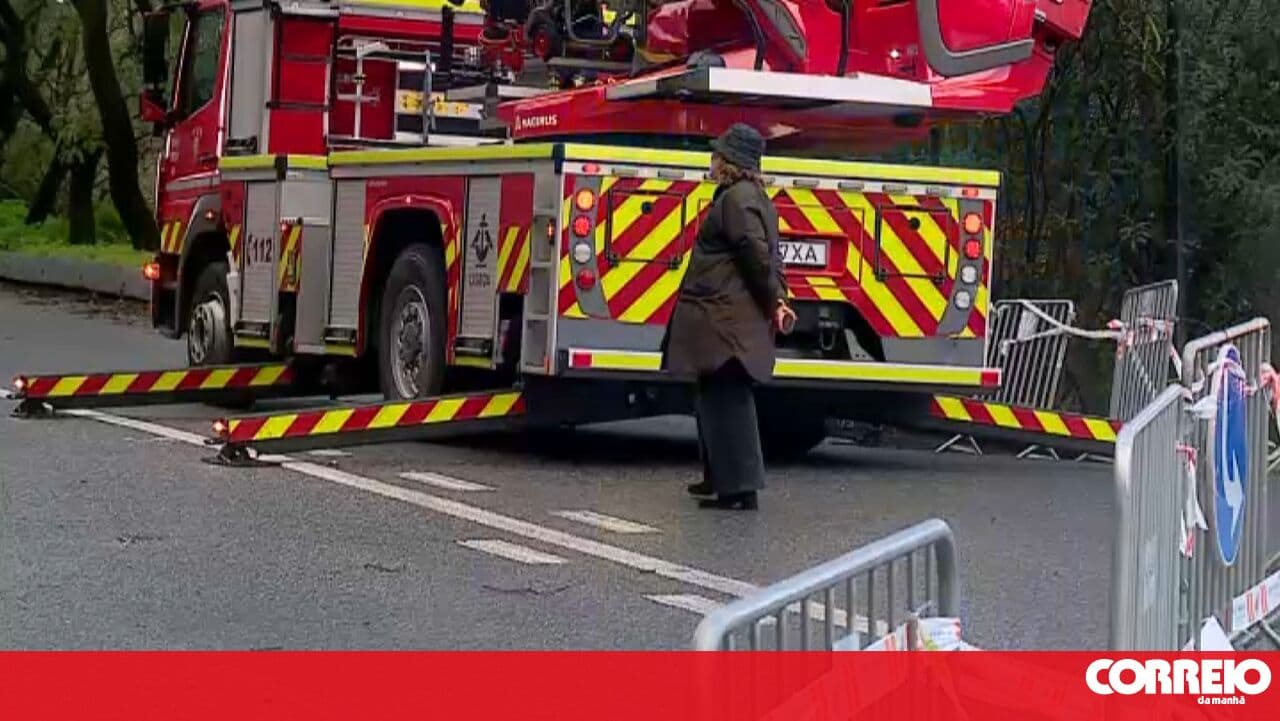
Padroso Street in Felgueiras, 25 April Street in the parish of Guidões in Trofa, and 14 May Street in the parish of Avintes in Gaia are subject to traffic restrictions due to landslides.

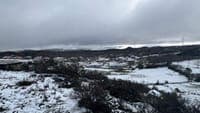
People have already been taken off the public bus and transported to their destinations. The bus remained stuck on site. Despite the snow, schools remain open, but many roads are closed.

Road access is only possible between Covilhã and Piornos and between Seia and Sabugueiro.

Flooding and landslides are to blame, according to the GNR.

The president of Águeda City Council, Jorge Almeida, admits that 'the night was calmer than expected' and that the situation is under control. He also says that roads have been closed for several weeks.

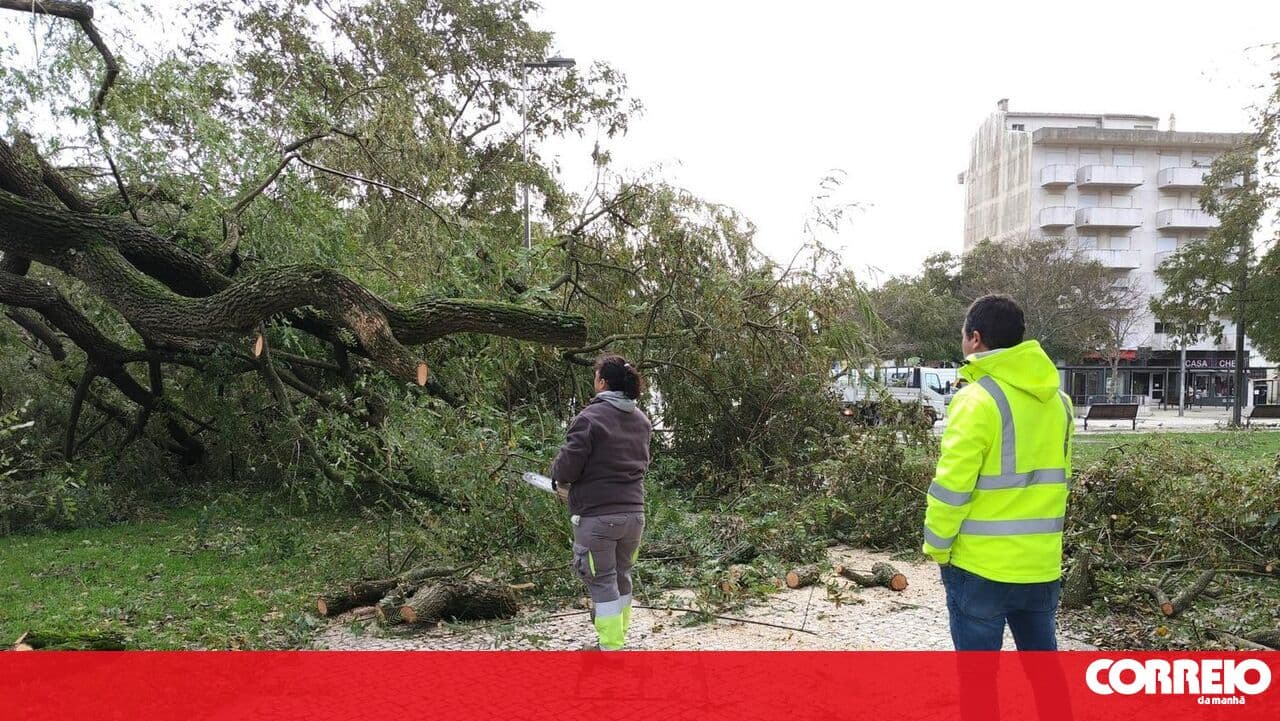
In the parish of Frazoeira, in Ferreira do Zêzere, CNN Portugal reporter Miguel Fernandes is covering the work to clear the many roads blocked by fallen trees and toppled poles.

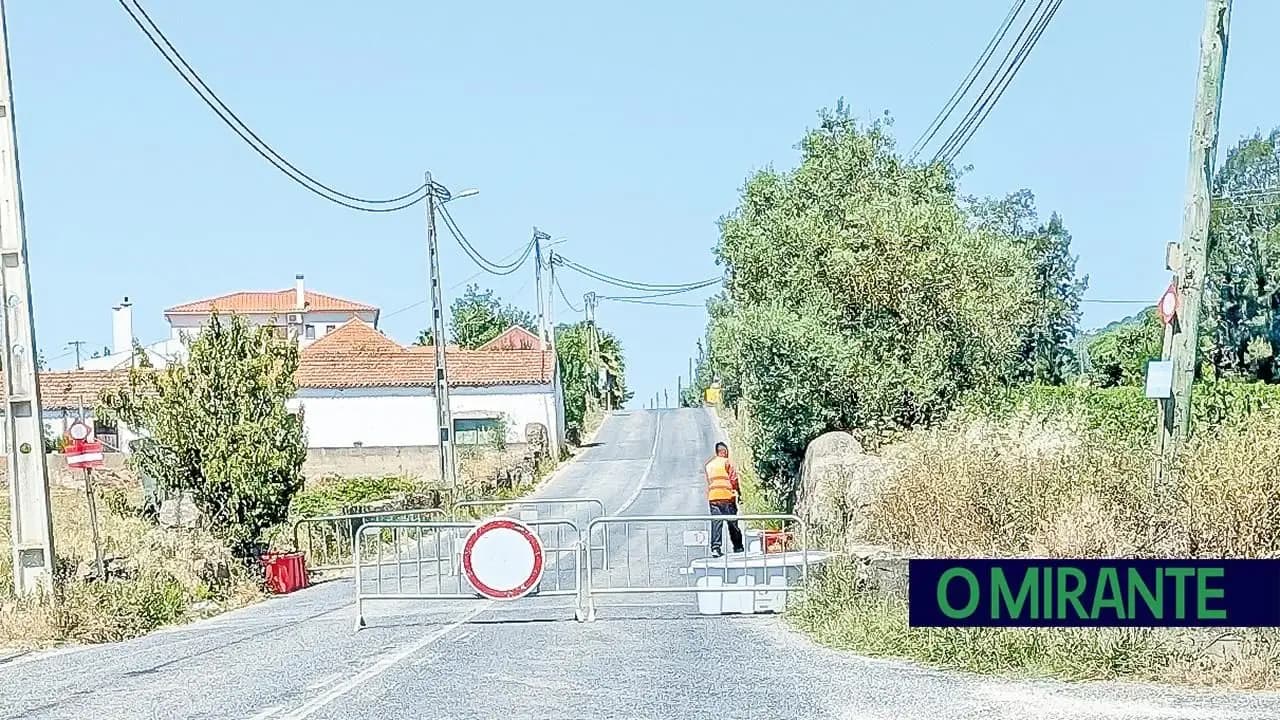
Road closures will remain in place until the Municipal Civil Protection Service confirms that safety conditions have been met for traffic to be restored.

The GNR urges road users to respect the temporary signage posted at the scene and to use alternative routes instead of these roads.

In the city hardest hit by Storm Kristin, there are still blocked roads and communications outages.

In the Santarém district, electricity poles are at risk of toppling. Residents say they no longer recognise the home where they have always lived.

Traffic restrictions are in place in Felgueiras, Penafiel, Amarante, Gondomar, Vila do Conde, Vila Nova de Gaia and Matosinhos.

The city in the Aveiro district was severely affected by Storm Kristin.

Leiria looks more like a 'war zone', according to the municipality's president. The city remains without electricity and communications, and the roads are impassable. Clean-up operations have already begun, but heavy rain is hampering the work.

Porto City Council has already deployed “all necessary resources” for potential road closures and to support residents of the riverside area in the event of flooding, the Municipal Civil Protection told Lusa today.

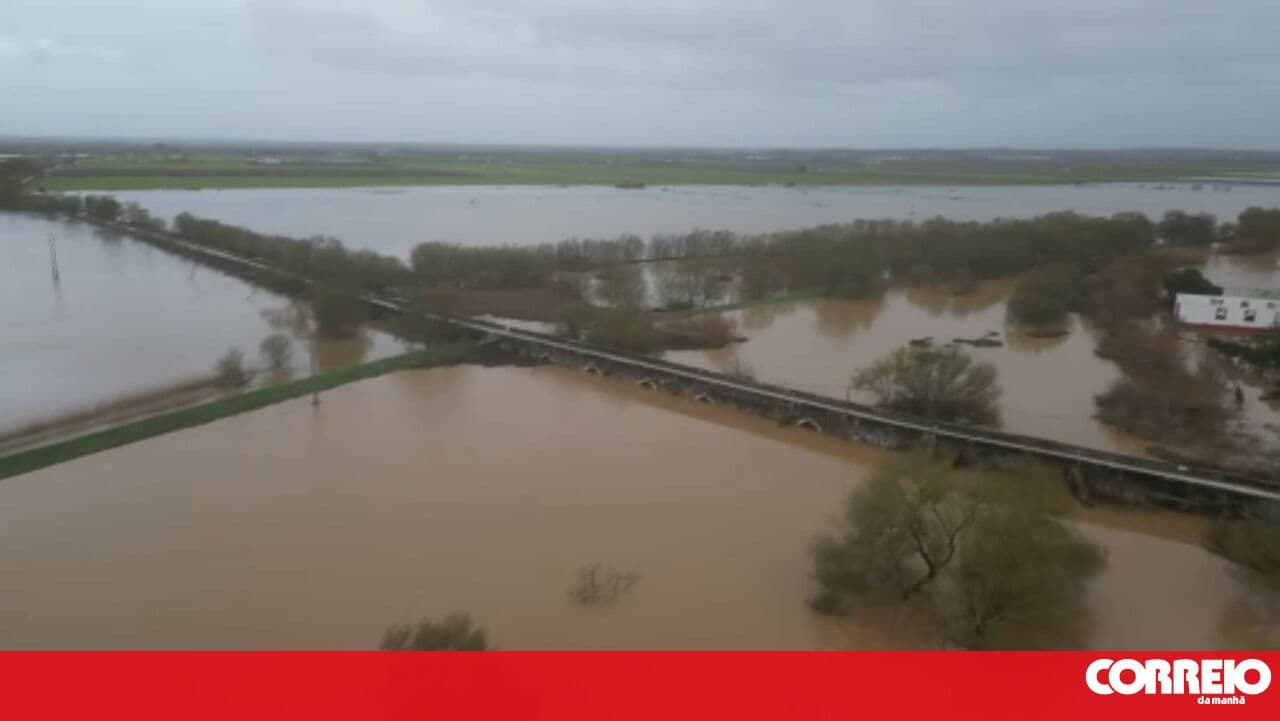
In addition to the elderly residents of the nursing home, around five people were evacuated from their homes as a precaution after the river flooded the low-lying area of Alcácer do Sal.

As of 20:00 on Monday mainland Portugal had logged 713 weather-related incidents, concentrated in the North and the Lisbon and Tagus Valley regions. Heavy rain forced road closures in Arcos de Valdevez and Caminha, flooded homes in Ponte de Lima and left one family homeless in Oeiras; emergency services remain active dealing with blockages and property damage. The situation highlights localized flash flooding and transport disruption, with authorities monitoring conditions and clearing affected routes.

Storm Ingrid swept across mainland Portugal, bringing worsening weather that forced the closure of dozens of schools—especially in northern districts—and disrupted transport and public services. This live tracker monitors minute-by-minute developments, reports on emergency services' response, safety advisories for the public, transport interruptions and localised impacts on communities and infrastructure. The page focuses on evolving risks, operational updates from authorities and practical guidance for parents, commuters and vulnerable residents.