Dozens of pyrotechnic devices seized in Águeda
The GNR carried out an inspection operation on commercial establishments.
Correio da Manhã

Latest news and stories about regulation in daily life in Portugal for expats and residents.
The GNR carried out an inspection operation on commercial establishments.
Portimão is taking a tougher stance on bicycles and electric scooters riding in pedestrian-only areas. This month, the municipal council has begun installing signs informing residents that these vehicles cannot The post “No bikes or scooters” signs installed in Portimão appeared first on Portugal Resident.
The number of drivers circulating without motor insurance reached a new high in 2025, with 48,688 infractions recorded – 23% more than the previous year, according to data reported by Jornal de Notícias. The president of the ASF, Gabriel Bernardino, warned in an interview with Antena1 and Jornal de Negócios that the number of claims...
The PCP and Bloco de Esquerda are calling for government intervention to regulate and cap prices on fuels and essential goods, citing corporate speculation and 'obscene profits' during the current inflationary crisis.
An informative piece regarding the rights of consumers on the occasion of Consumer Day.
Despite growing reports from environmental organisations, multi-million euro fines, and the opening of an investigation by the EU, Shein continues to strengthen its presence in Europe.

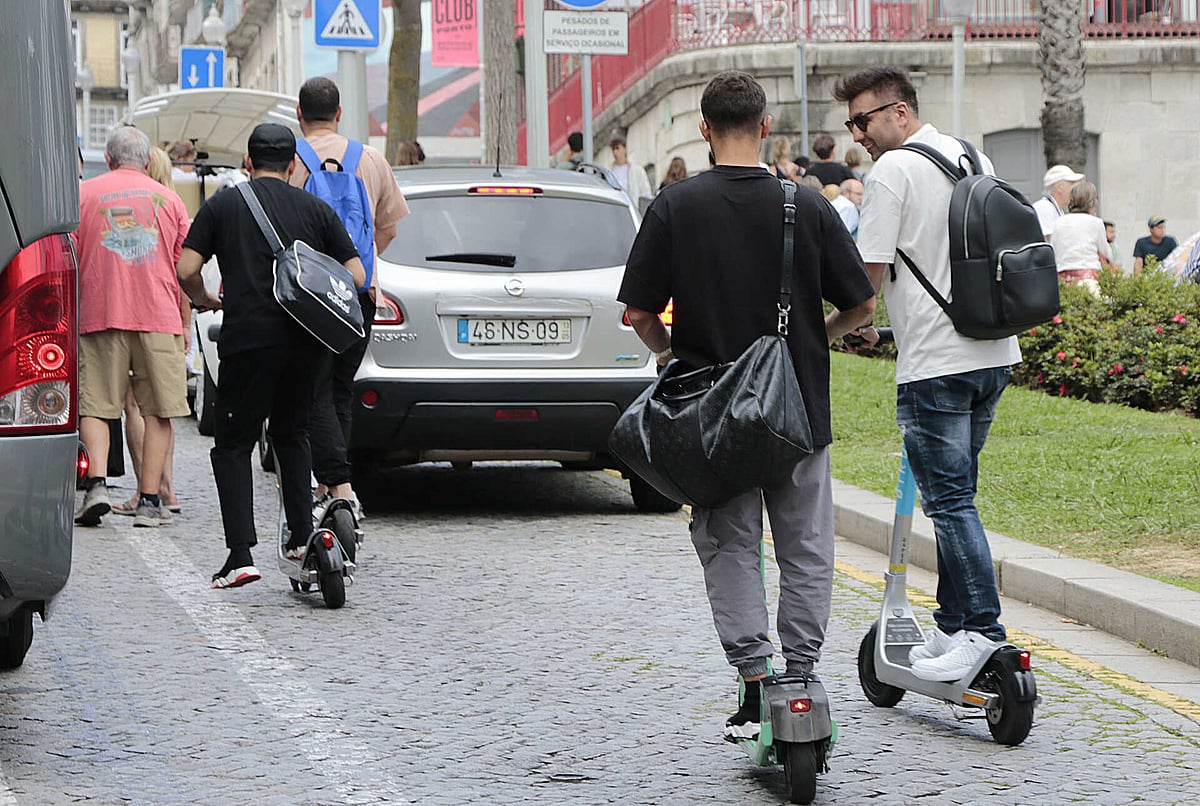
The National Republican Guard (GNR) has recorded 1,900 public road accidents involving electric scooters over the last seven years, resulting in 10 deaths. Data released this Friday, March 13, shows a significant rise in micromobility-related accidents, with 72 incidents recorded between January 1 and February 28 of this year alone. The GNR notes that accidents remained stable until 2021 but surged to 547 in 2023 and peaked at 706 in 2024. The primary causes identified include riding on pavements, ignoring traffic signs, and failing to use safety equipment. The GNR reminds users that electric scooters are legally classified as bicycles and must adhere to the Highway Code, including prohibitions on pavement use and strict compliance with alcohol limits.
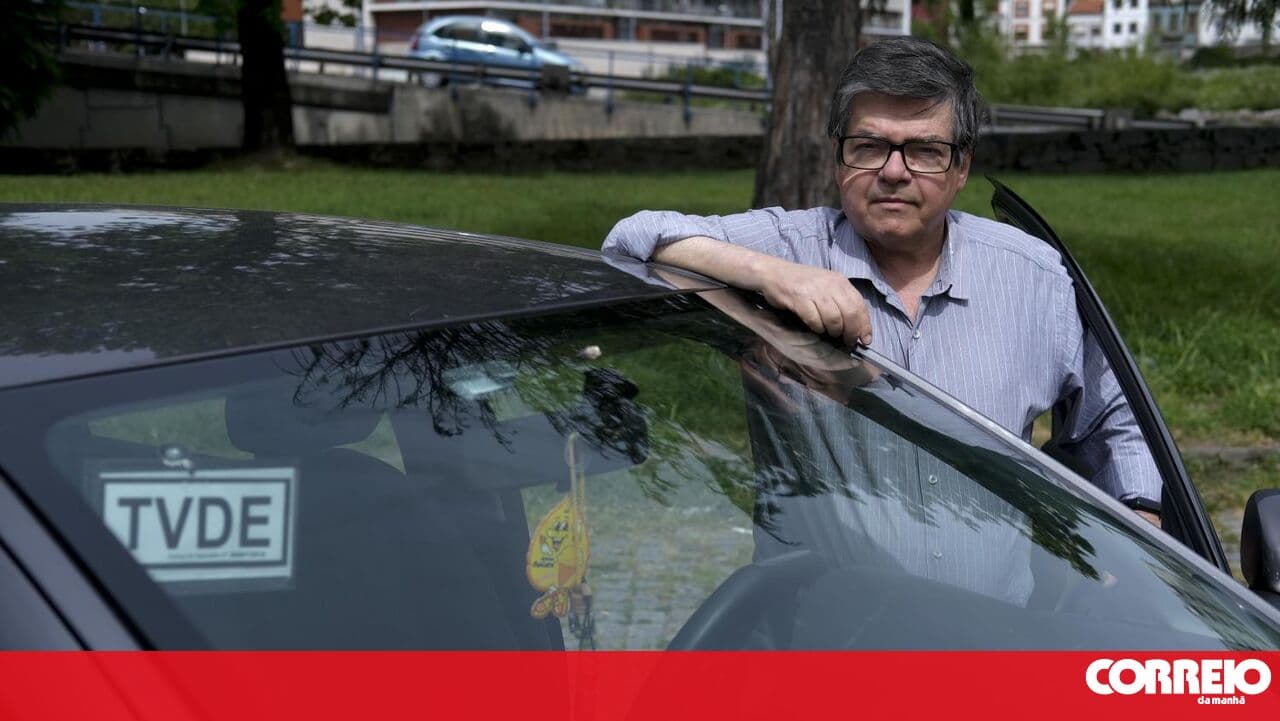
The ride-hailing sector law has been in force since 2018 and may now undergo a structural review, ranging from the language of drivers to the entry of taxis into the sector.
PRESS REVIEW | Number of infractions skyrockets
Anacom verified that four of the models did not display the CE marking, and five lacked indications of type, batch or serial number, or other elements that would allow for identification.

The absence of a visible CE marking prevents consumers from having a full guarantee that the equipment meets the safety levels required at the European level.

The GNR's Coastal and Border Control Unit (UCCF) seized approximately one tonne of oysters, with an estimated value of 20,000 euros, in Ílhavo, in the Aveiro district, the security force reported this Wednesday, March 11. In a statement, the GNR clarified that the oysters were seized during an inspection of a bivalve mollusc transport carried out on Friday. 'During the inspection, a shipping company was identified that was placing aquaculture animals on the market without the necessary prior notification to the Directorate-General for Food and Veterinary Affairs (DGAV),' the note states. According to the GNR, the responsible company was identified and a respective administrative offence notice was issued, with fines that could reach 44,890 euros.
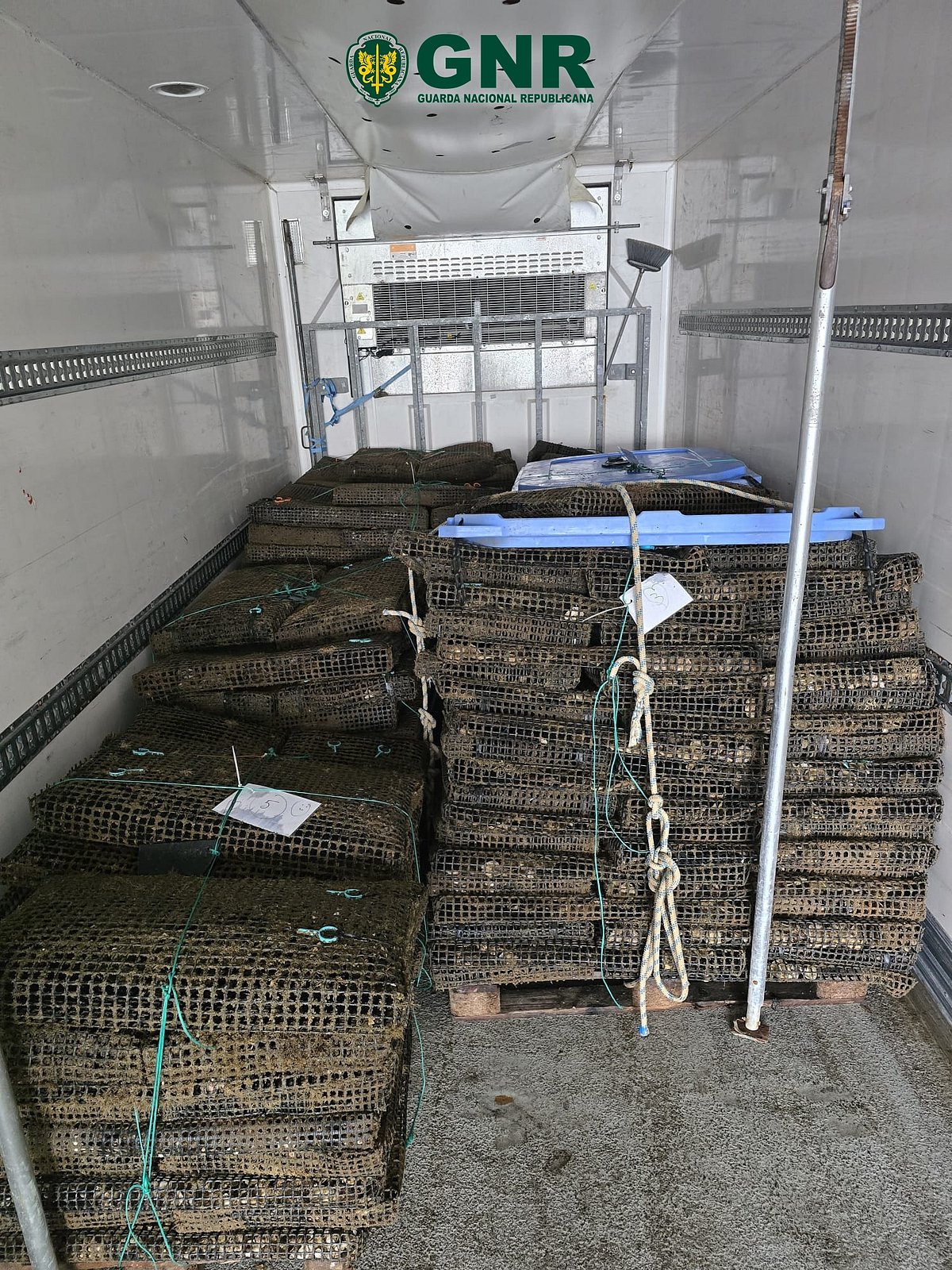
The seized oysters have an estimated value of 20,000 euros.

Oysters were seized during an inspection operation
Fuel prices are rising scandalously again, triggering a predictable general escalation in prices, increasing the cost of living and threatening to further degrade the already difficult living conditions of the Portuguese people. We are told that the fuel price hike is the price to pay for a war waged to bring democracy to Iran. They also want to convince us that this price increase is inevitable and results from a supposedly scientific relationship between supply and demand that would support the balance of freely functioning markets. The problem is that it is not like that at all. The war is not intended to bring democracy anywhere. The increase in fuel prices is not inevitable, nor does it result directly from any economic equilibrium. Much less are markets abstract entities that function in a balanced and free manner. There is no way to build a democracy by bombing the people one claims to want to liberate for that purpose. And the aggression of the US and Israel against Iran has no democratic motivation at its core. It is the political control of the Middle East and the appropriation of its natural resources that is at stake, based on the ambitions of hegemonic dominance of the US and Israel on a regional and global scale. The aggression of the US and Israel against Iran obviously implies serious disruptions in the international supply of oil and its derivatives. These difficulties should be one more (not the only, nor the main, but one more) of the many arguments that justify the demand for an end to the war and the destabilisation that the US and Israel have brought to practically all the peoples of that region. Even in this context, the rise in fuel prices is not inevitable. It results in large part from the exploitation that large economic groups in the energy sector, particularly oil companies, are making of this set of circumstances to increase prices and, thus, increase their already scandalous multi-billion profits. They do so by using the power they have to set prices at their whim, without any consideration for the general economic and social impacts of these decisions. They do so knowing that they count on a political power that is mostly submissive to their interests, which offers no resistance to their intentions, but rather finds a way to accommodate them, even transferring part of their financial impacts to the State and public coffers. They do so by proving that markets are not abstract entities, but rather a concrete reality that results from the composition of powerful economic and financial interests that move exclusively for the objectives of multiplying profits and accumulating capital. They do so knowing that, by taking advantage of the pretexts today to scandalously increase prices and their profits, they will never bring those prices back to the base, even if the pretexts used today disappear. Regulating, capping and fixing fuel prices is, clearly, the solution that is imposed by the democratic duty to defend the interests of the people and national development.

See the answer in the video. Polígrafo TVI (from the same group as CNN Portugal) is a fact-checking programme covering current affairs.

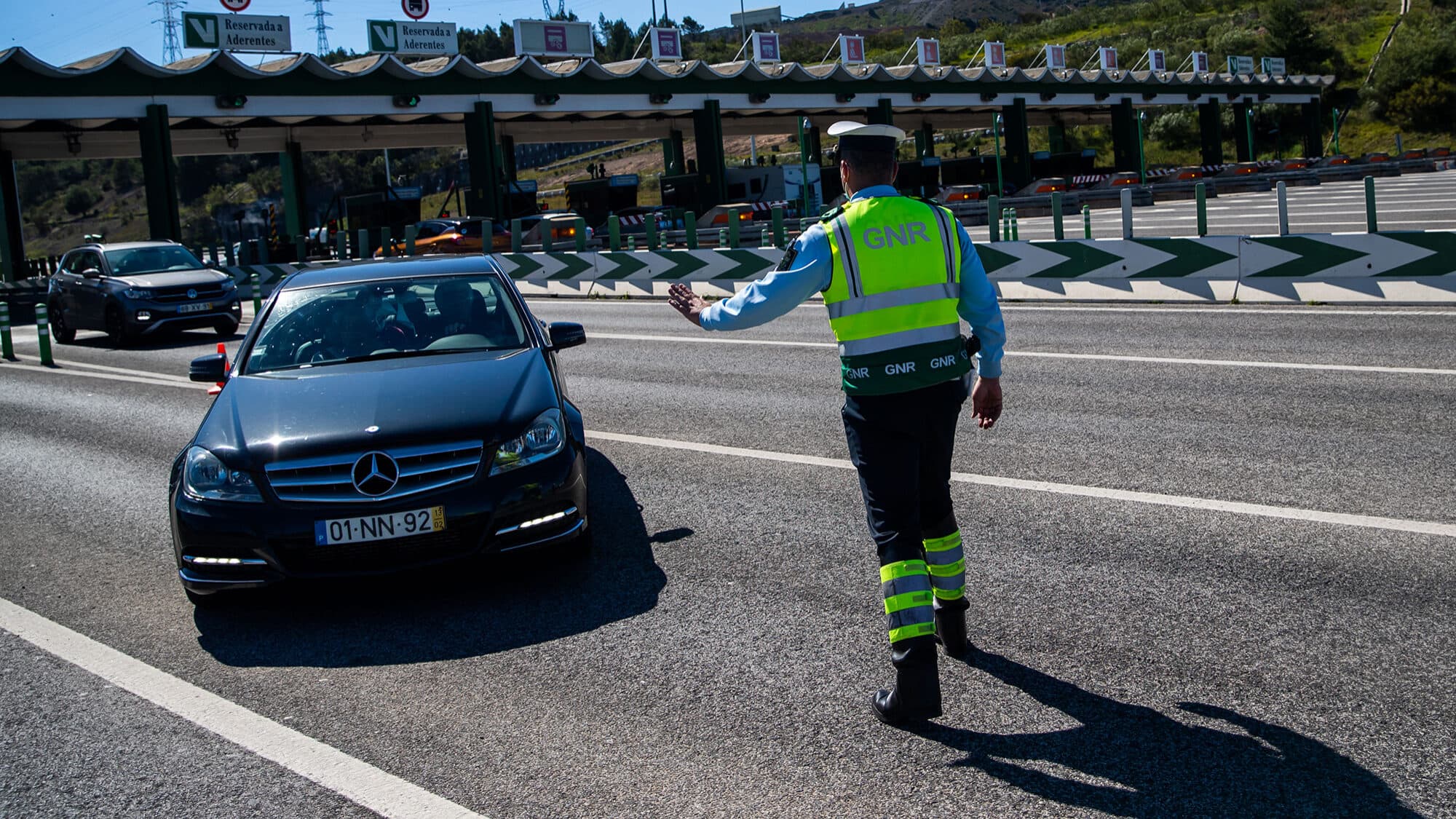
The Public Security Police (PSP) recorded 3,994 infringements for failure to use seatbelts and other restraint systems during 2025, an increase of more than 8 per cent compared with the same period last year.

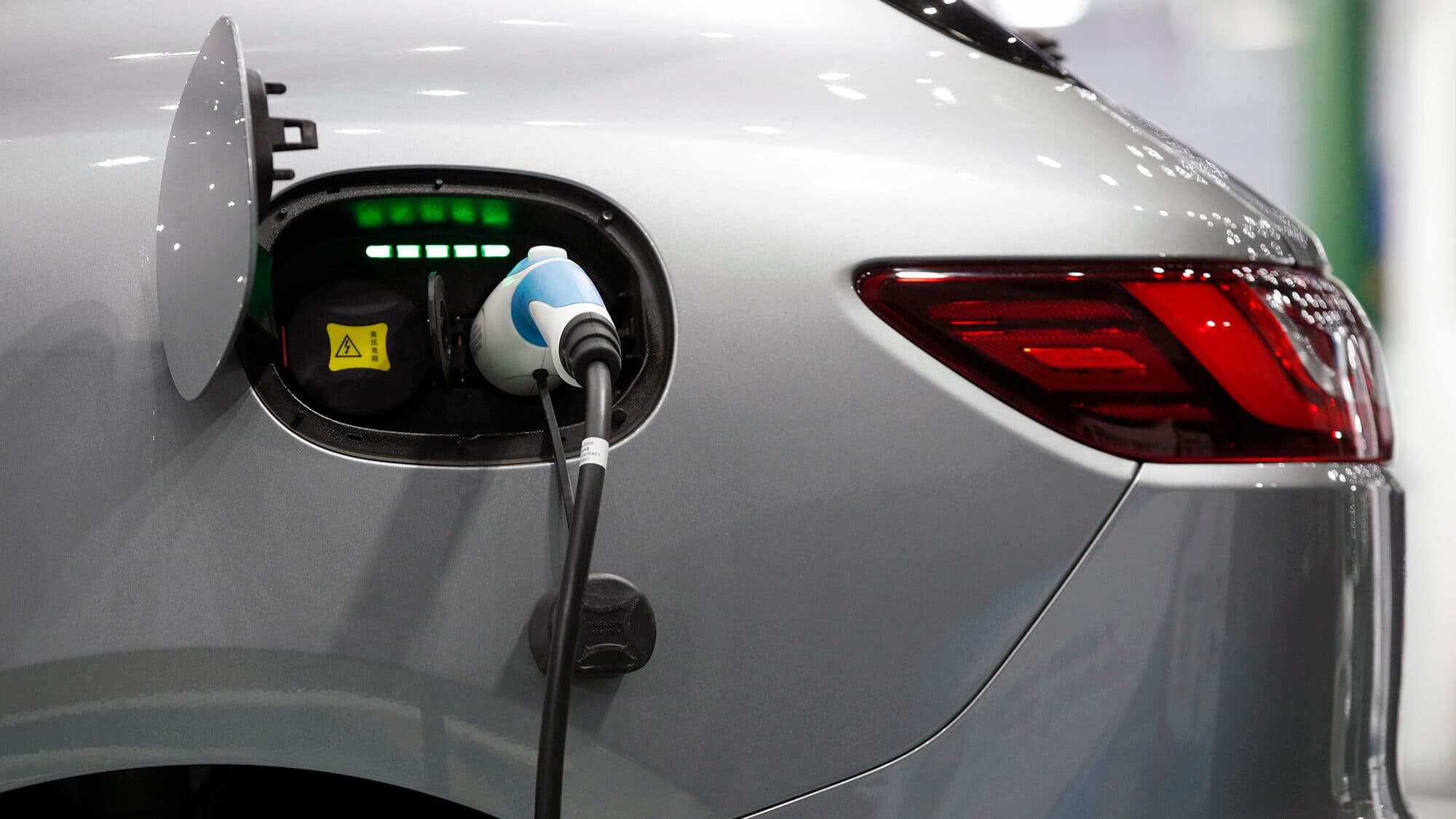
The President of the Electric Vehicle Users Association says the new regime “brings significant advances for electric mobility in Portugal” and highlighted the effort towards modernisation.
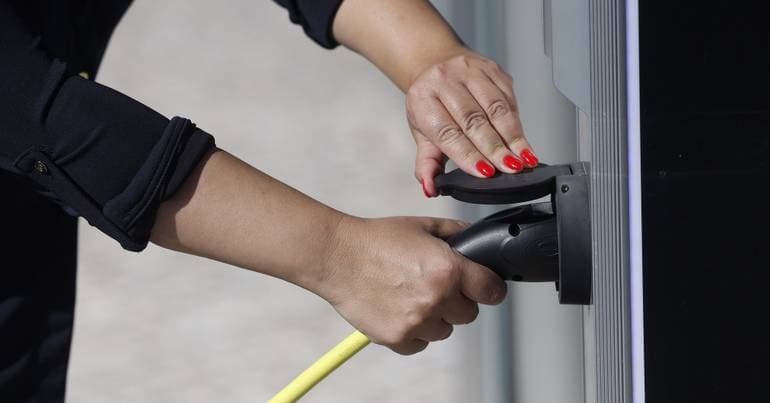
The president of the association of electric mobility operators and suppliers admitted a possible increase in electric vehicle charging costs, noting that the new regime did not protect operators' investments in the market. “The decree-law does not protect the investments made by those who have been in the market until now and that cannot be put ...”
The PSD parliamentary group has tabled a bill to amend TVDE rules so that taxis can operate under TVDE, caps on dynamic fares would be removed, vehicles such as tricycles and quadricycles could be used, and passengers could be subject to ratings. The proposal would further blur the regulatory distinction between traditional taxis and app-based ride-hailing, increase fare volatility through unconstrained dynamic pricing, and broaden the fleet types competing on platforms. Key implications include questions over safety, insurance and enforcement for non‑standard vehicles, the effects of passenger ratings on access and fairness, and the need for regulatory safeguards to protect drivers and consumers.


Lisbon's municipal authority has proposed banning alcohol consumption in public streets from 11pm, with proposed fines of up to €3,000 that could also be applied to establishments. Framed as a measure to reduce nuisance and improve public safety, the proposal raises questions about enforceability, proportionality and the potential economic impact on nightlife and hospitality. Separately, Le Monde reports Emmanuel Macron accusing Donald Trump of 'breaking with international rules', underscoring a parallel debate about norms and accountability on the international stage.

In response to an ERS warning about diagnostic delays, the association of private hospitals says it has the capacity to meet the SNS’s demand but is urging the Government to guarantee the resources, contracts and regulatory clarity needed to mobilise that capacity. The claim highlights a policy tension over using private provision to reduce diagnostic backlogs while ensuring adequate public funding and oversight.

From 2026, new cars will be fitted with additional safety equipment mandated by regulators to reduce road accidents. The measures should lower collisions and casualties and could bring long‑term savings in insurance and healthcare, but they will increase manufacturers’ costs and are likely to push up new‑car prices. Policymakers will need to balance public‑safety benefits against affordability, using tools such as subsidies, tax incentives, phased implementation or targeted support to lessen the impact on lower‑income buyers.