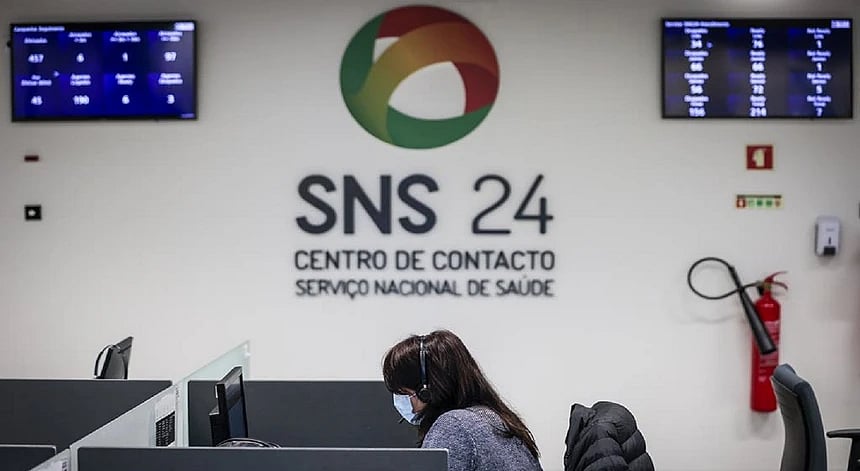
New user registration rules do not result in loss of access to the NHS, states ACSS
The ACSS clarifies that new NHS registration rules, aimed at updating inactive user lists, will not result in a loss of healthcare access for patients.

Latest news and stories about expat wellbeing in daily life in Portugal for expats and residents.
The ACSS clarifies that new NHS registration rules, aimed at updating inactive user lists, will not result in a loss of healthcare access for patients.

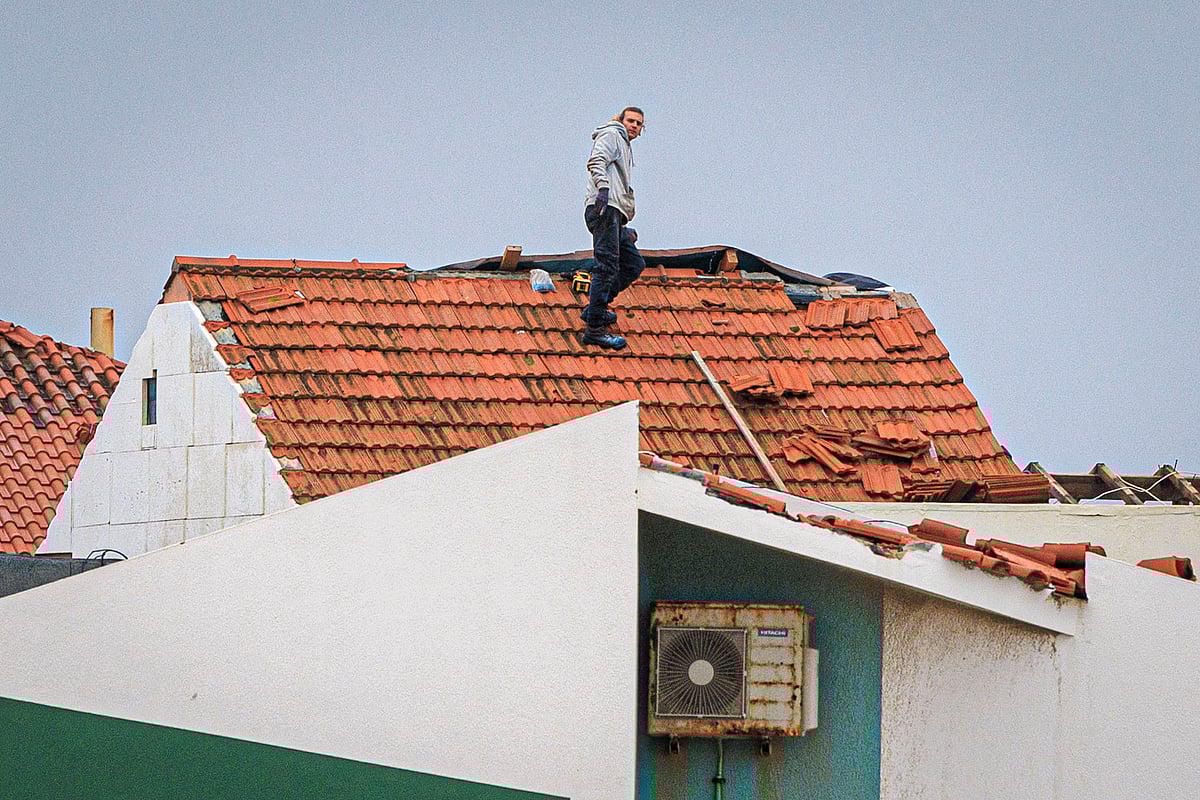
Almost a month after storm 'Kristin', many families, like Filomena's in Souto da Carpalhosa, are still displaced and living in temporary accommodations. This situation has disrupted their plans to return to their homeland after decades abroad, highlighting the ongoing impact of the storm on local communities.

The article discusses the procedures for requesting state assistance for individuals affected by recent storms, addressing the high volume of support requests and clarifying common questions about eligibility and the application process.

Paulo Fernandes, the president of the mission structure 'Rebuild the Central Region', expresses concern that over half of the local companies may have suffered damage due to severe weather conditions. He emphasizes the necessity of providing support to families who have lost their homes as a critical response to the crisis.

Weather phenomena do not conclude with the receding of water; their impacts persist in the lives of individuals, exacerbating existing inequalities.

Following severe weather conditions in Portugal, over 100,000 insurance claims have been submitted, with 75% already assessed. Insurers have processed only 12,000 claims so far, as many are hindered by access issues. The government has extended the state of calamity in affected areas and pledged significant financial support.

In Coimbra, local authorities have evacuated three thousand residents due to the imminent risk of dyke collapse, as persistent rain is expected in the North and Centre regions of Portugal. This article provides real-time updates on the weather conditions affecting the area.
An analytical minute-by-minute account of Portugal’s ongoing severe weather situation and its impacts. Authorities have declared 68 municipalities in a state of calamity until the 15th; this summary traces the evolution of the event, the response from emergency services, implications for public safety and wellbeing, and policy and service disruptions affecting residents and expats. It highlights key developments, likely near-term trends and practical safety guidance while noting where official updates and resources should be monitored.
Depression Marta has caused significant disruptions, leading to the closure of many roads and raising concerns about rising rivers. The death toll has now reached 14, with over ten thousand incidents reported as authorities work to manage the emergency situation.

João Guarda, a resident of Leiria, is facing severe flooding for the second time this week. He has resorted to using a log in an attempt to manage the rising water levels around his home, highlighting the ongoing challenges posed by extreme weather conditions in the area.

The aftermath of the severe flooding caused by the storm Leonardo has left a trail of destruction across the Iberian Peninsula, particularly affecting Portugal and Spain. Thousands have been displaced, and the situation remains critical as emergency services work to address the ongoing concerns of public safety and well-being in the affected areas.

Ten districts in Portugal are currently under an orange warning due to severe maritime agitation caused by the passage of depression Leonardo, which is bringing persistent and heavy rainfall. Authorities are urging the public to remain vigilant and prioritize safety as the weather conditions pose significant risks.

In 2025, over two thousand professionals retired from the NHS, raising concerns about the potential impact on patient care and public safety. Reports indicate that this mass retirement could lead to significant challenges in healthcare delivery, prompting calls for urgent reforms to address staffing shortages and ensure continued quality of care.

The Brazilian Consulate in Lisbon has initiated a campaign aimed at raising awareness and providing guidance on women's rights and combating gender-based violence. This initiative involves posting videos on social media twice a week, focusing on outreach and public safety for women.

A new study warns that, by 2050, extreme heat could expose almost half of the world’s population to dangerous conditions — and that global preparedness is inadequate. The analysis projects marked increases in heatwave frequency and intensity, with disproportionate impacts on urban populations, workers, older people and lower-income communities, creating risks for health, wellbeing, labour productivity, displacement and sustainability. Authors call for urgent mitigation (deep emissions cuts) alongside targeted adaptation: heat-resilient infrastructure, equitable access to cooling and water, early-warning systems and planning to reduce inequitable risks.

This article explains what clinicians and expectant mothers mean when they say paracetamol is “safe in pregnancy”. It clarifies that safety is relative: paracetamol is generally recommended as the first-line option for fever and mild-to-moderate pain because evidence from trials and guideline reviews shows a favorable risk–benefit profile compared with alternatives, but observational studies have suggested possible small associations with neurodevelopmental outcomes (eg, ADHD, ASD) that remain uncertain and may reflect confounding. Practical guidance is summarised: use the lowest effective dose for the shortest necessary time, avoid routine long-term or high-dose use, seek personalised advice from a healthcare professional (especially for repeated or high-dose use), and consider non-drug measures where appropriate. The piece emphasises evidence limitations, the importance of shared decision-making, and following national maternity-care guidance for expat and local patients alike.

Lisbon firefighters' union says the Regimento de Sapadores Bombeiros de Lisboa (RSBL) is in 'utter disarray', citing delays in promotions, organisational failures and that more than 10% of operational personnel lack proper uniforms. Staff are considering issuing a pre-strike notice as a warning that industrial action could follow if complaints over safety, logistics and career progression are not resolved. The union warns these problems undermine emergency response and public safety and is calling for urgent management and municipal intervention.

Carla da Silva, a dual Portuguese–Venezuelan national who had been convicted in Venezuela and reported to have been sentenced to around 20–21 years’ imprisonment, has been released after serving roughly five years. The Portuguese Ministry of Foreign Affairs said it is following the case and is in contact with her family. Official statements do not specify the legal mechanism for her release (pardon, commutation or other), leaving questions about the circumstances and any diplomatic role; the case highlights the role of consular assistance and could have implications for Portugal–Venezuela relations and the wider expatriate community.

A NOVA University study of 1,400 pupils across nine schools found that roughly one in three foreign students report experiencing discrimination by teachers, according to figures published by Diário de Notícias. The finding highlights persistent barriers to educational equality and student wellbeing among expatriate and immigrant pupils, suggesting a need for targeted policies, teacher training and further research to understand causes and address reporting pathways.
Hans Jørgen Wiberg, who was born in Denmark in 1965 and lives with tunnel vision, co‑founded Be My Eyes in 2015 to reduce everyday barriers for people who are blind or visually impaired. The mobile app connects users with sighted volunteers through live video calls so volunteers can provide remote visual assistance on demand. While the model has strong accessibility impact and low technical complexity, it depends on the scale and quality of a volunteer network and raises operational questions around reliability, privacy and availability. Given the headline framing as an “AI” app, the service also highlights an intersection where human‑in‑the‑loop assistance could be augmented by machine vision — offering potential scalability but bringing technical, ethical and usability trade‑offs that warrant careful deployment.

Despite repeated technical assessments, confirmed financial capacity and clear structural proposals, the SNS and INEM keep failing to deliver timely emergency responses. This analysis points to implementation gaps — weak governance, fragmented coordination between national and regional bodies, staffing shortages and poor resource allocation — rather than lack of solutions; the result is delayed care that harms patients (including expats) and undermines public wellbeing. Addressing the problem requires transparent accountability, an independent audit of operational bottlenecks, data-driven redistribution of resources and political commitment to implement already-defined reforms.

A Nova SBE report, 'Self‑medication in Portugal: Practices, Determinants and Behavioural Profiles', finds that 51.85% of respondents have self‑medicated at some point. The practice is especially common among younger people, those with higher education and people without a family doctor, and is being used for mental health issues as well as physical complaints. Most people do not inform their doctor about self‑medication, prompting experts to warn of risks for mental health and for patients with chronic conditions. The study highlights gaps in access to primary care and the need for better patient education and reporting practices.

A new report finds episodes of illness rising particularly among younger people in Portugal, contributing to an overall increase in the number of people falling ill while persistent barriers to accessing the SNS (Serviço Nacional de Saúde) remain high. The data suggest growing pressure on primary and urgent care, uneven access driven by geographic, capacity and administrative constraints, and possible underlying drivers such as changing infection patterns, mental‑health needs and disruptions to routine care. The report calls for targeted policy responses to expand capacity, improve outreach to younger cohorts and reduce practical barriers to care, and for more granular analysis to identify regional and demographic causes.

Portugal’s Judicial Police (PJ) has launched a first-of-its-kind campaign to tackle online radicalisation among young people, aiming to alert schools and families to warning signs, raise awareness, prevent recruitment and disrupt extremist influence across digital platforms. The initiative is framed as a preventive, educational and investigative effort combining outreach to educators and parents with targeted policing online. Separately, The Guardian reports heightened international tensions as former US President Trump is reported to be considering military options against Iran following a violent crackdown, underscoring how domestic efforts to shield youth from radicalisation sit alongside broader geopolitical risks.