Latest news and stories about economic indicator in daily life in Portugal for expats and residents.
In 2024 Portugal ranked fifth among European Union countries for income generated by foreign tourists, totalling €28 billion. Spain led with €98 billion, followed by France, Italy and Germany.

The external surplus of the Portuguese economy declined to slightly more than eight billion by November, indicating a reduction in the country's external balance compared with earlier months.

Eurostat, the EU statistical office, adjusted its estimate for annual inflation in the euro area down to 1.9% for December, indicating weaker price growth than previously reported.

After all, the Eurozone's year-on-year inflation rate eased to 1.9% in December, rather than the 2% reported by Eurostat in the first estimate released on 7 January. The new data published this Monday thus show a downward revision of 0.1 percentage points, meaning that the rise in prices in ...

The International Monetary Fund (IMF), led by Kristalina Georgieva, warns that risks to the global economy remain tilted to the downside despite having revised growth forecasts upwards, anticipating a 3.3% expansion in world GDP this year. The January World Economic Outlook (WEO), published this Monday, points ...

Live updates on market movements and economic developments for 19 January.

In a municipality with a social-democratic tradition, but where the Socialist Party (PS) has managed to win, it is the leader of Chega who is ahead in this presidential election.

A comparison shows consumers paid €61 less for the same set of products four years ago.

DECO reports the largest increase in the cost of a typical food basket, indicating a significant rise in grocery prices.

Overnight stays in tourist accommodation in the European Union (EU) set a new record in 2025, reaching 3.08 billion, which represents a 2% increase compared with the previous year, according to data released on Friday by Eurostat. Portugal ranks sixth among the countries with the lowest growth. Portugal recorded 89.6 million ...

ECO reports the Euribor moved higher for the three‑ and six‑month tenors while the 12‑month rate fell; the three‑month rose to 2.033%, the six‑month to 2.143% and the 12‑month stood at 2.248%. These short‑term oscillations can influence variable‑rate mortgages and refinancing costs in the weeks ahead. Mortgage holders and prospective buyers should check loan indexation clauses and lender notices for immediate impacts.
Euribor (Euro Interbank Offered Rate) is the benchmark interest rate at which European banks lend to one another and is widely used as the reference for variable‑rate mortgages in Portugal. Changes affect monthly payments directly: the recent figures reported were 2.034% (3‑month), 2.104% (6‑month) and 2.255% (12‑month), so a rising Euribor typically increases costs for borrowers with tracker or variable loans.

Between 2019 and 2025, fish prices rose 29%, according to INE.

Portuguese families are feeling the squeeze at the checkout like never before. According to consumer watchdog DECO PROteste, the basic food basket has surged to €249.09 in Portugal, the highest The post “Most expensive ever”: Food basket price reaches four-year high appeared first on Portugal Resident.

Markets revised down the likelihood of US military action.

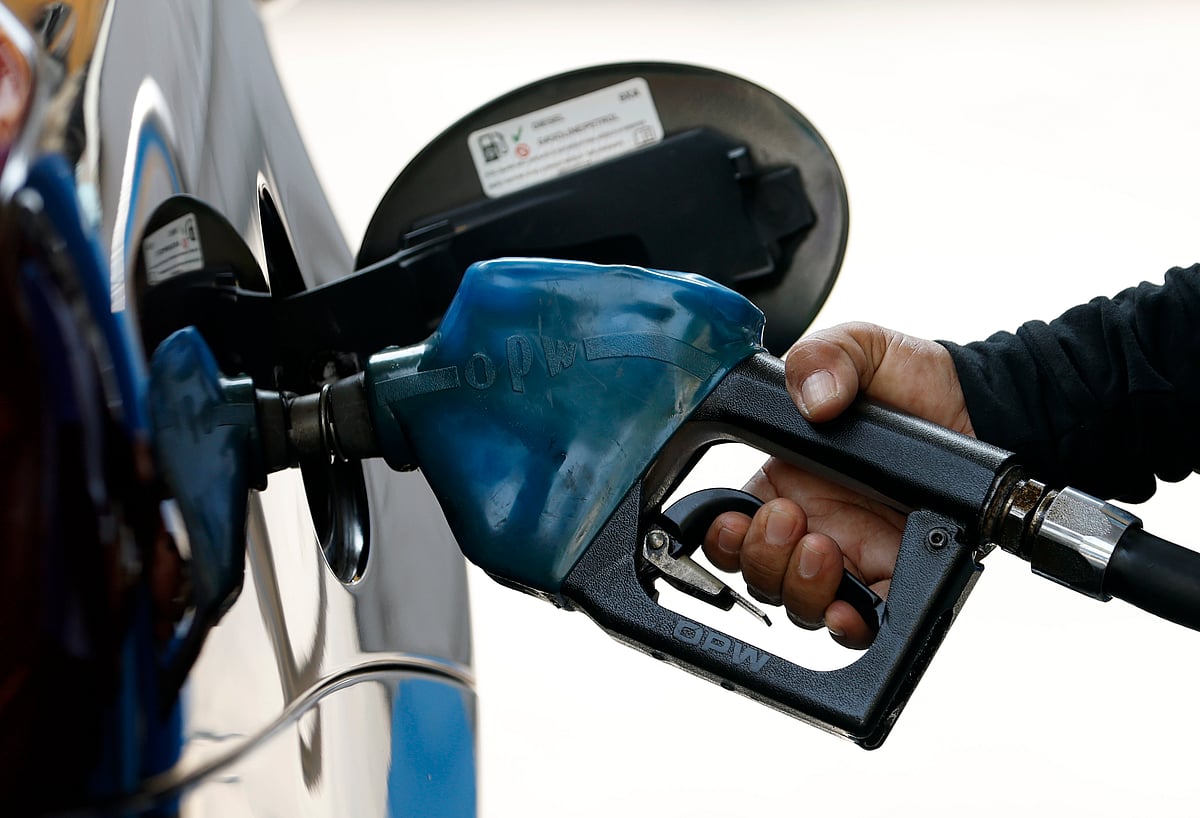
According to Epcol, in the last quarter of 2025 the tax burden accounted for 56.5% of the average retail price of 95‑octane petrol, 51.4% of the price of road diesel and 39.0% for autogas.

From 1 February, the new maximum limit for the price of Russian crude oil is US$44.10 per barrel, the European Commission said in a press release issued this Thursday. The G7 Oil Price Cap Coalition (the seven largest economies in the world) established a mechanism to ...

Epcol's accounts

INE confirmed annual inflation eased to 2.3% in 2025, a 0.1 percentage‑point drop from 2024; food was the largest contributor to price increases over the year. The data come from the Consumer Price Index as compiled by the National Institute of Statistics (Instituto Nacional de Estatística or INE). For residents balancing household budgets, slower headline inflation may ease pressure but food-price rises mean grocery bills remain important to monitor.
The INE is Portugal's National Statistics Institute (Instituto Nacional de Estatística), and its housing price index measures changes in residential property prices used by policymakers, lenders and markets. That index—published regularly with monthly and quarterly releases for different housing statistics—helps legislators assess price trends and justify measures when prices are rising steadily.
The Consumer Price Index (CPI) is a statistical measure that tracks the average change over time in the prices paid by households for a fixed basket of goods and services. Portugal’s statistics office (INE) reported the CPI rose by 2.3% last year (0.1 percentage points less than in 2024), and this figure helps expats understand changes in cost of living, rent indexing and adjustments to wages or benefits.
The National Institute of Statistics (National Institute of Statistics (Instituto Nacional de Estatística, INE) is Portugal’s official body for collecting and publishing data on population, economy and travel; it reported that trips by residents abroad rose 21.9% year-on-year to 975,000 in Q2 2025. Expats can use INE data for planning travel, business decisions or understanding tourism trends in Portugal via its website and published bulletins.

New data from Portugal's Survey on Living Conditions and Income show one region has the country's highest incidence of monetary poverty, with 17.9% of residents living below the poverty threshold. Analysts and local actors attribute the rise to a combination of state neglect, insufficient social-protection measures, the growth of precarious immigration and unstable work, and wider cost-of-living pressures — factors that together depress incomes and worsen social indicators. The figures point to a need for targeted regional policies on social security, employment quality and integration to reverse the trend.

JP Morgan analysts Aditya Chordia and Matteo Mamprin assign a roughly 50% probability that Moody’s will upgrade Portugal’s sovereign credit rating at its scheduled review in May, putting an upgrade within about four and a half months. The bank’s view reflects an assessment that Portugal’s improving economic fundamentals, fiscal position and lower borrowing costs have materially strengthened its credit profile, reducing downside risks. An upgrade as soon as May would tighten financing spreads, reinforce investor confidence and mark another step in Portugal’s long post‑crisis recovery; market participants should monitor sovereign metrics and rating signals in the run‑up to the review.

Official data show exports from Portuguese-speaking (Lusophone) countries to China fell 4% in the first 11 months of 2025 compared with the same period in 2024. The decline signals cooling Chinese demand and possible shifts in commodity prices or trade composition that weigh on economies exposed to Chinese markets. Policymakers and exporters will be watching full-year figures and country-level performance for signs of a sustained trend and potential policy or market responses.
Real-time analytical coverage of financial markets and economic developments on 6 January, including market moves, key data releases and macro indicators. Commentary focuses on consumer confidence and cost pressures, investor sentiment and flows, implications for investors and expat households, and the significance of today’s indicators for policy and markets.

In 2024 remittances from Venezuela to Portugal amounted to €9.8 million, a 15% decline on the previous year. The fall signals shifts in diaspora financial flows and can serve as an economic indicator of changing expatriate activity and cross‑border ties between the two countries.

Road fatalities and related casualties cost an estimated €1.5 billion in 2025, while overall road casualty levels have effectively returned to 2016 figures. The year saw more collisions and a rise in injuries, maintaining pressure on emergency services and the healthcare system and undermining public safety. Economically, the persistent casualty rate represents a significant indirect and direct cost that acts as a negative indicator for public finances and productivity. The pattern suggests a need for renewed, targeted prevention measures, enhanced enforcement and investment in safer infrastructure to reverse the trend and reduce both human and fiscal costs.