Agricultural insurance: supply and demand are low
Ana Duarte of F. Rego suggests that establishing a catastrophe fund is essential to address the current challenges in the agricultural insurance market.
Público

Latest news and stories about severe weather in culture in Portugal for expats and residents.
Ana Duarte of F. Rego suggests that establishing a catastrophe fund is essential to address the current challenges in the agricultural insurance market.
The webpage provides a broad overview of current news related to Portugal, including political, economic, and social developments. Key highlights include President José António Seguro's early days in office, emphasizing national unity; ongoing labor negotiations with both government and employer groups; and recent weather records indicating February as the wettest in 47 years. Additionally, Portugal's participation in the EuroMillions lottery is noted, with the jackpot won in the UK and only smaller prizes for Portuguese players. The site also covers judicial proceedings related to the Operation Marquês case and highlights Portugal's cultural event, the Michelin Gala, announcing new starred restaurants. Overall, the content reflects Portugal's political stability, economic activities, and cultural milestones amidst ongoing national and international issues.

The webpage provides various news updates related to Portugal, including political, economic, and cultural events. Notably, José António Seguro, in his second day as President, emphasizes the importance of inclusivity in the country. Economically, discussions are ongoing about labor laws, with employers open to negotiations and the government showing determination to resolve the impasse. Additionally, Portugal experienced its rainiest February in 47 years, according to the IPMA, and the country participated in the EuroMillions lottery, with winners in the UK and smaller prizes for Portugal. Cultural highlights include the Michelin Guide Gala, which announced new star-rated restaurants. Overall, the content reflects a mix of political stability, economic negotiations, weather records, and cultural events in Portugal.
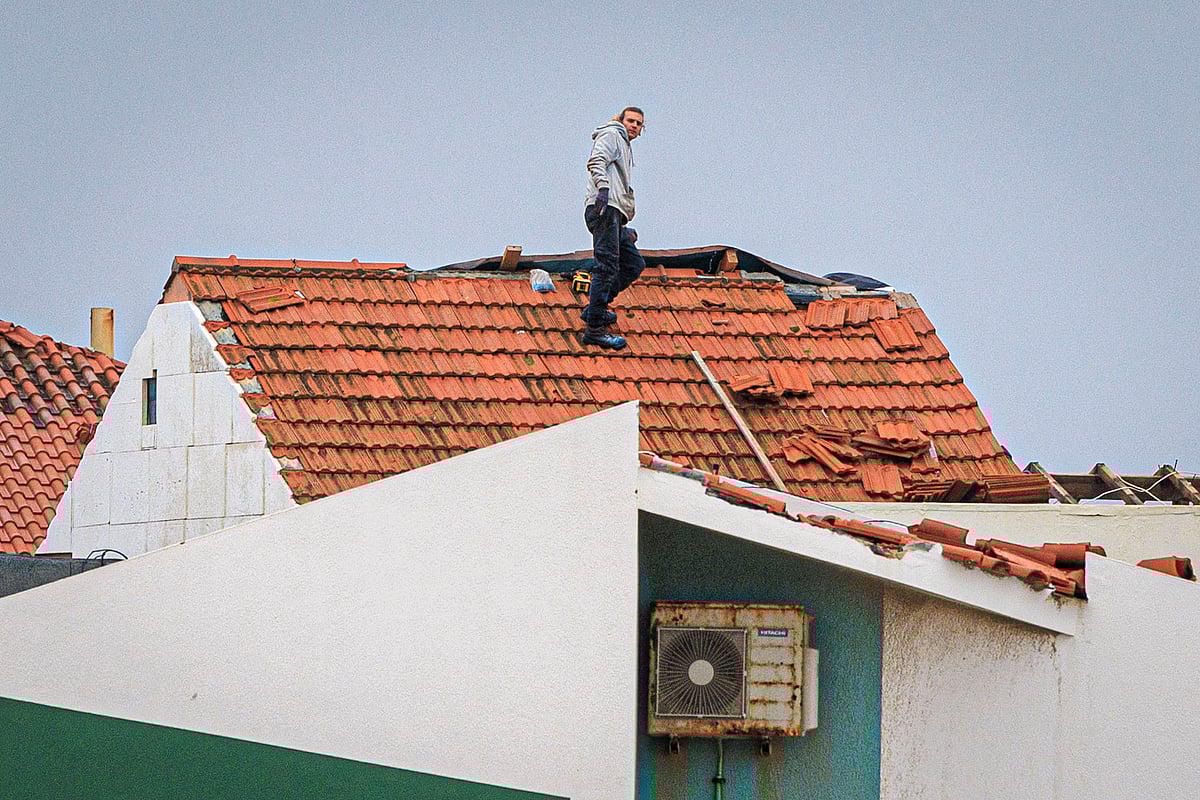
A resolution project from PAN aimed at ensuring timely support for populations affected by bad weather in Portugal during January and February is expected to be approved this Friday in the Assembly of the Republic. The measure eliminates the requirement for regularised tax and contribution status for access to reconstruction support for homes and facilities destroyed by extreme weather events, likely receiving backing from the left, including PS and Chega. The proposal addresses the vulnerability of affected individuals managing tax debts while seeking support. Additionally, discussions will cover legal criteria for patronage, with various proposals from Chega, PS, and Livre focusing on cultural patronage and emergency kits distribution.
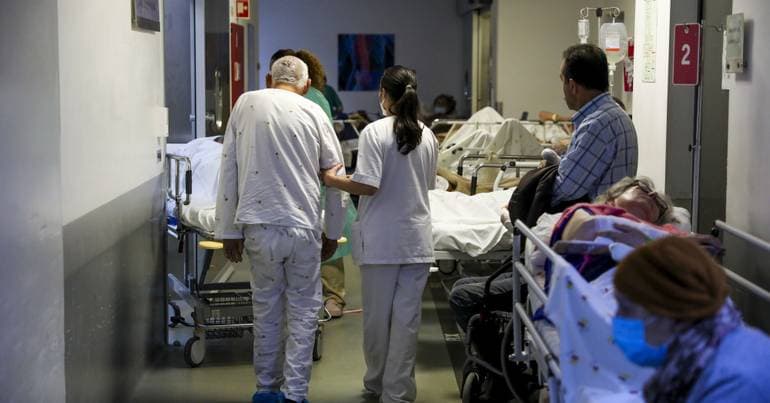
One month after storm Kristin, the Leiria hospital continues to grapple with the aftermath of the disaster, which saw 177 polytrauma patients flood the emergency department in just six hours. Healthcare professionals faced significant challenges, including a lack of communication and blocked roads, forcing patients to arrive in their own vehicles. As attention shifted from the storm's immediate impact, underlying issues in the healthcare system have resurfaced, highlighting ongoing chaos and the need for improved public safety policies.
Portugal faced severe challenges from January 28 to February 15, 2026, due to successive storms that revealed the country's vulnerabilities and lack of preparedness for such crises. The government introduced the Portugal Transformation, Recovery and Resilience Programme (PTRR) as a response, but questions arose about the state's absence during critical moments. Despite past crises, including wildfires and floods, lasting solutions were not implemented. Immediate and concrete measures are needed, including support for farmers, toll exemptions, and property tax relief in affected areas. The government’s reluctance to adopt a Rectifying Budget is criticized, as billions in losses threaten businesses and families. The PTRR must translate into real action, and a permanent disaster response fund is essential to avoid starting from scratch after each storm. The article emphasizes the need for political courage and a commitment to support those affected, arguing that the state must not fail its citizens during crises.

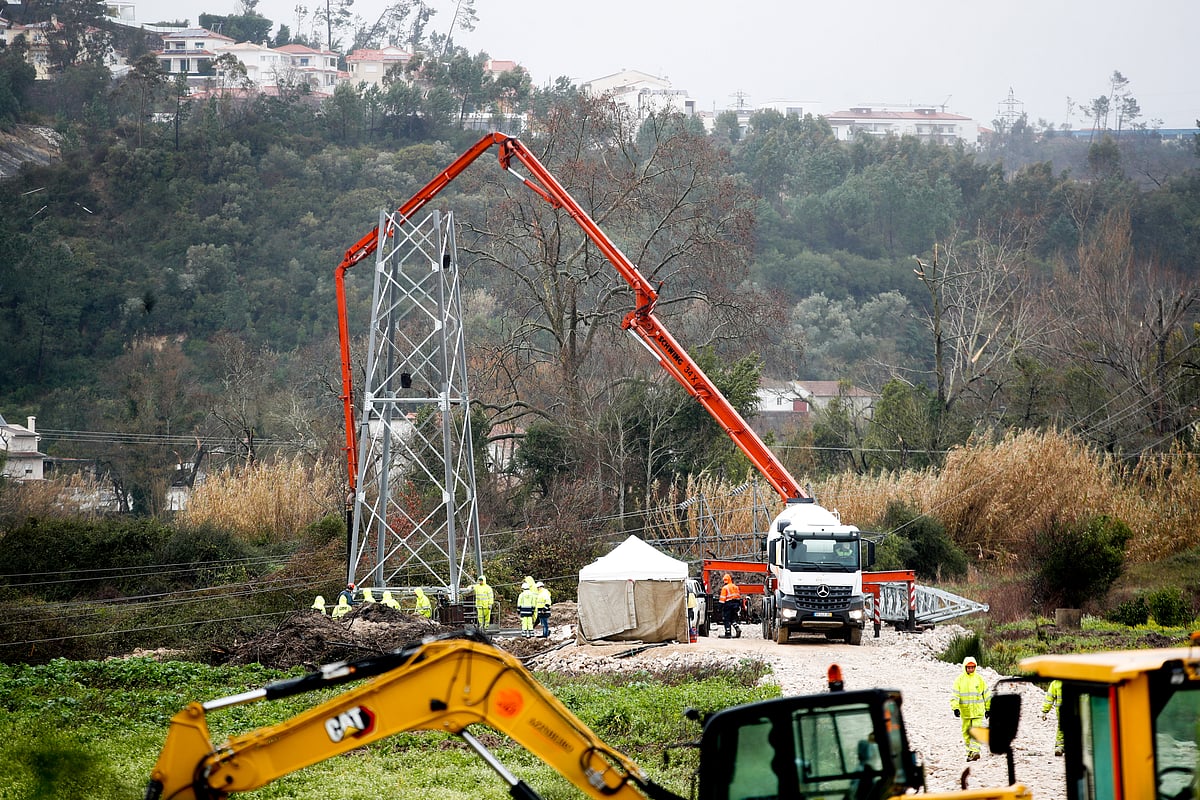
Approximately 1,800 customers of E-Redes in areas affected by storm Kristin remained without electricity as of 5:00 PM on February 22. The EDP group company stated it is focused on restoring electricity supply. Earlier, 4,500 customers were reported without power. The storms have caused significant damage, resulting in 18 fatalities and affecting 90,000 students due to school closures. The Central, Lisbon and Tagus Valley, and Alentejo regions were the most impacted, with estimated damages in Seixal around 15 million euros.
The article critiques the Government's Labour Package, titled Work XXI, arguing it regresses rather than innovates in the realm of work. It emphasizes the need for the Labour Code to adapt to the increasing frequency of extreme weather phenomena, advocating for provisions that protect outdoor workers and clarify absence policies during public calamities. The author calls for a Labour Code that prioritizes safety and preparedness for the challenges of the 21st century, rather than the outdated framework proposed by the Government.

Former Minister of Economy António Costa e Silva emphasizes the need to prioritize support for storm victims over strict adherence to public finance regulations, advocating for a balanced approach to economic management.

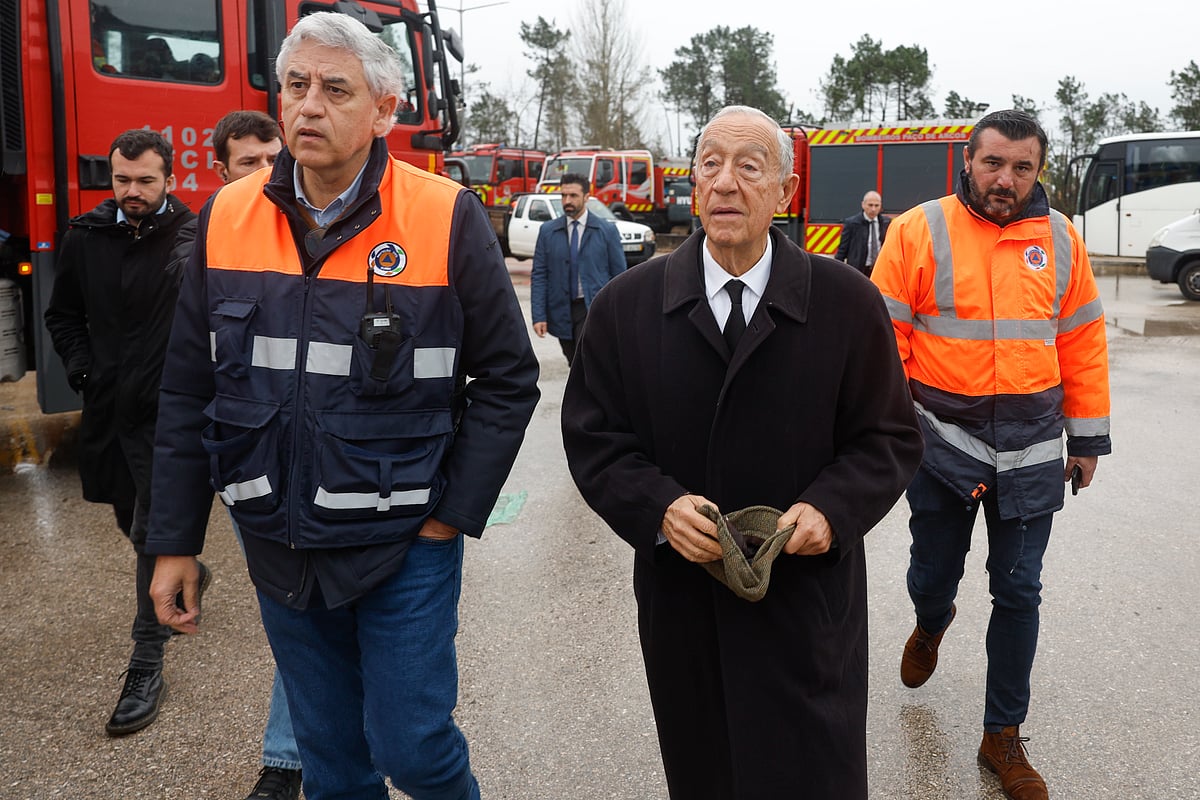
President Marcelo Rebelo de Sousa has proposed discussions on establishing a disaster fund in Portugal to address damages from increasing natural disasters, such as recent floods. During a visit to the flooded area of Alcácer do Sal, he highlighted the need for financial relief for businesses affected by such calamities, especially those without insurance. He noted that similar funds exist in the European Union and emphasized the opportunity presented by the Recovery and Resilience Plan (PRR) to support this initiative.
Following severe weather conditions in Portugal, over 100,000 insurance claims have been submitted, with 75% already assessed. Insurers have processed only 12,000 claims so far, as many are hindered by access issues. The government has extended the state of calamity in affected areas and pledged significant financial support.

I express solidarity with families and businesses hit by the recent storm and analyse the economic fallout: production disruptions, supply problems, material losses and sharp revenue declines compounding an already fragile economic context. The initially approved support of about €2.5bn is inadequate; the government’s move to roughly €4bn reflects the scale of social and economic damage and the need for swift, streamlined, locally tailored aid. While budgetary discipline underpins external credibility and macroeconomic stability, excessive restraint now risks irreversible loss of productive capacity, exports and skilled jobs. Support should be treated as strategic investment in Portugal’s resilience, alongside longer‑term spending on resilient infrastructure, risk management and climate adaptation policies.

Around 1,200 individuals have been displaced in mainland Portugal due to severe flooding, particularly in the Central region. The evacuations were carried out as a preventive measure, affecting areas such as Beira Baixa, Coimbra, Leiria, and the Lisbon area.
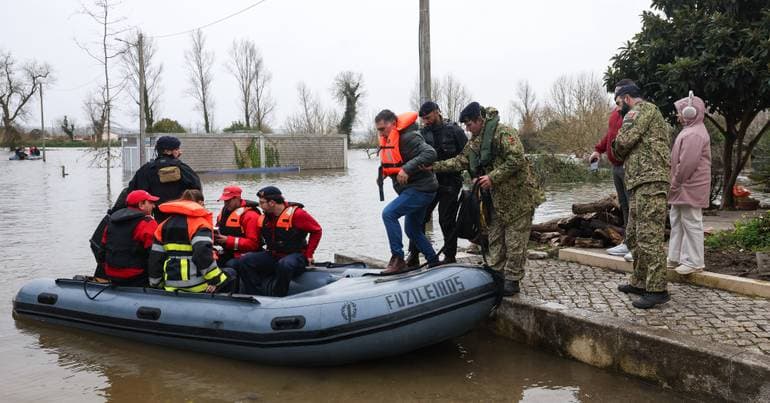
Since 28 January, storms Kristin, Leonardo and Marta have caused 14 deaths and hundreds of injuries and displacements across Portugal. Civil Protection reports a calm night and a slight improvement in flooded areas after late-week river surges — notably in the Douro, Mondego, Tejo, Sado and Guadiana basins — but thousands of incidents were recorded and forecasts of further rain mean flood risk and pressure on emergency services remain elevated.

Depression Marta has caused significant disruptions, leading to the closure of many roads and raising concerns about rising rivers. The death toll has now reached 14, with over ten thousand incidents reported as authorities work to manage the emergency situation.

The National Elections Commission (CNE) is urging citizens to participate in the upcoming presidential elections on Sunday, despite forecasts of bad weather. The CNE has recommended the organization of special public transport to facilitate voter turnout and ensure that citizens can exercise their right to vote under the best possible conditions.

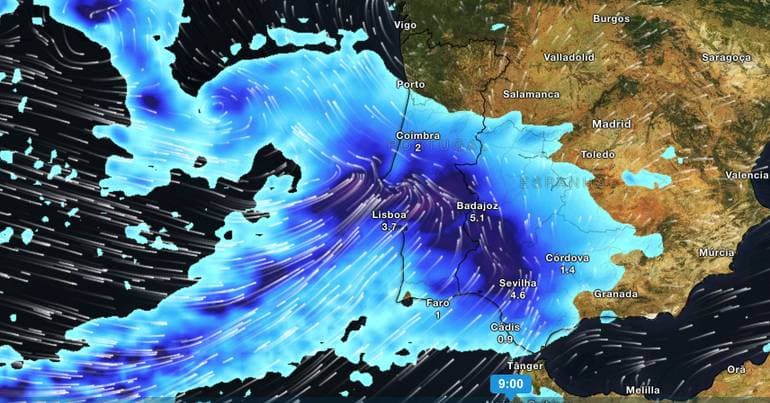
Portugal is bracing for worsening weather conditions as depression Marta approaches, expected to bring further flooding this Saturday. Civil Protection authorities have issued warnings for urban areas, particularly Lisbon, urging residents to prepare for potential flash floods. The situation is being monitored closely, with updates provided minute by minute.
The arrival of Depression Marta is expected to bring heavy rain to Lisbon and Setúbal, with the most concerning period being between morning and early afternoon. Areas already facing complications may experience the worst impacts as this is the third depression to hit the region in a short span of time.
This Saturday, storm Marta is expected to bring heavy rain, strong winds, significant snowfall, and very high waves, posing potential dangers to the public. Following Marta, another atmospheric river is anticipated on Sunday, indicating a continued period of severe weather.
The Culture Minister revealed today at the Convent of Christ that the low-pressure system Kristin has already caused damage to more than 50 national monuments, with the Government estimating that around €20 million will be needed for repair and restoration work.

The passage of Storm Kristin caused significant damage to over 50 Portuguese monuments, including the Charolinha of Mata dos Sete Montes in Tomar, which was completely destroyed, and the Convent of Christ, a World Heritage Site, which suffered extensive damage.

Storm Kristin, which brought heavy rain over consecutive days, damaged more than 50 national monuments, so teams are inspecting the sites to assess each one's needs.
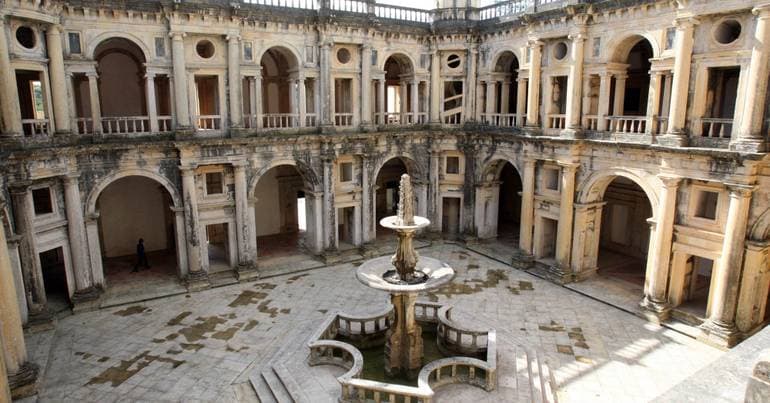
Authorities say about 50 monuments damaged by the recent storm will require roughly €20 million for repairs and restoration.

The Minister of Culture says the list of affected monuments 'may grow in the coming days'.