President of good
Seguro has powerful capital at his disposal: trust and reliability.
Correio da Manhã
Latest news and stories about presidential election in culture in Portugal for expats and residents.
Seguro has powerful capital at his disposal: trust and reliability.
Whether in the republic or in a condominium, the presidency calls for respect and responsibility. But it also calls for calm, common sense, and sensitivity. This is the soundtrack we suggest for a new President.
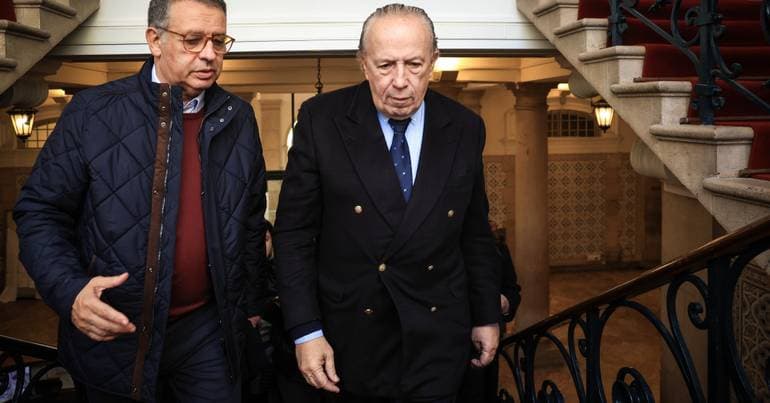
The former prime minister said he might not have run for a second term in Figueira da Foz, but wanted to keep his commitment to the city. He also argued that Cavaco Silva was the best leader of the PSD.
The second day of the new President of the Republic's inauguration programme took place in the interior and the north of the country.
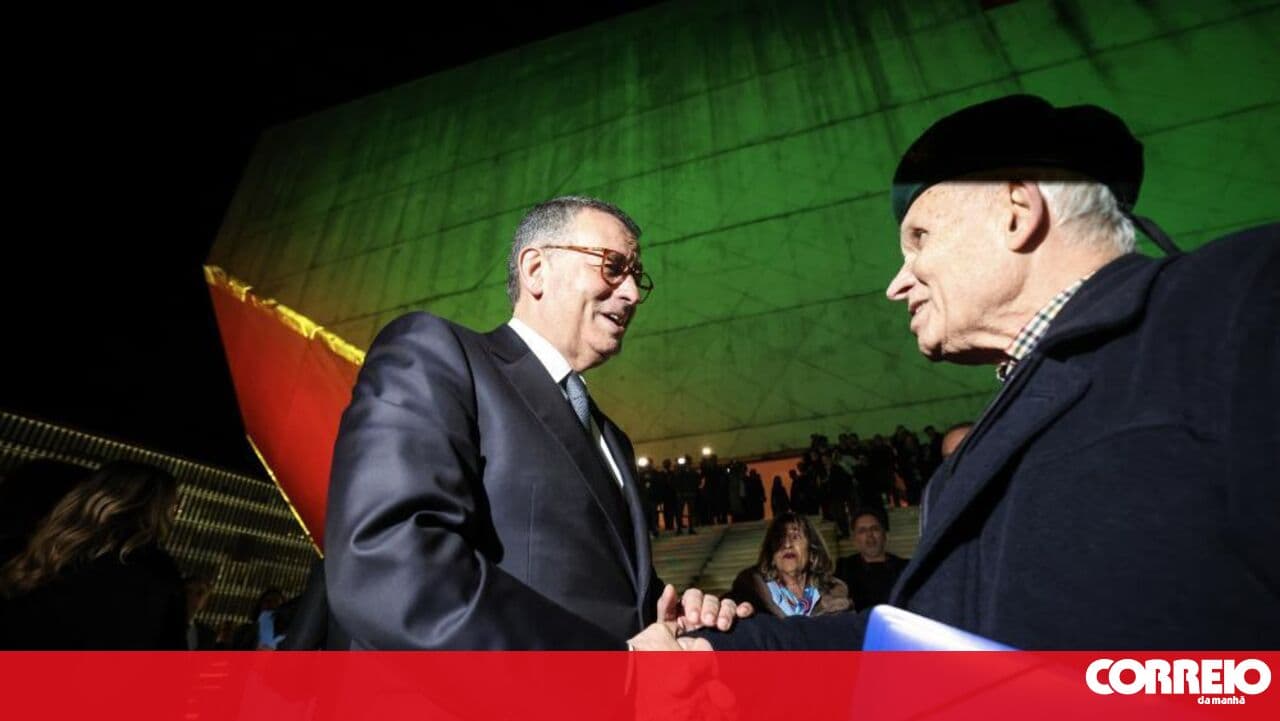
Amidst pomegranate trees and flags, Seguro highlighted the symbolism of Guimarães as a “cradle of the future”. In Porto, the new President of the Republic stated that “there is no Portugal without Porto”. On the second day of his mandate, the new head of state sought to commit himself to a more cohesive, sustainable country that is attentive to future generations.

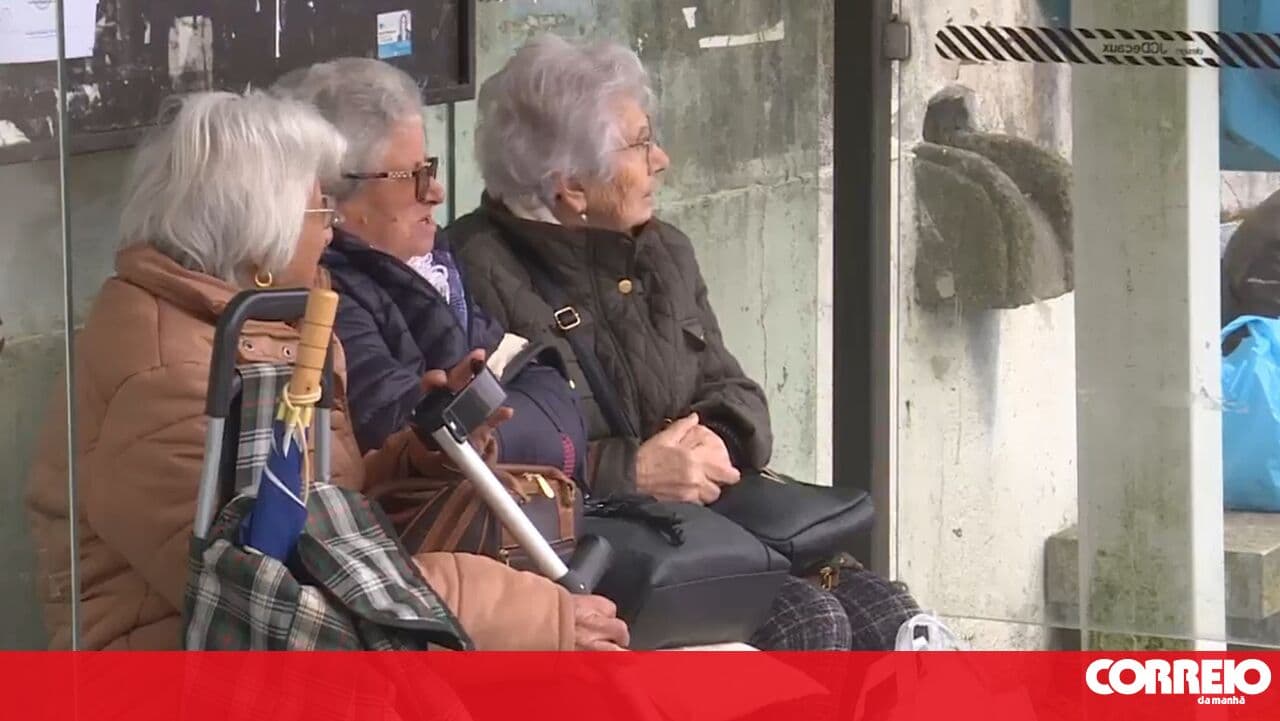
Locals reveal high expectations for the term of Marcelo Rebelo de Sousa's successor.
He walked up the Palace ramp shortly after 1:30 PM, hand in hand with Margarida and their children, Maria and António. This image contrasts with Marcelo, who is always alone on the symbolic days of his terms. While not the most important aspect of this Monday, March 9th, it is a sign—there is a difference between a man who enters and leaves alone and one who crosses the riverbank carrying an idea of family and sharing. The new President of the Republic has the responsibility to be a beacon in a time of deep uncertainty. It is normal that he slept little today; he surely woke up without the need for an alarm clock, as if he were a child on the first day of school again. He will have a busy schedule, but I hope that in the coming years he can find room for silence, to be with himself alone, without opinions, meetings, lunches, or dinners, and without people wanting something. We need new words, new ideas, new protagonists, and new energy. The new President of the Republic has the responsibility to be a beacon in a time of deep uncertainty where we seem to be at the mercy of the wind or condemned to be lost at sea. There are bombs falling in the Middle East and Ukraine. There is a radicalism growing in the bowels of countries. There is a loss of faith in Democracy and Politics. There is a society that remains unequal. There are thousands of young people who do not know when they will be able to fulfil their potential. There is a country we love, and so often despise, that needs someone to wind up the clock of hope and stimulate the best we have. Good luck, Mr. President. A hug, dear António.
António José Seguro was sworn in this Monday as President of the Republic, replacing Marcelo Rebelo de Sousa at the Belém Palace. To close the day, the head of state decorated his predecessor.

The National Elections Commission (CNE) is urging citizens to participate in the upcoming presidential elections on Sunday, despite forecasts of bad weather. The CNE has recommended the organization of special public transport to facilitate voter turnout and ensure that citizens can exercise their right to vote under the best possible conditions.

The televised debate between Seguro and André Ventura was the second most-watched programme in over a year, reflecting intense public interest as the presidential campaign enters its final phase. First-round abstention fell to 47.65% — the lowest since 2006 and down sharply from 60.76% in 2021 — a sign of renewed voter mobilisation. Both participants claimed victory after the debate; Ventura adopted a visibly more moderate tone but sometimes appeared unprepared, a stance that could cool support among his populist base. The combination of high viewership and shifting candidate strategies may shape turnout and campaign tactics ahead of the next round.
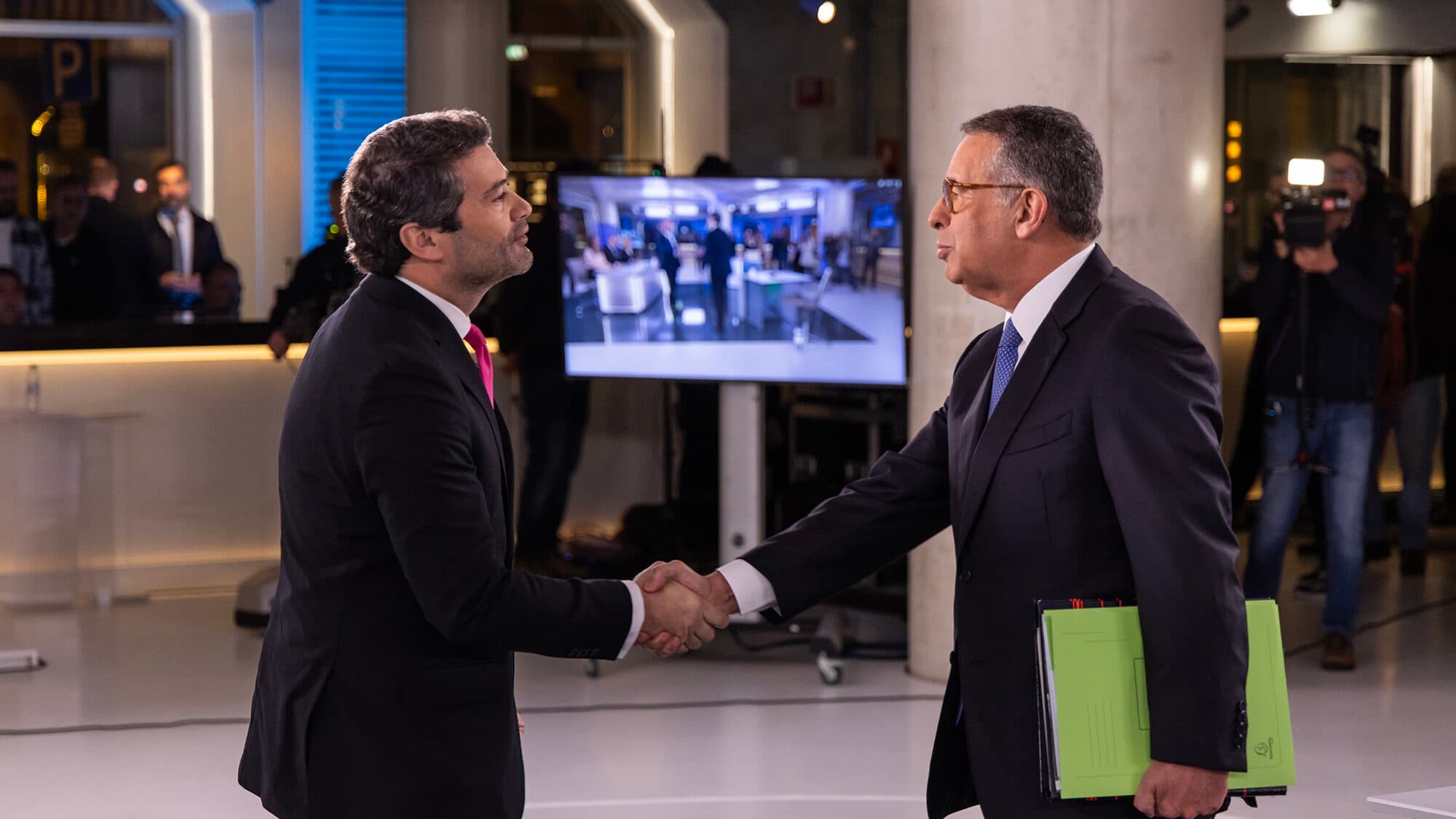
António José Seguro and André Ventura faced off in the only televised head‑to‑head before the 8 February presidential run‑off in a 75‑minute debate broadcast on SIC, TVI and RTP (live coverage by Expresso). Seguro sought to present himself as “presidential material”, condemning the state of healthcare as “unacceptable”, while Ventura adopted a party‑leader posture, attacked Seguro as a “kind of Queen of England” and tried to tie him to the PS legacy. Despite their contrasting styles, both candidates united in rejecting the Government’s labour law, highlighting policy faultlines and the choice voters face for a more demanding presidency.
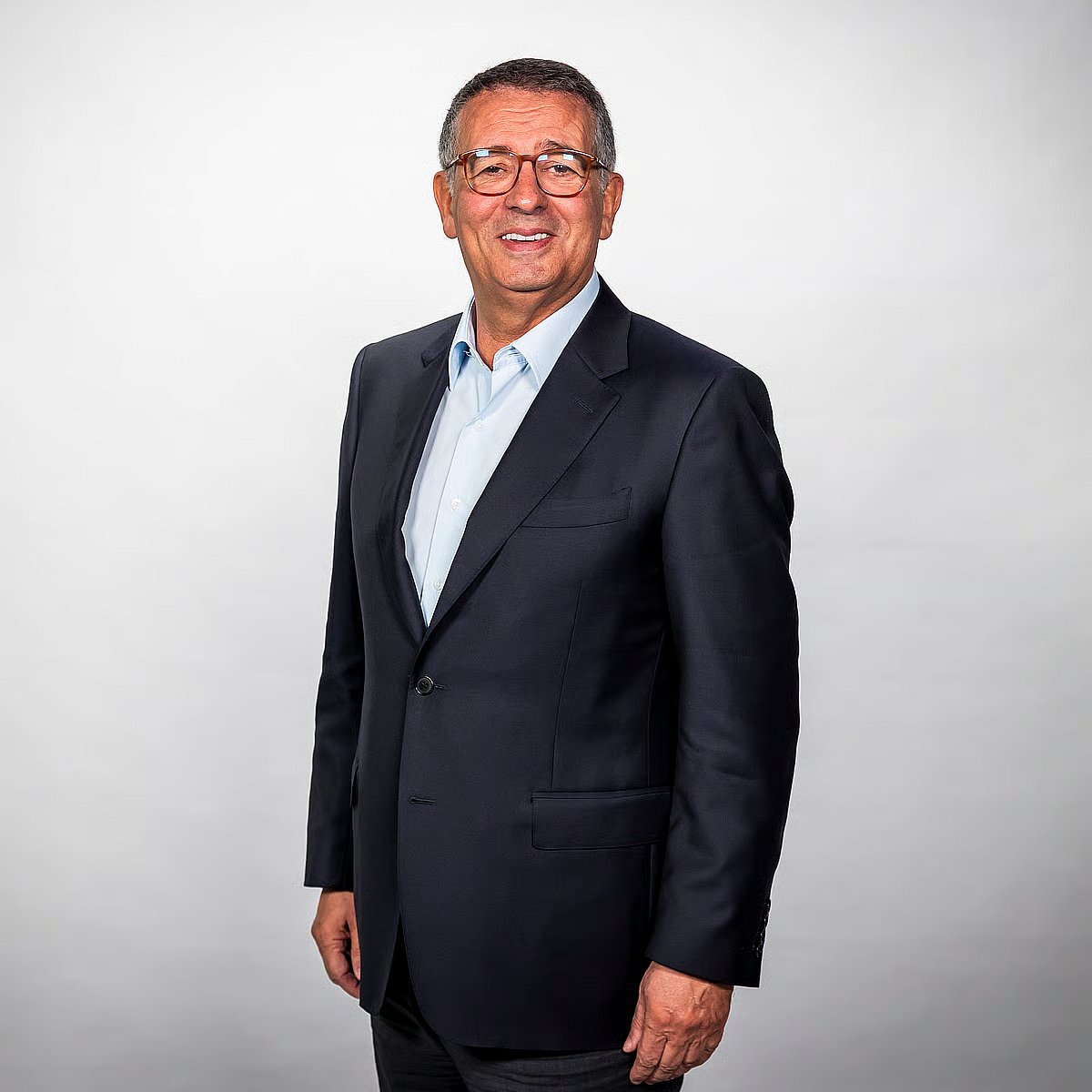
Former CDS-PP leader Paulo Portas has broken with both party and government neutrality to announce he will vote for António José Seguro in the presidential runoff, calling him “a decent politician in a very difficult moment for Portugal”. Portas framed his choice as support for a moderate alternative, rejecting efforts to reduce the race to a simple left-versus-right contest and warning against polarising rhetoric — including what he described as “an imitation of Trump” and a country “divided into tribes”. The endorsement signals a centrist tilt that could sway conservative voters uncomfortable with polarisation and complicate the CDS-PP's official posture ahead of the second round.

CDS‑PP leader Nuno Melo reiterated that his party will not support any presidential candidates, rejecting António José Seguro's socialism and André Ventura's populism. Melo likened Ventura to Donald Trump and controversially described Chega's positions as comparable to socialism, urging voters to vote according to their conscience.

Chega-backed presidential candidate André Ventura appealed to Portuguese emigrants in Switzerland to participate in the second round, arguing that, for the first time in democratic history, their votes “will be decisive.” He framed the contest as an opportunity to “change the system,” accusing PSD, CDS and IL of colluding with Seguro in a “cosy arrangement of interests,” and urged emigrants to cast a decisive vote in the run-off.

Iniciativa Liberal (IL) will officially remain neutral in the presidential run-off, but its president, Mariana Leitão, said she will personally vote for António José Seguro “without much enthusiasm.” Leitão rejected the populist appeal of André Ventura while also saying IL cannot back a candidate who seeks to leave the status quo unchanged. The story highlights a tension between the party’s institutional neutrality and individual leadership choices — amplified by a note that one candidate drew three times the party’s votes and Cotrim’s campaign director’s remark that “a political camp needs leadership,” suggesting internal strategic concerns about direction and influence.
Livre has formally endorsed António José Seguro in Portugal's presidential election, framing the decision as a response to what it describes as a ‘serious risk to the rule of law’. The party argues Seguro embodies respect for the Constitution and positions the endorsement as a defence of legal institutions, a move that could consolidate centre-left support and reshape campaign dynamics by foregrounding constitutional and judicial concerns.

The article analyses the surprise outcome of the first round of Portugal’s 2026 presidential election, won by António José Seguro and André Ventura, and the failure of many recent polls to foresee those results. It examines how polling published during the campaign understated late dynamics and argues that neither the standings nor vote shares point to a decisive ‘useful vote’ effect. The piece also reflects on the broader consequences for poll credibility and media narratives, warning that dismissing polls or candidates out of hand risks undermining both public understanding and the activity of polling itself.

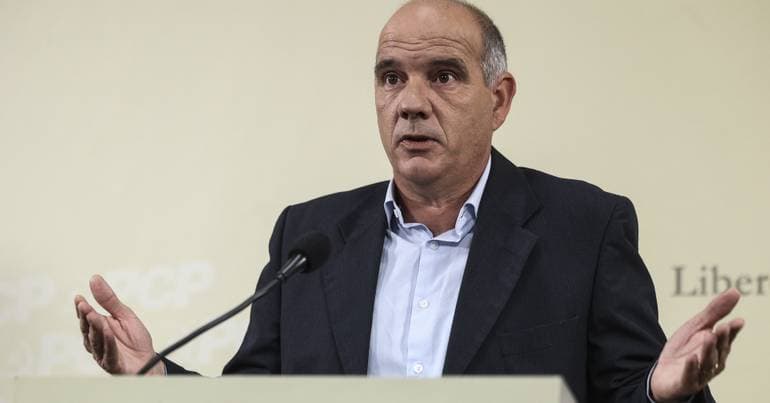
The Portuguese Communist Party (PCP) has called for voters to back António José Seguro in the presidential run‑off to prevent far‑right candidate André Ventura winning, a tactical appeal rather than an endorsement of Seguro. Secretary‑General Jerónimo de Sousa (Raimundo) framed the move as a ‘‘determined and unhesitating’’ effort to defeat a ‘‘candidate of the past’’, noting Seguro’s ability to attract votes beyond the Socialist base — including former AD and IL supporters — while Ventura is making inroads in the north where AD once dominated. The PCP stressed the vote is a defensive measure ahead of the 8 February second round, rejecting the notion this is a simple left‑versus‑right clash given the absence of a left‑wing candidate.
André Ventura returned to the campaign trail in Sacavém after advancing to the second round, challenging António José Seguro to more debates and accusing him of preparing to avoid direct confrontations. Ventura said he was astonished that several right‑wing and establishment figures were endorsing Seguro — whom he claims is ‘running into the arms of the Socialist Party’ — but stressed that such endorsements do not matter to him and that only popular support counts.
In the aftermath of the presidential first round, several defeated candidates have signalled how the contest will shape up. Catarina Martins, António Filipe and Jorge Pinto have declared support for António José Seguro in the second round, consolidating a bloc of endorsements. Marques Mendes, who finished fifth, said he bears no grudges, while Gouveia e Melo vowed to keep serving the country, positioning himself as a continuity-minded figure. Cotrim de Figueiredo responded with pointed criticism of Montenegro, underlining a personalised element to the post‑election rhetoric and potential tensions within the opposition landscape.
PAN (People–Animals–Nature) announced it will back António José Seguro in the presidential election second round on 8 February. The party’s statement was reinforced by Pedro Duarte, the Social Democrat mayor of Porto, who told CNN he will vote for Seguro and criticised André Ventura as pursuing party advantage. The endorsement brings an additional cross-party element to the run-off contest.
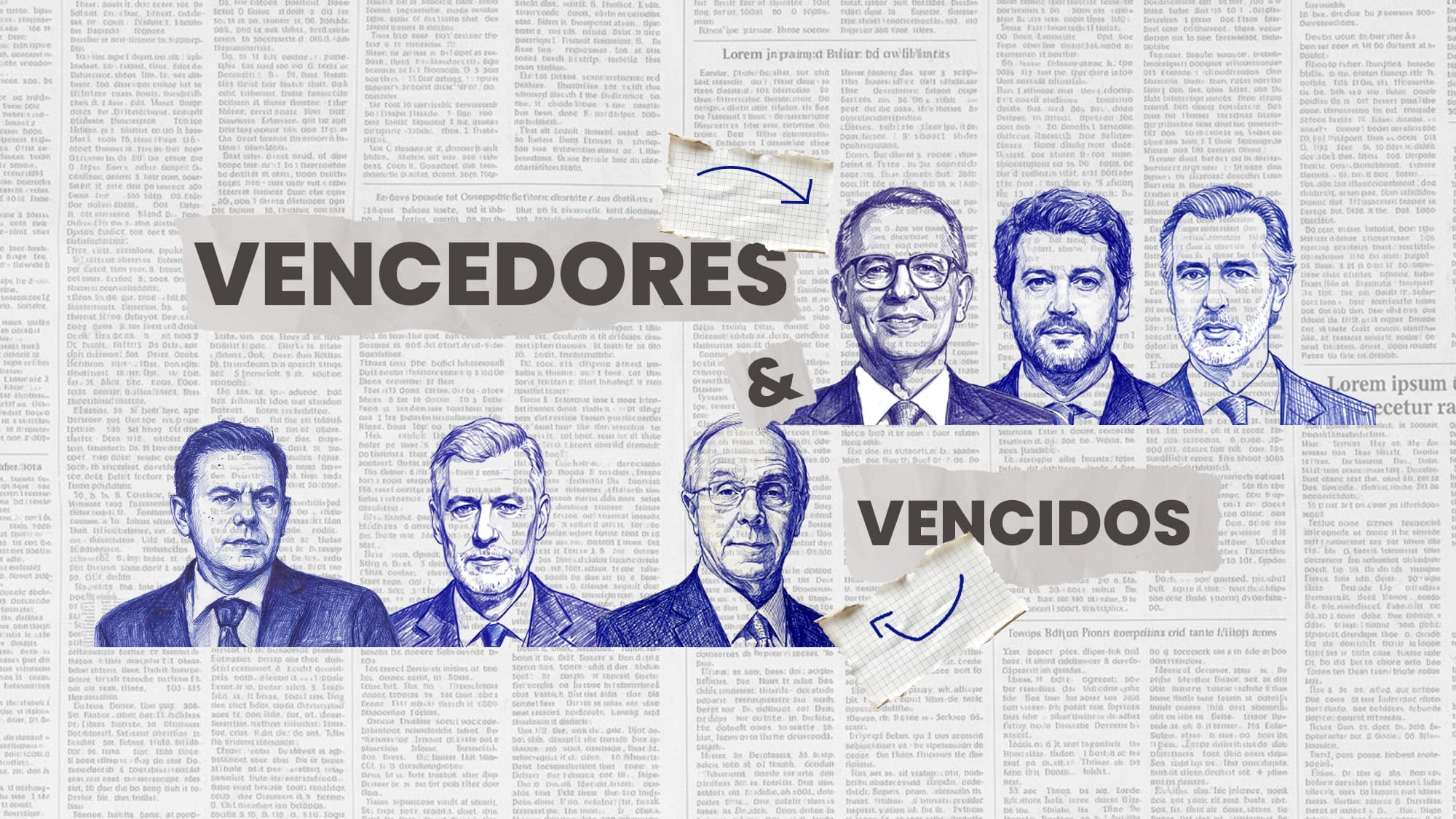
Two candidates progressed to the second round, but the electoral picture is nuanced: several campaigns achieved relative victories or damaging setbacks when measured against expectations rather than raw placement. The analysis distinguishes clear winners — those who gained momentum, consolidated coalitions or exceeded polling — from losers who underperformed, fractured support bases or failed to translate resources into votes. It also outlines the likely consequences for party leaders and backers, the shifting calculus for endorsements and alliances before the runoff, and the policy and strategic questions now facing the remaining contenders.
The RTP debate — the only one to include all 11 candidates — centred on personalised attacks and contrasting styles. Ventura and José Seguro were frequent targets while Rui Rio’s former ally Mendes emerged as the most aggressive, clashing chiefly with Admiral Gouveia e Melo; the two men’s exchange became the debate’s defining confrontation. Other notable dynamics included mutual restraint between Almirante and the Chega leader, André Pestana’s bold interventions, Manuel João Vieira’s ironic tone, and even criticism directed at Marcelo, suggesting a campaign increasingly shaped by personality and tactical barbs rather than detailed policy battles.

The formal presidential campaign period begins today at 06:00, initiating a regulated phase of intensified candidate activity and public messaging ahead of the vote. This milestone shifts competition from informal positioning to structured campaigning — emphasising policy platforms, targeted voter outreach, media strategy and fundraising — and will influence tactical decisions, debate preparation and regulatory compliance over the coming weeks.
