

How to lower your home loan repayments even with rising interest rates
Homeowners can reduce monthly mortgage repayments despite rising Euribor rates by renegotiating key contract terms directly with their existing banks.
eco.sapo.pt

Latest news and stories about property market in culture in Portugal for expats and residents.
Homeowners can reduce monthly mortgage repayments despite rising Euribor rates by renegotiating key contract terms directly with their existing banks.
Protest encampments in Lisbon and Porto underscore Portugal's escalating housing crisis, marked by police interventions, public assemblies, and severe data gaps regarding vacant and undeclared rental properties.

Porto City Council plans to propose a tenfold increase in the IMI municipal property tax on vacant buildings within the Historic Centre starting in 2027. Aimed at curbing vacancy and incentivising owners to bring properties onto the market, the measure addresses an estimated 6,400 empty buildings to boost the local housing supply.

Editorial by Marta Moitinho Oliveira argues that continuing to impose barriers on building new homes is incomprehensible amidst ongoing housing market failures.

PS deputy Sofia Pereira defended her party's housing record while criticising the PSD for attributing market strains to immigration, as political debate intensifies over Portugal's ongoing housing crisis.

Members of Portugal's government and deputies from PSD, Chega, IL, and CDS-PP collectively hold 1,039 properties, acting as landlords and real estate investors amid ongoing tenancy law reforms.

Housing activists occupying Praça D. João I in Porto have resolved to maintain their encampment and formally invite Mayor Pedro Duarte to hold discussions directly in the square. The group insists on formal communications rather than individual contacts, preparing a collective list of municipal demands amid wider national protests over housing affordability.
Journalist Margarida Davim analyses Portugal's escalating housing crisis, describing it as a growing political time bomb amid widening protests across Europe.

PCP leader Paulo Raimundo criticises Portugal's new housing law, claiming it serves real estate funds as political figures and experts debate the country's worsening housing crisis.
The Socialist Party (PS) has clashed with Chega in the Assembly of the Republic over urban rental regime reforms, warning that the right-wing party will bear responsibility for future evictions. Chega and other conservative parties strongly pushed back, blaming the PS's past tenure for the ongoing housing crisis.

New legislation regulating Portugal's affordable rental scheme sets monthly rates between 224 euros for studio apartments and up to 2,066 euros for a five-bedroom property in Lisbon. Landlords who offer rents at least 20 percent below the market median receive tax exemptions, supported by a newly launched IHRU platform to manage submissions and contracts.
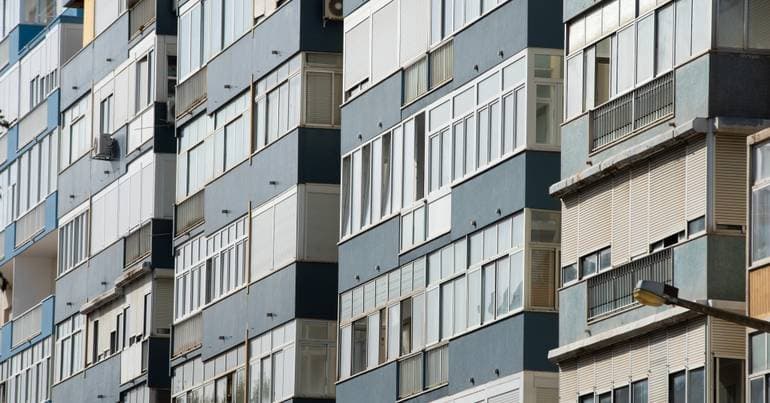
Thousands of protesters have gathered across major Portuguese cities including Lisbon and Porto to demonstrate against the soaring cost of living and housing crisis, drawing inspiration from similar movements in Spain.

Continuous legislative changes in the Portuguese rental market create instability and fail to address the core housing shortage, with calls for market predictability and stability over perpetual reform.

Rental prices in Portugal have reached record highs, with the cost per square metre surpassing ten euros in the second quarter, highlighting a widening gap between housing costs and wage growth.

Representatives from Livre and the PCP have criticised the Montenegro government's housing policies, expressing concern over the lack of effective measures ahead of the upcoming parliamentary debate on the Tenancy Law.

The 'Casa para Viver' platform organized a vigil in Lisbon to urge political parties to reject the government's request for legislative authorization regarding tenancy law, citing concerns over evictions and rising rents.
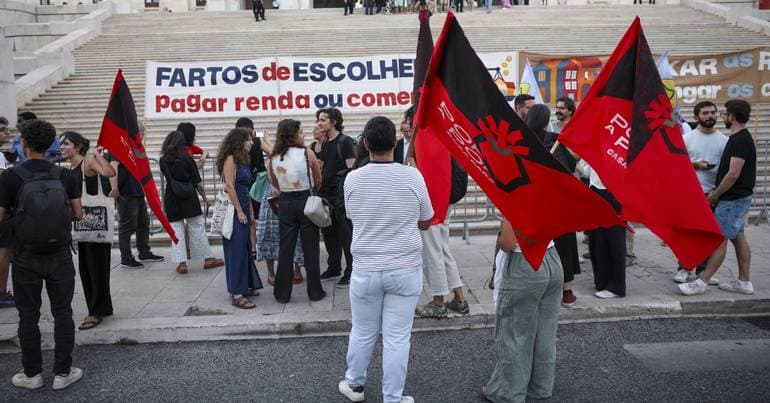
The Portuguese housing market faces a deepening crisis as prices surge and affordability declines, prompting calls for state intervention through public property utilization and increased supply.
Portugal led Europe in residential property price growth during the first quarter, highlighting a severe affordability crisis where average salaries struggle to cover housing costs.
The rental market faces a significant evaluation beginning today.
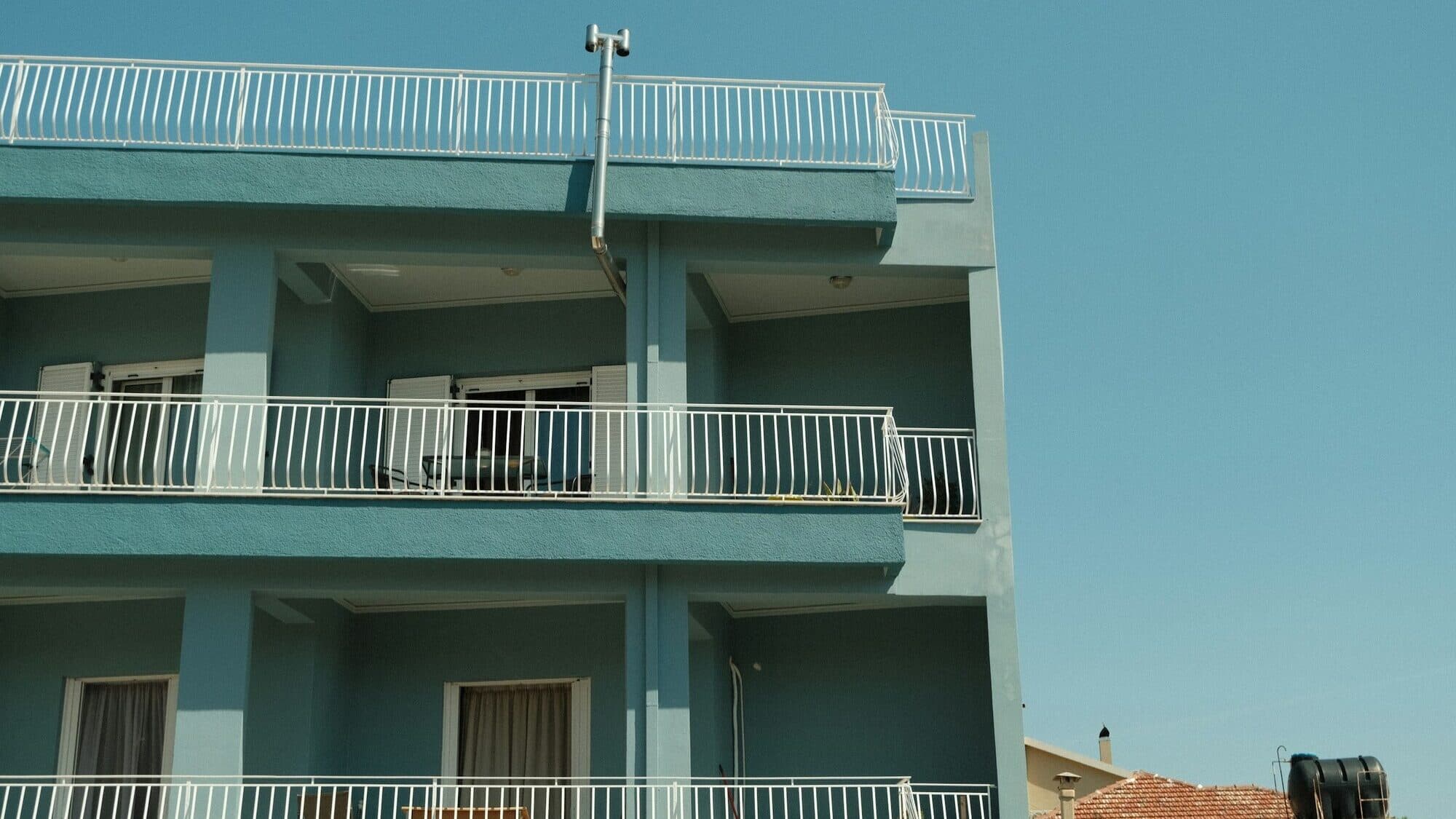
The Ministry of Finance has upheld the Tax Authority's restrictive interpretation of IRS capital gains exemptions for real estate, confirming the legality of their stance on properties in ruins and mixed-use assets.

Portugal has identified the scale of its housing shortage, shifting the focus from data collection to the urgent implementation of construction and policy solutions to address the ongoing market crisis.
Article 65 establishes a constitutional mandate to ensure citizens have access to adequate housing, hygiene, comfort, and essential public infrastructure.

Addressing the housing crisis requires a cohesive, long-term strategy that integrates land use, transportation, regulatory licensing, and fiscal policy rather than relying on fragmented interventions.

Home sales in the second quarter rose by 7% to 39,210 units, signaling a market recovery driven by stabilized Euribor rates and improved confidence, with consistent growth across major regions and a 3.5% increase in residential prices.

Portugal's housing market reached record price levels in the first quarter, driven by increasing foreign capital and corporate investment, highlighting a growing disparity in home affordability.

Data from the INE reveals that median housing prices in Portugal surged to 2,337 euros per square metre in the first quarter, marking a nearly 20 percent year-on-year increase driven by foreign investment.

The Lisbon City Council's decision to sell ten municipal plots raises concerns about whether these lands are truly 'non-strategic,' as some were previously earmarked for affordable housing and cooperative programs, sparking questions about accountability during a housing crisis.

The president of AICCOPN warns that it will take at least three years to address the 300,000-home shortage in the housing sector, assuming current construction rates and optimal conditions.
Portugal recorded the fourth-highest global increase in housing prices during the first quarter, reflecting significant market growth.
Nuno Fazenda analyzes the failure of PRR-financed housing projects across Portugal to fulfill their social purpose despite being completed for months.
