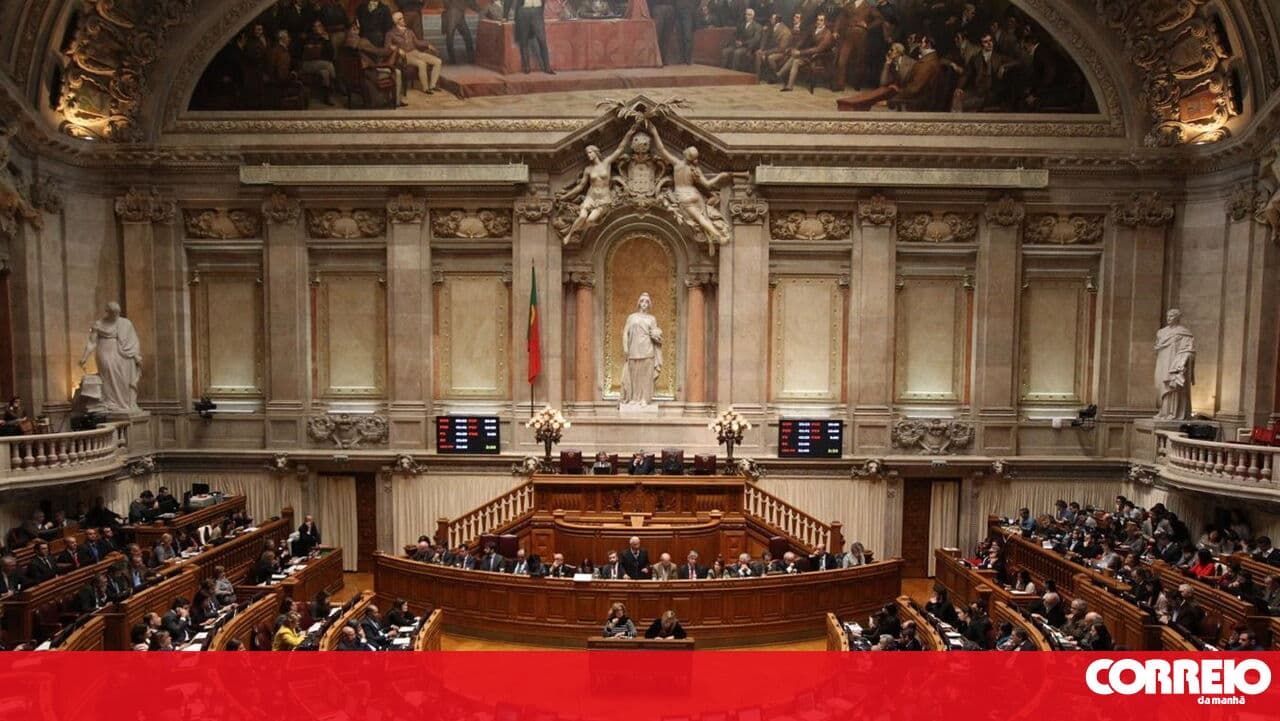
As the Portuguese Constitution marks its 50th anniversary, the document faces renewed scrutiny regarding potential revisions, balancing its historical identity against the pressures of modern political adaptation and institutional change.
Constitutional monarchy is not, by definition, a step backwards. On the contrary, it is a model where the head of state operates within legal limits, in a system where effective political power belongs to elected institutions. In several European democracies, the monarch acts as an institutional arbiter and symbol of continuity, separate from partisan disputes. This separation is an advantage: a non-elected but politically neutral head of state can reinforce stability and reduce the personalization of power. Furthermore, the predictability of succession eliminates electoral disputes for the head of state, allowing political debate to focus on the government and Parliament. Implementing a constitutional monarchy in Portugal in a democratic way is currently impossible. Not for lack of arguments, but due to constitutional imposition. The Constitution of the Portuguese Republic enshrines in Article 1 that 'Portugal is a sovereign Republic', symbolically closing the door to any alternative. More than that, Article 288, paragraph b), prevents revisions that alter the 'republican form of government', turning a political option into an untouchable clause. In other words: the Constitution not only defines the regime, it shields it against the popular will. In a system that claims to be democratic, this rigidity raises an obvious contradiction. Even the use of a referendum is conditioned. Article 115 excludes matters that imply constitutional revision, which, in practice, prevents consulting citizens on the very form of the State. Thus, the people can express their opinion on almost everything, except on the regime in which they live. If constitutional monarchy can offer advantages such as institutional stability, neutrality of the head of state, and a clearer separation between State and government, this should be a matter of free debate, not legal prohibition. When there is so much talk about revising the Constitution, taking this topic seriously requires courage: revising Article 1, eliminating the rigid definition of the regime; amending Article 288 to remove the absolute character of the republican form; and reformulating Article 115, allowing referendums on structural issues. It is not about defending the monarchy. It is about questioning a more fundamental principle: can a democracy prevent its citizens from choosing their own regime? If the answer is 'yes', then the problem is not the monarchy, it is the Portuguese democracy itself. Taking this debate seriously requires, first and foremost, a constitutional revision that eliminates or makes this material limit more flexible. Not to impose a change, but to allow for a choice. A mature democracy does not fear structural questions, it institutionalizes them. Discussing the monarchy is not returning to the past. It is testing the coherence of the democratic present.
CNN Portugal commentator Margarida Davim analyses the debate surrounding the constitutional revision, in light of a survey conducted among the Portuguese people regarding what the population thinks of the current Constitution.
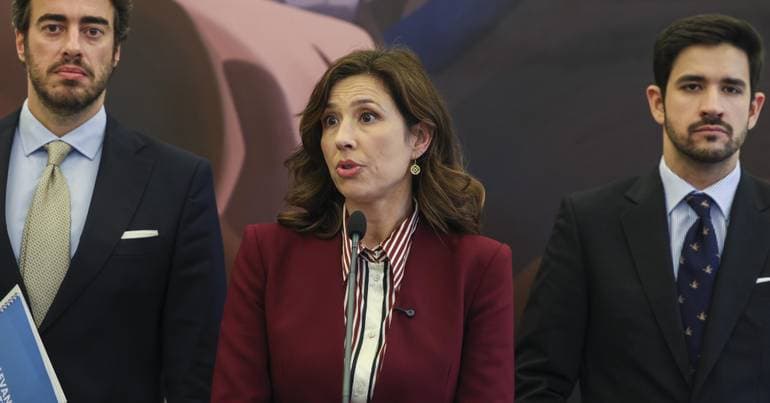
PSD admits to refining the text while maintaining its “foundations”. For Aguiar-Branco “there is no drama”, but Seguro disagrees: the focus should be on policy and less on the text of the Constitution.
Alexandre Poço, MP and vice-president of the PSD, doubts André Ventura's intentions, refuses to commit to a constitutional revision led by the right, and downplays messages from Pedro Passos Coelho.
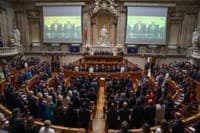
In a session marked by the protest of constituent deputies against André Ventura's speech, who walked out of the room, and the subsequent reprimand by Aguiar-Branco, political parties—especially those on the right—defended the idea of a constitutional revision, although the PSD warned that the “foundations” of the Constitution “must remain untouchable”.
The debate over constitutional revision marked the 50th anniversary of the Constitution, with parties divided between the need for changes and the defence of the current text.
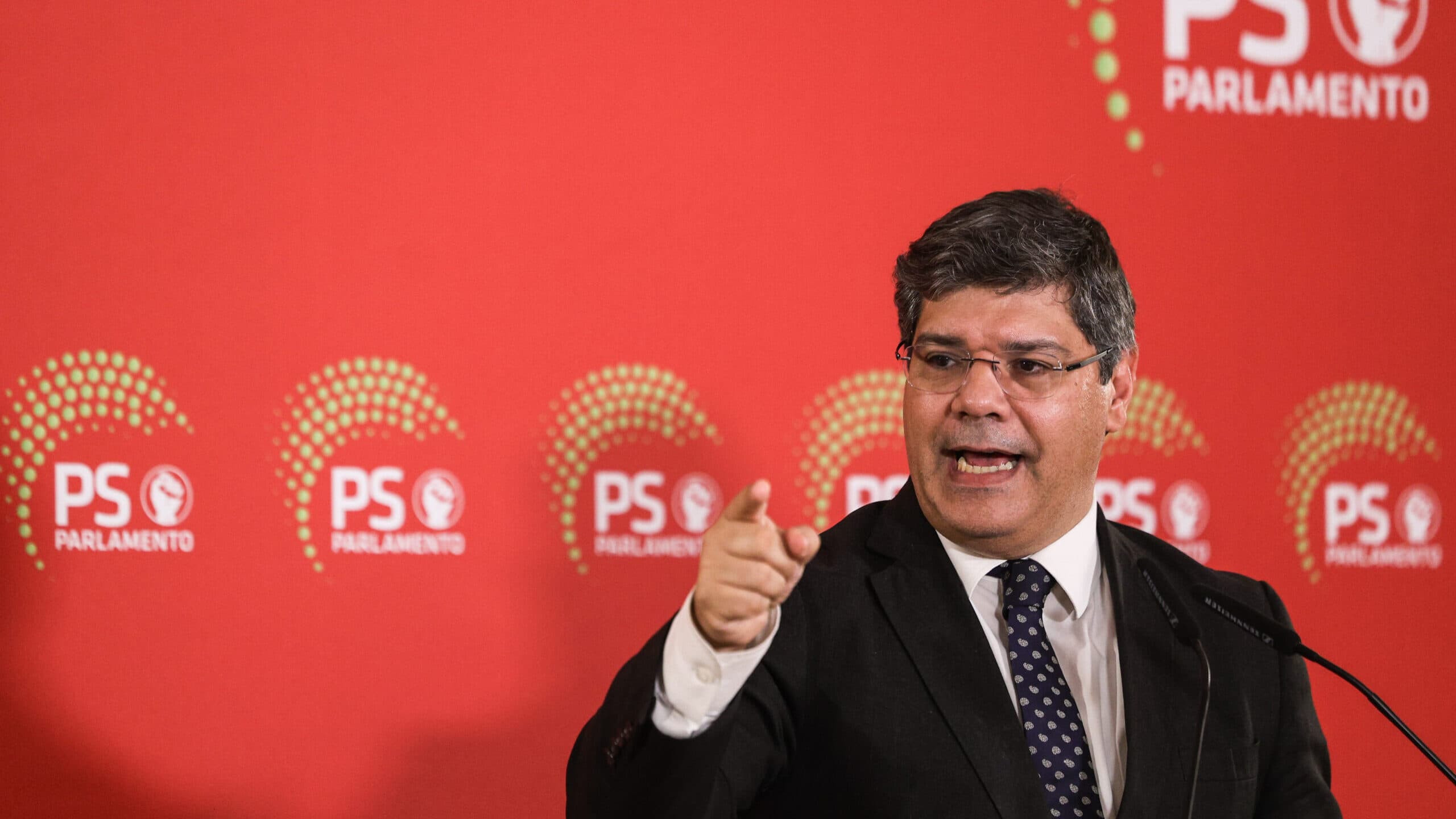
PS parliamentary leader, Eurico Brilhante Dias, rejects a constitutional revision that “projects a future that is nothing more than a past already lived.” He says it is time to reaffirm the core values of the Constitution.
The parliamentary leader cites the Prime Minister to argue that now is not the time to move forward with the revision of the fundamental law, one day after Ventura said he would trigger the process.
The PSD parliamentary leader appealed today for the country to focus on “urgent and emerging problems” and argued that any potential constitutional revision “should be left for a second phase of the legislature”.
José Manuel Cardoso da Costa, Joaquim Sousa Ribeiro, and João Caupers see no “need” for a constitutional revision driven solely by the right. The former presidents of the Constitutional Court agreed that revisions which diminish “constitutional consensus” carry a “risk of rupture”.
José Manuel Cardoso da Costa, Joaquim Sousa Ribeiro, and João Caupers see no “need” for a constitutional revision carried out solely by the right. The former presidents of the Constitutional Court agreed that revisions which diminish “constitutional consensus” carry a “risk of rupture.”
Professor Jorge Miranda, one of the primary authors of the Constitution, argues that a revision of the fundamental text “must have agreement from the PSD and the PS” and excludes Chega from the nomination of judges to the Constitutional Court.
The president of Chega stated this Saturday that Portugal has a “historic opportunity” to revise the Constitution and break what he considers to be a “permanent blockade” exercised by the Constitutional Court, arguing that the process should move forward “still this year”. In a speech addressed to party mayors at the Chega municipal conference in Santarém, André Ventura claimed it “makes no sense” for institutions like the Constitutional Court to continue, as he put it, “blocking changes”. He insisted that the revision is not against any party but for the country, and appealed to the PSD to take on the “historic responsibility” of participating in the process, accusing the party of a “permanent vice” of aligning itself with the Socialist Party.
The Chega leader insisted that the constitutional revision “is not against any party, it is for the country,” and appealed to the PSD to assume “the historic responsibility” of participating in the process.
The leader of Chega calls on the PSD to move forward with a constitutional revision and criticises the alleged obstruction by the Constitutional Court.
The Livre spokesperson warns of the inevitability of a constitutional crisis triggered by Chega, in the face of which the PSD will have to define its position: either it decides in accordance with “its history and examples of the greats they are always citing” or it commits an “enormous error” and betrays its electorate.
André Ventura and Henrique Gouveia e Melo faced off in another presidential debate. The topics of discussion included the Nationality Law and constitutional revision.