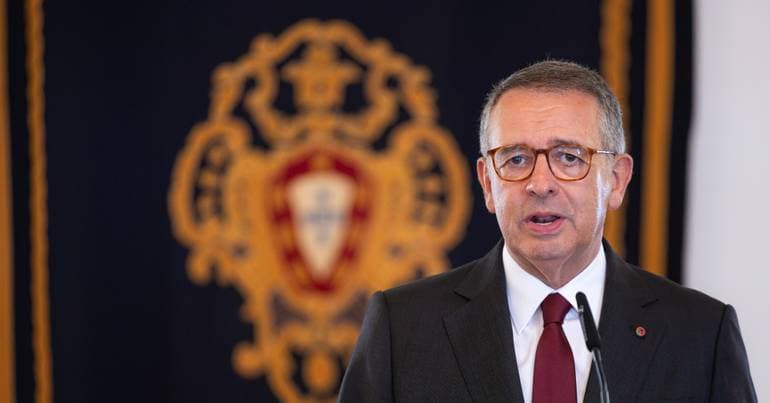
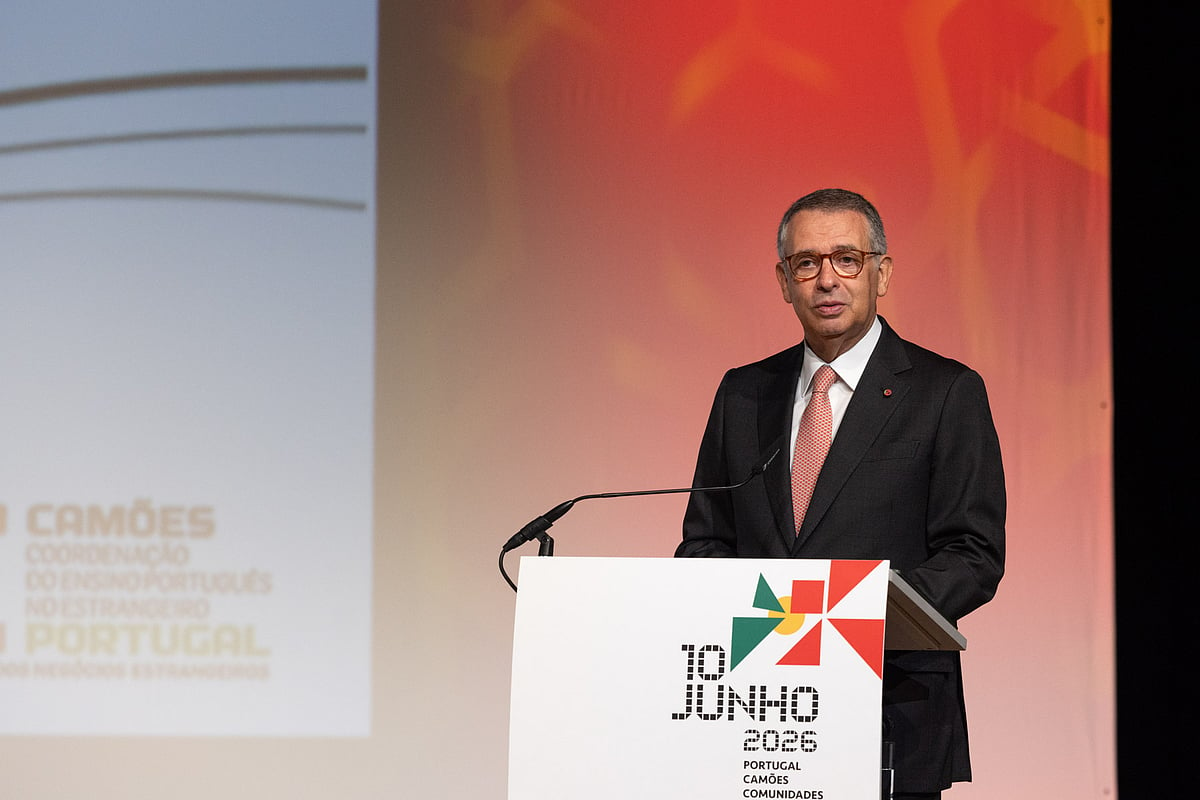
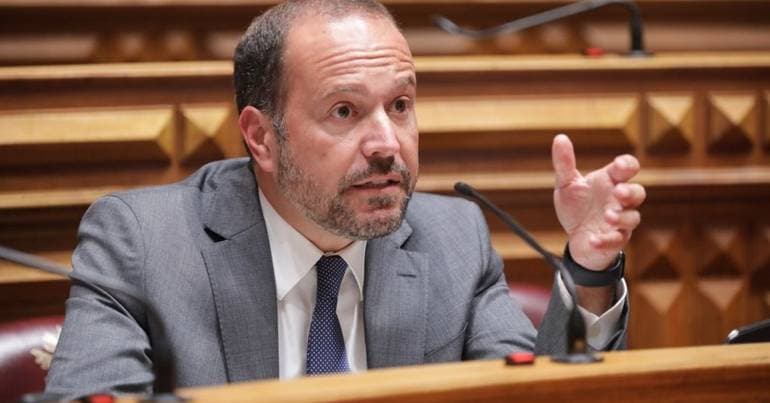
In his first official act after being re-elected secretary-general of the PS, José Luís Carneiro stated he has “absolute respect” for the autonomy of the Azores and Madeira and a “willingness to empower that same autonomy.”
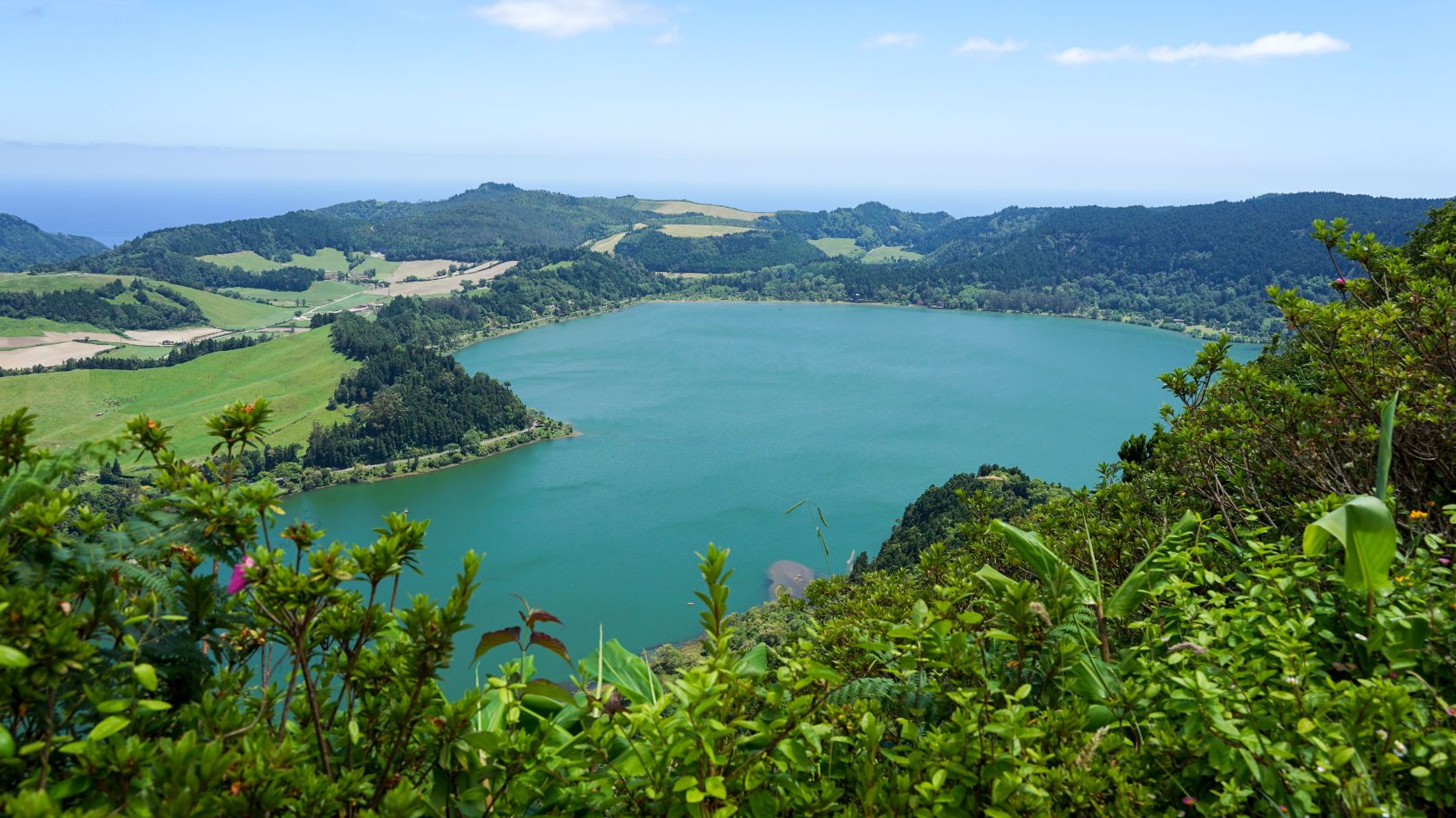
The formal session will be held at the Regional Legislative Assembly. The commemorations will extend throughout the year 2026, with activities across the nine islands of the archipelago.
Portugal celebrates an achievement that many envy: in 2024, the average life expectancy was 82.7 years, higher than the EU average. However, before we pop the champagne and toast to an aging society, we must consider an important detail: how many of those years are actually lived in health and autonomy? On average, Portuguese people have about 8.4 'healthy' years after 65, slightly below the European average of around 9.4 years. This means that much of the time gained through medical advancements may be spent with physical limitations or dependence rather than independence and quality of life. The distinction between living longer and living well is one of the greatest challenges for modern societies, and Portugal is at the forefront. Unlike the Nordics, who often train joyfully at 70 and 80, it is more common in Portugal for people of these ages to be in care homes. This is the true paradox of Portuguese longevity: a country capable of ensuring long life but still lacking in consistently adopting lifestyles that preserve health into old age. Sedentary behaviour remains significant, physical activity levels are below desirable, and although dietary patterns are rooted in a Mediterranean tradition known to be the healthiest, they have increasingly been replaced by processed and caloric options. Prevention is often subordinated to treatment logic. Despite having climatic, geographical, and cultural conditions that could favour a Nordic-like model, Portugal is still far from having a society that integrates movement, contact with nature, and regular exercise. Active aging should not just be a concept in strategic documents but a socially valued practice. Therefore, the challenge for Portuguese society is clear: it is not enough to celebrate increased life expectancy; it is imperative to aspire for more years lived with autonomy, clarity, and participation. It must be understood that living more years with quality is largely an accumulative construction. Each year of inactivity or excess has its consequences, while each healthy choice acts as a silent investment in the future. It is not about pursuing eternal youth but preserving autonomy, clarity, and the ability to participate. Portugal has already shown it can add years to life. Now, each Portuguese person faces a simple yet demanding decision: to transform those years into a time of vitality or resign to live them with limitations. Do you really not have 30 minutes, three times a week, to walk, swim, or cycle? Can you not make some dietary changes to reduce the chances of cardiovascular and metabolic diseases? And what do you do to sleep better and manage stress? I leave you with these questions, reminding you that aging with autonomy is built, especially in your 30s, 40s, and 50s. Because while longevity is a victory, healthy longevity is the goal. Note: Whenever I have the privilege of writing in this space, I will bring news about new modalities or healthy habits. This time, the highlight is on the current trend: HYROX. It is a mix of cardiovascular endurance and functional strength, two fundamental capabilities for long-term health. Unlike very technical competitions, it is relatively simple to train and progress. You can watch the first competition in Portugal from May 1 to 3, 2026, at the International Fair of Lisbon, in Parque das Nações, Lisbon.
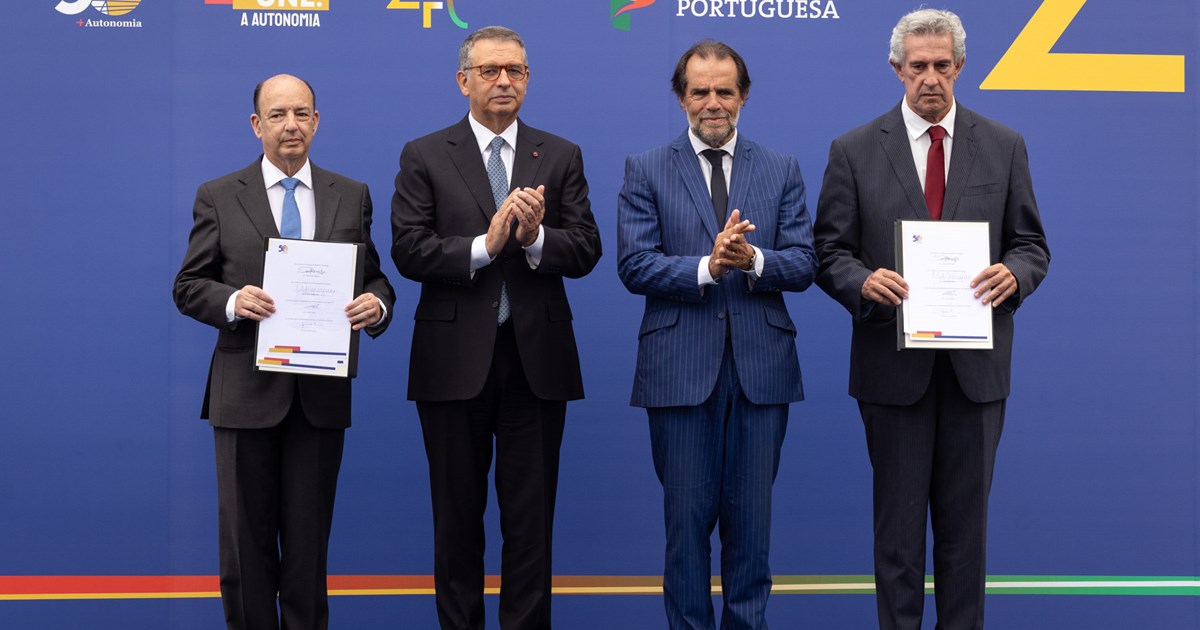
The head of the Madeira executive (PSD/CDS-PP), Miguel Albuquerque, said today he hopes the future President of the Republic will appoint a representative to the autonomous region who is of Madeiran origin, emphasising that this is the 'understanding' of the archipelago's population.
The Secretary-General of the Socialist Party accuses the Government of the 'most flagrant attack' since 1976 on the autonomous powers of Madeira and the Azores with changes to the Social Mobility Subsidy. 'When the AD Government, led by Luís Montenegro, puts forward a proposal for mobility between the mainland and the regions ...