The National Association of United Taxis of Portugal (Associação Nacional Táxis Unidos de Portugal or ANTUP) has expressed strong opposition to the revised ride-hailing law approved by the Assembly of the Republic. The association claims the new rules create a market distortion by forcing taxis to operate under the same regulations as ride-hailing platforms. ANTUP also criticized the government for failing to curb predatory pricing practices by multinational companies.
Taxi association condemns new ride-hailing legislation
Saturday, 18 July 2026AI summary
Context & Explainers

The Assembly of the Republic (Assembleia da República) is Portugal's unicameral parliament, located in the Palácio de São Bento in Lisbon. It consists of 230 deputies elected by proportional representation for four-year terms.
The Assembly's powers include making and amending laws, approving the state budget, ratifying international treaties, and overseeing the government through debates, hearings, and committees. It can also pass votes of no confidence to bring down a government, as happened in March 2025.
Following the May 2025 elections, the current parliamentary composition is led by the Democratic Alliance (AD) with the largest share of seats, followed by Chega, PS, and smaller parties including the Liberal Initiative, Left Bloc, Livre, and PCP.
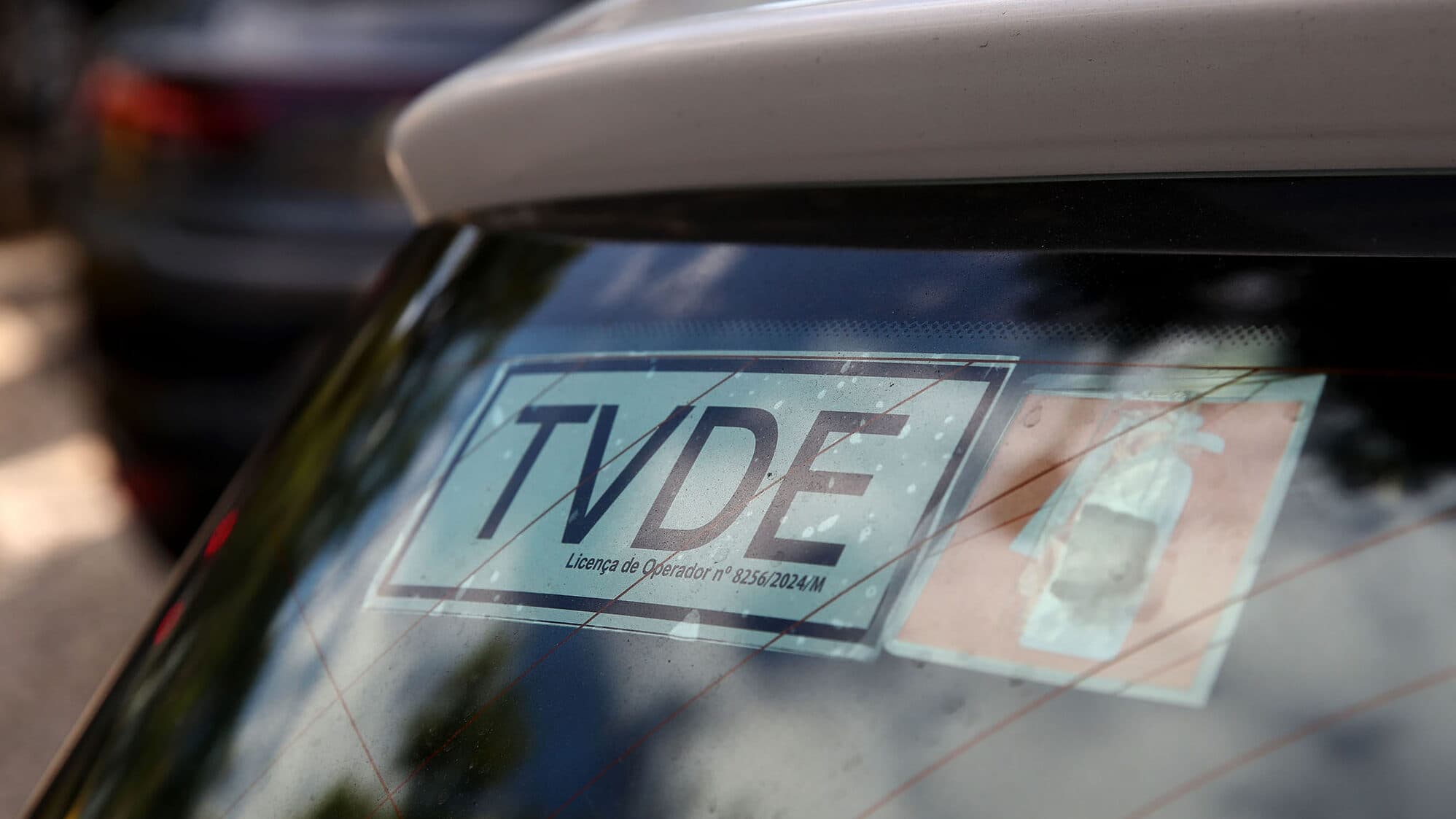
The National Association of United Taxis of Portugal (Associação Nacional de Transportadores Rodoviários em Automóveis Ligeiros de Passageiros or ANTUP) is a trade organization representing traditional taxi drivers. It opposes recent legislative changes to the TVDE law (Lei TVDE), which regulates ride-hailing services like Uber and Bolt, arguing that these revisions negatively impact the taxi sector's competitive position.
4 sources
- Taxi drivers criticise new TVDE law and denounce dumping by multinationals in the sectoreco.sapo.pt ·
- Association accuses new TVDE law of creating "serious distortion" in the marketdn.pt ·
- Taxi sector association contests revision of the so-called 'TVDE law'publico.pt ·
- Taxis contest the revision of the so-called TVDE Lawobservador.pt ·