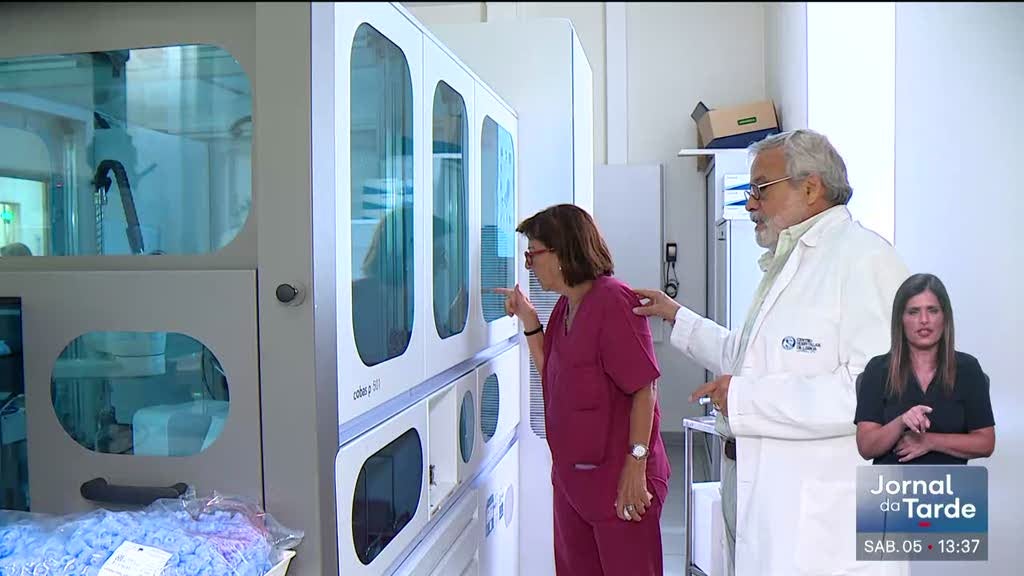
The Directorate-General of Health (Direção-Geral da Saúde) knew there was excess mortality linked to prolonged waits for heart surgery but says it lacks authority to open formal inquiries, RTP reports. The report raises questions about oversight of long surgical waits and accountability inside the public health system. Those relying on public care should monitor local hospital waiting‑list communications and any formal investigations by regional health units. SNS patients should be aware of delays affecting time‑sensitive treatments.
Health watchdog knew of surgery waiting‑list deaths
Sunday, 22 February 2026AI summary

Context & Explainers
The DGS (Direção-Geral da Saúde) is Portugal's central public health authority, responsible for setting health policy guidelines, managing vaccination programs, disease surveillance, and public health campaigns. It operates under the Ministry of Health.
The DGS issues clinical guidelines (normas) that health professionals across Portugal follow, manages the national vaccination schedule, coordinates responses to disease outbreaks, and publishes health statistics. It became widely known during the COVID-19 pandemic as the lead agency for public health guidance.
For residents, the DGS is the authoritative source for vaccination schedules, health alerts, and clinical guidance. Its recommendations shape how hospitals and health centers deliver care across the country.
The Alfredo da Costa Maternity Hospital (Maternidade Alfredo da Costa, commonly known as MAC) is Lisbon's principal public maternity facility and one of the busiest maternity units in Portugal's National Health Service (Serviço Nacional de Saúde).
Located in central Lisbon, the MAC is a referral center for high-risk pregnancies and complex neonatal care. It handles a large volume of births annually and serves as a teaching hospital affiliated with Lisbon's medical schools.
The MAC has been at the center of recurring debates about maternity ward closures and staffing shortages across Portugal's public health system. Expectant parents in the Lisbon area may be referred to the MAC for specialist care or diverted there when other maternity units temporarily close due to staff shortages.
The ERS (Entidade Reguladora da Saúde) is Portugal's independent health regulator, responsible for overseeing the quality, access, and safety of healthcare services provided by both public and private providers.
The ERS monitors compliance with patients' rights, investigates complaints, and can issue warnings, recommendations, or sanctions when healthcare standards are not met. It publishes reports on waiting times, diagnostic delays, and access to care that often drive public debate about the state of Portugal's health system.
For residents, the ERS is the body to contact with complaints about healthcare services — whether delays in treatment, quality concerns, or issues with access to the National Health Service (Serviço Nacional de Saúde, SNS) or private providers.
An Unidade de Saúde Familiar (family health unit) is a multidisciplinary primary-care clinic within Portugal's National Health Service (Serviço Nacional de Saúde or SNS) where GPs, nurses and other staff keep registered patient lists and provide routine care, appointments and specialist referrals. For residents and expats, being registered with a family health unit gives you a regular GP, easier access to prescriptions and referrals, and a clear route into the public health system.