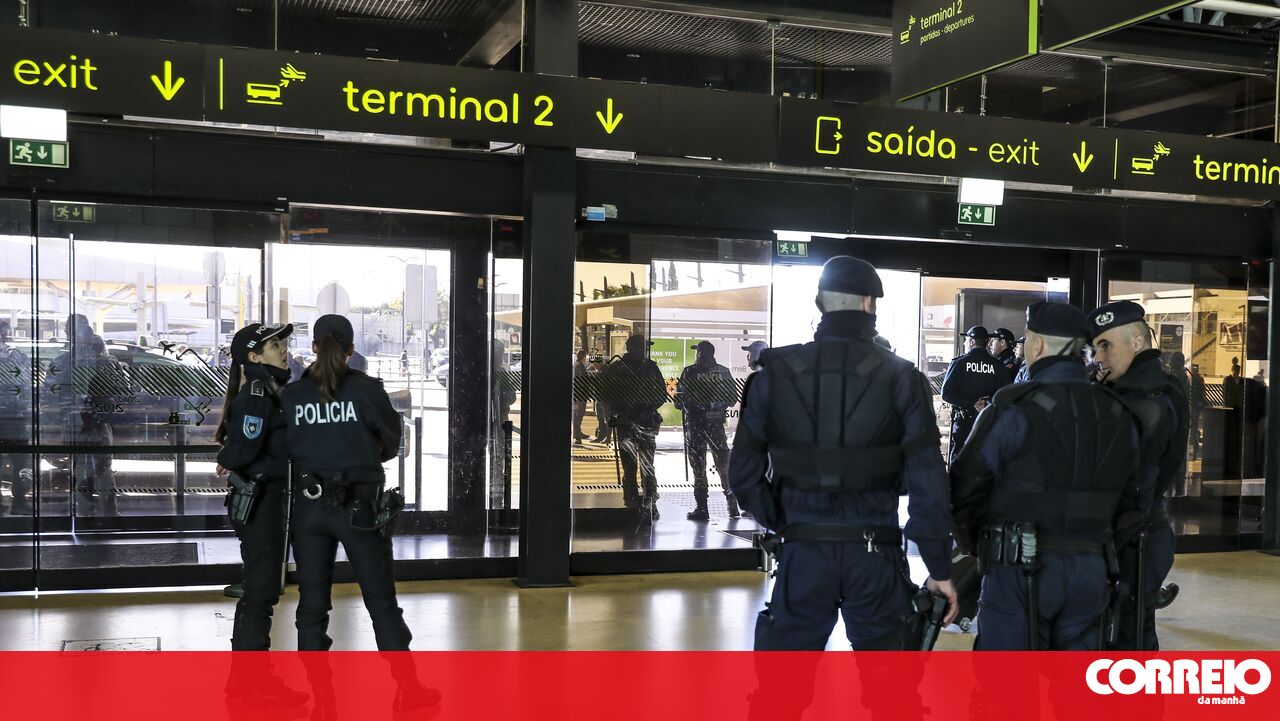
Portuguese outlets report the European border control system for non‑EU travellers (the Entry/Exit System, EES) has been reactivated for testing at Lisbon Airport (Aeroporto de Lisboa) after a temporary suspension; police sources told Lusa there will be an afternoon test to assess recent fixes. Separate reporting said the system could be re‑activated then suspended again while improvements are confirmed, and earlier problems were linked to long queues. For expats and travellers: expect possible delays at passport control for non‑EU nationals, check your flight and airline notices before travel, allow extra time at the airport and carry passport and supporting documents for faster processing.
EU Entry/Exit system tested at Lisbon airport
Monday, 12 January 2026AI summary
Context & Explainers
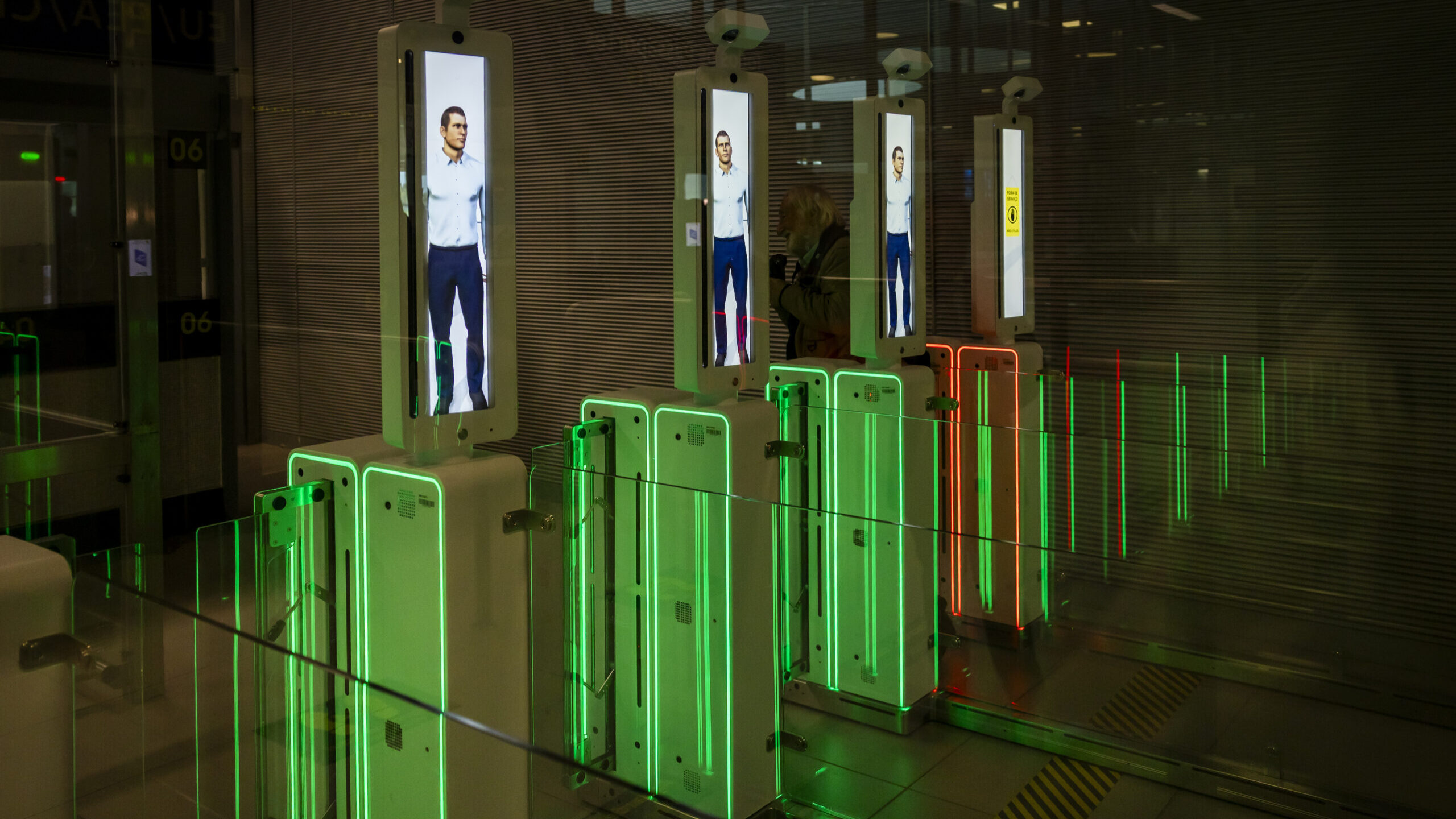
The Entry-Exit System (Sistema de Entrada e Saída) is an EU border-register that records biometric data (fingerprints and a facial image) and travel details for short-stay non‑EU travellers, replacing passport stamping and creating a searchable entry/exit record. According to recent reporting, the new rules now require over a third of non‑EU nationals entering Schengen to provide this extra data at the border; the aim is to improve security and migration tracking, but travellers should be prepared to submit biometrics at kiosks or border control and ensure their travel documents are valid. For expats and visitors this usually means slightly longer checks on arrival/departure and more robust digital records of your travel history.
The border-control system is the set of checks and databases used to process non-EU travellers at entry points — passport and visa checks, biometric data capture and automated database searches such as the Schengen Information System (SIS) and the Entry/Exit System (EES). A temporary suspension of automated checks at Lisbon Airport means those arrivals may be processed differently (more manual checks or national procedures), which can change wait times, administrative workload and how security checks are carried out for non‑EU citizens.