Fertagus users to file complaint against the State with the European Commission
The issue at hand is the allowance for passengers to be transported daily in conditions that are “below European standards” and pose health risks.

The issue at hand is the allowance for passengers to be transported daily in conditions that are “below European standards” and pose health risks.

Caixa Geral de Depósitos (CGD) recorded profits of €1.9 billion in 2025, the highest result ever for the public bank. It will pay a dividend of €1.25 billion to the State, announced this Thursday. The result is up 10% compared to 2024 and has an extraordinary factor that helps to explain ...
Update: Caixa pays record €1.25 billion dividend
CGD will distribute €1.25 billion — roughly 66% of the €1.9 billion profit — to the State, a payment CEO Paulo Macedo described as likely the largest dividend ever in Portuguese banking. The sale of its stake in Águas de Portugal was an extraordinary contributor to the record result.

The Council of Ministers approved on Thursday the extension of the support and simplification scheme for reconstruction to the entire national territory, which had previously been granted to municipalities in a state of calamity due to bad weather. To benefit from the measure, the decision was announced by the Minister of the Presidency, António Leitão Amaro, at the usual briefing.

In response to recent information regarding the so-called “Paracetamol Challenge”, Infarmed has published a set of recommendations on its Facebook and LinkedIn social media platforms about the correct use of medications containing paracetamol.
Álvaro Santos Pereira is contemplating a new levy on the banking sector. The government had already acknowledged at the end of last year that it would “revisit the issue of taxation in this sector,” after the solidarity tax was deemed unconstitutional.

The president of the Portuguese Society of Cardiology (SPC), Cristina Gavina, expressed today her regret that the discussion regarding patients on the waiting list for heart surgery in the North region now seems to be focused on a “war between hospitals” rather than on immediate solutions.

The municipal council of Loulé has formally acquired 60 housing units for public rental in a €15.1 million investment backed largely by national recovery funds. The public deed was signed The post Loulé buys 60 homes for public housing in €15.1 million deal appeared first on Portugal Resident.
Update: Public deed signed and financing confirmed
The public deed has been signed, formalising the €15.1 million purchase, with the cost largely covered by national recovery funds to secure 60 units for public rental in Loulé.

The Porto Brandão river station, located in the municipality of Almada, which had been closed since February 11 due to road access being blocked by a landslide, resumed operations today, announced Transtejo.

Whether you are navigating the complexities of expat life, seeking to heal past wounds, or simply looking for your next chapter of purpose, having a therapist who understands your cultural The post Clinical Psychology & Holistic Coaching in the Algarve appeared first on Portugal Resident.

One of the issues when switching banks is the change of account number, known as IBAN. The Competition Authority believes this has been a barrier to changing banks and has recommended that the Bank of Portugal examine the feasibility of an account portability solution. The governor agrees. “We will consider ...”
Update: Bank of Portugal to study IBAN portability
The Bank of Portugal has confirmed it will undertake a formal study into IBAN portability, evaluating the technical, legal and operational implications to make switching banks easier for consumers and expatriates. The initiative follows the Competition Authority's recommendation and aims to lower switching costs and boost competition in the banking sector.
Update: Bank of Portugal launches formal study
The Bank of Portugal has formally launched a study to assess the feasibility, costs and necessary regulatory changes for IBAN portability, with particular attention to technical integration, consumer protection and the impact on expatriates. The review will focus on reducing friction in switching, quantifying potential benefits for competition and identifying operational challenges for banks.

Lawmakers approved the 2026 budget alongside tighter nationality rules, while the minimum wage is set to reach €920 in 2026. The cost-of-living squeeze remains in focus as median house prices climbed to €2,111 per square metre, even as major banks reported strong results amid scrutiny in a cartel probe. Health policy also moved, with PRR reprogramming adding €400m and regulators opening an investigation into access to cardiac surgery.
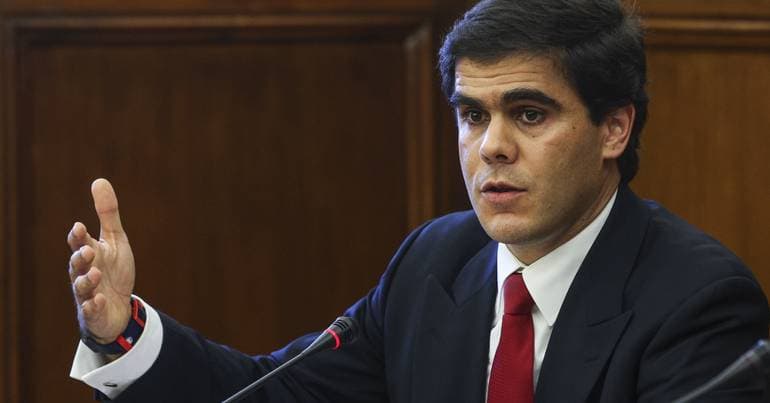
Fernando Ulrich, non‑executive president of BPI, told parliament that information exchange among banks accused in the so‑called “banking cartel” was “highly beneficial for consumers,” pointing to historically low mortgage spreads between 2002 and 2013. The comments came during a hearing requested by Chega as a judicial process looks at alleged collusion in mortgage lending. Borrowers and those currently negotiating mortgages should monitor the case: legal outcomes could affect bank practices, compensation claims and reputations. Customers with outstanding mortgages or new loan plans should keep records and follow any consumer guidance from regulators.
Fernando Ulrich is the non-executive president of Banco BPI, and he commented publicly about mortgage spreads during a period when banks were accused of acting in collusion. As a senior bank figure, his statements carry weight for debates about bank conduct and the cost of consumer lending.
The 'banking cartel' refers to allegations that banks coordinated to fix mortgage rates or fees instead of competing independently (in Portuguese, cartel bancário). If proven, such collusion would breach competition law, can trigger an Autoridade da Concorrência investigation with fines or compensation, and matters because it can raise borrowing costs for homeowners.


José Luís Carneiro criticised the government for a “lack of direct and immediate responses” in the PTRR, calling it a plan of intentions and urging measures that would help companies and families hit by recent bad weather. His comments add political pressure as officials finalise how funds and supports will be delivered. Businesses and residents awaiting PRR‑style aid should track concrete announcements, because the timing and form of direct support may change after the debate. Those expecting fast emergency help should watch ministry statements for disbursement details.

Socialist Party (PS)
Portugal's other traditional major party suffered a historic collapse in the 2025 election, dropping from 78 to 58 seats and falling to third place for the first time in democratic history. The party was led by Pedro Nuno Santos from January 2024 until his resignation following the May 2025 defeat. José Luís Carneiro, a 53-year-old former Minister of Internal Administration known for his moderate positioning within the party, was elected unopposed as the new Secretary-General with 95% of votes in June 2025. The Socialist Party governed Portugal from 2015 to 2024, including an absolute majority from 2022 to 2024 under António Costa, who resigned in November 2023 amid a corruption investigation. The PS previously led the innovative "Geringonça" (contraption) coalition government from 2015-2019, a minority government supported by the Left Bloc and Portuguese Communist Party that reversed austerity measures and presided over economic recovery.
The PTRR is Portugal's Transformation, Recovery and Resilience plan, the national programme that channels EU recovery funding (NextGenerationEU) into investments and reforms after the COVID-19 shock. It totals about €16.6 billion in grants plus €2.7 billion in loans (≈€19.3 billion) and runs mainly from 2021–2026, financing projects in green transition, digitalisation and social infrastructure that affect public spending and investment decisions expats may notice in housing, transport and services.

The government raised the minimum wage to €920 for 2026, up €50 from €870, and announced support measures for businesses and workers including simplified layoff rules and expanded income support. The change affects paychecks from next year and is part of a broader income agreement the government cites to boost household income. Low‑paid workers will see higher take‑home pay, while employers should plan for higher payroll costs and check whether sector agreements or contracts change. Workers and small employers should watch official calendars for the implementation date and payroll guidance.
Portugal's monthly minimum wage will be €920 in 2026, up from €870 in 2025 (a €50 increase). That is below the EU median (about €1,100); for comparison Spain €1,134, Germany roughly €2,054 and France about €1,802 (UK: £1,524 or ~€1,780), so Portugal remains lower than several Western European countries, which affects purchasing power and labour costs.

Data through Q3 2025 show Portugal's median house price reached €2,111/m², a 16.1% year‑on‑year rise, with transaction volumes up about 4%. Foreign buyers paid a noticeable premium (€2,889/m² versus €2,083/m² for national buyers), and the biggest regional growth was in Terras de Trás‑os‑Montes (+34.3%). Buyers, sellers and landlords should factor higher valuations and regional differences into budgets and tax planning; mortgage seekers may face tighter affordability. Those looking to buy should check local market reports and mortgage offers before committing.
Portugal’s house prices have risen faster than the EU average since 2020, and recent reports list Portugal among the countries with the largest price increases over that period. That stronger price growth has worsened affordability in Lisbon and Porto in particular, so prospective buyers and renters should check local indices and mortgage costs before deciding.
Terras de Trás‑os‑Montes is a historical, largely rural region in northeastern Portugal known for low-density towns and agricultural land. In the Q3 2025 house-price data cited in the story, regions like Terras de Trás‑os‑Montes usually show lower property prices than Greater Lisbon or the Algarve, making them relevant for buyers looking for cheaper rural homes.

The Judicial Police (PJ) carried out 26 searches in Lisbon and Funchal in an operation investigating suspected fraud of about €3.6 million in European funds allocated to reforestation projects in Madeira. Authorities have identified seven defendants — five people and two companies — and the case is being led by the European Public Prosecutor's Office. Those working with EU funds or public procurement in Madeira should expect further legal activity and possible disruptions to affected projects.
The Judicial Police (Polícia Judiciária) is Portugal’s national criminal investigation force that handles serious crimes such as homicide, organised crime, corruption and major fraud. It conducts criminal inquiries alongside prosecutors, so if you are involved in or affected by a serious criminal case in Portugal the PJ leads investigative work and consular assistance may be helpful.
The European Public Prosecutor's Office (EPPO) is an EU-level body set up to investigate and prosecute crimes that affect the EU budget, such as subsidy fraud, corruption and money laundering; it became operational on 1 June 2021. Its involvement in a case means investigations can be coordinated across participating EU countries, which matters when judicial police searches target suspected misuse of EU funds.

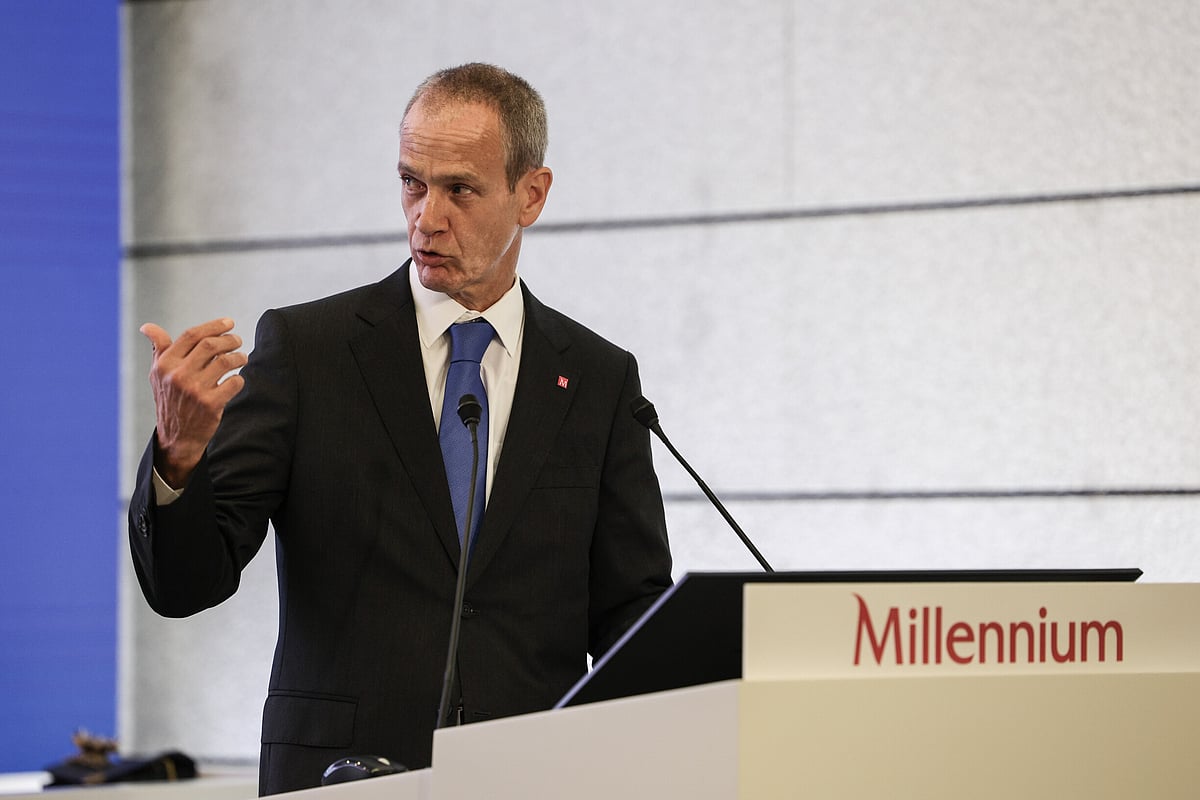
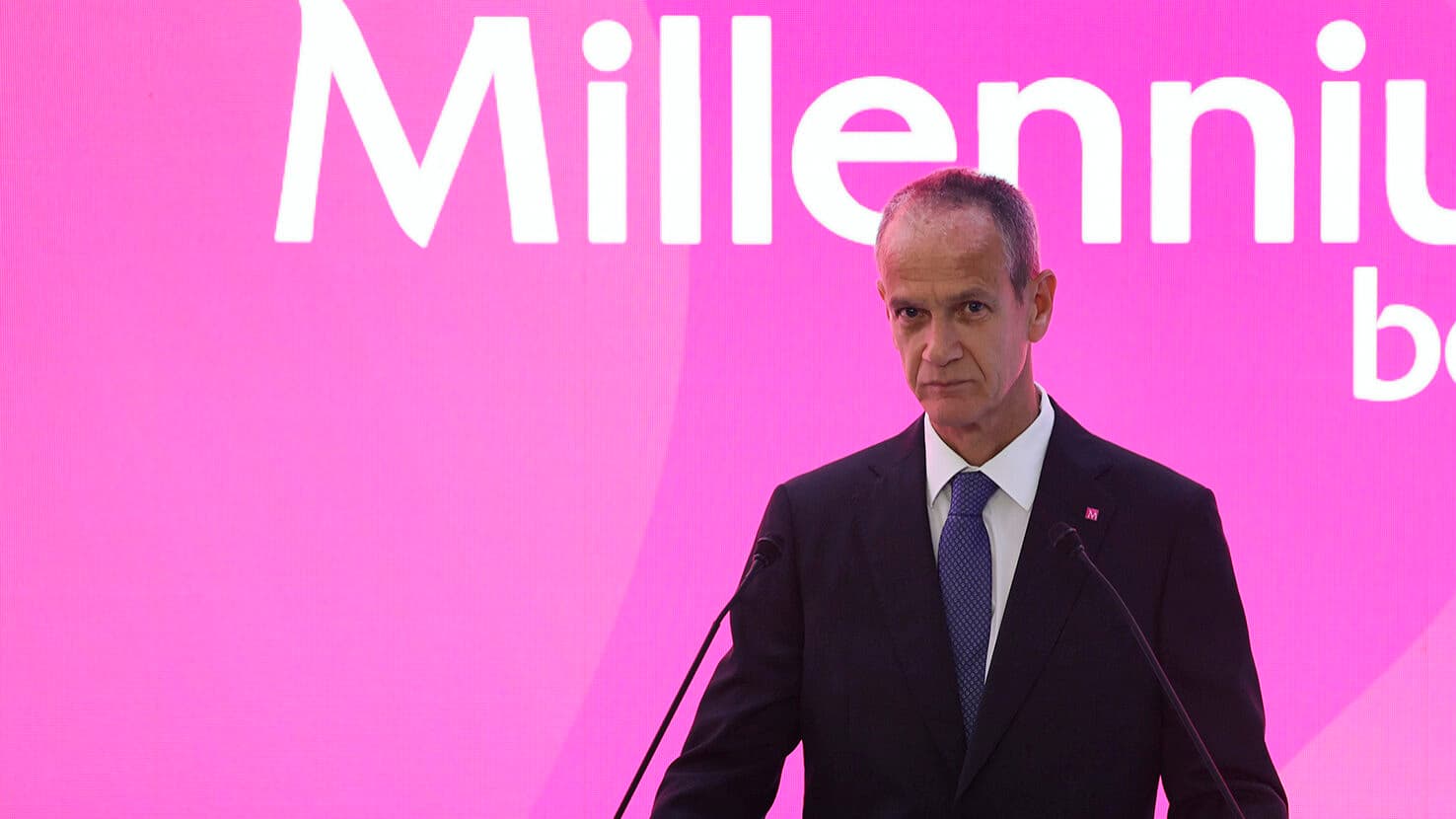
The BCP group reported record profits of €1,018.6 million for 2025, a 12.4% rise from 2024, the bank said at a press conference. The financial margin grew to €2,898.1 million and commissions rose to about €847.4 million; the bank’s CEO Miguel Maya described the figures as the group's “best results ever.” Customers and local businesses should note the bank’s strong earnings as it could influence lending terms and bank policy in the months ahead.
Miguel Maya is the CEO of BCP (Banco Comercial Português), one of Portugal's largest private banks. He recently warned that urgent action is needed to help businesses and protect jobs after severe weather damage, which matters because banks may face higher loan defaults and could offer emergency credit or relief to affected customers.

Officials reprogrammed part of Portugal’s Recovery and Resilience Plan, directing roughly €400 million extra to the health sector while cutting some long‑term care capacity by about 3,500 places, Observador reports. The president of ACSS warned the work has deadlines (completion flagged for end of August) and that reprogramming does not automatically deliver finished projects. The move may speed certain hospital upgrades but could reduce availability in continued‑care settings; residents who use continued care should watch for local service changes. What is the PRR? (Recovery and Resilience Plan) is relevant here: Recovery and Resilience Plan (Plano de Recuperação e Resiliência).
Update: Continued-care pilot projects extended in six units
Authorities extended pilot projects in six Local Health Units that were set to run for nine months; the pilots test a new organisational and functional model for Continued Care Teams, giving more time to evaluate whether the model mitigates the cuts in long‑term care capacity.
The Recovery and Resilience Plan (Plano de Recuperação e Resiliência) is Portugal's national programme under the EU's NextGenerationEU to fund reforms and investments after COVID‑19; the plan includes roughly €16.6 billion in grants plus about €2.7 billion in loans approved in 2021. Payments are tied to specific milestones and targets — which the government said it is politically committed to meet — so missed milestones can delay projects and funding that affect public works, contractors and local services.
European funds are financial programmes from the EU—including cohesion funds, European Structural and Investment Funds and post‑pandemic Recovery funds (NextGenerationEU)—that pay for infrastructure, social projects and disaster repair across member states. Redirecting these funds to storm damage can speed repairs to dikes, riverbanks and small dams, but it usually requires national decisions and EU reporting which can change priorities for other planned projects.

The Health Regulatory Entity (Entidade Reguladora da Saúde) has opened an evaluation into alleged constraints on access to cardiac surgery for users of the National Health Service, the authority confirmed. The move follows pressure from the Medical Association, which has asked authorities to check whether waiting delays led to deaths; the regulator says it will investigate the situation in more detail. Patients on cardiac surgery waiting lists and those using the SNS should watch for official findings and any hospital notices.
The ERS is the Health Regulatory Authority (Entidade Reguladora da Saúde), an independent regulator that oversees quality, access and compliance for public and private health providers in Portugal. Its warnings matter because they can trigger inspections or corrective measures, inform patients about service shortfalls and influence how the SNS (Serviço Nacional de Saúde) and private hospitals manage waiting lists for diagnostic tests.

TAP will operate the Faro–Funchal route throughout the year and add a third weekly frequency after a successful summer, the airline's COO Mário Chaves said. The year‑round service improves direct links between the Algarve and Madeira in winter months and may help travellers and businesses planning off‑season trips. Those booking travel between the regions should check TAP's seasonal schedules for the new frequencies.

TAP Air Portugal is Portugal’s flag-carrier airline, founded on 14 March 1945 as Transportes Aéreos Portugueses. It began operations in 1946 with Lisbon–Madrid and quickly opened the long “Linha Aérea Imperial” to Angola and Mozambique, symbolically linking mainland Portugal to its overseas territories. TAP entered the jet age in the 1960s, became Europe’s first all‑jet airline in 1967, and rebranded as TAP Air Portugal in 1979. Nationalised after the 1974 Carnation Revolution, it went through cycles of partial privatisation and renationalisation, remaining a strategic state‑controlled company due to its role in connectivity, tourism, exports, and the Portuguese diaspora, especially to Brazil, Africa, and North America. Today TAP operates an all‑Airbus fleet from its Lisbon hub, marketing itself as a bridge between Europe, Africa, and the Americas and as a key economic and symbolic asset for Portugal.

Students at the Faculty of Law in Lisbon say 64% pay more than €450 a month for a room, a level their student association says forces some to abandon higher education. Joana Ventinhas, president of AAFDL, told the municipal assembly that the housing shortfall undermines equal opportunity and urged local authorities to act. Students and families planning study in Lisbon should factor high private accommodation costs into budgets and watch for municipal responses.
Joana Ventinhas is the president of AAFDL, and she spoke publicly about a student who had to leave higher education in Lisbon because they could not afford a room. Her statements highlight housing and access-to-education issues that affect both local and international students in the city.
The AAFDL is a student advocacy association in Lisbon that represents higher-education students on issues such as housing, access and support; its president Joana Ventinhas raised concern after a student left university due to unaffordable accommodation. Students, landlords and policymakers should watch AAFDL campaigns because the group can influence municipal and university responses to the local housing shortage.

The BCP group reported record profits of €1,018.6 million for 2025, a 12.4% rise from 2024, the bank said at a press conference. The financial margin grew to €2,898.1 million and commissions rose to about €847.4 million; the bank’s CEO Miguel Maya described the figures as the group's “best results ever.” Customers and local businesses should note the bank’s strong earnings as it could influence lending terms and bank policy in the months ahead.
Update: BCP approves storm moratoriums for affected borrowers
BCP says it has already approved more than 700 moratoriums for families and businesses hit by recent storms, suspending over €100 million in credit; the bank called on the Government to consider extending the deadline for the measure and to include personal credit.
Miguel Maya is the CEO of BCP (Banco Comercial Português), one of Portugal's largest private banks. He recently warned that urgent action is needed to help businesses and protect jobs after severe weather damage, which matters because banks may face higher loan defaults and could offer emergency credit or relief to affected customers.

The Portugal Golden Visa programme saw rule changes that took effect on February 18, 2026, adjusting which investments are eligible and raising or altering minimum investment thresholds, the advisory site reports. The update may narrow routes to residency for new applicants and change the appeal of some investment options. Prospective investors and advisers should review the new rules before applying.
The Golden Visa (Portuguese: Autorização de Residência para Investimento) is Portugal's residence-by-investment program, created in 2012, that grants non-EU nationals a residency permit after qualifying investments such as certain real-estate purchases, capital transfers or job-creating projects. It usually provides Schengen travel rights and a pathway to permanent residency and citizenship after five years, though eligible investment types and minimum amounts have changed in recent years.

The Lisbon Chamber rejected a motion from the Left Bloc (Bloco de Esquerda) demanding measures to lower housing prices; ten councillors voted against it, including members of PSD, CDS‑PP, IL, Chega and an independent. The vote signals limited appetite on the council for the specific measures proposed by the Left Bloc and leaves housing policy changes uncertain. Renters and those seeking housing in Lisbon should track future council proposals and debate outcomes.

The Left Bloc achieved its worst result in history in 2025, dropping from 5 seats to just 1. Mariana Mortágua, who led the party from May 2023, resigned in October 2025 after failing to reverse the party's electoral decline. Founded in 1999 as a coalition of far-left parties, BE was once the third-largest force in Portuguese politics and a key partner in the 2015-2019 Geringonça government.

A new index from the association Equalmed finds Portugal spends the least on pharmaceuticals per citizen among its reference countries and has the lowest equity in access to medicines; the report estimates about 1,577 potentially avoidable deaths annually if Portugal matched France’s access level. The coverage also notes Portuguese households pay a high share of medicine costs out of pocket and that barriers leave serious gaps in availability. The findings come from the Index of Equity in Access to Medication compiled by Equalmed and were reported across national outlets. Those with chronic conditions or who regularly buy prescriptions should check cost‑sharing rules and ask their GP about alternatives.
Equalmed is a Portuguese non-profit association that researches access to medicines, drug pricing and pharmaceutical spending. Its recent study found Portugal has the lowest pharmaceutical expenditure per citizen among reference countries and estimated 1,577 deaths from treatable conditions in one year linked to access gaps; its findings feed debates that can affect drug prices and prescription costs.
The Index of Equity in Access to Medication (Índice de Equidade no Acesso a Medicamentos) is a measure used in the Equalmed study to compare how fairly countries fund and price medicines. It uses indicators such as per‑capita drug spending, the share of the health budget on medicines and price‑setting practices to rank countries, which helps policymakers spot gaps that may affect availability and patient outcomes.