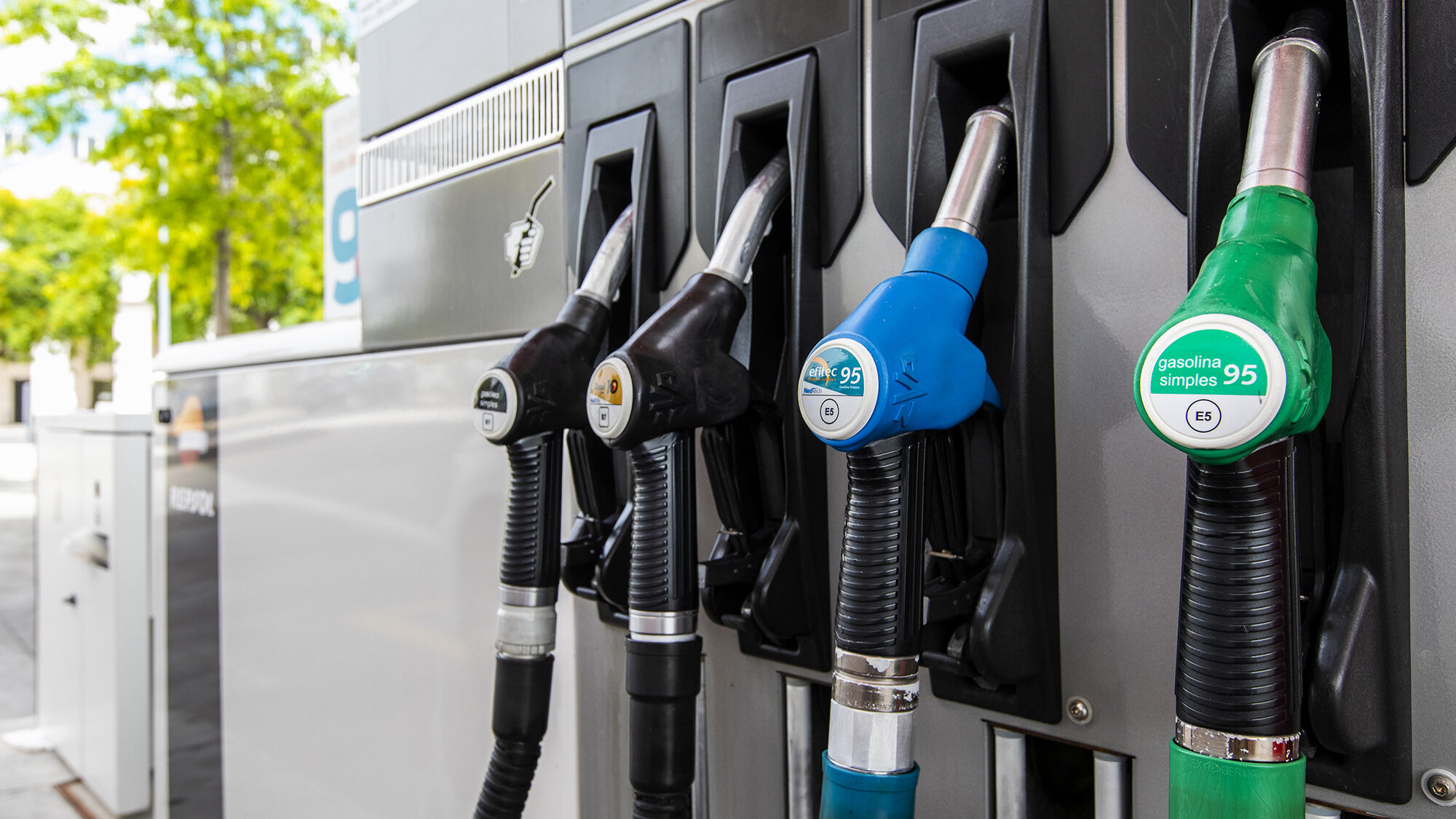
CNN Portugal's Economics editor, Vasco Rosendo, analyses the new rise in fuel prices, adding that it is “inevitable” that Portugal will adopt measures similar to those in Spain, where refuelling a diesel car is already almost 50 cents cheaper.
Government will have to take "much more aggressive" measures to mitigate the effects of the energy crisis
Friday, 3 April 2026RSS

Context & Explainers
The ISP (Imposto sobre Produtos Petrolíferos e Energéticos) is Portugal's excise tax on petroleum and energy products, charged as a fixed amount per liter on petrol, diesel, and other fuels. It is one of the main components of fuel prices at the pump, alongside VAT and the carbon tax (Taxa de Carbono).
The government can adjust ISP rates — temporarily or permanently — to influence fuel prices. Rate cuts are a common policy tool to ease cost-of-living pressures on drivers and transport businesses, though they also reduce government revenue.
For consumers, the ISP is significant because even small changes in the per-liter rate translate into noticeable differences at the pump, particularly for diesel users and commercial transport operators.
AI Summary AvailableFilling a 50-litre tank with diesel will now cost more than €100Read the synthesized summary with context and explainers
View full article on cnnportugal.iol.ptRSS source
Other news coverage of this topic
- Filling a 50-litre tank with diesel will now cost more than €100 • Expresso
- War in Iran causes diesel to rise by nine cents and petrol by four next week • Expresso
- Airline tickets soar 20% due to the war • CNN Portugal
- Diesel to rise by 9 cents and petrol by 4 cents next week • Correio da Manhã
- Diesel to rise by 9 cents and petrol by 4 cents next week • Dinheiro Vivo
- Diesel and petrol prices to rise despite increased tax relief • Observador
- Fuel prices rise again: diesel up 8 cents/litre, petrol up 3.5 cents/litre • Expresso
- Government increases discount on fuel tax for diesel and petrol • ECO
- Petrol and diesel prices to rise again next week • RTP Notícias
- Petrol and diesel prices to rise again next week • RTP Notícias
- Fuel prices to rise next week, petrol and diesel discounts to remain • Público