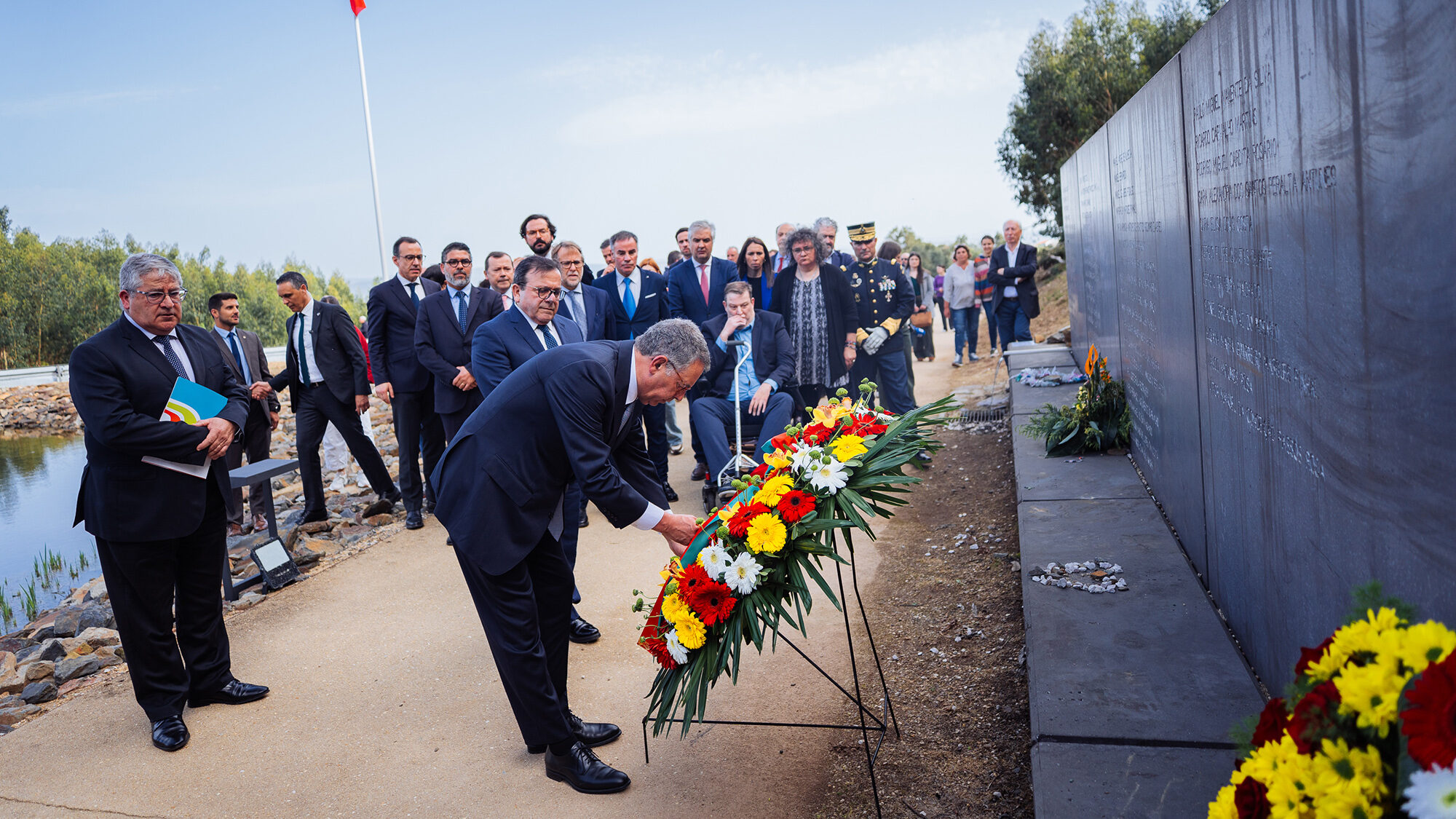
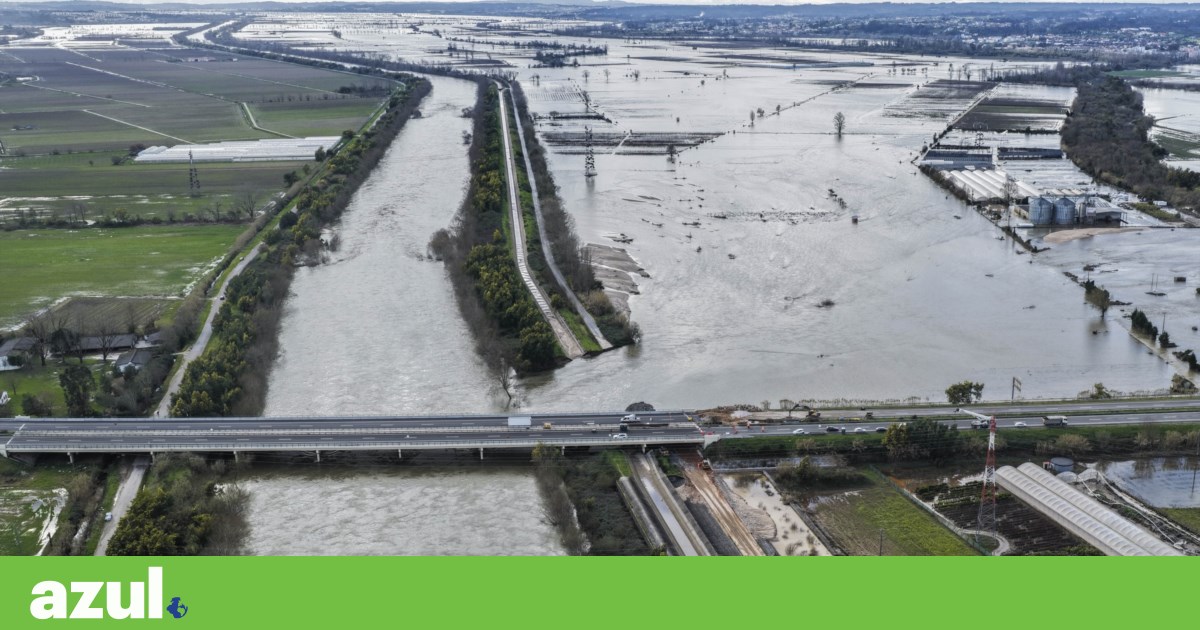
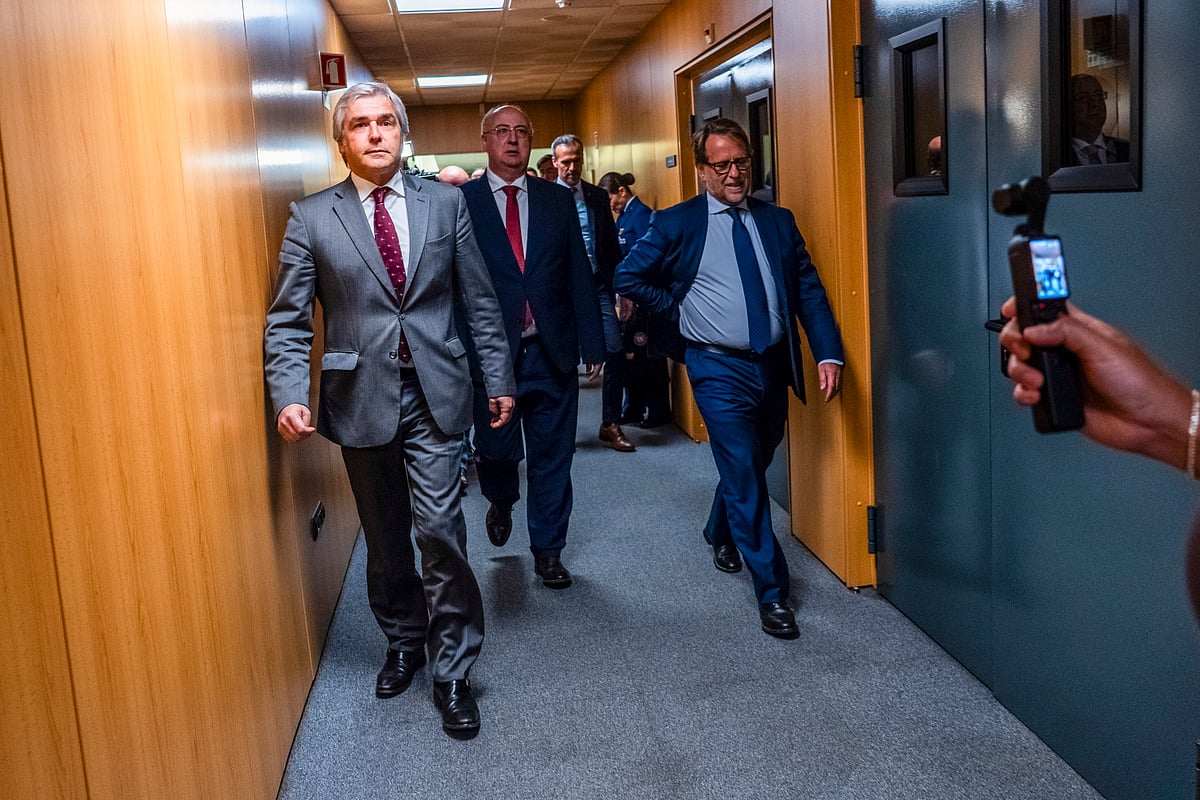
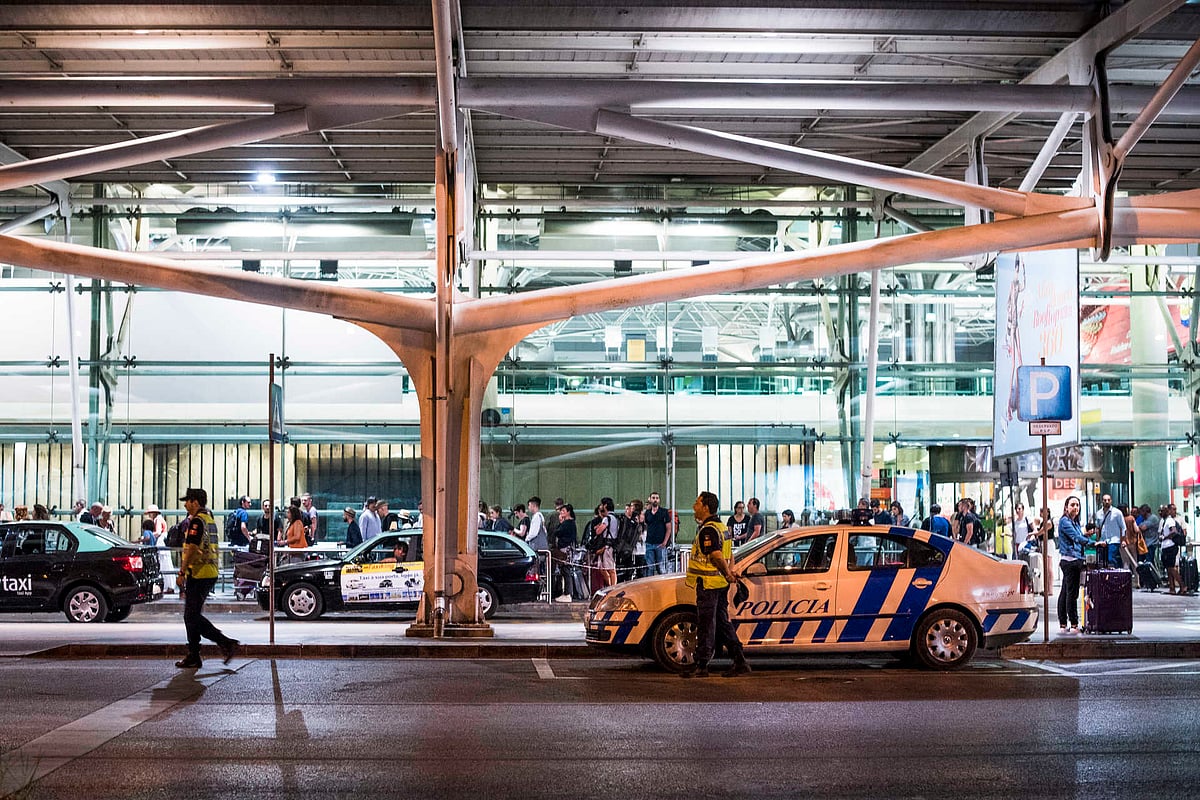
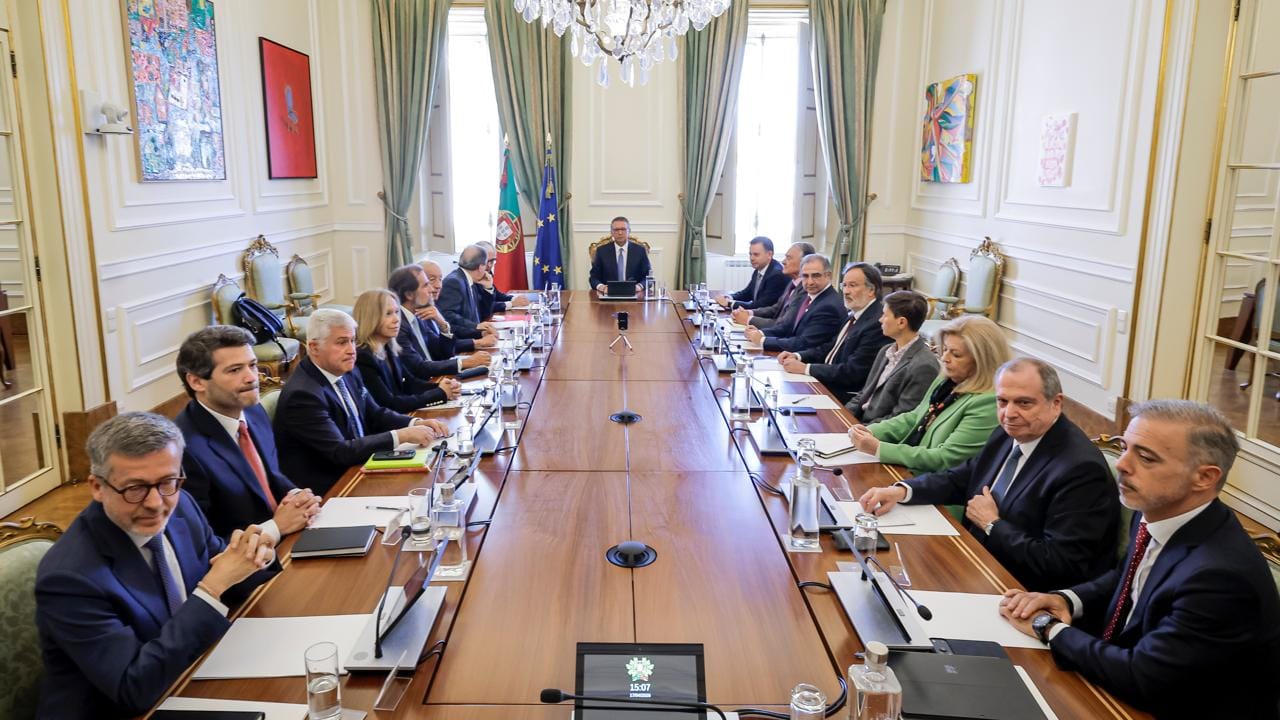
The Council of State assessed internal and external security and defence risks and challenges this Saturday, advocating for improved crisis prevention and response, as well as adherence to international law. These positions were outlined in a six-paragraph statement released following the first meeting of the President of the Republic's advisory body, convened by António José Seguro, which lasted approximately four hours. The Council emphasised the importance of enhancing national preparedness for severe weather events, hybrid threats, and emerging risks, while ensuring the protection of critical infrastructure and the continuity of essential services. The statement also highlighted the need for better coordination between entities responsible for these areas to improve crisis recovery. Externally, the Council discussed the geopolitical landscape, stressing the importance of international cooperation, fulfilling Portugal's alliance commitments, and upholding the UN Charter and international law. President António José Seguro valued the contributions of the Councillors, noting that they enriched the strategic reflection on these matters and reaffirmed the importance of ensuring stability, security, and public trust.
Council of State advocates for strengthening crisis prevention and response and respect for international law
Context & Explainers

- President of Portugal (since March 9, 2026)
- Party: Independent. Former leader of the Socialist Party (PS), Partido Socialista
- Center-left
António José Martins Seguro (born March 11, 1962, in Penamacor) is a lawyer, political scientist, and the current President of the Portuguese Republic, inaugurated on March 9, 2026 after winning the two-round presidential election in January–February 2026.
Career: He led Socialist Youth (1990–1994), served as MEP (1999–2001), was Minister Adjunct to PM António Guterres (2001–2002), and led the PS parliamentary group (2004–2005). Elected PS Secretary-General in 2011 with 68%, he led the opposition during Portugal's bailout era. In 2014, António Costa defeated him in party primaries by a landslide, prompting Seguro's resignation and a decade-long retreat from politics. He returned in 2025, launching the movement UPortugal and announcing his presidential candidacy in June. He received official PS backing in October 2025 and won the presidency in February 2026.
Political philosophy: Seguro positions himself as representing a "modern and moderate" left, advocating financial responsibility while opposing austerity. As President, he has emphasized institutional trust, efficient governance, and a collaborative relationship with the government while maintaining rigorous constitutional oversight.
The Council of State (Conselho de Estado) is the President's primary advisory body, composed of senior political figures including the Prime Minister and former presidents. It provides non-binding opinions on major issues such as dissolving parliament or declaring a state of emergency. Residents should note that the council acts as a stabilizing force during periods of political deadlock or institutional tension.
RSS source
Other news coverage of this topic
- Seguro gathers new advisors and speaks privately with Marcelo • Correio da Manhã
- Luís de Sousa with Seguro • Correio da Manhã
- How the first Council of State chaired by Seguro went • Observador
- Seguro meets with Felipe VI and Sánchez in Madrid • CNN Portugal
- Macau leader leaves for Portugal with meeting with Seguro on the agenda • jornaleconomico.sapo.pt
- Council of State advocates for strengthening crisis prevention and response and respect for international law • RTP Notícias
- Seguro's first Council of State meeting discussed the country's preparation for extreme phenomena and threats • Público
- Council of State calls for greater 'national preparedness' and wants better protection of 'critical infrastructure' • Expresso
- Council of State calls for greater "national preparedness" and better protection of "critical infrastructure" • Expresso