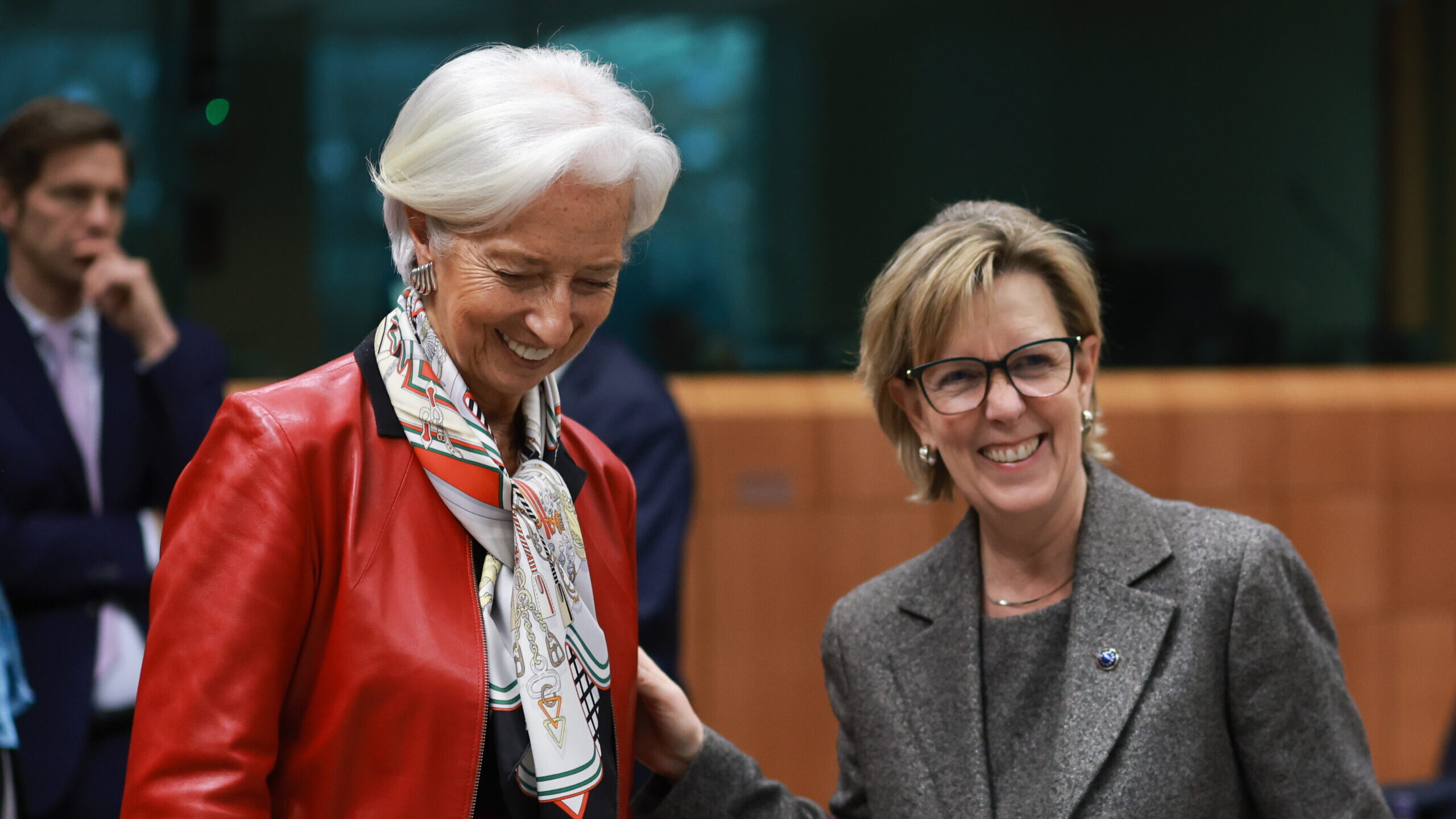
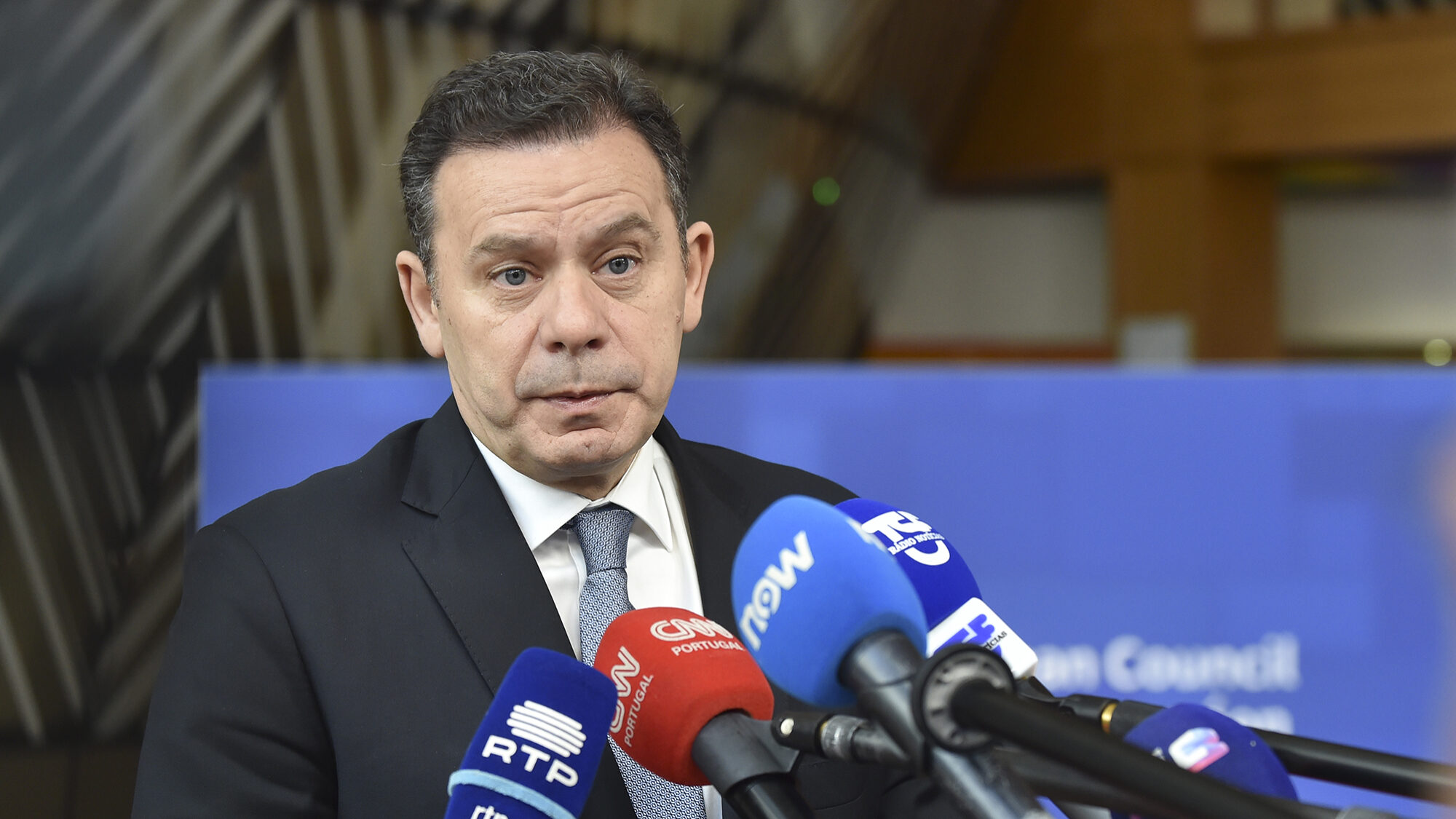
The war in Iran and the resulting fuel crisis are not only generating an inflationary shock but also increasing the risk of stagflation, that is, low growth and high inflation, in the Eurozone. This is at least what the data on consumer expectations, released this Tuesday by the European Central Bank, reveals.
Eurozone consumers are more pessimistic. They expect higher inflation and greater contraction
Tuesday, 28 April 2026RSS

Context & Explainers
Inflation measures how much general prices rise over time, usually reported year‑on‑year to compare a month with the same month a year earlier. Portugal’s National Institute of Statistics (INE) estimated January inflation at 1.9% year‑on‑year, down 0.3 percentage points from December, which affects rents, wages and everyday purchasing power for residents.