The President of the Republic, António José Seguro, enacted this Wednesday, April 1st, the amendments to the decree creating a social support and simplified lay-off regime for areas affected by Storm Kristin. According to a note on the presidency's website, the decree regarding the first amendment to Decree-Law no. 31-C/2026, which establishes support for areas hit by the storm, was signed into law. On March 6th, Parliament approved the 100% salary payment for workers under the simplified lay-off scheme, with opposition from PSD, IL, and CDS-PP. The final text, amended by left-wing parties, replaces the government's original proposal of two-thirds of the gross salary. Eighteen people died in Portugal due to the passage of storms Kristin, Leonardo, and Marta, which caused widespread destruction and infrastructure failure across the Centre, Lisbon, Tagus Valley, and Alentejo regions.
President enacts 100% payment for simplified lay-off scheme
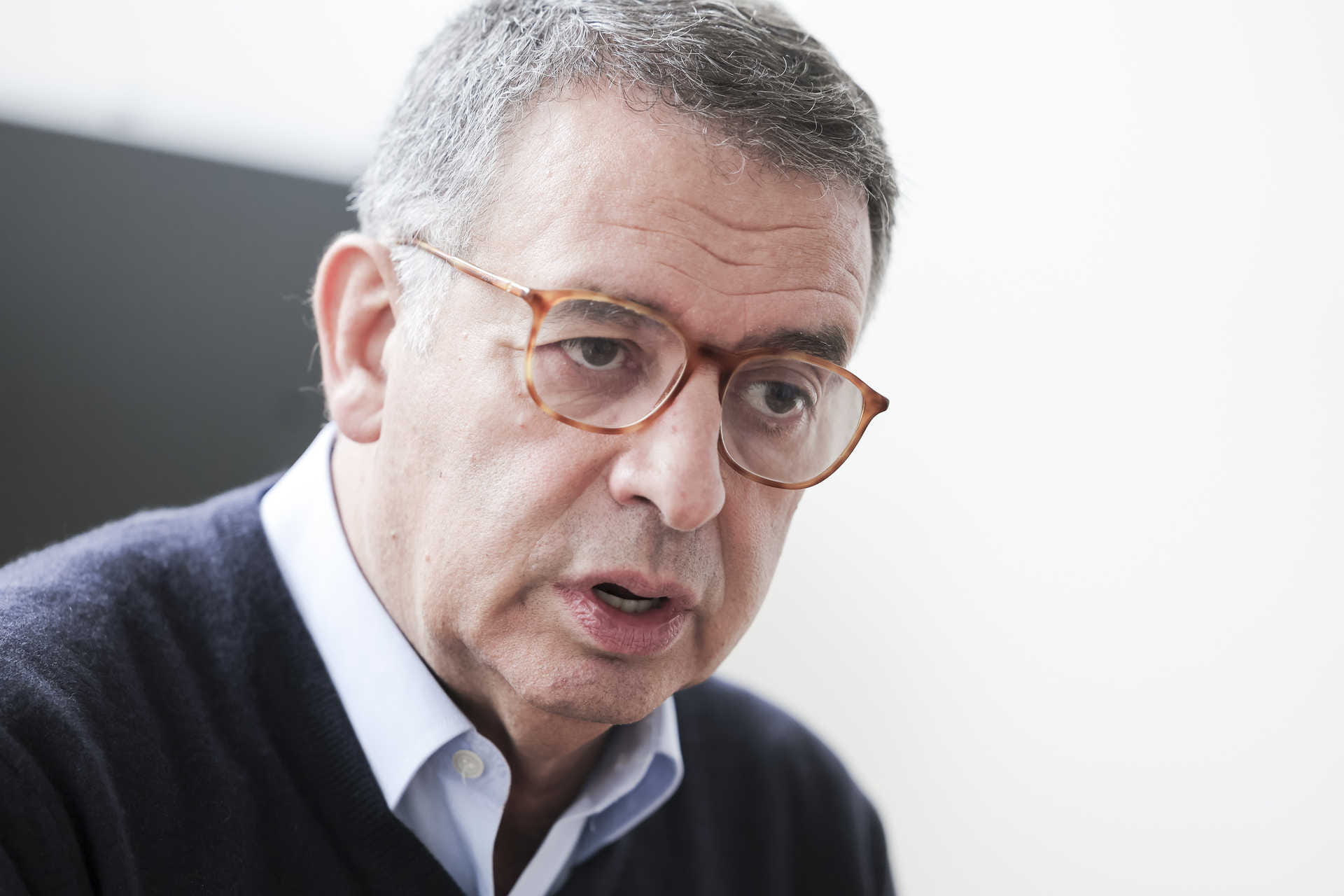
Context & Explainers

- President of Portugal (since March 9, 2026)
- Party: Independent. Former leader of the Socialist Party (PS), Partido Socialista
- Center-left
António José Martins Seguro (born March 11, 1962, in Penamacor) is a lawyer, political scientist, and the current President of the Portuguese Republic, inaugurated on March 9, 2026 after winning the two-round presidential election in January–February 2026.
Career: He led Socialist Youth (1990–1994), served as MEP (1999–2001), was Minister Adjunct to PM António Guterres (2001–2002), and led the PS parliamentary group (2004–2005). Elected PS Secretary-General in 2011 with 68%, he led the opposition during Portugal's bailout era. In 2014, António Costa defeated him in party primaries by a landslide, prompting Seguro's resignation and a decade-long retreat from politics. He returned in 2025, launching the movement UPortugal and announcing his presidential candidacy in June. He received official PS backing in October 2025 and won the presidency in February 2026.
Political philosophy: Seguro positions himself as representing a "modern and moderate" left, advocating financial responsibility while opposing austerity. As President, he has emphasized institutional trust, efficient governance, and a collaborative relationship with the government while maintaining rigorous constitutional oversight.