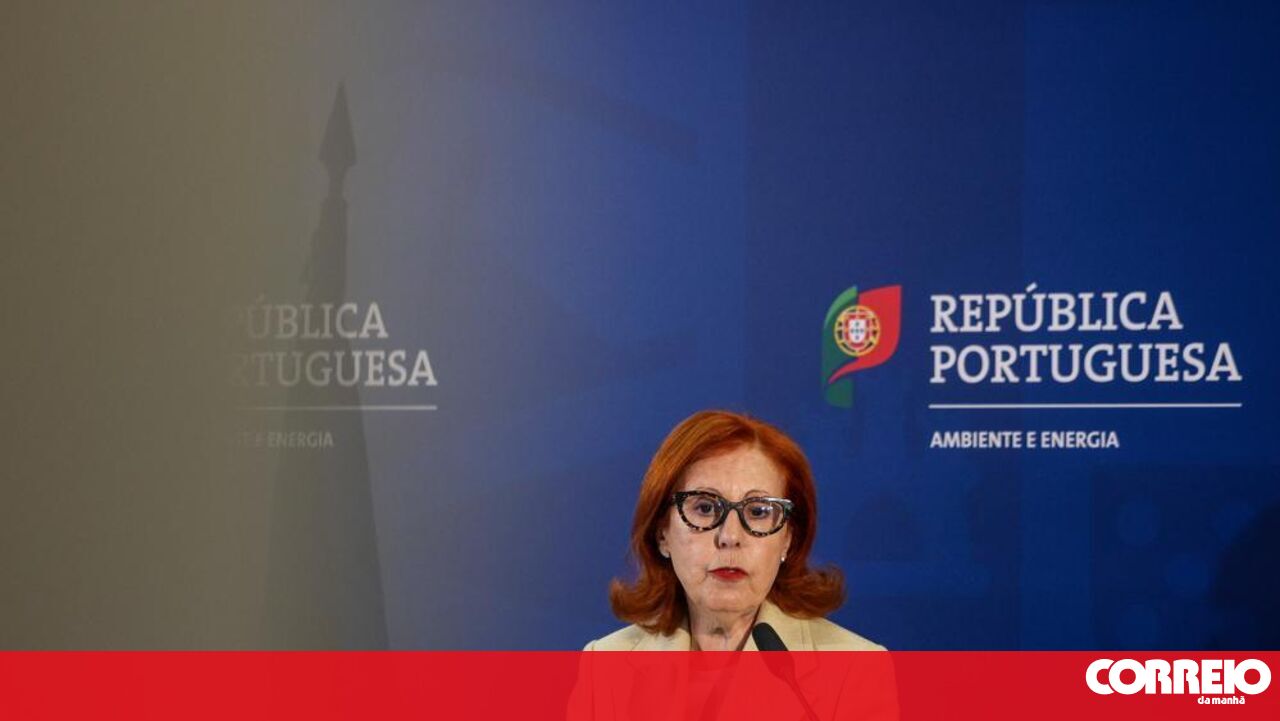
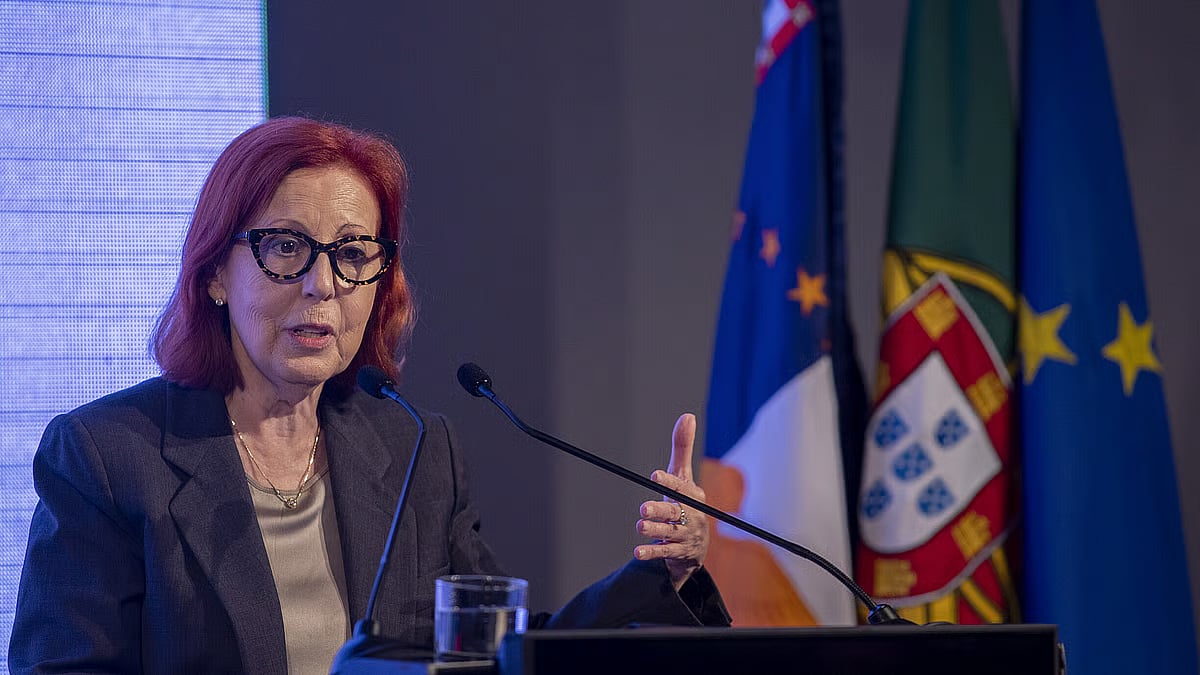
Until a month ago, many viewed sustainability policies as 'wokeism', an ideological agenda detached from real economic and personal concerns. The impacts of the war in Iran, reflected in oil and gas prices, are shifting this perception. Sustainability is no longer just an environmental issue but a matter of sovereignty, where energy intersects with climate, economy, and security. We are now forced to accelerate a transition that could have been gradual, resulting in higher financial and political costs. The problem lies in a culture of decision-making that reacts rather than anticipates. While Portugal successfully invested in renewable electricity production, it failed to match that effort in usage infrastructure. The challenge now is to anticipate better, decide earlier, and communicate with clarity to avoid paying the price for delayed action.
From Iran to the petrol pump, we are paying the cost of failing to anticipate
Monday, 6 April 2026RSS

Context & Explainers
Sustainability (sustentabilidade) means meeting present needs without reducing the ability of future generations to meet theirs, covering environmental, economic and social dimensions. For residents it affects local planning, jobs and services—look for municipal or company targets, timelines and measurable actions when assessing how sustainable a place or employer is.