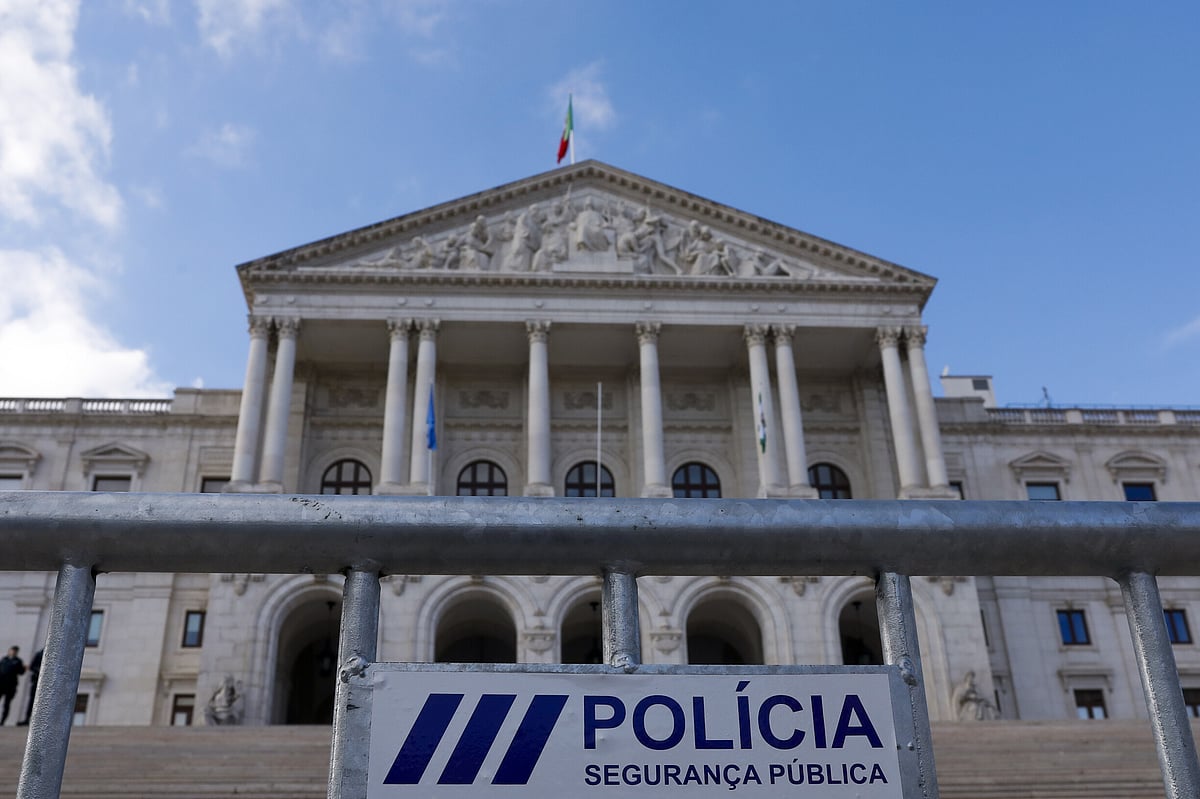
More than a hundred people demonstrated this Friday in downtown Lisbon, in a protest organised by CGTP, to demand equality between men and women and to oppose a labour package they believe will worsen women's working conditions. “The equality that April opened, reinforcing rights, fulfilling the constitution” was read on the banner leading the march from Largo de Camões towards the parliament. Other messages on participants' placards included “Labour package = labour regression” and “Labour Package is a Constitutional Danger”, with chants advocating for equal rights, wages, labour rights, public health and education, and peace. Cristina Calado, 64, told Lusa that she has participated in various struggles throughout her life and attended this protest because equality between men and women “is a goal still to be achieved”, although she stated she has never felt discriminated against at work for being a woman. When asked if she believes there are risks of regression in already achieved rights, she said it would only happen if women “allow it”. Nuno Matos noted that in the banking sector, it is still common for women in equal leadership positions to earn less than men in the same roles. He added that women are penalised in evaluations and bonuses when they have children. “Equal pay is urgent in Portugal,” was one of the slogans heard during the march, where many demonstrators carried red carnations. This protest is organised by the Commission for Equality between Women and Men of CGTP-IN. Fátima Messias, coordinator of this commission, told Lusa that although equality is enshrined in the Constitution, it is often undermined by the laws themselves. She explained that when labour legislation contradicts constitutional principles, it undermines the right to secure employment. The CGTP's general secretary, Tiago Oliveira, stated that the struggle of working women is central to achieving equality and described the government's proposed labour package as a significant attack on women, as they are more susceptible to precariousness and low wages. The CGTP is holding a week of equality from March 2 to 8 under the slogan “The Equality that April Opened. Reinforcing Rights. Fulfilling the Constitution”, with initiatives across the country. International Women's Day is celebrated on March 8.
Hundreds join CGTP protest for "equality between women and men" in Lisbon (photo gallery)

Context & Explainers
CGTP (Confederação Geral dos Trabalhadores Portugueses – Intersindical Nacional) regularly publishes studies and proposals on labor market conditions, wages, working time, and employment rights. These reports are used to support the union confederation's negotiating positions with the government and employers.
CGTP studies typically cover topics such as minimum wage adequacy, working hours reform, collective bargaining trends, social security sustainability, and the impact of proposed labor law changes on workers. The confederation uses this research to advocate for positions in tripartite social dialogue (Concertação Social) alongside the UGT union confederation and employer groups.
These publications are significant because they often shape public debate ahead of labor reforms and can influence the pace and direction of legislative changes.