What world is safe for women?
In the week of Seguro's inauguration, we commented on his speech and the start of his term, the shifts of Georgia Meloni, and the current state of women's rights.

Latest news and stories about womens rights in Portugal for expats and residents.
This page has only 1 story and is not indexed by search engines.
In the week of Seguro's inauguration, we commented on his speech and the start of his term, the shifts of Georgia Meloni, and the current state of women's rights.

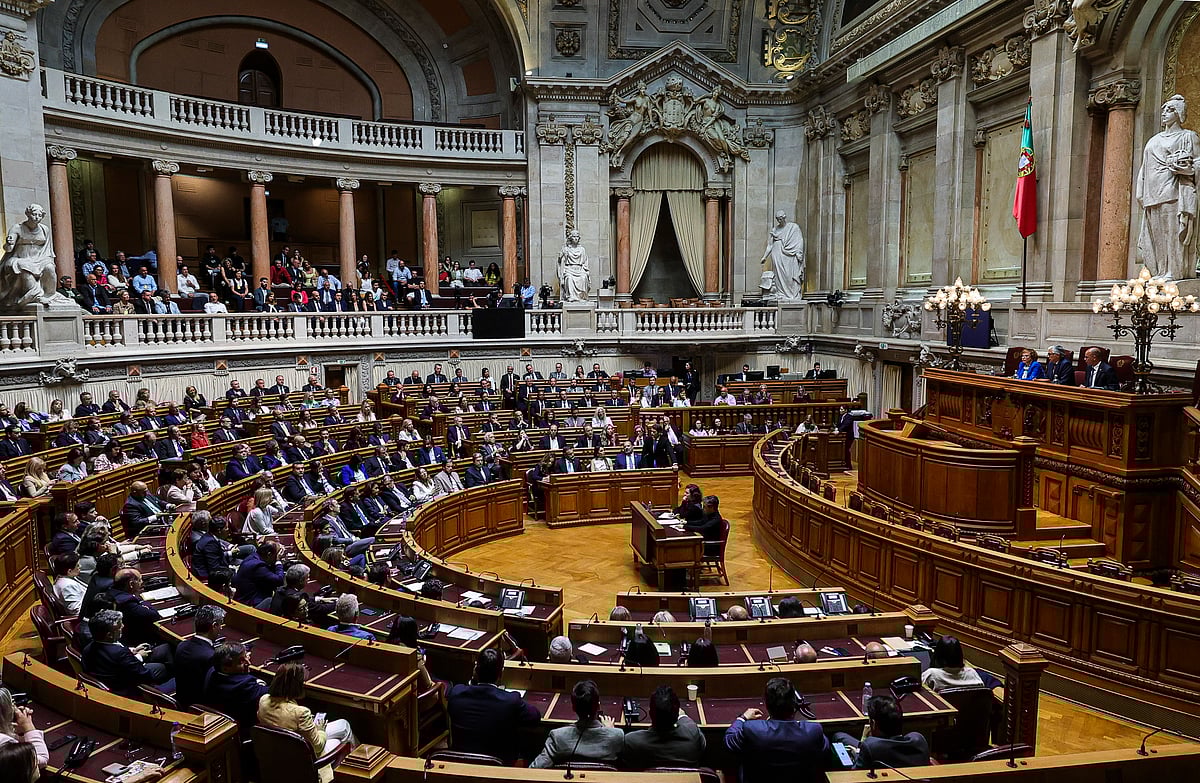
A petition calling on the Assembly of the Republic to take measures to make rape a public crime and to establish femicide as a separate crime was delivered to parliament on Monday with over 200,000 signatures. Titled 'Petition against violence against women', the initiative, launched last year, was signed by 209,510 people, far exceeding the 7,500-signature threshold required for a plenary debate. Among the initial signatories are activist Francisca de Magalhães Barros, Manuela Ramalho Eanes, Dulce Rocha, former president of the Institute for Child Support, Rui Pereira, former Minister of Internal Administration, lawyer António Garcia Pereira, lawyer Isabel Aguiar Branco, and judge Clara Sottomayor. In a note sent to the press, the group explains that the petition stems from a 'growing concern among citizens and organisations regarding the persistence and severity of a phenomenon that continues to affect many thousands of women every year'. The signatories stress the urgency of amending the Penal Code to make rape a public crime and to apply harsher penalties for domestic violence, while also advocating for the legal autonomy of the crime of femicide.
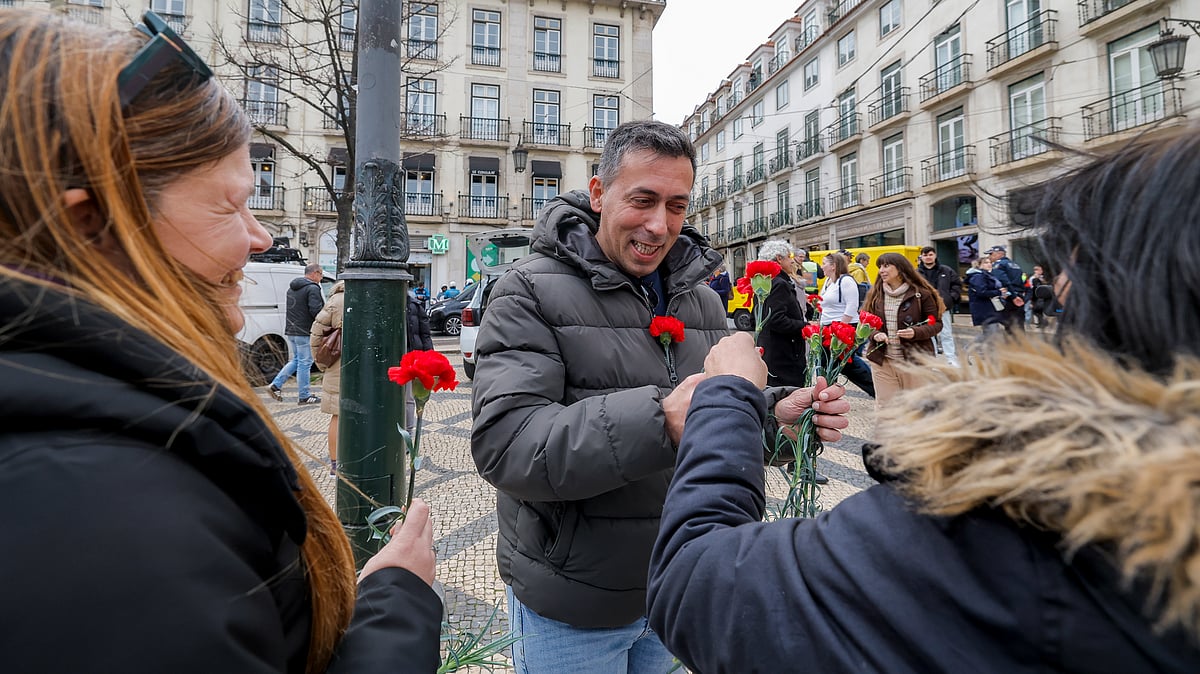
More than a hundred people demonstrated this Friday in downtown Lisbon, in a protest organised by CGTP, to demand equality between men and women and to oppose a labour package they believe will worsen women's working conditions. “The equality that April opened, reinforcing rights, fulfilling the constitution” was read on the banner leading the march from Largo de Camões towards the parliament. Other messages on participants' placards included “Labour package = labour regression” and “Labour Package is a Constitutional Danger”, with chants advocating for equal rights, wages, labour rights, public health and education, and peace. Cristina Calado, 64, told Lusa that she has participated in various struggles throughout her life and attended this protest because equality between men and women “is a goal still to be achieved”, although she stated she has never felt discriminated against at work for being a woman. When asked if she believes there are risks of regression in already achieved rights, she said it would only happen if women “allow it”. Nuno Matos noted that in the banking sector, it is still common for women in equal leadership positions to earn less than men in the same roles. He added that women are penalised in evaluations and bonuses when they have children. “Equal pay is urgent in Portugal,” was one of the slogans heard during the march, where many demonstrators carried red carnations. This protest is organised by the Commission for Equality between Women and Men of CGTP-IN. Fátima Messias, coordinator of this commission, told Lusa that although equality is enshrined in the Constitution, it is often undermined by the laws themselves. She explained that when labour legislation contradicts constitutional principles, it undermines the right to secure employment. The CGTP's general secretary, Tiago Oliveira, stated that the struggle of working women is central to achieving equality and described the government's proposed labour package as a significant attack on women, as they are more susceptible to precariousness and low wages. The CGTP is holding a week of equality from March 2 to 8 under the slogan “The Equality that April Opened. Reinforcing Rights. Fulfilling the Constitution”, with initiatives across the country. International Women's Day is celebrated on March 8.