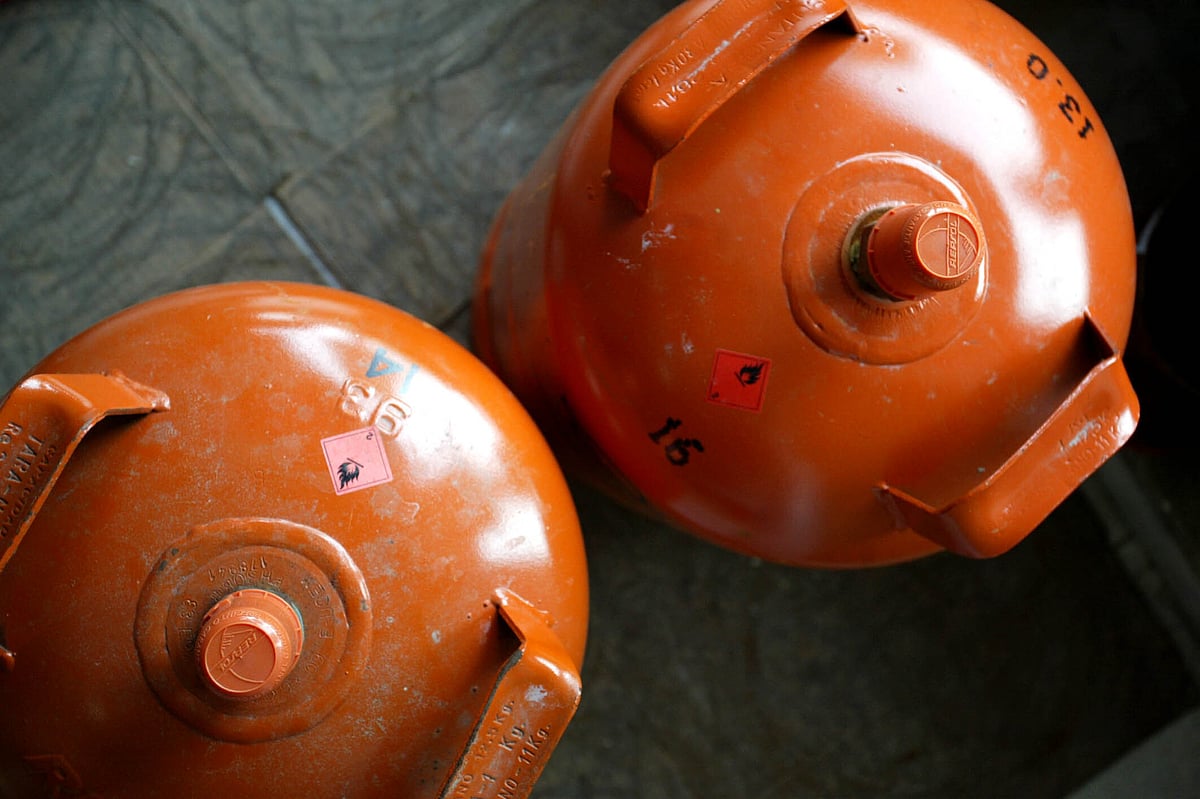
The discount of 3.55 cents per litre of diesel announced by the government, to be applied at fuel pumps from Monday, March 9, should also extend to bottled gas used for cooking and heating at home, argues the Portuguese association representing fuel sellers (ANAREC). According to a study by the Energy Services Regulatory Authority (ERSE), about two-thirds of households in Portugal use bottled gas instead of piped gas. The consumption of bottled LPG (liquefied petroleum gas) is still very common in Portugal, especially in areas without natural gas distribution, more frequently outside major cities and in the interior regions. In a statement, ANAREC calls on the Minister of State and Finance to apply the recently admitted fiscal mitigation mechanism for petrol and diesel, through an extraordinary and temporary discount on the Tax on Petroleum Products (ISP), equivalently to gaseous fuels, particularly bottled LPG. However, there is a condition: the price of fuel must exceed 10 cents for the discount to apply. On Monday, it is estimated that the price of road diesel will rise by an average of 23.4 cents per litre, and unleaded petrol will increase by 7.4 cents per litre. Therefore, petrol will rise significantly but by less than 10 cents, thus not qualifying for the government discount or subsidy. Diesel will qualify, with the average price expected to be around 19.85 euros per litre on Monday, March 9, after the public support of 3.55 cents. ANAREC believes that supporting bottled gas is a matter of “equity”. They consider the government's willingness to act on the fiscal component of liquid fuels in response to significant price increases as positive, aiming to mitigate the impact on consumers and businesses. However, the association emphasizes that this concern should not be limited to liquid fuel users but should also include consumers relying on gaseous fuels, such as bottled gas for domestic and sometimes business use. ANAREC states that bottled LPG remains essential for cooking and heating for a significant portion of the population, especially in areas without viable alternatives, particularly due to the absence of piped natural gas or economic limitations on equipment replacement. This reality particularly impacts economically vulnerable families and populations outside major urban centres, for whom bottled gas remains an indispensable energy solution. As mentioned, an ERSE study indicates that about two-thirds of households in Portugal use LPG, with its strong presence outside natural gas distribution areas, and even in areas served by natural gas networks, its use remains common for domestic heating.
Fuel sellers' sector calls on government for discount on bottled gas
Context & Explainers
The ISP (Imposto sobre Produtos Petrolíferos e Energéticos) is Portugal's excise tax on petroleum and energy products, charged as a fixed amount per liter on petrol, diesel, and other fuels. It is one of the main components of fuel prices at the pump, alongside VAT and the carbon tax (Taxa de Carbono).
The government can adjust ISP rates — temporarily or permanently — to influence fuel prices. Rate cuts are a common policy tool to ease cost-of-living pressures on drivers and transport businesses, though they also reduce government revenue.
For consumers, the ISP is significant because even small changes in the per-liter rate translate into noticeable differences at the pump, particularly for diesel users and commercial transport operators.
Higher crude oil prices raise wholesale fuel costs, and those increases typically reach Portuguese petrol and diesel pumps within days to weeks; the recent conflict has pushed oil to one‑year highs and European gas futures up roughly 40%, making fuel the first likely victim. Final pump prices also depend on taxes, VAT and distributor margins, so consumers should expect higher filling‑station bills but the exact change will reflect those tax and margin components as well as exchange rates.