The Lisboeta

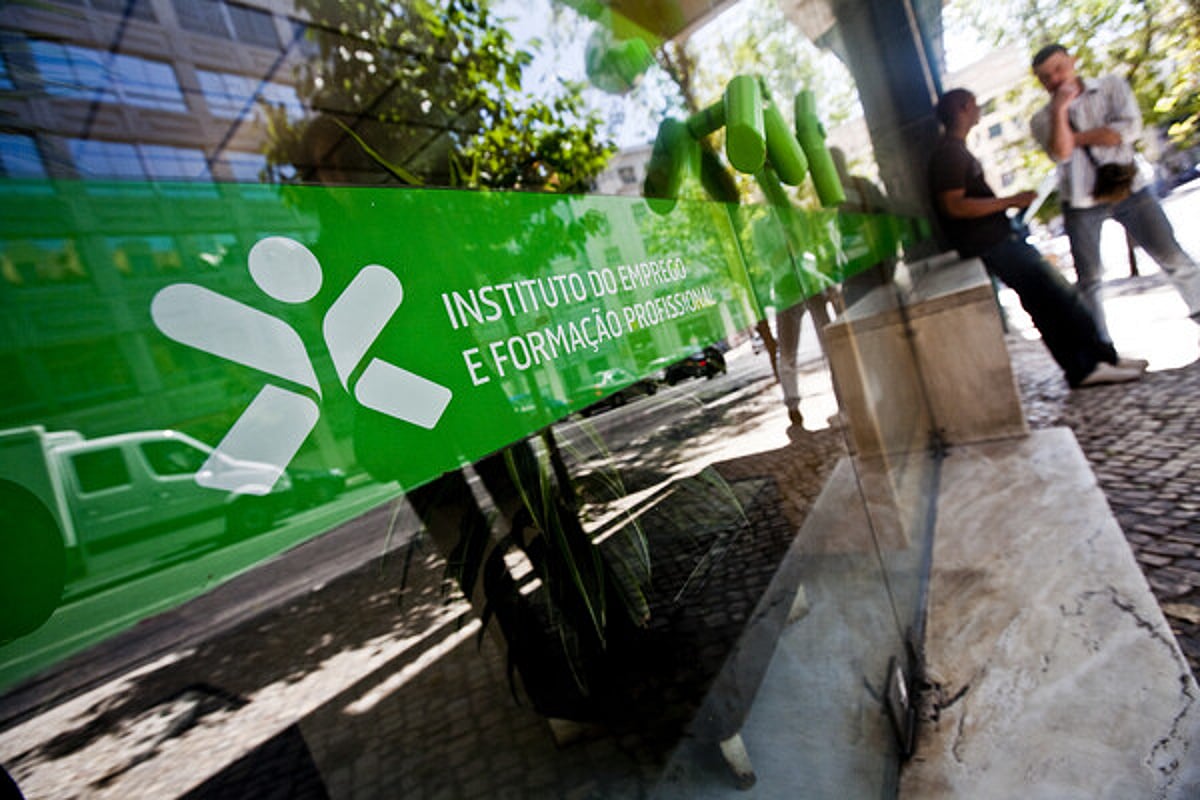
Job vacancy rate falls in the EU in the 3rd quarter, and Portugal has the 9th lowest

Tuesday, 16 December 2025RSS
Job vacancy rate falls in the EU in the 3rd quarter, and Portugal has the 9th lowest

The job vacancy rate in the European Union decreased in the third quarter, with Portugal ranking as having the ninth lowest rate among member states.

View full article on Dinheiro Vivo

RSS source

Context & Explainers

The President of Portugal (Presidente da República) is the head of state with mostly ceremonial duties but key powers such as vetoing legislation, appointing the prime minister and, in certain circumstances, dissolving parliament. For expats the president is important for national stability and international representation, though daily government policy is run by the prime minister.

The EU Emissions Trading System (Sistema de Comércio de Emissões da UE) is the EU’s cap-and-trade carbon market, launched in 2005, which sets a declining cap on emissions and issues tradable allowances for sectors including power, industry and intra‑EU aviation. It’s central to EU climate policy and a focal point in debates about extending carbon pricing to shipping and international aviation, so shifts in international politics can influence how effectively the EU’s system limits global emissions.

Staffing and shift schedules in the SNS combine permanent doctors, residents and temporary cover (locums or overtime) arranged by each hospital's Clinical Directorate ("Direção Clínica"), which plans rotas to cover on‑call and emergency shifts. Rotas are subject to national labour rules, collective agreements and local shortages, so hospitals may use voluntary shift swaps, incentives or external contractors when regular staff are unavailable.

Banco de Portugal is Portugal’s central bank, founded in 1846, responsible for banking supervision, financial stability and representing Portugal within the European System of Central Banks. For expats, it matters because it regulates banks and financial resolutions, influences monetary and payment rules, and can be involved in legal disputes with international investors.

Portugal's president is elected by universal suffrage, requiring an absolute majority; if no candidate wins over 50% in the first round, a second round is held between the top two candidates. The president has important but limited powers — they represent the state internationally, appoint the prime minister, can veto legislation and dissolve parliament — while day‑to‑day government policy and foreign policy are led by the prime minister and ministers.