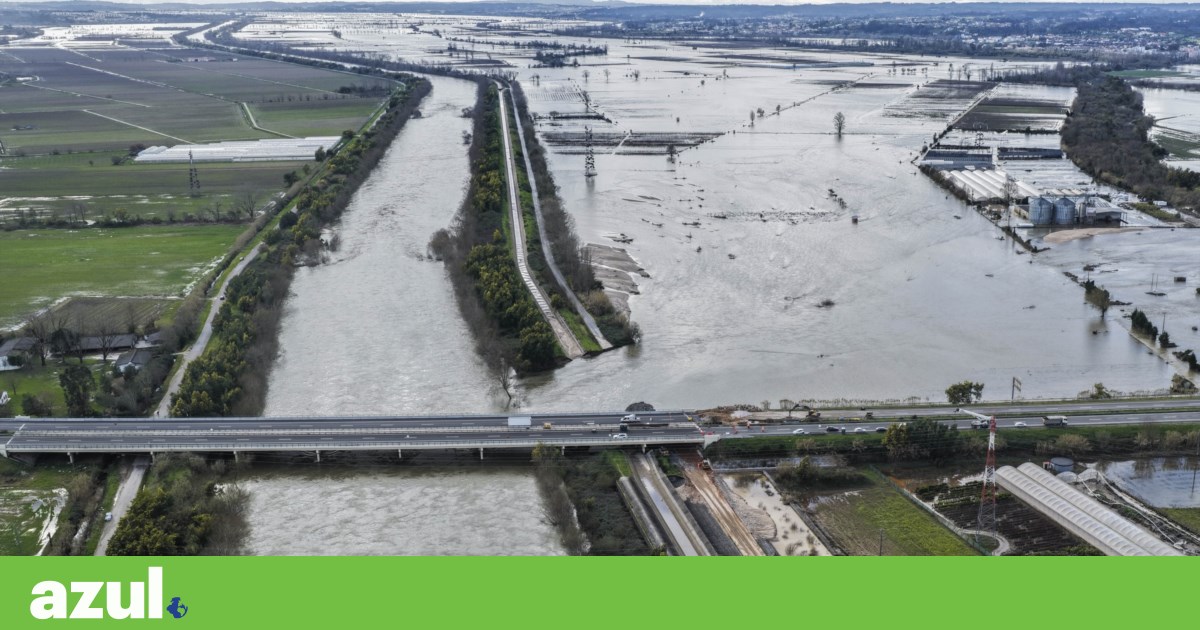
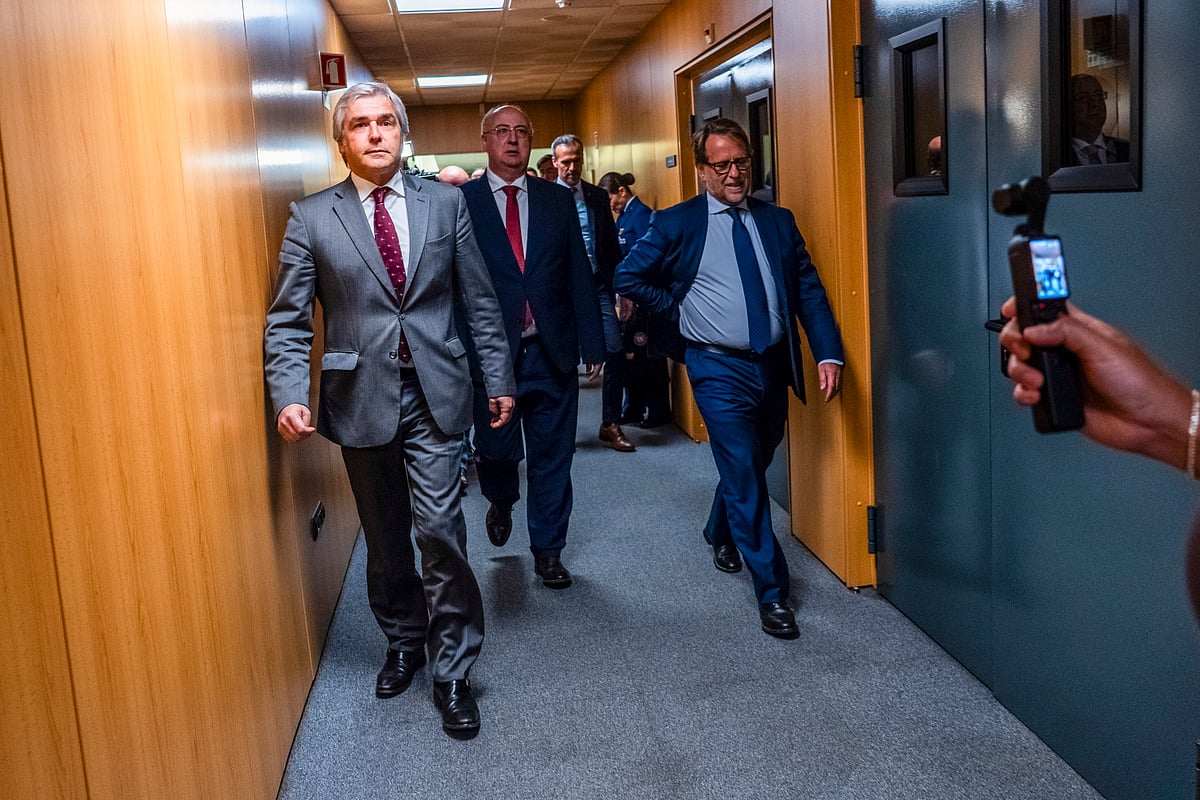
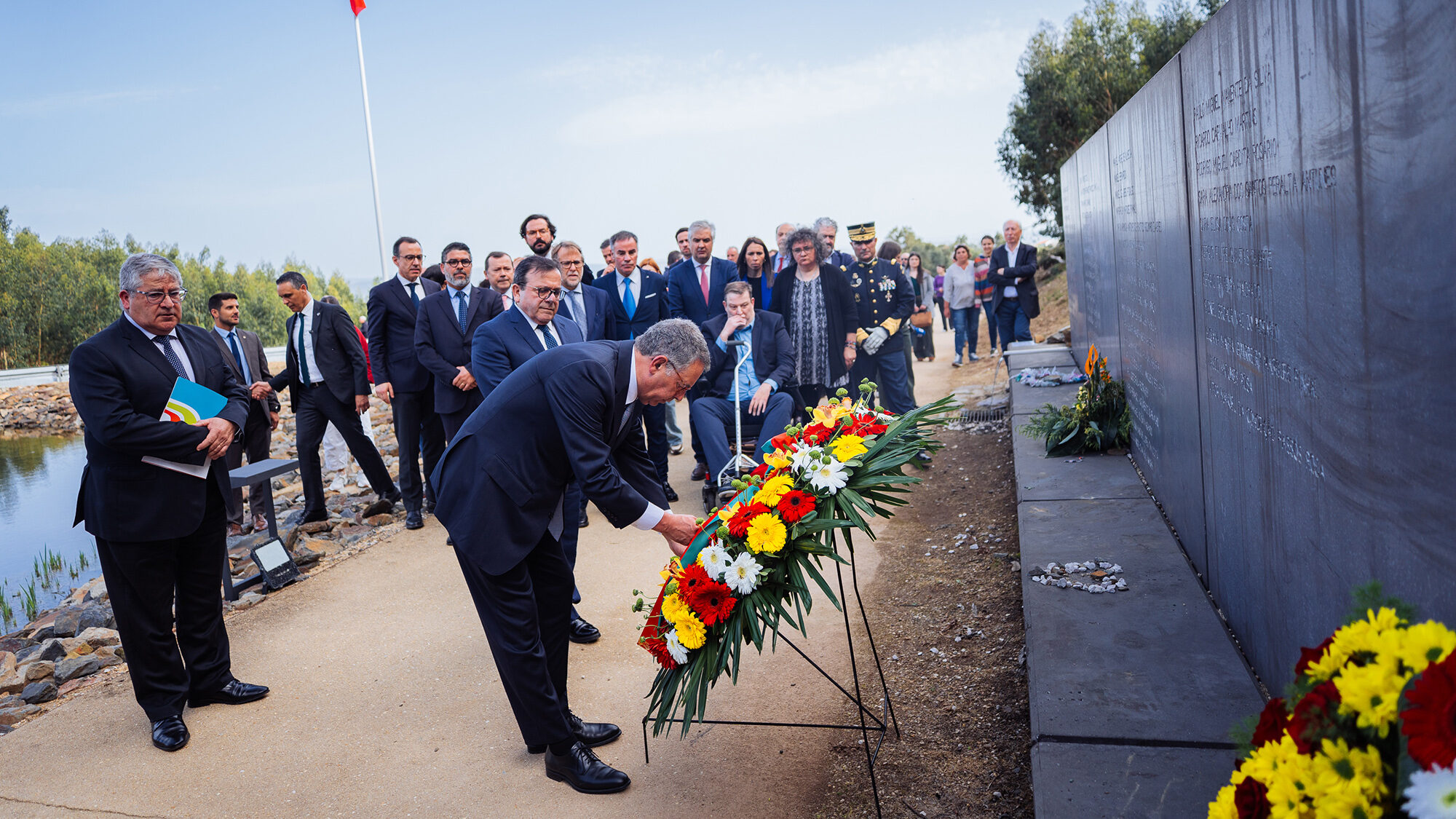
The penultimate day of António José Seguro's Open Presidency in the Central region ended up being loaded with an avalanche of emotions and became a true wailing wall, with requests for the Head of State's intervention so that insurance companies are more agile or that support arrives urgently for residents, business owners and...
On the fourth day of the open presidency in the Central region, Seguro faces a wailing wall
Thursday, 9 April 2026RSS
Context & Explainers

- President of Portugal (since March 9, 2026)
- Party: Independent. Former leader of the Socialist Party (PS), Partido Socialista
- Center-left
António José Martins Seguro (born March 11, 1962, in Penamacor) is a lawyer, political scientist, and the current President of the Portuguese Republic, inaugurated on March 9, 2026 after winning the two-round presidential election in January–February 2026.
Career: He led Socialist Youth (1990–1994), served as MEP (1999–2001), was Minister Adjunct to PM António Guterres (2001–2002), and led the PS parliamentary group (2004–2005). Elected PS Secretary-General in 2011 with 68%, he led the opposition during Portugal's bailout era. In 2014, António Costa defeated him in party primaries by a landslide, prompting Seguro's resignation and a decade-long retreat from politics. He returned in 2025, launching the movement UPortugal and announcing his presidential candidacy in June. He received official PS backing in October 2025 and won the presidency in February 2026.
Political philosophy: Seguro positions himself as representing a "modern and moderate" left, advocating financial responsibility while opposing austerity. As President, he has emphasized institutional trust, efficient governance, and a collaborative relationship with the government while maintaining rigorous constitutional oversight.
AI Summary AvailableSeguro concludes Open Presidency in storm-affected regionRead the synthesized summary with context and explainers
View full article on eco.sapo.ptRSS source
Other news coverage of this topic
- Open Presidency: Seguro ends in the centre of the country • RTP Notícias
- Seguro concludes first Open Presidency with a day dedicated to the Leiria district • Correio da Manhã
- Seguro's first Open Presidency ends today • Observador
- The era of strategic pressure has begun: how Seguro and the Government tested cohabitation in the Centre • Expresso