Portugal does not function without immigrants, research shows
A study indicates that the Portuguese economy and society rely heavily on immigrant labour to operate effectively.

Latest news and stories about immigration policy in work in Portugal for expats and residents.
A study indicates that the Portuguese economy and society rely heavily on immigrant labour to operate effectively.

A year after the launch of the regulated labour migration protocol, over three thousand visas have been granted with an average processing time of 21 days, according to the Ministry of the Presidency.

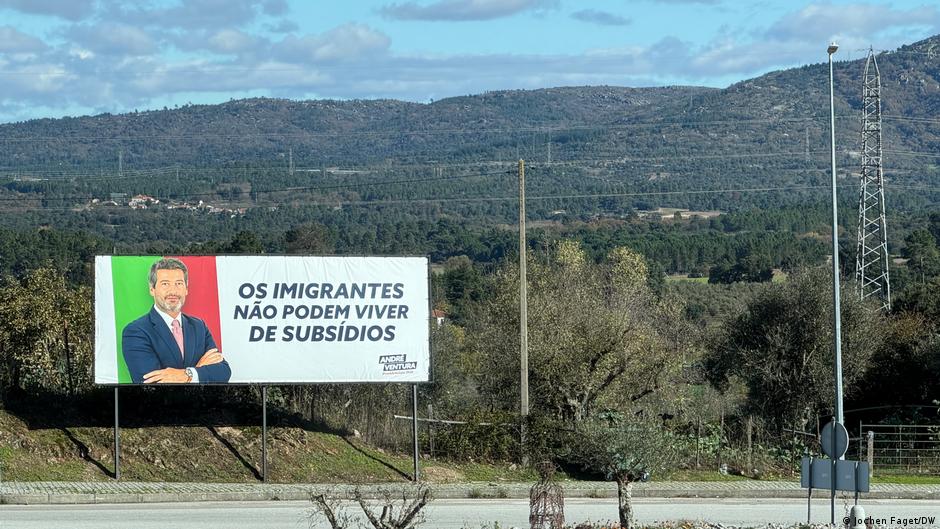
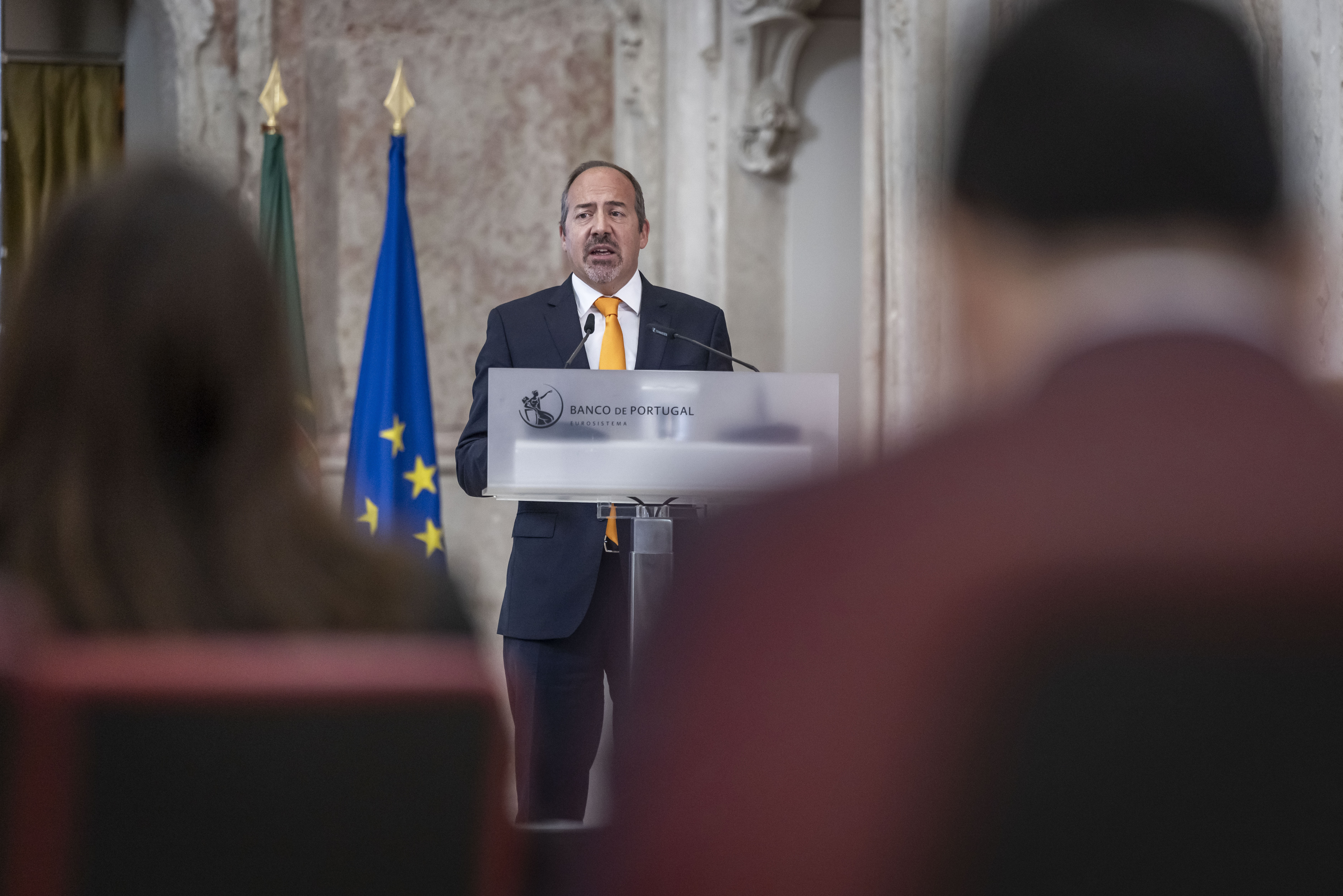
Ricardo Gonçalves Cerqueira, CEO of Rekeep Portugal, argues that the Portuguese economy relies heavily on immigrant labor to meet current operational demands, despite rising political pressure to tighten immigration policies.

The Bank of Portugal reports a gradual slowdown in employment growth for 2025, despite the labour market reaching historical highs, citing economic challenges and revised growth forecasts.

Government says applications are increasing by between 20% and 30% per month. The data is far from the 100,000 workers that confederations said were needed in agriculture, tourism, and construction.

Starting 1 June, the Portuguese Consulate-General in Luanda will implement a new procedure for work visa applications, requiring prior consulate approval before scheduling an appointment at the VFS Global Visa Centre. This change applies to residence visas for subordinate professional activities and temporary stay visas for seasonal work exceeding 90 days. Applications must be submitted exclusively by companies based in Portugal or their legal representatives via a specific email address. The consulate aims to streamline the process and reduce reliance on general appointment slots. Additionally, from 20 May 2026, visa appeal submissions will be handled at VFS Global, and notary services will transition to an email-based scheduling system starting 1 June.

The Portuguese government acknowledges that the country's economic success relies on immigrant labour to fill specific job vacancies.

Home News Employment slows down in Portugal as immigration tightens Employment slows down in Portugal as immigration tightens The Bank of Portugal urges a shift towards growth driven by productivity rather than just job creation.

Álvaro Santos Pereira, Governor of the Bank of Portugal, suggests that the country should actively attract highly qualified immigrants to address labour market needs. The report highlights that many immigrants, particularly Brazilians, struggle with the bureaucratic revalidation of their academic credentials, leading to a significant portion of highly educated professionals working outside their fields of expertise. The data shows that immigrants, with an average age of 33, are a vital part of the Portuguese workforce, contributing significantly to social security while relying less on social benefits than the native population.

Applications are processed through the Cooperation Protocol for Regulated Labour Migration, which promises to accelerate the granting of work visas to immigrants in their countries of origin, using the Portuguese diplomatic network.

The assessment of the protocol for granting work visas to immigrants in their countries of origin was considered “positive” by the executive. About 60% of the applications are for the agricultural sector.

Unlike Portugal, Italy and Spain are opening their doors to the legalisation of immigrants. In Portuguese lands, those who could be working for the benefit of everyone and the economy are being expelled. Opinion by Carlos Vianna.

The appointment of Luís Neves to the Ministry of Internal Administration is primarily a gesture of political intelligence by Prime Minister Luís Montenegro. Not only does the former National Director of the Judicial Police (PJ) have a deep understanding of the state's most sensitive dossiers, but his nomination also breaks a trend followed by the government over the past two years: the temptation to adopt the security rhetoric that has characterised Chega's discourse, particularly regarding immigration. Luís Neves' entry into the government signifies a change in direction and a renewed focus on effectiveness and implementation. It is worth recalling a moment from 2025 when Neves, then the National Director of the PJ, asserted that there is no causal relationship between increased immigration and rising crime, a statement that contradicted the prevailing narrative in public debate. Today, this same stance is expected to take centre stage in internal security policy. Although Neves has never been a formal politician, he has demonstrated qualities of a competent politician, such as clarity, sobriety, and a remarkable ability to build bridges between people and entities that do not always understand each other. This ability will be tested in his greatest challenge: reforming Civil Protection. It is not enough to revise laws; it is essential to ensure that the system operates effectively on the ground and that entities like firefighters, security forces, the Agency for the Integrated Management of Rural Fires, the Portuguese Environment Agency, and the Armed Forces communicate and act with a common purpose. Additionally, he faces critical tasks such as managing the fight against wildfires and replacing the controversial SIRESP communication system, which has proven to work only when it is not needed. What is expected of Luís Neves is to replicate in the Ministry of Internal Administration what he accomplished in the PJ over two decades: to build coherent strategies, unite teams that were not initially inclined to cooperate, and instil public confidence that the state can handle the crises it faces. In a ministry where public perception is as important as operational effectiveness, the ability to communicate calmness and precision may prove as decisive as any structural reform. The only potential issue with this choice is that Luís Neves arrives at the Ministry of Internal Administration with exceptionally high expectations, which could be counterproductive. The future will reveal whether he can meet these expectations in a role that has been particularly challenging in recent years.

Home News AIMA asks to repeat residency renovation request AIMA asks to repeat residency renovation request Immigrants with student residency permits who are employed will have to reapply for residency renewal.