Central Alentejo against cuts to the cohesion fund
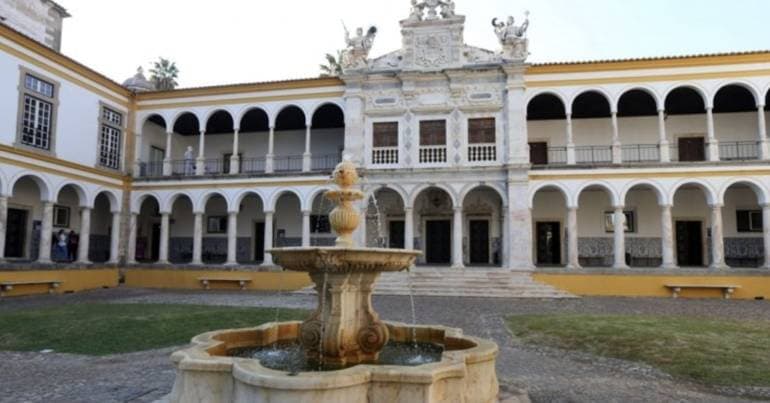
14 municipalities in the Évora district met in an extraordinary session and oppose the reprogramming of the CDCT-AC, warning of reductions in priority areas and risks to urban rehabilitation.

Latest news and stories about urban rehabilitation in Portugal for expats and residents.
14 municipalities in the Évora district met in an extraordinary session and oppose the reprogramming of the CDCT-AC, warning of reductions in priority areas and risks to urban rehabilitation.

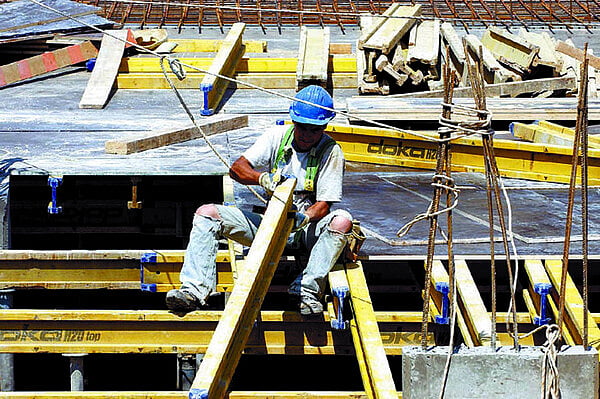
The urban rehabilitation sector showed more moderate dynamics in February 2026, with activity levels growing by 1.9% year-on-year and the order book increasing by 1.5%, reflecting a more contained growth pace compared to previous months, according to the monthly survey by the Association of Civil Construction and Public Works Industries (AICCOPN). Consequently, contracted production—which estimates the number of months of activity secured at a normal execution pace—stood at 8.8 months, indicating a 'slight contraction' compared to the nine months recorded in the same period last year. At the same time, AICCOPN data also reveal a retraction in rehabilitation work licensing in January 2026, with a 16.7% year-on-year drop resulting from the issuance of 315 residential and 202 non-residential licenses, a decline across both segments. The association emphasizes, however, that licensing statistics only refer to interventions subject to municipal prior control, not reflecting the entirety of activity carried out within urban rehabilitation. The diagnosis thus suggests a growing market, but with signs of slowing down and a slightly reduced activity horizon.

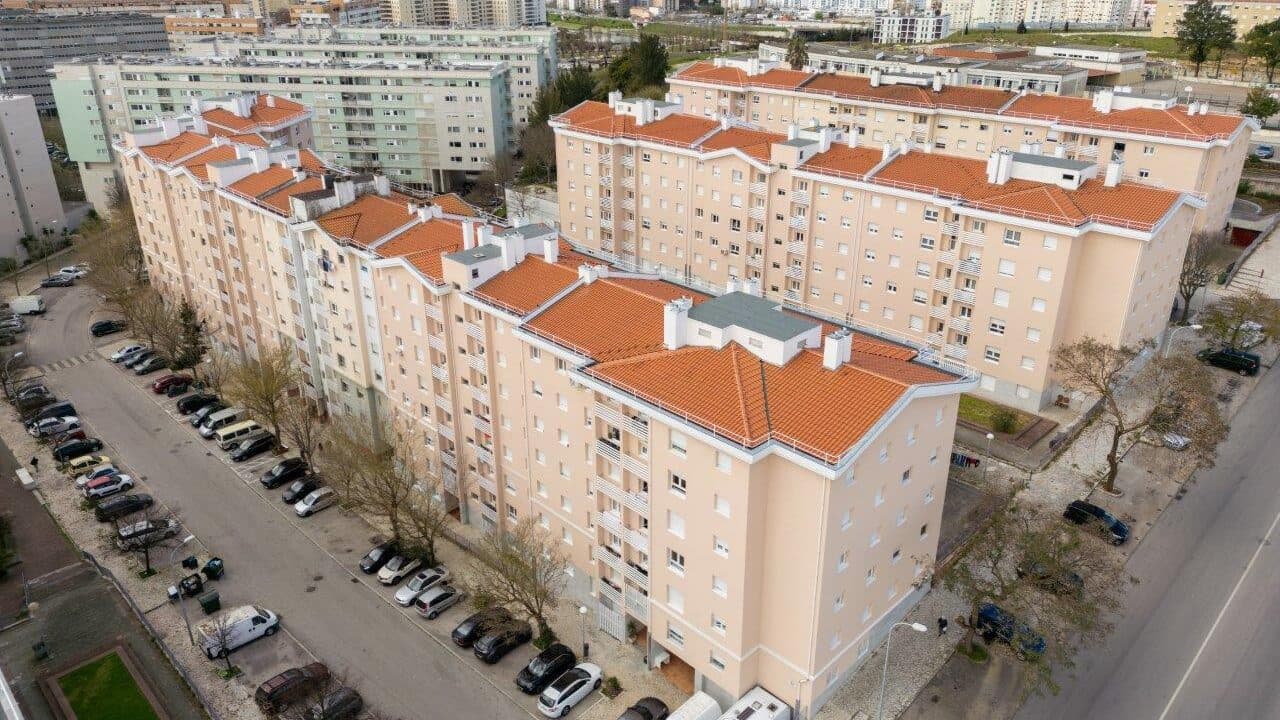
More than 1,450 residents have benefited from rehabilitation works in the Alta de Lisboa, Vale de Santo António, and Olaias neighbourhoods, representing an investment of over 6.6 million euros, announced Gebalis, the company responsible for managing the capital's municipal housing, this Thursday. 'The completion of these interventions represents a significant step forward in the rehabilitation strategy...'

Works benefited “more than 1,450 residents” with an investment exceeding 6.6 million euros.

City council awards a 13 million euro contract to rehabilitate the former cinema-theatre, transforming it into a centre dedicated to the arts. Intervention on the banks of the Este and Cávado rivers aims to prevent flooding.

The plan provides for the construction of 2,400 homes.

The City Council is set to approve a contract revision that provides an additional 78 million to the municipal urban rehabilitation company. Gebalis will receive an extra 14.7 million euros for redevelopment and elevators.

An essential public policy to tackle the housing crisis must force the thousands of private buildings that remain abandoned and decaying in Portuguese cities onto the market. Effective mechanisms to counter this inertia have been lacking, despite the reduction in housing supply and the associated environmental and safety risks. The problem also existed with State assets, but initiatives like the Revive programme and the transfer of property to municipalities have shown that solutions are possible with political will. However, in the private sector, the issue persists and continues to worsen, with an estimated 375,000 homes remaining off the market due to inheritance conflicts, speculation, or owner neglect. While the government has recently introduced measures to simplify inheritance processes and rehabilitation permits, these are not enough. Beyond incentives, it is necessary to apply sanctions to those who persist in keeping their properties abandoned. A more robust solution would be to grant municipalities the power to issue injunctions, forcing owners to renovate or sell their properties within a reasonable timeframe under penalty of monthly fines, as property rights also imply obligations to the community.

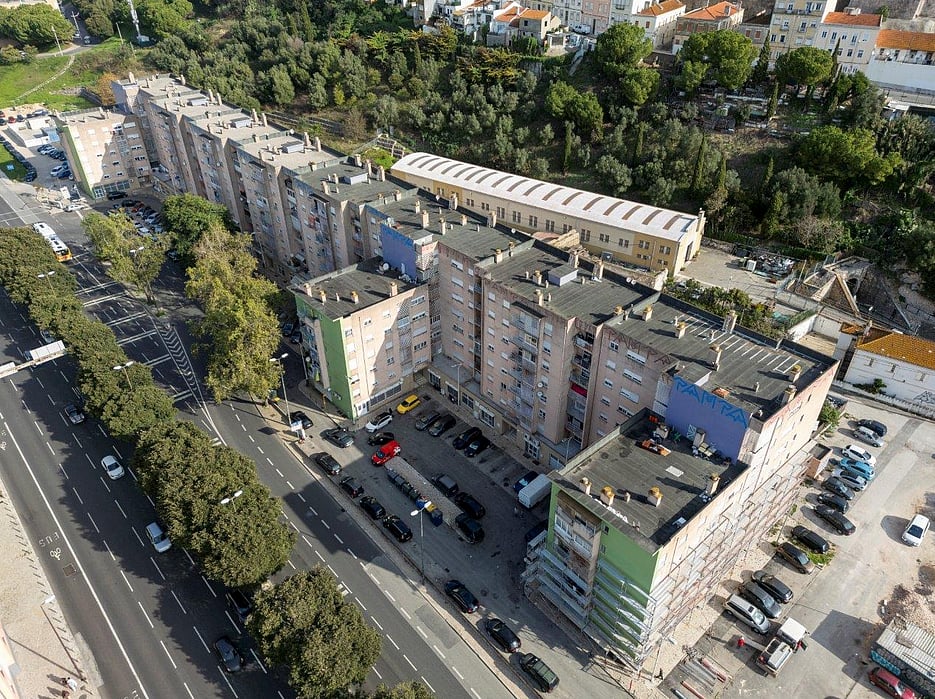
The rehabilitation of municipal buildings on Avenida de Ceuta and Rua Maria Pia in Lisbon has been completed, benefiting 745 residents with an investment of over 4.8 million euros, according to the municipal management company Gebalis. The works are part of the 'Morar Melhor' (Better Living) programme, which aims to rehabilitate 33 municipal neighbourhoods by the end of the year with a total budget of 142 million euros, supported by the Recovery and Resilience Plan (PRR). The interventions focused on improving energy efficiency, thermal performance, and general building maintenance, including facades, roofs, and modernising infrastructure to improve living conditions for residents.

Small and medium investors face a central question: is it better to invest in new properties or to bet on urban rehabilitation? Both paths have advantages and risks.

Until March of this year, there was a belief among real estate companies that the application of the reduced VAT rate of 6% on contracts related to urban rehabilitation only required the properties in question to be located in designated urban rehabilitation areas (ARU). However, this belief has changed, especially since...

In October, the urban rehabilitation sector experienced a significant year-on-year increase of 7.8%, indicating a positive trend in urban development activities.