The dangerous diplomacy of Luís Montenegro
Financing the defence of Kyiv with historical funds and, in the same breath, inviting Putin to the G20. Luís Montenegro's ambiguity exposes a dangerous schizophrenia in Portuguese diplomacy.
observador.pt

Latest news and stories about ukraine war in Portugal for expats and residents.
Financing the defence of Kyiv with historical funds and, in the same breath, inviting Putin to the G20. Luís Montenegro's ambiguity exposes a dangerous schizophrenia in Portuguese diplomacy.
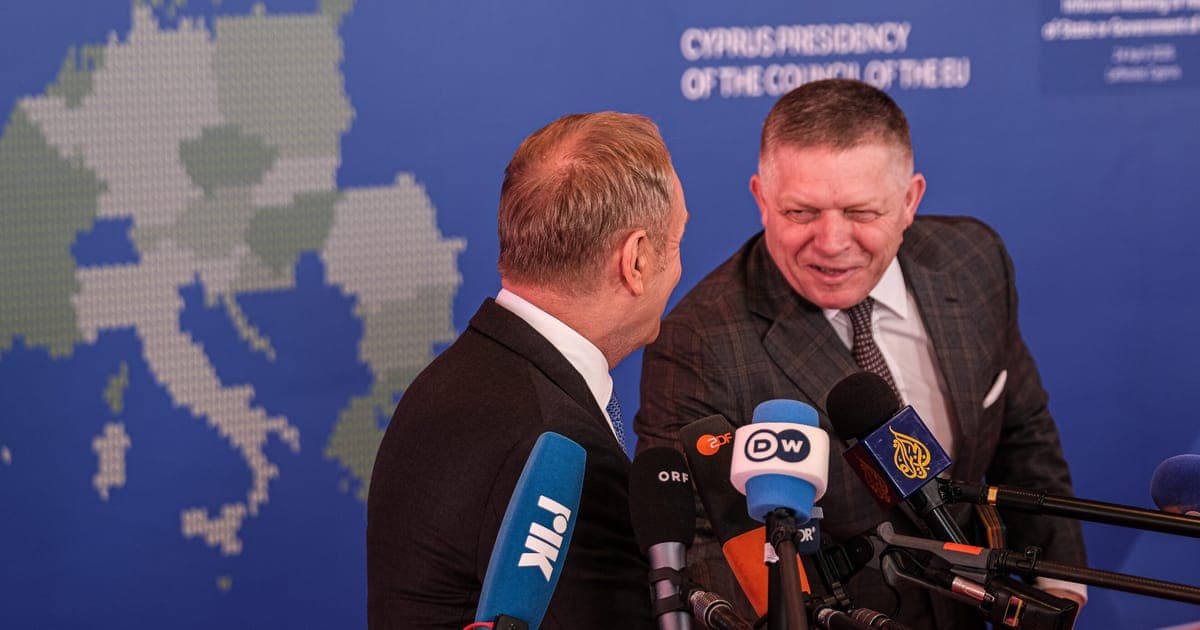
The Polish prime minister's pointed remark about EU unity on Russia was underlined by an awkwardly timed cameo from his Slovak counterpart.
The next Prime Minister of Hungary, Péter Magyar, today conditioned the withdrawal of Budapest's veto on the European Union's 90 billion euro loan to Ukraine on the resumption of supply through the Druzhba pipeline.
The ceasefire announced for Orthodox Easter is scheduled to begin at 16:00 local time (14:00 in Lisbon) and is expected to last until the end of Sunday.
The Minister of Foreign Affairs observed that the new conflict and the strangulation of hydrocarbon transport will have “a negative effect” on the war in Ukraine in the medium term.
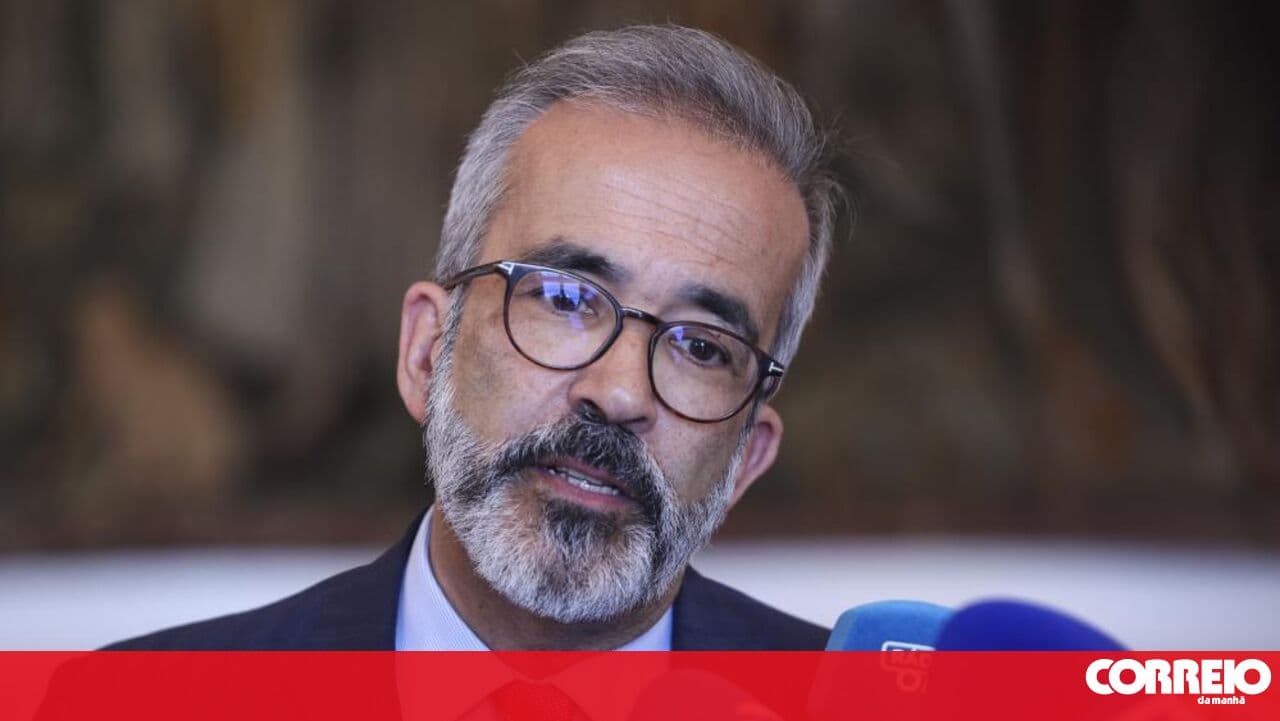
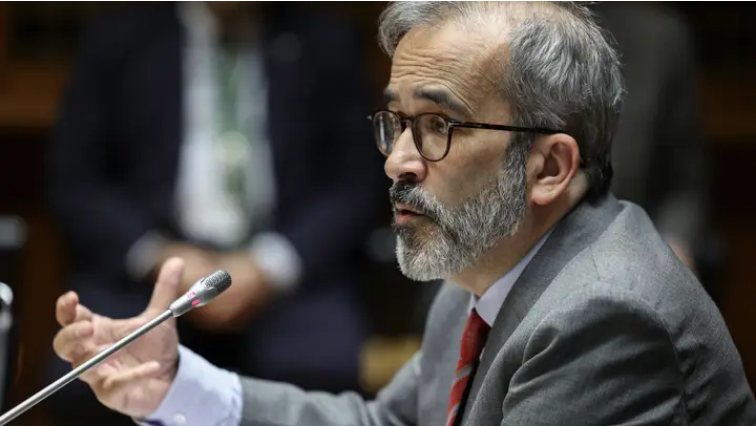
Portuguese Foreign Minister Paulo Rangel described as “very serious” the strong suspicion that his Hungarian counterpart, Péter Szijjártó, is sharing the content of EU meetings with Russian Foreign Minister Sergey Lavrov. During a parliamentary hearing, Rangel noted a pattern of complicity between Hungary and Russia, while also announcing that Portugal will participate in the creation of a special tribunal for war crimes in Ukraine.
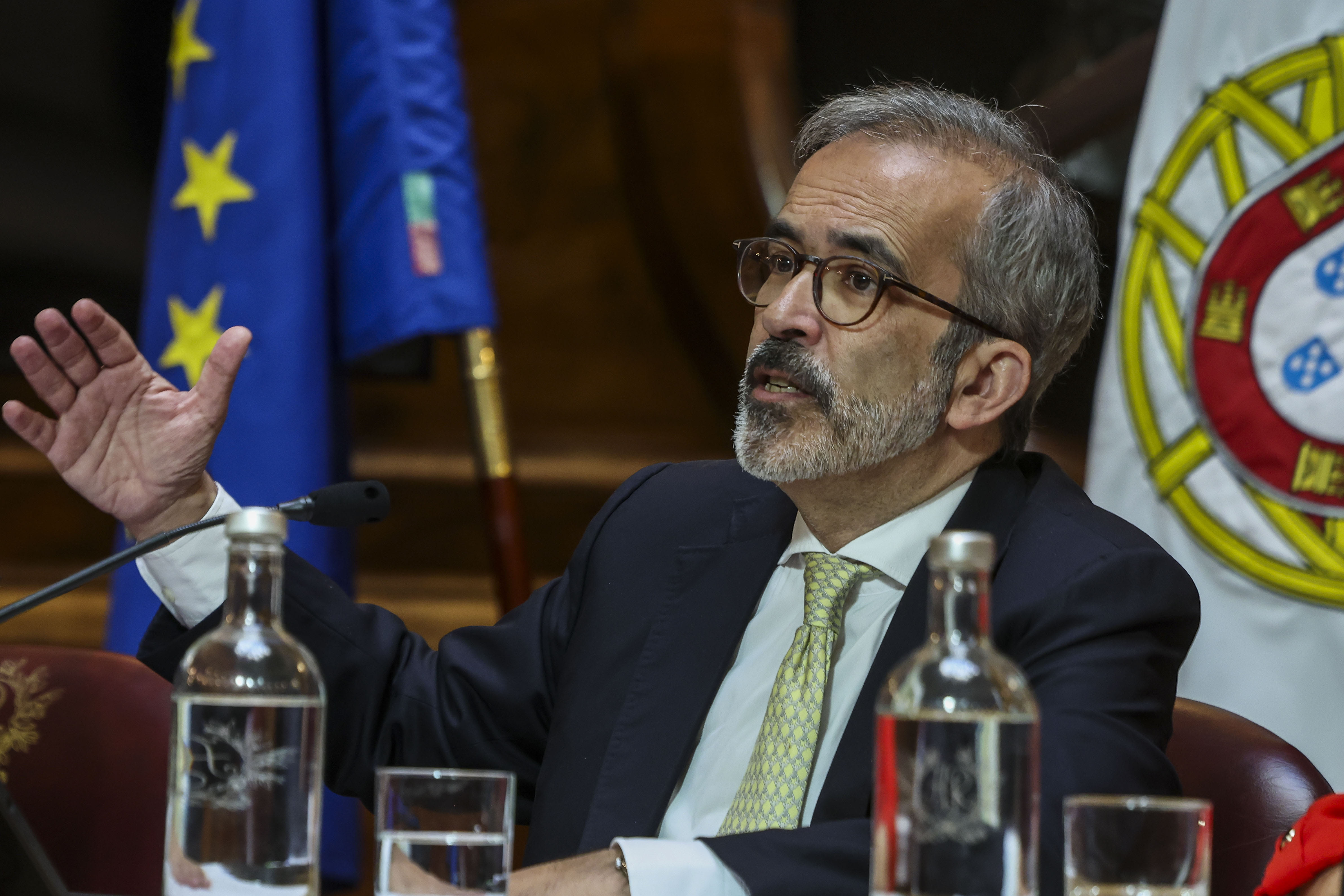
Home News Portugal to be part of the creation of the special court for war crimes in Ukraine Portugal to be part of the creation of the special court for war crimes in Ukraine Portugal will participate in the creation of the special court for war crimes in Ukraine, Foreign Minister Paulo Rangel a
The Hungarian Prime Minister maintains his blockade on financial support for Ukraine and raises the stakes by demanding that the EU ensures Russia does not strike the Druzhba pipeline again.

The European Council meeting on Thursday, March 19, brought bad news for Ukraine and the unity of the bloc, as Hungary maintained its veto on a 90 billion euro loan, supported by Slovakia. The decision is justified by the interruption of Russian oil supplies through the Druzhba pipeline, which is damaged on Ukrainian soil. Kiev blames Russia for the attack, while Budapest and Bratislava accuse Kiev of blocking the supply. During the meeting, António Costa criticized Viktor Orbán's behavior, calling it 'unacceptable' and a violation of EU cooperation terms. The remaining 25 leaders reaffirmed their support for Ukraine, but the loan and the 20th package of sanctions against Russia remain blocked by Budapest. President Volodymyr Zelensky expressed regret over the failed sanctions and emphasized that the loan is critical for protecting lives.
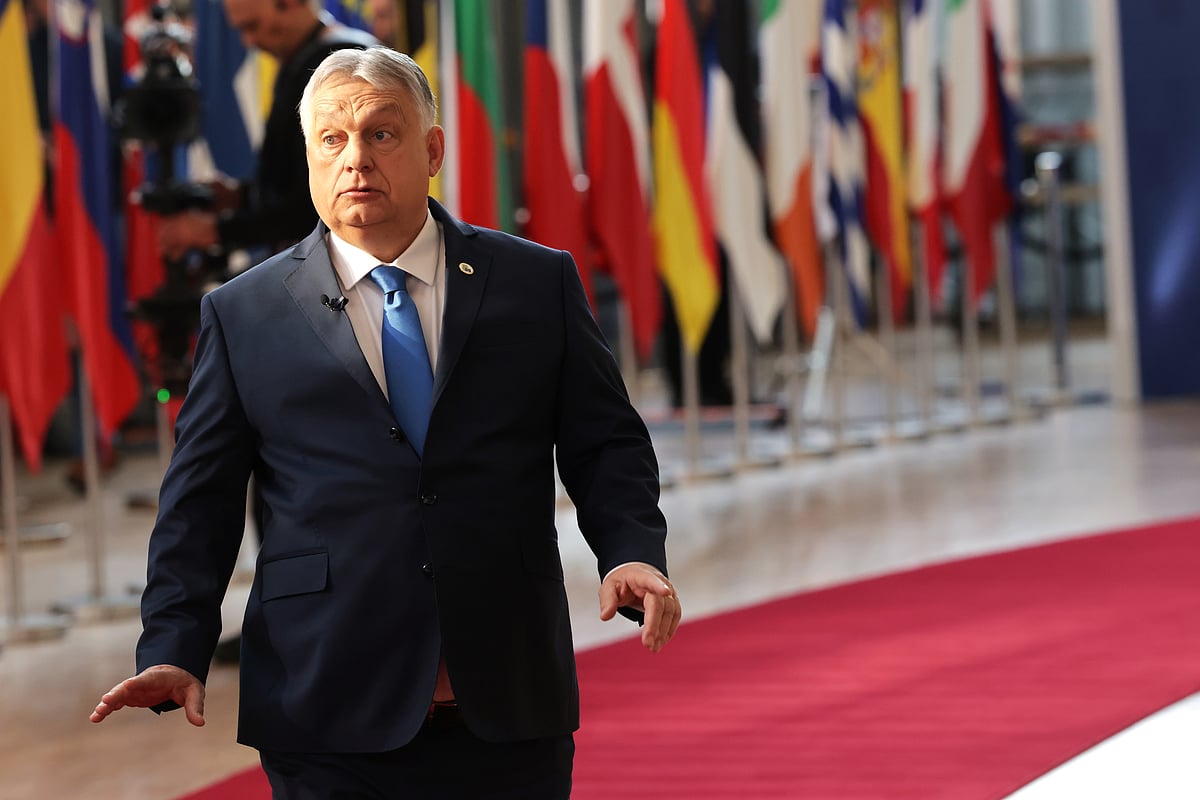
The Hungarian position is very simple: we are available to support Ukraine as soon as we receive the oil they are blocking.
The President of the European Council argues that, “in the future”, the European Union (EU) will have to “engage in dialogue with Russia” for peace in Ukraine, but stresses that this will not happen yet and will not be related to energy supplies.
The President of the European Council argues that, “in the future,” the European Union (EU) will have to “engage in dialogue with Russia” for peace in Ukraine, but stresses that this will not happen immediately and will not be related to energy supplies.
The Portuguese Minister of Foreign Affairs expressed regret this Monday over the temporary lifting of US sanctions on Russian oil already in transit, stating that it is “not positive” and harms Ukraine.
The United States announced that it has temporarily authorised the sale of Russian oil stored on ships.
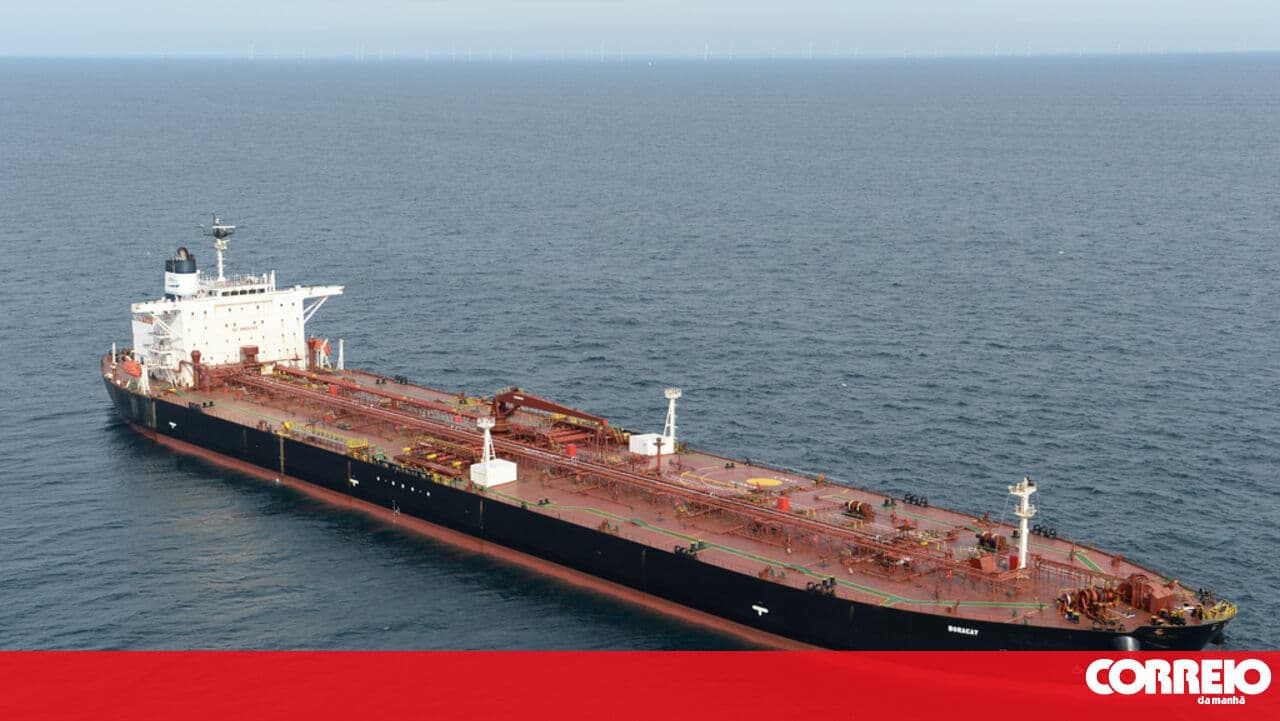
Merz, Macron, Costa, and Zelensky criticise the White House's decision, stating it reinforces Russian funding for the war in Ukraine. The Kremlin highlights that the “interests” of the US and Russia “coincide”.

In an interview discussing his book 'War, Lies and International Law', legal expert Francisco Pereira Coutinho explores the complex intersection of international law, geopolitical narratives, and the existential nature of the conflict in Ukraine. He analyses the legal justifications used by Russia, the challenges of freezing Russian assets, the erosion of international law by major powers, and the difficulties the European Union faces in maintaining a consistent stance on global conflicts.
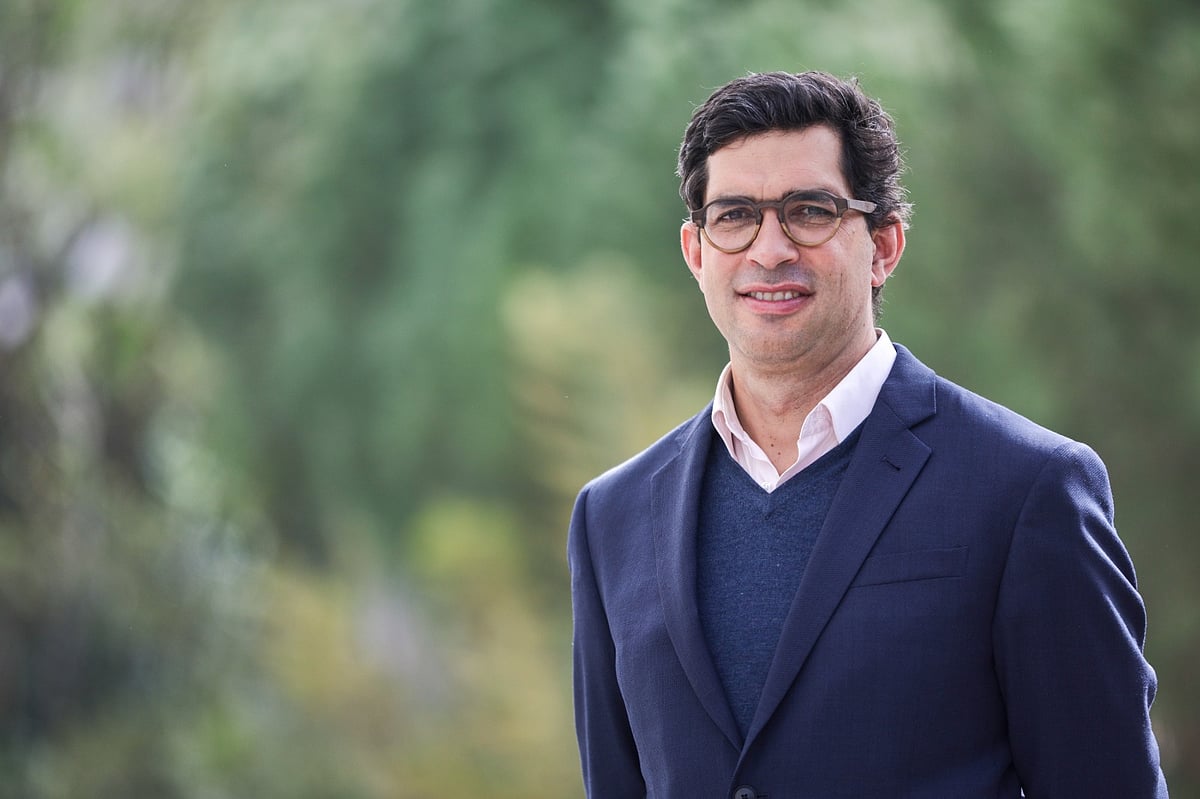
According to Zelensky, the influence needed to reach an agreement rests with Washington and Donald Trump. Meanwhile, the disclosure of Luís Marques Mendes's client list once again sparks debate.