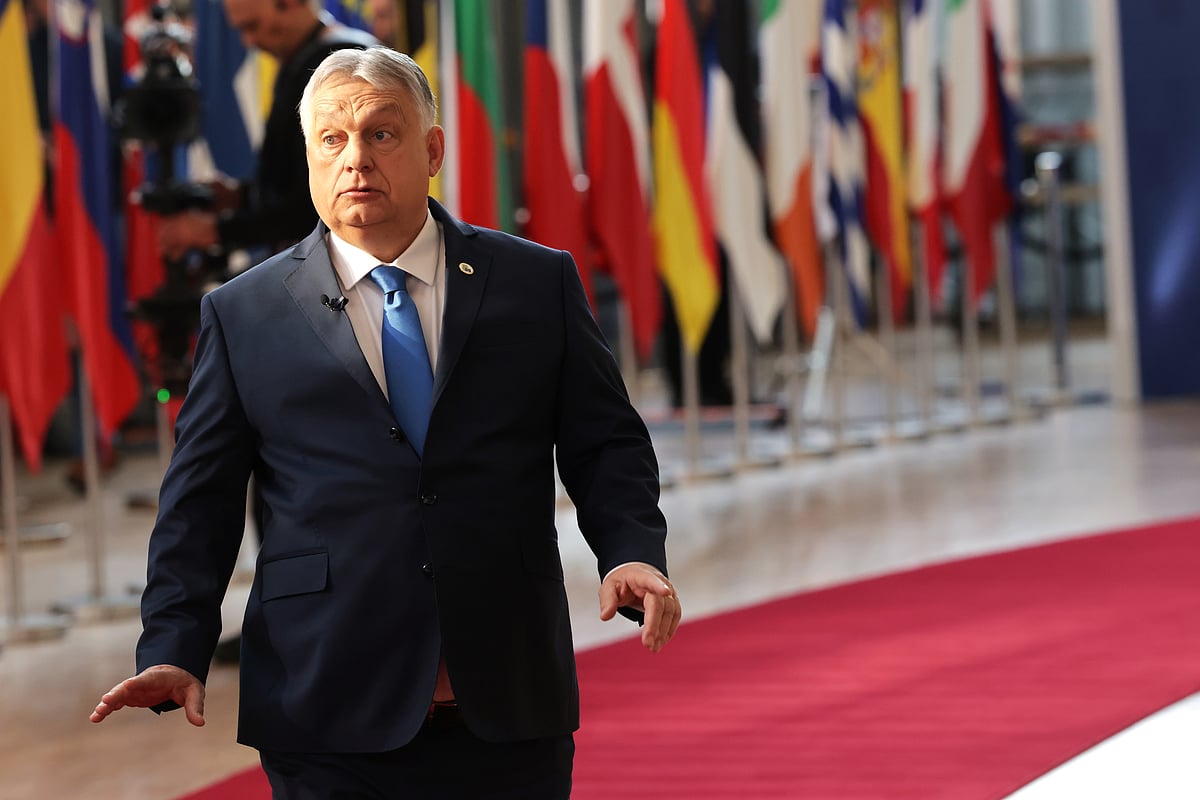
The European Council meeting on Thursday, March 19, brought bad news for Ukraine and the unity of the bloc, as Hungary maintained its veto on a 90 billion euro loan, supported by Slovakia. The decision is justified by the interruption of Russian oil supplies through the Druzhba pipeline, which is damaged on Ukrainian soil. Kiev blames Russia for the attack, while Budapest and Bratislava accuse Kiev of blocking the supply. During the meeting, António Costa criticized Viktor Orbán's behavior, calling it 'unacceptable' and a violation of EU cooperation terms. The remaining 25 leaders reaffirmed their support for Ukraine, but the loan and the 20th package of sanctions against Russia remain blocked by Budapest. President Volodymyr Zelensky expressed regret over the failed sanctions and emphasized that the loan is critical for protecting lives.
Hungary does not yield and Europe fails to approve loan to Kiev
Context & Explainers
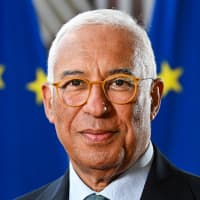
- President of the European Council (since Dec 2024)
- Former Prime Minister of Portugal (November 2015 – April 2024)
- Party: Socialist Party (PS) Partido Socialista
- He is of Portuguese and Indian (Goan) descent
António Luís Santos da Costa (born July 17, 1961, in Lisbon) is a Portuguese lawyer and Socialist politician who served as Prime Minister of Portugal from 2015-2024 and currently serves as President of the European Council since December 1, 2024. After leading the Lisbon Municipal Assembly and practicing law, he was elected MEP (2004-2005) and entered parliament in 2002. He led the Socialist Party from 2014-2024, building unprecedented parliamentary coalitions with the Communist Party and Left Bloc (2015-2019) before winning an absolute majority in 2022. He resigned as PM in November 2023 following a corruption investigation, though subsequently cleared. The 27 EU member states elected him Council President in June 2024, making him the fourth full-time President and the first southern European socialist in that role.
Political Philosophy:
Costa represents moderate European social democracy, combining orthodox fiscal responsibility with progressive social investment. He prioritizes European integration, consensus-building, and pragmatic compromise over ideological confrontation. As Council President, he champions mediation between member states, improved EU inter-institutional relations, shorter decision-making processes, and regular visits to every EU capital to reconnect citizens with European institutions. His approach emphasizes "creative bridges" reconciling divergent interests while maintaining firmness on European values, particularly regarding Ukraine.